

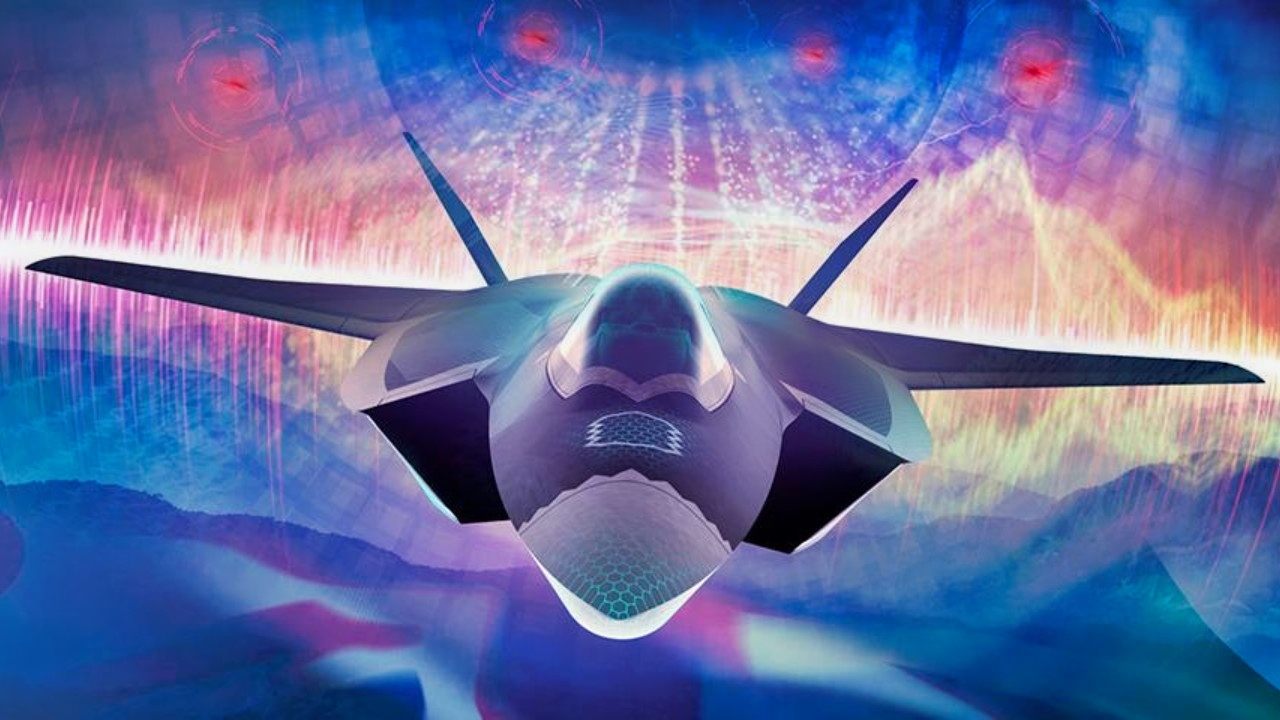
Key Points and Summary – The Global Combat Air Program (GCAP) is a joint UK, Italian, and Japanese effort to build a sixth-generation stealth fighter by 2035.
-Merging the British “Tempest” and Japanese “F-X” projects, GCAP aims to create an advanced, AI-assisted aircraft capable of controlling drones.
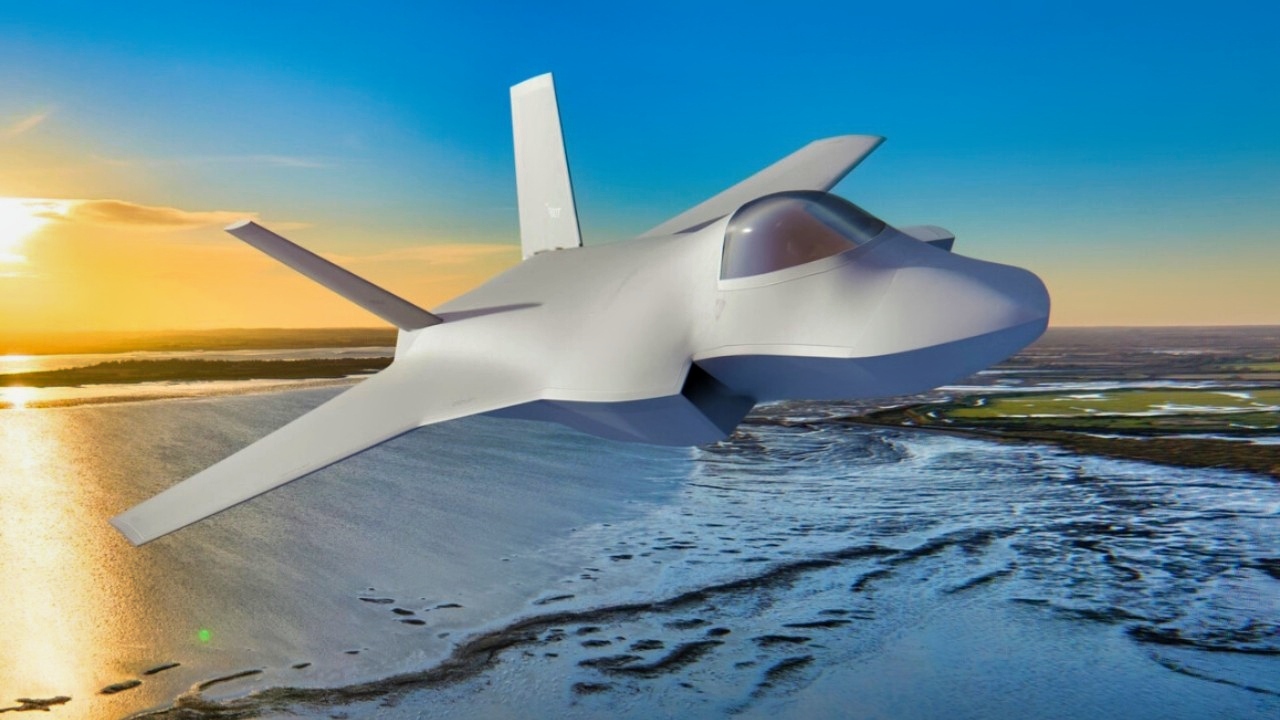
Tempest Fighter from BAE Systems.

Tempest Fighter. Image Credit: Creative Commons.
-With a demonstrator flight planned for 2027, the program is structured with shared responsibility to avoid the cost overruns and delays that plagued past multinational projects like the F-35.
-As Europe’s other 6th-gen program (FCAS) faces infighting, GCAP is positioned as a leading next-generation platform.
What Is the Global Combat Air Program (GCAP)?
Currently, there are two simultaneous efforts underway in Europe to produce a sixth-generation fighter. The Future Combat Air System (FCAS), is a joint effort by Germany, France, and Spain, and the Global Combat Air Program (GCAP).
This is a joint effort by the UK, Italy, and Japan. The goal of the program is to have a prototype take its first flight by 2027, with the production version to enter service around 2035.
Project Origins
The GCAP was born as a merger between two aircraft projects: the Japanese F-X project and the British/Italian Tempest joint venture.
Around 2022, both Japan and the UK agreed to merge their projects into one universal program. In 2023, a trilateral agreement was signed by Japan, Italy, and the UK, formally announcing the development of the fighter between the three nations.
This was primarily driven by the U.S. NGAD project and also the FCAS project elsewhere in Europe.
At its core, GCAP aims to deliver a sixth-generation multirole stealth fighter by 2035. This aircraft is envisioned to possess capabilities far beyond those of current fifth-generation platforms like the F-35.

GCAP 6th Generation Fighter.
Among its most ambitious goals are advanced stealth features, long-range operational capacity, large internal payloads, and artificial intelligence-assisted systems that can support threat detection, decision-making, and weapons deployment.
The aircraft will also be designed for manned-unmanned teaming, allowing it to operate alongside autonomous drones and other systems. A modular architecture will enable future upgrades and customization by participating nations, ensuring the platform remains adaptable to changing technological and strategic needs.
The project is structured to avoid the pitfalls of previous multinational defense programs, such as the Eurofighter Typhoon and the F-35 Lightning II, which were plagued by delays, cost overruns, and rigid decision-making processes.
The GCAP International Government Organisation (GIGO), established through a treaty signed in December 2023, oversees the program’s governance and coordination. Its framework emphasizes shared responsibility, integrated teams, and compensation mechanisms to ensure fairness and accountability.
For instance, if a nation reduces its procurement commitment, it must compensate the others, maintaining balance and trust among partners.
Program Timeline
A demonstrator aircraft is expected to fly by 2027, marking a significant milestone in the program’s development timeline. The full operational deployment is targeted for 2035, aligning with the retirement schedules of current fighter fleets and the anticipated emergence of new threats.
The program involves equal work sharing among the three founding nations, with each contributing to design, manufacturing, and testing.
The industrial backbone includes BAE Systems from the UK, Leonardo S.p.A. from Italy, and Mitsubishi Heavy Industries from Japan.
These companies, along with the Japan Aircraft Industrial Enhancement Co. (JAIEC), formed a joint venture in 2024 headquartered in Reading, UK. This venture coordinates the efforts of over 9,000 personnel and more than 1,000 suppliers worldwide, with significant contributions from each partner country.
Recent Developments
Several nations have expressed interest in the program outside of the three initial founders. Sweden initially expressed interest in the project in 2022; however, Swedish officials stated that no decision would be made on the program until 2031.
For a brief time, Germany considered joining the program in the midst of disputes over the FCAS program with France.
At this time, however, Germany has made no official decision, and it will likely continue with the FCAS project. Other nations have been invited, but so far none have officially joined.
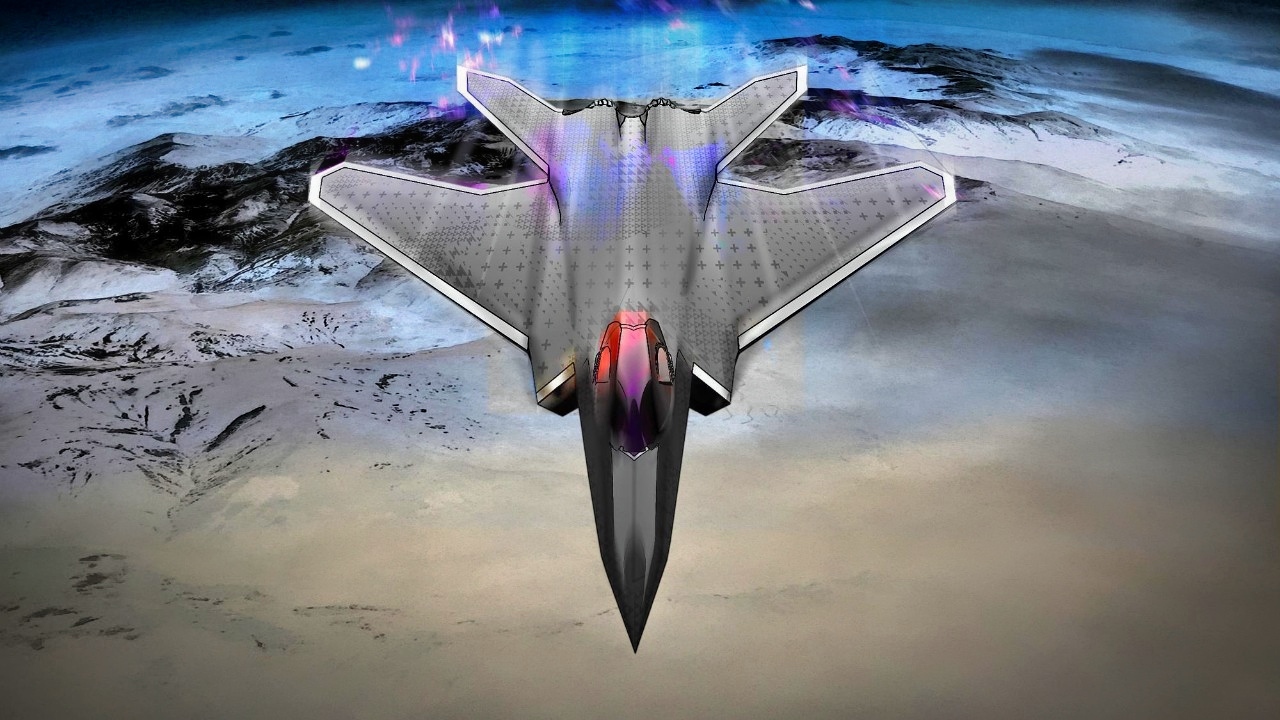
FCAS Fighter from Dassault. Image Credit: Dassault.

FCAS Fighter Mock Up. Image Credit: Creative Commons.
More recently, it was speculated that Australia could be joining GCAP. In March 2025, the GCAP consortium delivered a briefing on the project to the Royal Australian Air Force during the Avalon Australian International Airshow.
While the Australians expressed interest in the project, no decision has been made yet. Air Vice-Marshal Nicholas Hogan commented saying, “there’s a lot of unknowns … so many unknowns that it wouldn’t be possible to present the government options regarding the aircraft at this stage.”
Some Hurdles to Overcome
So far, the GCAP project shows a lot of promise, but more details need to be ironed out in order for things to progress smoothly.
Funding and cost-sharing arrangements are still being finalized, and integrating diverse national requirements and technologies remains a complex task. Political dynamics, both domestic and international, are always a threat to long-term commitment and program stability.
However, the opportunities presented by GCAP are substantial. The program is designed to be exportable, with potential markets in Europe and the Indo-Pacific.
It enhances strategic autonomy for participating nations and fosters an innovation ecosystem that could lead to breakthroughs in aerospace engineering, materials science, and artificial intelligence.
GCAP faces a lot of competition in the marketplace. The advantage is that the project is already oriented towards the export market and international cooperation.
The American F-47 could be a major competitor, but it is unknown whether the U.S. intends to export the fighter in the future. The FCAS project is the biggest competitor to the program.
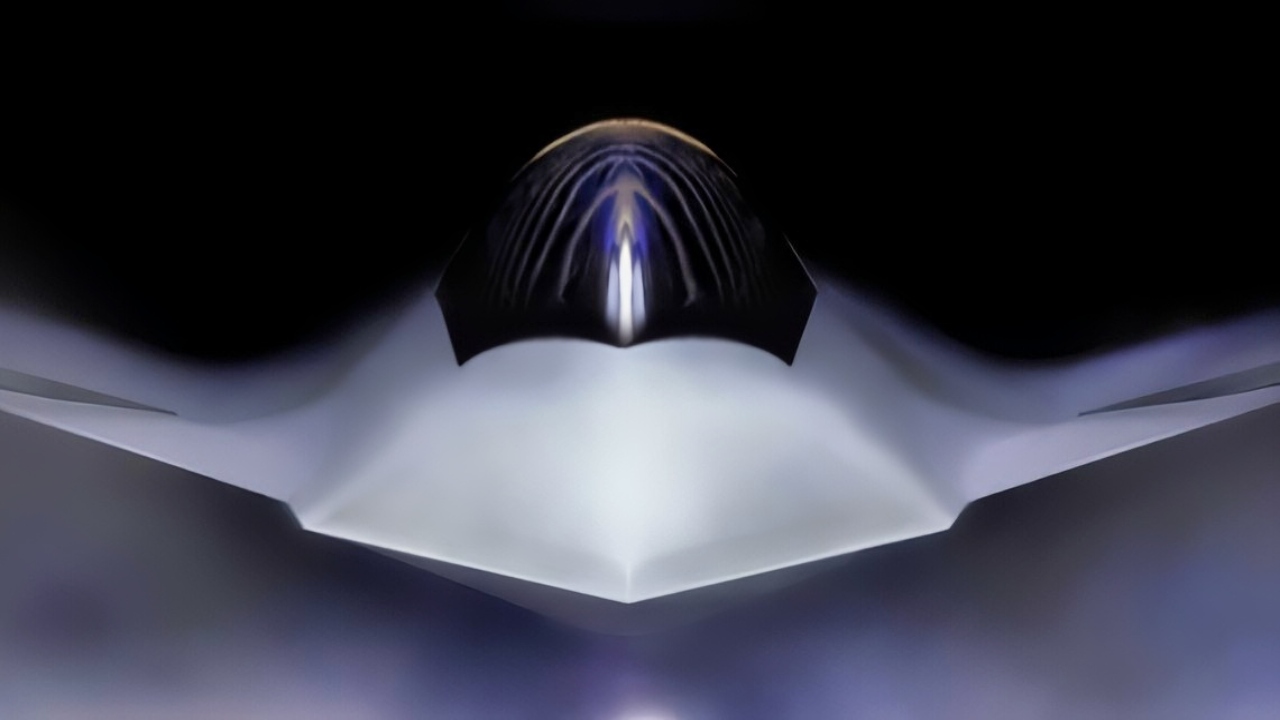
Shown is a graphical artist rendering of the Next Generation Air Dominance (NGAD) Platform. The rendering highlights the Air Force’s sixth generation fighter, the F-47. The NGAD Platform will bring lethal, next-generation technologies to ensure air superiority for the Joint Force in any conflict. (U.S. Air Force graphic)
Still, recent disagreements between France and Germany could threaten the future of the program unless the two iron out their differences.
China is currently a wildcard on the international scene. Beijing is already well into the development of its sixth-generation prototypes. Like the U.S., it is unknown whether they intend to export their advanced fighters.
About the Author: Isaac Seitz
Isaac Seitz, a Defense Columnist, graduated from Patrick Henry College’s Strategic Intelligence and National Security program. He has also studied Russian at Middlebury Language Schools and has worked as an intelligence Analyst in the private sector.
More Military
The First 48 Hours of a War With China ‘Could Be Ugly’
Russia Tried to Build Their Very Own F-22 Raptor. Calling It a Disaster Would Be a Gift
The Royal Navy’s Queen Elizabeth-Class Aircraft Carriers Simply Summed Up in 4 Words


Pingback: UK-Italy-Japan Unveil 6th-Generation Stealth Fighter Under GCAP | TheDefenseWatch.com