

Donald Trump is negotiating with Iran, and September is beginning to set the terms. Nobody in the administration is going to say that the refinery maintenance schedule is shaping this decision. Nobody needs to.
The calendar does enough work on its own to explain why Washington might now accept a deal it would have rejected only weeks ago.
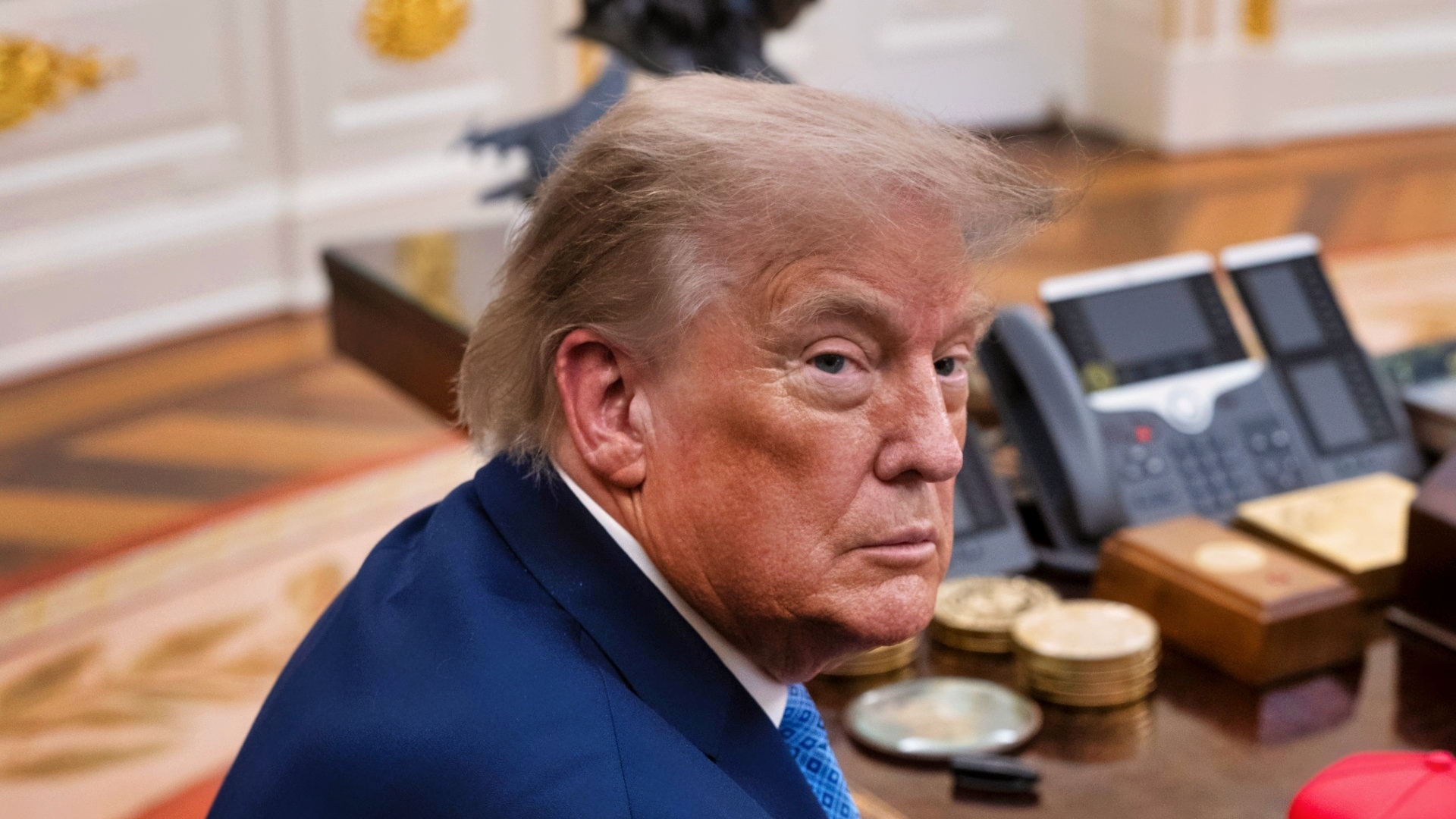
President Donald J. Trump speaks to the press during a presentation of the Religious Liberty Commission Report in the Oval Office, Friday, June 26, 2026. (Official White House Photo by Joyce N. Boghosian)
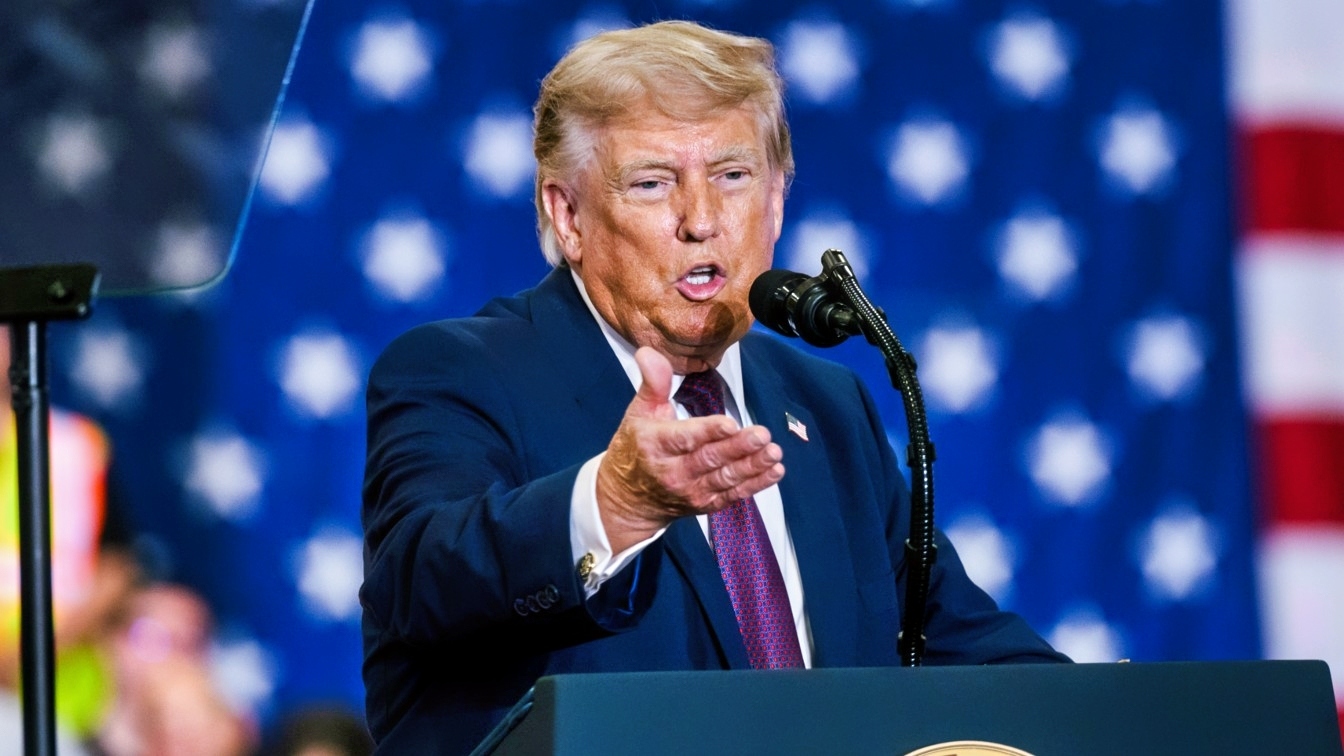
President Donald J. Trump delivers remarks at the Mack Trucks facility in Macungie, Pennsylvania, Tuesday, June 23, 2026. (Official White House Photo by Molly Riley)
The pressures pushing Trump toward an exit are not in doubt. Domestic support for the war has been sliding, and most Americans now disapprove of strikes on Iran. The Pentagon’s stockpile of long-range precision weapons has thinned over five months of combat. Iran has kept the Strait of Hormuz closed despite months of bombing meant to force it open.
None of that explains the timing. The calendar does.
The proposed 60-day arrangement would reopen Hormuz without restoring the status quo ante. Inbound tankers travel through Iranian waters, outbound cargo through Omani waters, on terms set with Tehran.
Tolls are suspended, and mines get cleared while both sides keep talking about something more permanent.
For Washington, the prize is ships moving again through the strait. For Iran, it is keeping the leverage that came from closing it in the first place.
The Crude Price Looks Reassuring — It Isn’t
Oil prices fell 7 percent after Trump called off another round of strikes and talked up the odds of a deal. Traders heard de-escalation and priced in a return of Gulf supply. The physical market tells a different story, and Reuters’ own coverage gets at why.
Crude has come back faster than the capacity to refine it: roughly five million barrels a day of prewar refining capacity, gone, drawing on International Energy Agency figures for the second quarter.
Exxon’s chief executive, Darren Woods, landed on almost the same number on his own, telling investors the shortfall traced back to Hormuz and to reduced flows out of China and Russia.
An energy agency and an oil executive, with every reason to talk up tight margins, do not usually agree by accident.
They reached the same number from different evidence, three days apart. The downstream system has almost no slack left.
American refiners have absorbed much of that shortfall. Exxon’s Gulf Coast plants ran at 95 percent utilization in the second quarter, Chevron’s at 97 percent, and Shell’s above 102 percent. Exxon produced a record amount of diesel for the quarter, and Chevron pushed more than 1 million barrels a day through its American plants.
Numbers like that look like strength. They describe an industry with almost nothing left in reserve.
A refinery cannot be told to run harder indefinitely. It is industrial machinery operating under heat and pressure, and machinery like that needs inspection and repair on a schedule that a war does not bend. Woods has already warned that current utilization cannot hold much longer, and Chevron’s own guidance agrees: the company is telling shareholders to expect third-quarter maintenance to cut earnings by $175 million to $225 million.
September Changes the Bargain
Autumn maintenance runs from September through October.
Refiners can push that work back when margins are good, but delay is still a gamble. A plant that skips this fall’s maintenance does not get to choose when it finally breaks down.
Demand will not help. Harvest season raises diesel consumption, and freight keeps moving regardless of any maintenance calendar.
Early heating demand tends to show up before refiners have finished their fall work, and the fuel system starts losing capacity next month at exactly the moment inventories are thin, and Gulf exports remain constrained.
The timing of the Hormuz talks deserves a closer look. Public opinion could have pushed Trump toward diplomacy at any point this summer, and the munitions shortage has been building for weeks.
Neither explains why Washington would tolerate Iran regulating traffic through the strait right now.
The refinery calendar adds a different kind of constraint.
Reuters has reported that the Army has used nearly all of its ATACMS and PrSM missile stock, though Washington still has untouched Tomahawks and aircraft-delivered weapons.
That shortage narrows Trump’s options.
Refinery maintenance shapes the conditions under which whatever remains would actually get used, since plants already running close to their ceiling cannot keep deferring essential work without raising the odds of a bigger failure.
The size of the arsenal Trump has left constrains him, and so does a refinery clock that has nothing to do with Pentagon inventory.
Another Strike Would Carry a New Risk
Trump has not given up his military options.
He shelved plans for what he called “massive attacks” to give the talks more room, while warning Iran it will be hit hard if it walks away.
The United States can still destroy more of Iran’s infrastructure.
What happens after is the harder question.
Iran’s past response to escalation has been to tighten its hold on Hormuz, not loosen it.
Houthi forces have separately struck shipping near the Bab el-Mandeb, some of the same routes tankers use to get around the Gulf disruption.
A renewed American campaign, even a successful one, risks reopening pressure at both chokepoints at once.
Should that happen during maintenance season, Washington would be escalating with less economic room than it had at the start of the war.
Gasoline already averages above four dollars a gallon, and Trump has taken to blaming Exxon and Chevron publicly for it, even as the refiners maintain they are already near the edge of what their plants can do.
One option on the table, another Jones Act waiver, is expected to shave pennies off the price at the pump.
Four-dollar gasoline and the November elections are part of the picture. Coercion runs on how long each side can stand the costs it is absorbing.
On that measure, the numbers do not obviously favor Washington.
Washington has inflicted enormous damage on Iran, yet Tehran still controls the route the fuel market needs reopened.
The military side is already strained.
The missile stock is gone, and Reuters puts the remaining global Tomahawk inventory at a little less than half. Another strike remains possible, but nothing guarantees it produces better terms before the fuel squeeze gets worse.
What Sixty Days Would Buy
A 60-day agreement would leave most of the underlying dispute untouched.
Iran keeps its missile force and the nuclear question goes back to the table where it started. Tehran’s improved position in Hormuz survives the deal too, at least for now.
What the arrangement buys is time.
Tankers move without paying tolls and mine clearance begins, though whether product flows recover before maintenance season eats into capacity is still an open question.
Measured against the ambitions the war started with, that is a thin return.
Measured against the narrower menu of choices available in August, it might be enough.
Washington entered the war with overwhelming superiority and assumed that edge would keep widening its options. Months of fighting did the opposite.
Iran has lost enormously, but it kept one piece of leverage that grows more valuable as the refining calendar advances.
Whatever Trump calls the agreement, and whatever Brent crude does on the day it’s announced, won’t tell us much.
The more useful moment comes later in the fall, once refineries start taking units offline and shippers find out whether Hormuz traffic holds up well enough for stocks to rebuild.
Washington still has the firepower to keep fighting if the talks collapse.
Whether using it buys anything more than a shrinking cushion of economic room is a question nobody can answer yet. That depends on what refineries look like a few weeks into fall maintenance, and on whether tanker traffic through Hormuz holds up once it’s actually been tested, not merely promised.
About the Author: Dr. Andrew Latham
Andrew Latham is a professor of international relations and political theory at Macalester College in Saint Paul, MN. You can follow him on X: @aakatham.


