
Iran Threatens Hell Over Hormuz, But Trump May Have Just Prevented It – As the White House weighs putting boots on the ground in Iran and insists that the Strait of Hormuz is still open, an Islamic Revolutionary Guard Corps commander has warned that Iran will turn the region into “hell” if the regime’s control of the Strait of Hormuz is challenged.
“We will bring the region into hell for you from across Iran if you make the sacred Strait of Hormuz safe,” IRGC Aerospace Force commander Brigadier General Majid Mousavi warned this week.

Iran Missiles. Image Credit: Creative Commons.
The comments were published by the Mehr News Agency, which also described Mousavi’s criticism of so-called “American audacity” in the region, likely referring to renewed overnight strikes following an Iranian strike that took down an American Apache helicopter.
The comments are also just the latest in a long series of threats made by the regime in Tehran, and follow attempted Iranian strikes on U.S. military sites at the Ali Al Salem and Ahmad Al Jaber bases in Kuwait, as well as other facilities in Bahrain.
Iran Claims the Strait of Hormuz is Closed
Since last night’s strikes on Iran, Tehran has responded by formally declaring that the Strait of Hormuz is closed.
In a statement published by the Khatam al-Anbia Central Headquarters, Hormuz was said to be closed to all vessels.
“From this moment, due to insecurity in the region, the Strait of Hormuz is declared closed to the passage of all vessels, including oil tankers and commercial ships, and any traffic will be targeted,” the statement reads.

Iran’s missile capabilities. Image Credit: Creative Commons.
This is not the first time that Iran has issued a warning like this, and Tehran has long maintained that it possesses the capability to shut the strait if necessary. The Islamic Revolutionary Guard Corps has repeatedly pointed to its large arsenal of anti-ship cruise missiles and its ability to mine the strait using small boats, but U.S. forces remain confident that their larger and more capable forces can prevent further activity that makes passage dangerous.
That confidence only matters as much as insurers’ willingness to support the passage of commercial ships through the Strait, however.
The U.S. Disagrees
The United States, however, disagrees. In a statement published by Central Command, the Strait of Hormuz was described as “open for transit.” A post on X, accompanied by a graphic, explained that safe pathways have been established for commercial vessels transiting the Strait of Hormuz.
“The pathways are available to all vessels not violating the blockade against Iran,” the post also reads, adding that “hundreds of ships have transited in the last two months.” The update also committed U.S. forces to defending ships against Iranian aggression, and insists that “Iran does not control the Strait of Hormuz.”
How Washington Enforced Its Blockade So Far
The United States announced blockade measures in response to Iranian efforts to close the Strait earlier this year. It was an effort to reassure commercial shipping operators that passage through the strait would remain possible.
Since April, U.S. Central Command has consistently published guidance for vessels transiting the region and has established maritime corridors designed to reduce the risk of encounters with Iranian forces.
A range of American naval assets working alongside coalition partners have maintained an almost constant presence in and around the strait since, operating with the support of surveillance aircraft and drones.
The blockade was not only intended to secure commercial shipping, but also to prevent Iran’s ability to export oil and import materials that Washington believes support the country’s military or nuclear programs. In effect, U.S. forces have been working to ensure the safe passage of oil through the strait, while preventing Iran from using the Strait to support its economy or military.
Tonight’s Strikes Canceled?
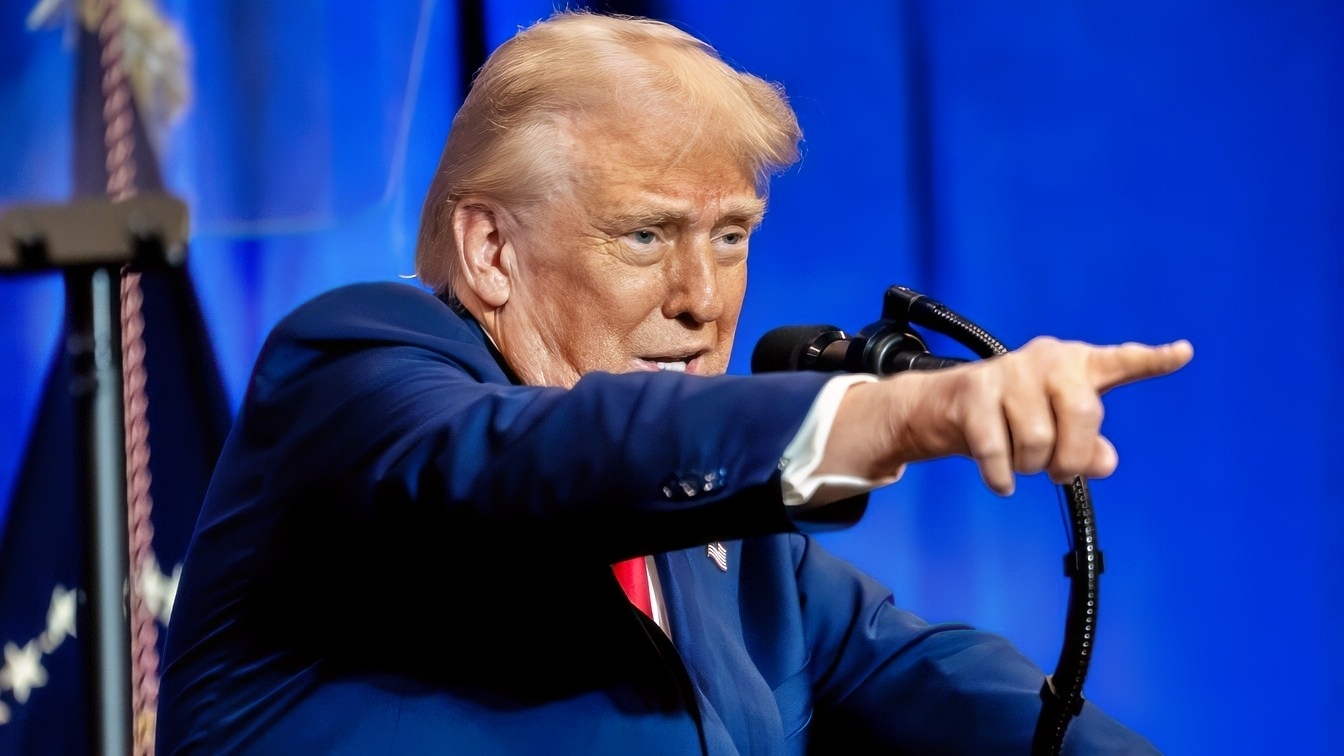
While Washington and Tehran push conflicting narratives about the status of the strait, the world was bracing for another round of attacks on Iran tonight. In his latest threat, the U.S. president went as far as suggesting that the next round of U.S. strikes would hit Iran “very hard” and could include ground forces.
At 1:28 pm Eastern, however, the president seemed to walk back the threats and indicated that a deal may finally be on the table.
“Based on the fact that discussions with the Islamic Republic of Iran have been brought to the highest level of Iranian leadership and approved, I have, as President of the United States of America, canceled the scheduled strikes and bombings against Iran this evening.”
“Discussions and final points have been, in both concept and great detail, approved by all parties involved, including the United States, Israel, Saudi Arabia, UAE, Qatar, Turkey, Pakistan, Bahrain, Kuwait, Jordan, Egypt, and others. The Naval Blockade will remain in full force and effect until this Transaction is finalized — Time and place of the signing to be announced shortly,” the president continued.
If the statement proves true – and it is certainly the most definitive statement made so far – it would mean disagreements over the Strait of Hormuz become redundant. Any deal will, of course, involve opening the Strait to address the looming oil crisis that the White House has been working to prevent since announcing the initial round of strikes.
About the Author: Jack Buckby
Jack Buckby is a British researcher and analyst specializing in defense and national security, based in New York. His work focuses on military capability, procurement, and strategic competition, producing and editing analysis for policy and defense audiences. He brings extensive editorial experience, with a career output spanning over 1,000 articles at 19FortyFive and National Security Journal, and has previously authored books and papers on extremism and deradicalization.


