


Iran and the United States: Headed Toward Economic Disaster? Iran and the United States are trading military blows after the downing of an American Apache attack helicopter that threatens to end the ceasefire and could plunge both countries into mass warfare once again. But Tehran and Washington must be concerned with alarming negative knock-on effects on their economies. The Americans are struggling with high inflation, and due to the blockade and war costs, as well as damages from air strikes, the Iranian economy is not performing well. When will either country reach the economic breaking point?
Higher Consumer Prices in the United States

A B-52 Stratofortress assigned to the 2nd Bomb Wing at Barksdale Air Force Base, Louisiana, takes off to return home from a Bomber Task Force deployment at Navy Support Facility, Diego Garcia, April 3, 2024. The U.S. routinely and visibly demonstrates commitment to our Allies and partners through the global employment of our military forces.(U.S. Air Force photo by Master Sgt. Staci Kasischke)
U.S. inflation spiked to 4.2 percent in May. That makes three straight months in which higher prices have confronted the country. This is also a three-year high. Over the past months, the consumer price index has risen by over 3 percent since the war began.
Gasoline Is Still Stubbornly High
Unsurprisingly, the biggest hit to people’s wallets is high gasoline prices from the shutdown of the Strait of Hormuz. Oil prices have remained stubborn. The cost of West Texas Intermediate crude was $88 as of 9 am on June 10. The national average price of gas is $4.15, the Guardian reported.
Lack of Affordability
But even without fuel costs, consumer prices for food and clothes still jumped 2.9 percent. The subject of affordability has remained front and center for American voters. Many believe that living in the United States simply costs too much. Prices have remained annoyingly high, and while inflation is lower than it was under President Joe Biden, Donald Trump campaigned on reducing the cost of living.
Can the Federal Reserve Bank Help?
The U.S. Federal Reserve Bank considers 2 percent as a healthy level of inflation. The Fed faces a difficult path forward, as the economy may be overheating despite a healthy June jobs report. Central bankers could reduce interest rates to improve economic performance or keep them unchanged to prevent the money supply from rising too much, which could cause more inflation.
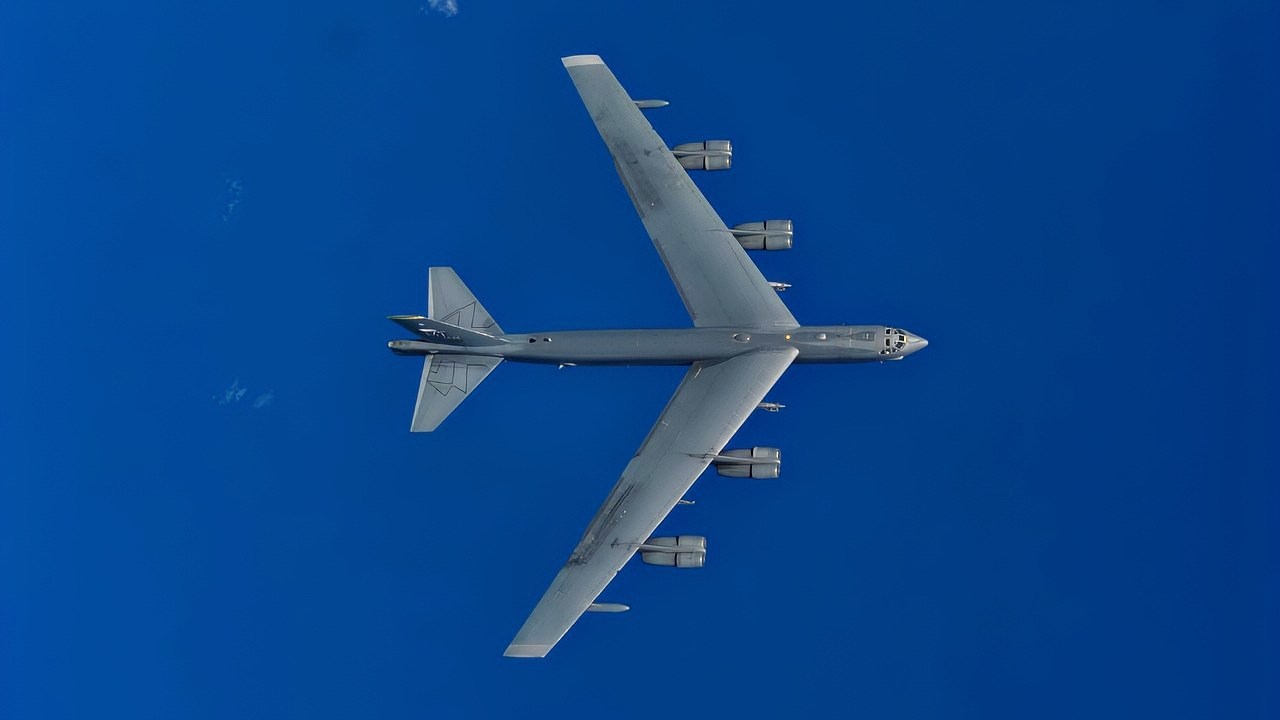
A B-52H Stratofortress from the 69th Bomb Squadron, Minot Air Force Base, N.D., flies over the Pacific Ocean during an international sinking exercise for Rim of the Pacific 2016 near Joint Base Pearl Harbor-Hickam, July 14, 2016. Twenty-six nations, more than 40 ships and submarines, more than 200 aircraft, and 25,000 personnel are participating in RIMPAC from June 30 to Aug. 4 in and around the Hawaiian Islands and Southern California. The world’s largest international maritime exercise, RIMPAC, provides a unique training opportunity that helps participants foster and sustain the cooperative relationships that are critical to ensuring the safety of sea lanes and security on the world’s oceans. RIMPAC 2016 is the 25th exercise in the series that began in 1971. (U.S. Air Force photo by Tech. Sgt. Aaron Oelrich/Released)
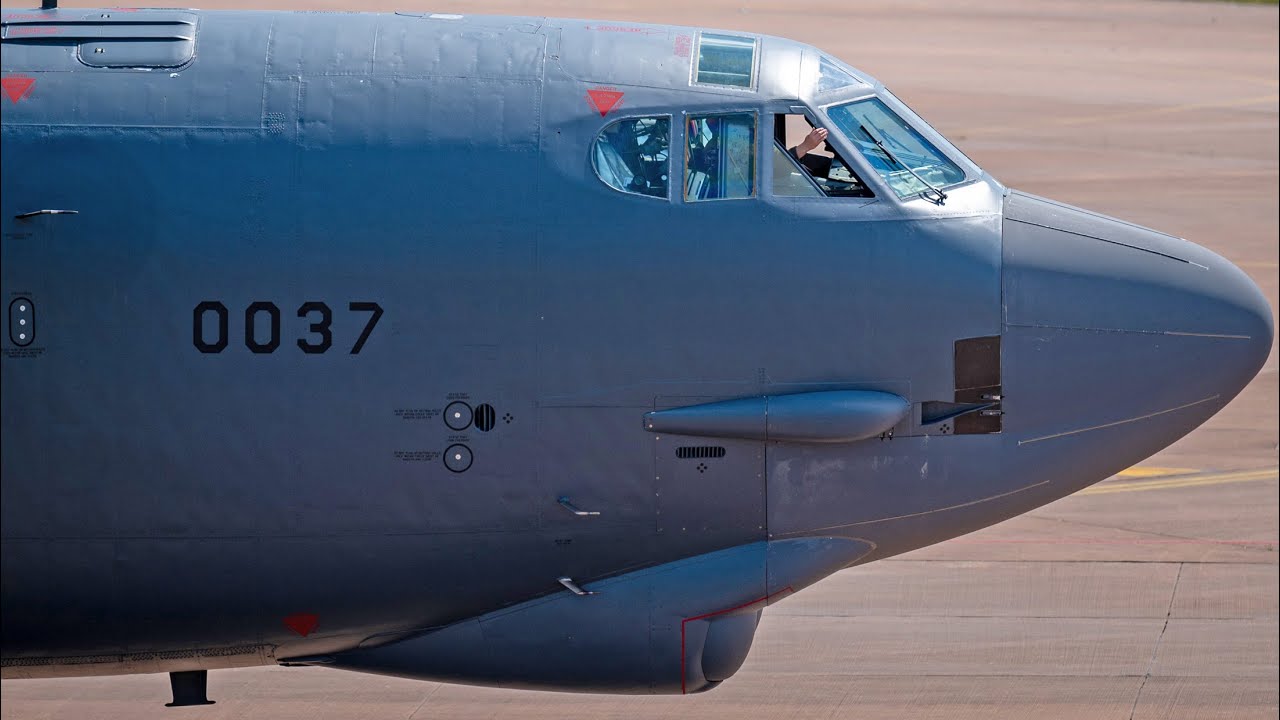
B-52 bomber. Image Credit: Creative Commons/USAF.
New Fed Chair Faces a Coming Crisis
The Fed has a new chair in Kevin Warsh, and financial markets are trying to predict what his interest-rate policy will be. With such high inflation, he is not likely to pursue a dovish policy of cutting rates and creating a bigger money supply that would entail more money chasing fewer goods – often a recipe for high prices. This level of interest rates is likely to remain the same.
Iran’s Economy is Horrendous
Meanwhile, Iran’s economy is also struggling. Iranians are facing 54 percent inflation. Food is sky high. Rice costs 174 percent more than when the war started. Cooking oil is up 375 percent, according to the Christian Science Monitor. Stores are gouging prices, and consumers are hoarding goods and attempting to barter on the black market rather than using traditional economic means.
Millions of Lost Iranian Jobs
“Adding to the grim picture, Iran’s Ministry of Labor estimates that war-related job losses now top 2 million. Senior labor unionist Hamid Haj-Esmaili estimates the actual figure to be between 3 million and 4 million people out of work, and says there are no protection schemes for the newly unemployed,” the Christian Science Monitor wrote.
Harsh Daily Life
Ordinary Iranians cannot even afford plastic bags because any product associated with oil and petrochemicals has been decimated due to American and Israeli air strikes.
Some people are worried about power outages that could make perishable foods inedible. Daily life is just incredibly difficult for many in the country.
Inflation Bites Hard
“Iranians say prices in stores have doubled or tripled in price. Salaries are delayed. The economic crisis has forced people to close businesses, sell treasured possessions, and move in with extended family,” NPR’s Durrie Bouscaren said in an interview with host Mary Louise Kelly.
Iranians living on fixed incomes and pensions do not get a cost-of-living increase, and these people are struggling to survive.
Bouscaren interviewed one Iranian who said that life is incredibly difficult. “She tells us the law office reduced her salary by 25 percent. Her landlord raised her rent by 40 percent. And basic necessities, like chicken, have gone up by half. She says she’s now borrowing money from relatives each week just to make ends meet.”
Iran has tried to increase the minimum wage, but that attempt to reduce economic pain is not enough to offset high prices and even adds to the problem of inflation.
The Economic Side to War
American and Iranian political leadership, who are the architects of the war, did not foresee just how much their countrymen would suffer during the war.
When Will the Economic Pain End?
People in the United States hope for a ceasefire and the reopening of the Strait of Hormuz so gas prices can return to normal. Iranians wish that the U.S. Navy blockade of their country’s shipping would be alleviated.
Outward displays of protest have yet to materialize in either country, but that could change. Both economies are suffering a death by a thousand cuts.
It is unclear how long the war will last, but we know inflation can be a killer, and Iran is even facing hyperinflation amid high unemployment. The Iranian government lacks a social safety net to protect victims of stagflation, a combination of high prices, joblessness, and a falling GDP.
Economic pain in both countries is real, and it will take a complete, unalterable ceasefire and a comprehensive peace plan agreed to by both governments to stop the bleeding. Since the war has entered a new phase of tit-for-tat missile and drone strikes, it is not clear when the economic disaster will end.
About the Author: Dr. Brent M. Eastwood
Author of now over 3,500 articles on defense issues, Brent M. Eastwood, PhD, is the author of Don’t Turn Your Back On the World: A Conservative Foreign Policy and Humans, Machines, and Data: Future Trends in Warfare, plus two other books. Brent was the founder and CEO of a tech firm that predicted world events using artificial intelligence. He served as a legislative fellow for US Senator Tim Scott and advised the senator on defense and foreign policy issues. He has taught at American University, George Washington University, and George Mason University. Brent is a former US Army Infantry officer. He can be followed on X @BMEastwood.


