

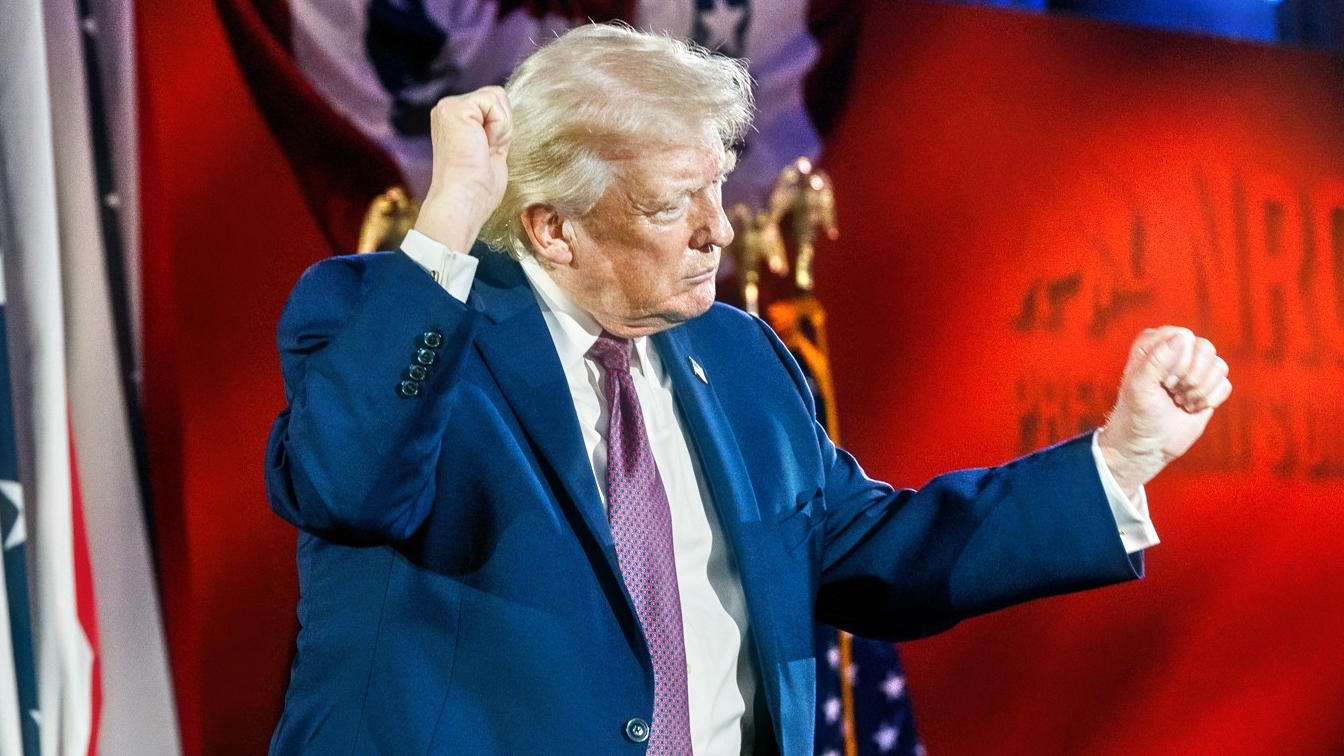
The Memorandum of Understanding (MoU) hasn’t even been signed yet, but President Trump says the United States is fully ready to go back to bombing Iran if the deal isn’t satisfactory to the US.
Speaking at the G7 conference alongside Egyptian President Abdel-Fattah El-Sisi in Évian-les-Bains, France, on Wednesday, the president said the U.S.-Iran agreement is not a final deal and warned that the U.S. could resume bombing Iran “if they don’t behave.”
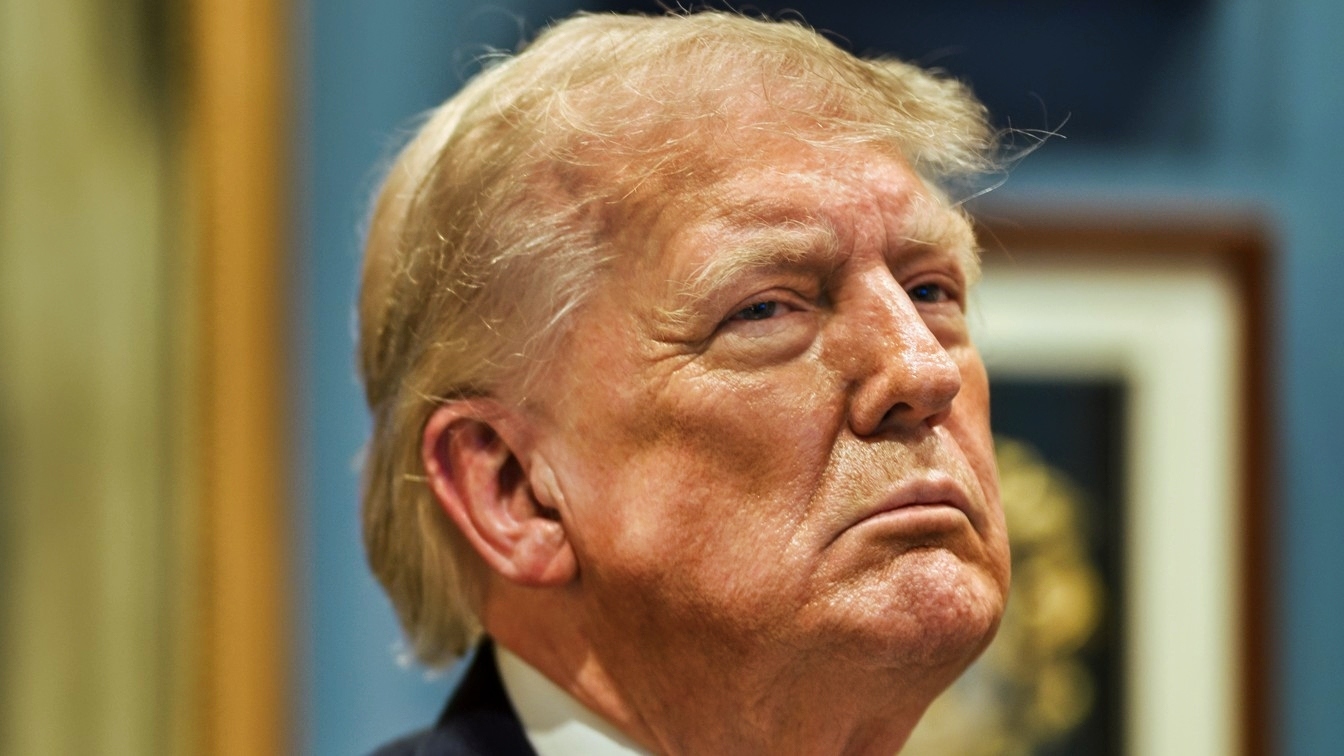
President Donald J. Trump watches the liftoff of Artemis II in the Outer Oval Office, Wednesday, April 1, 2026. (Official White House Photo by Daniel Torok)
He posted from his Truth Social app account from the conference that his fellow leaders mostly wished to discuss “the fact that Iran will not have a Nuclear Weapon, and that the Strait of Hormuz will immediately be opened!”
Is this a true peace deal or just a respite in the bombing?
President Trump’s Remarks On The MoU: We Could Bomb Iran Again
“It’s a memorandum of understanding, and if I don’t like it, we’ll go back to shooting at them, dropping bombs on their heads. I don’t like it if they don’t behave. We’ll go right back to dropping bombs right smack in the middle of their head,” the president said.
The president added that the Iran memorandum of understanding did not include immediate sanctions relief for Iran.
But then he reversed course from resuming bombing and lauded the work his administration had done on framing the peace deal. “That’s a very strong deal. Nobody knows what it is, but it’s very strong, and most people seem to be very happy.”
The US Will Not Invest In Iranian Reconstruction
He also denied that the United States would be investing $300 billion in an Iranian reconstruction fund. “You can invest if you want.
I mean, what am I gonna do? Say, nobody’s ever allowed to invest? No, we’re not investing, we’re not putting up 10 cents, and people can decide to do that, but that’s up to them,” he said.
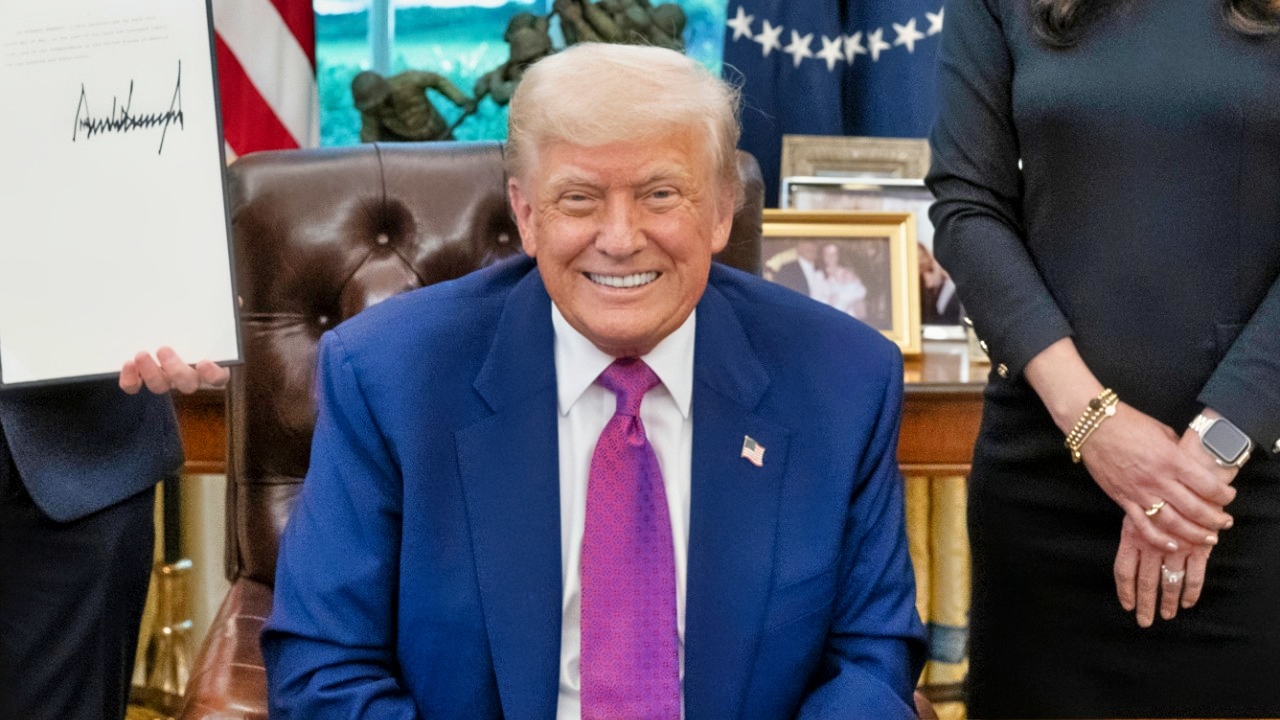
President Donald J. Trump holds a bill signing with members of Congress, Friday, May 9, 2025, in the Oval Office. (Official White House Photo by Molly Riley)
Turning to the stock markets, he said the MoU with Iran will prove to be a boon for investors.
“There’s nothing so smart as the market, and the market loves it beyond anything that I’ve actually seen,” he said, adding that, “The alternative would be a worldwide depression.”
Vice President JD Vance told CNBC that “a lot” of details remain to be ironed out, but he expressed confidence that America has “all the cards” in subsequent talks.
G7 Leaders Support US-Iran Peace Deal
Key leaders at the G7 summit in Évian-les-Bains, France, have welcomed the agreement between the United States and Iran.
In a joint statement, the G7 wrote that the agreement “provides an historic opportunity to prevent Iran from acquiring any nuclear weapon and tackling the threats related to its regional and ballistic activities,” the leaders said, offering their support for its implementation.
The G7 leaders also stated that they support the right of transit passage through the Strait of Hormuz without restrictions or tolls, characterizing it as the bedrock of international trade.
This specifically refutes Tehran’s claim that it will institute fees after the 60-day negotiating window.
They also agreed that a multinational, independent, and defensive initiative led by France and the UK can play an important role in facilitating the resumption of maritime traffic in the Strait.
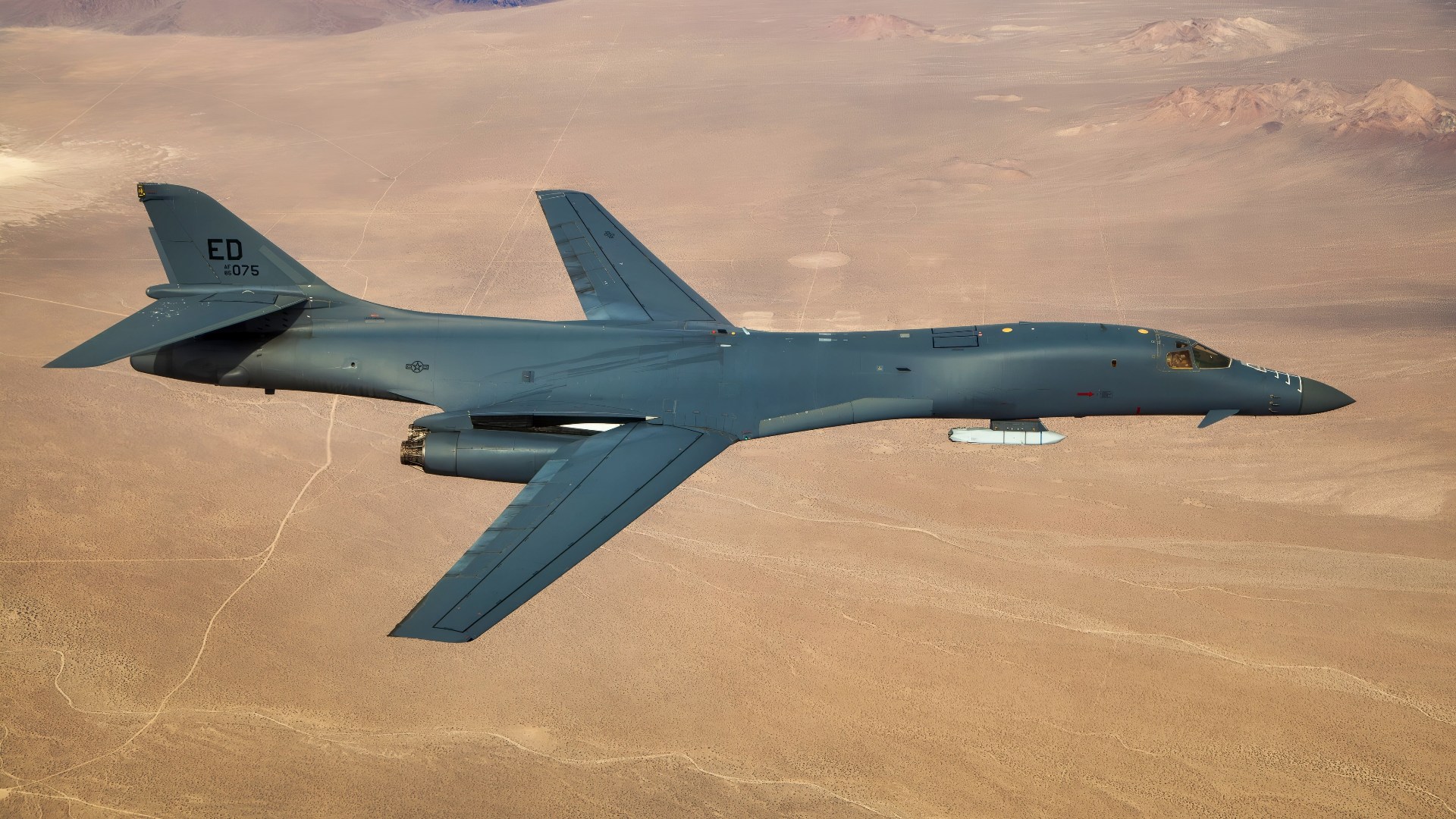
A B-1B Lancer with a Joint Air-to-Surface Standoff Missile (JASSM) flies in the skies above Edwards Air Force Base, California, Nov. 20. The flight was a demonstration of the B-1B’s external weapons carriage capabilities. (Air Force photo by Ethan Wagner)
The leaders also called for diversification of energy supply routes to reduce global vulnerability to the Strait of Hormuz, urging Canada to increase oil production.
Is The Strait Of Hormuz Open? Iran Sends Tankers Through
While the Strait of Hormuz is still considered closed by Iran, Iranian press television has reported that three oil tankers and two cargo vessels carrying Iranian goods successfully breached the naval blockade imposed on Iran, claiming that the process of lifting the US maritime blockade has begun.
However, the Joint Maritime Information Center, a service run by the U.S. Navy to issue security updates and risk assessments for commercial shipping, said Monday that the U.S. blockade of Iranian ports will remain in place until the ceasefire agreement is formally implemented on June 19.
Although President Trump has urged oil tankers to pass through the Strait, saying it is open to traffic, shipping companies are wary of resuming transit through the key waterway, as the Strait still contains Iranian mines.
Some US government officials say that 25 ships a day are now passing and expect to reach 50 ships a day “pretty quickly.”
The Conflict May Not Be Over
President Trump’s comments aside, which may have been nothing more than responding to Iranian hardliners’ comments, there are still reasons for concern that the conflict may not be over.
Iran’s insistence that, after 60 days, they will institute “fees” for transiting the Strait still constitutes a toll, which is completely unacceptable, and there cannot be any waffling on this issue.
And the continuing conflict in Lebanon between Israel and Hezbollah, which Iran has tied to the peace agreement, continues to be a major issue. Iran has steadfastly refused to rein in its proxies’ attacks on Israel.
Israel conducted airstrikes in southern Lebanon on Wednesday, on the outskirts of Kfar Tebnit, also in the Nabatieh district.
They also launched raids on the town of Nabatieh al-Fawqa and shelled the Ali al-Taher heights and the outskirts of the town, according to a post on al-Jazeera.
Hezbollah has launched rocket and drone attacks on Israeli troops, wounding at least five, in the same areas as the two sides continue fighting.
Israeli officials have said they will not be bound in Lebanon by the terms of the tentative Iran-US peace agreement.
About the Author: Steve Balestrieri
Steve Balestrieri is a National Security Columnist. He served as a US Army Special Forces NCO and Warrant Officer. In addition to writing on defense, he covers the NFL for PatsFans.com and is a member of the Pro Football Writers of America (PFWA). His work was regularly featured in many military publications.


