


Summary and Key Points: Ukrainian long-range drones have struck 24 of Russia’s 33 major oil refineries since 2022, knocking out roughly a quarter of national fuel production and a third of gasoline output.
-Total damage to Russian oil infrastructure now exceeds $13 billion.

Ukraine Switchblade Drone. Image Credit: Creative Commons.
-Ukraine has also destroyed up to 300 Russian air defense units a month, opening the way for deeper strikes — including a 600-drone assault on Moscow in mid-May and a first-time airport closure in Kaliningrad.
Ukraine Is Making Russia’s Oil Industries Pay
Ukraine’s escalating long-range drone and missile strikes have increasingly crippled Russia’s economic and logistical foundations.
Kyiv has systematically targeted Russia’s oil infrastructure, supply chains, and military-industrial sites.
Ukrainian long-range drone strikes have disabled nearly all processing facilities in Central Russia, knocking out 25 percent of the country’s fuel production capacity.
With nearly a third of gasoline and a quarter of diesel output impacted, the strikes aim to cripple Moscow’s war economy and restrict battlefield logistics.
This is changing the entire outlook of the war, as the tide has turned toward a possible Ukrainian victory.
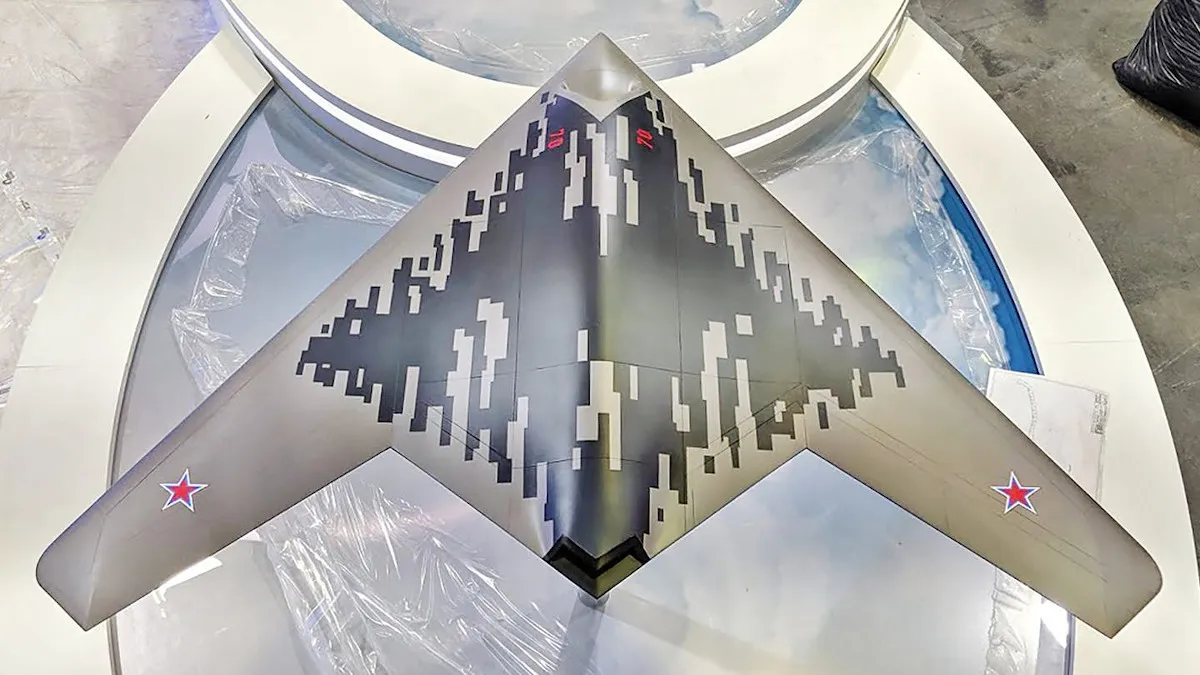
S-70 Drone VIA X Screenshot. Image Credit: X Screenshot.
Ukrainian Drones Have Hit 24 Of Russia’s Major Oil Refineries
Since the Russians invaded Ukraine in February 2022, the Ukrainians have conducted at least 158 strikes against Russian oil refineries. And those strikes have been conducted against 24 of 33 major Russian refineries.
Those attacks have intensified in the past year. Up to this point in 2026, Ukrainian drone strikes against oil facilities have already surpassed all of 2024.
Evgeny Borovikov, deputy CEO of the Russian insurance broker Mains, said that direct damage to oil and gas infrastructure from drone attacks exceeded 100 billion rubles (around $1.1 billion).
He added that when other economic effects are taken into account—including lost production and secondary disruptions—the total impact rises above 1 trillion rubles (approximately $13 billion).
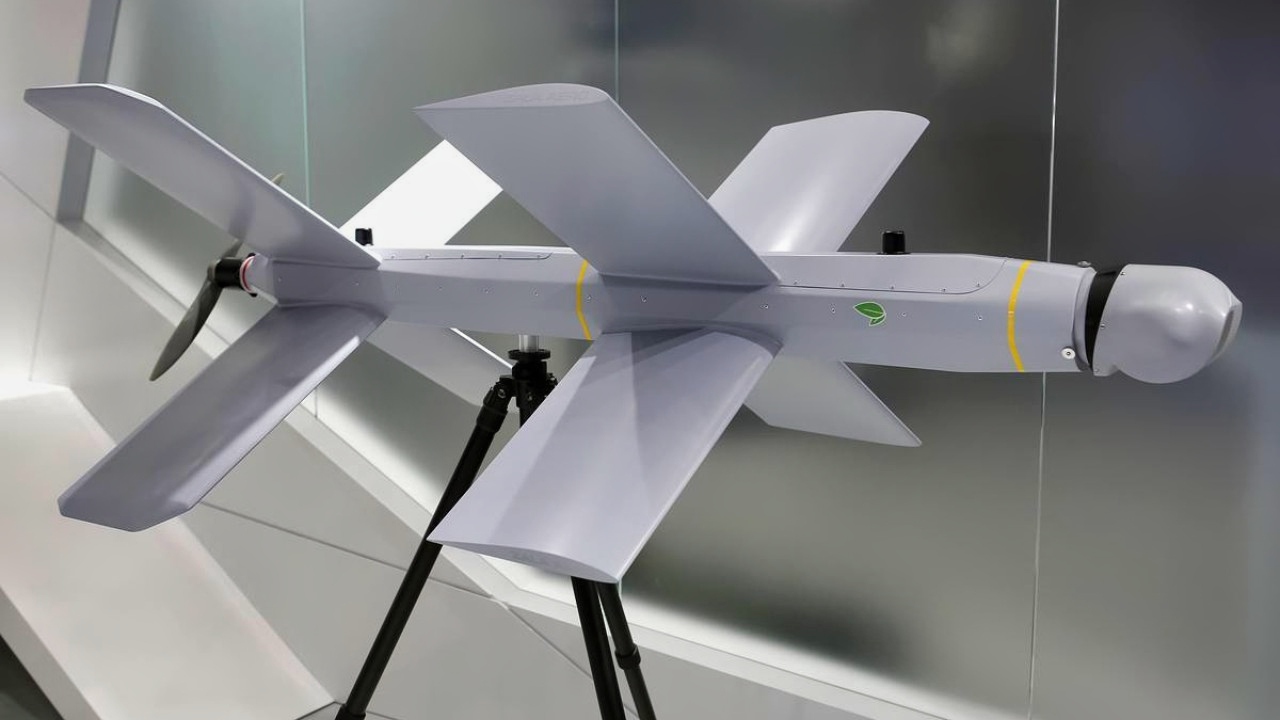
Lancet Drone. Image Credit: Russian State Media.
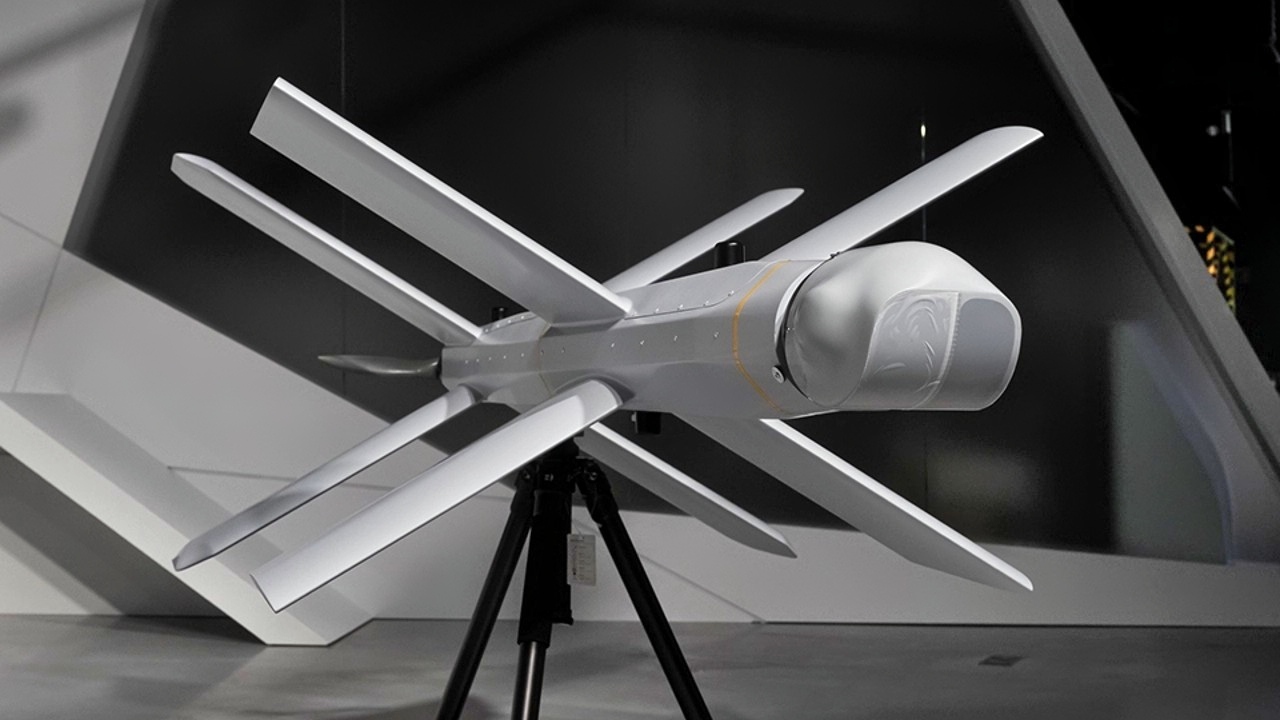
Lancet Drone from Russia. Image Credit: Creative Commons.
Russia’s economy relies on oil and gas taxes for 25 percent of its budget. It is already stretched tight, and this loss of revenue will stretch it to the breaking point.
Ukrainian drone attacks continue to target Moscow’s oil production facilities, effectively shutting down the Syzran Oil Refinery, which refines about 170,000 barrels a day. Six of Russia’s ten oil refineries were forced to shut down production, at least for a short time.
Western Economic Warfare Targets Russian Oil Industry
Beyond Ukraine’s direct kinetic attacks, international sanctions continue to target Russian energy revenue, hampering an already stretched Russian economy and its ability to fund the war in Ukraine.
The European Union imposed bans on short-term contracts for Russian liquefied natural gas (LNG), forcing Moscow to seek alternative Asian markets and secure new transport fleets.
The measures prohibit spot-market imports, ban the use of EU terminals for transshipping and re-exporting Russian LNG to non-EU countries, and phase out the remaining long-term supply contracts by January 2027.
Ukrainian Drone and Missile Strikes Are Destroying The Economy
Ukrainian drone strikes have increasingly hit deep inside Russia, and the Institute for the Study of War reported that in addition to attacks on the oil industry, Russian authorities are being forced to restrict the use of airspace in the Moscow air zone.
The Russian Aircraft Owners and Pilots Association (AOPA) claimed on May 25 that Russian authorities will begin prohibiting civilian flights in the Moscow air zone at altitudes from 0 to 5,100 meters starting on June 1.
Russian authorities closed the Kaliningrad airport for a few hours due to a reported drone threat for the first time on May 25. That is significant, as the airport’s location, over 800 kilometers from Ukrainian-controlled territory and bordered by NATO states, underscores the growing reach of Ukraine’s drones.
One drone strike targeting a navigation service in Rostov-on-Don resulted in the suspension of air service at 13 major Russian airports.
“Middle Strike” Drones Have Hammered Targets Deep In Russia
The Ukrainian drone attacks are savaging Russia’s air defense networks. According to United24, drones destroyed more than 250 air defense units in April; in March and February, the figures were similar—up to 300 units each month.
The destruction of Moscow’s air defenses is the basis of Ukraine’s Middle Strike Drone strategy and allows it to hit targets deeper inside Russia.
These Middle Strike attacks are less expensive than traditional missile systems and can be manufactured in greater numbers. The attacks are scalable and enable daily strikes against targets that sustain the Russian military.
And they enable deeper-strike operations, especially when Russian air defenses are neutralized.
The “Middle Strike” refers to the range between battlefield first-person-view (FPV) tactical drones and the long-range deep-strike missile systems.
These fixed-wing drones have eviscerated Moscow’s air defenses, allowing for deeper and more successful strikes against Russian infrastructure. This includes weapons and ammunition depots, warehouses, and command posts.
The ISW reported that since early May, Ukrainian “intensified intermediate-range strikes” (Middle Strike Drone attacks) have targeted Russian logistics at operational depths ahead of a planned Ukrainian maneuver.
Ukrainian forces notably began in May 2026 to interdict key Russian ground lines of communication (GLOCs) in occupied Donetsk, Zaporizhzhia, and Kherson oblasts. They have also limited Russia’s use of many of the main resupply routes it relies on.
These attacks have basically isolated the entire Crimean peninsula, as Moscow is wary of sending equipment, large troop concentrations, and ships to the ports there, lest they be attacked with virtual impunity.
Middle-strike drone strikes aren’t limited to Crimea. In mid-May, Ukraine sent more than 600 drones on an attack on Moscow itself. The targets struck by the Ukrainian drones included the Moscow Oil Refinery, the Solnechnogorskaya fuel-loading station, the Volodarskaya petroleum-product pumping station, and the Angstrem microelectronics plant in Zelenograd, outside Moscow.
Russia Is Powerless To Stop These Attacks
Russia, thus far, has been powerless to stop the Ukrainian drone attacks. If anything, they are only growing in size and effectiveness.
The campaign has been bolstered by tech-forward adaptations, such as the Hornet drone, which utilizes AI-assisted targeting and Starlink communications to maintain fire control over occupied territories.
These strikes have had a profound psychological effect on civilians. Deep strikes inside Russia are increasingly common, forcing the Russian populace to confront a war they previously believed they were immune to.
It is showing the population that the rosy proclamations that their “special military operation” is progressing according to plan are total hogwash.
About the Author: Steve Balestrieri
Steve Balestrieri is a National Security Columnist. He served as a US Army Special Forces NCO and Warrant Officer. In addition to writing on defense, he covers the NFL for PatsFans.com and is a member of the Pro Football Writers of America (PFWA). His work was regularly featured in many military publications.


AllahsHappyaHalalPorkEmporium
May 28, 2026 at 9:50 pm
Gloat, you and your Ukra-Nazi pals, Sleazenskyyy’s neo-Nazi drones may be scoring some targets for now but from his civilian targeting it appears that Putin has finally woke from whatever restraining stupor he was wallowing in!
Watch carefully now, Russia will tighten its grip on the Ukranazi”nazi drone manufacturing until it’s neutered!
Russia win the WIN THIS SMO!
Filthy Ukranian Nazis!
The Ziokyke Uke-Nazis wanted to war with Russia, they got it!!!