

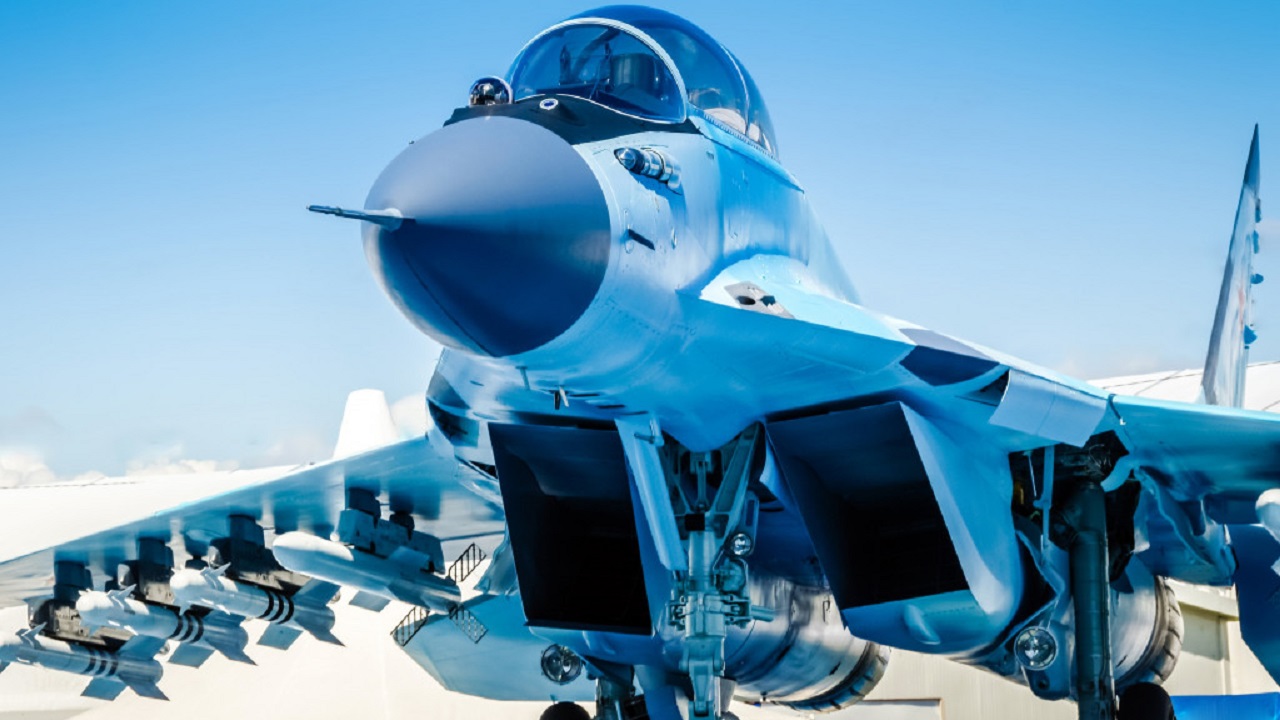
Key Points and Summary – Marketed as a “4+++ generation” bridge fighter, Russia’s MiG-35 has failed to win exports—or even a clear role at home.
-Despite upgraded avionics and weapons over the MiG-29, the airframe inherits core limits: modest fuel, cramped growth space, minimal stealth, and sustainment headaches.

MiG-35 Creative Commons Image.
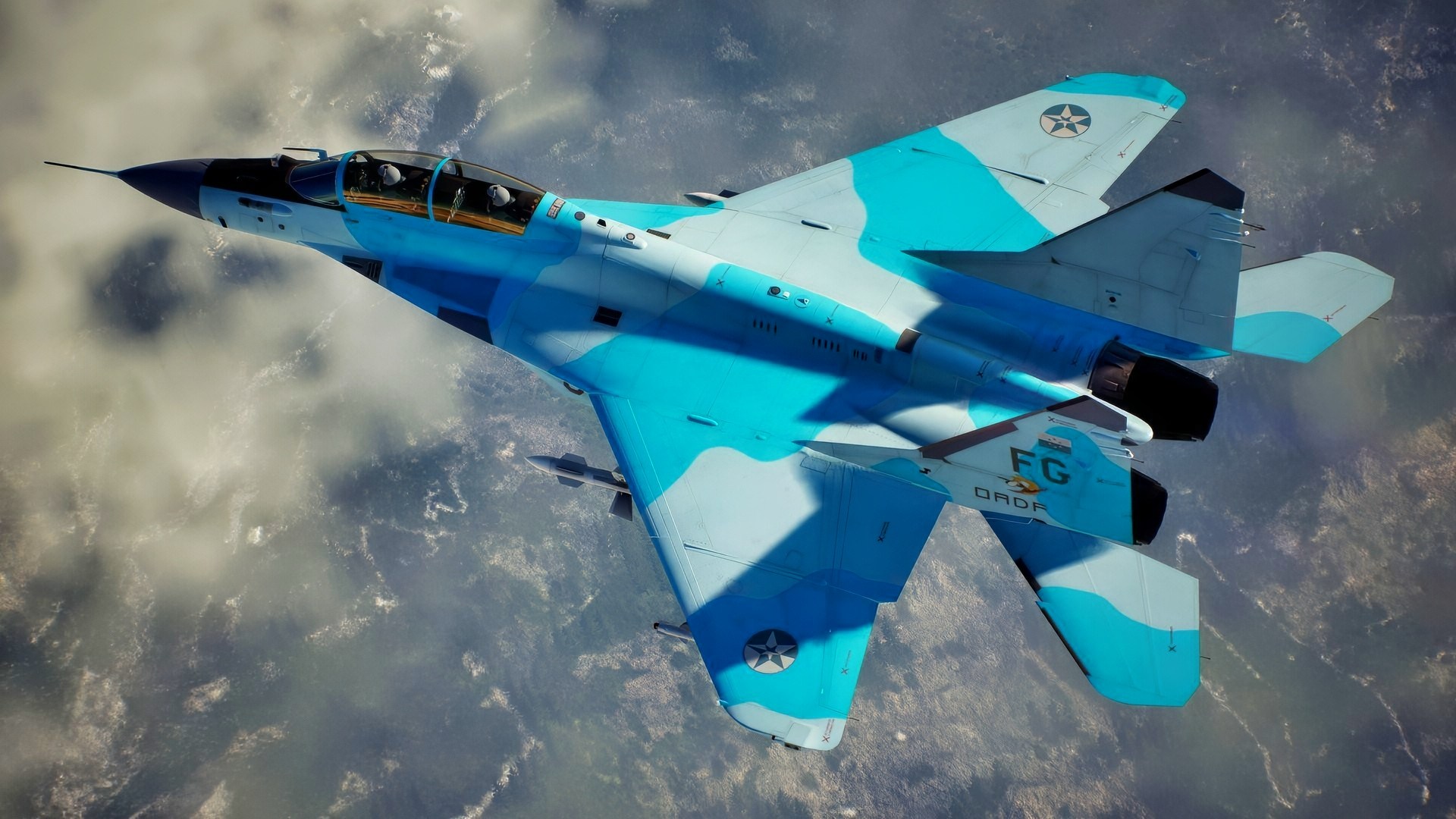
MiG-35 Fighter Creative Commons Image.
-Competing jets offered better value and support, while sanctions, spares risks, and Ukraine-driven production strain further chilled demand. The VKS ordered 24 in 2017; only about six exist, mostly for the Strizhi demo team.
-India, Malaysia, Argentina, and Bangladesh passed; Vietnam is unlikely to bite. Pushing “large-scale” production now signals industry strain, not a turnaround.
Why Has The MiG-35 Failed To Generate Support On The Export Market?
The Russian Air Force’s MiG-35 was designed to be a replacement for the MiG-29, but it has been a failure.
The Russians tried and failed to generate interest in the foreign marketplace even as Russia pushed it as a 4+++ generation aircraft, bridging the gap between older fourth-generation aircraft and cutting-edge fifth-generation platforms.
But the aircraft’s underwhelming performance and high costs have doomed the hope to sell it to foreign nations.
To date, Russia has only built six. And those six have been used by the Russian Strizhi aerobatic demonstration team, presumably to drum up foreign sales, but no one wants them.
Foreign Sales Have Not Attracted Buyers:
The MiG-35 has experienced poor export sales due to a combination of factors, including competition from other aircraft, technical compromises, and a lack of a clear role for the aircraft in Russia’s own air force. The war in Ukraine has further hampered its export potential by diverting resources and damaging Russia’s ability to fulfill international contracts.
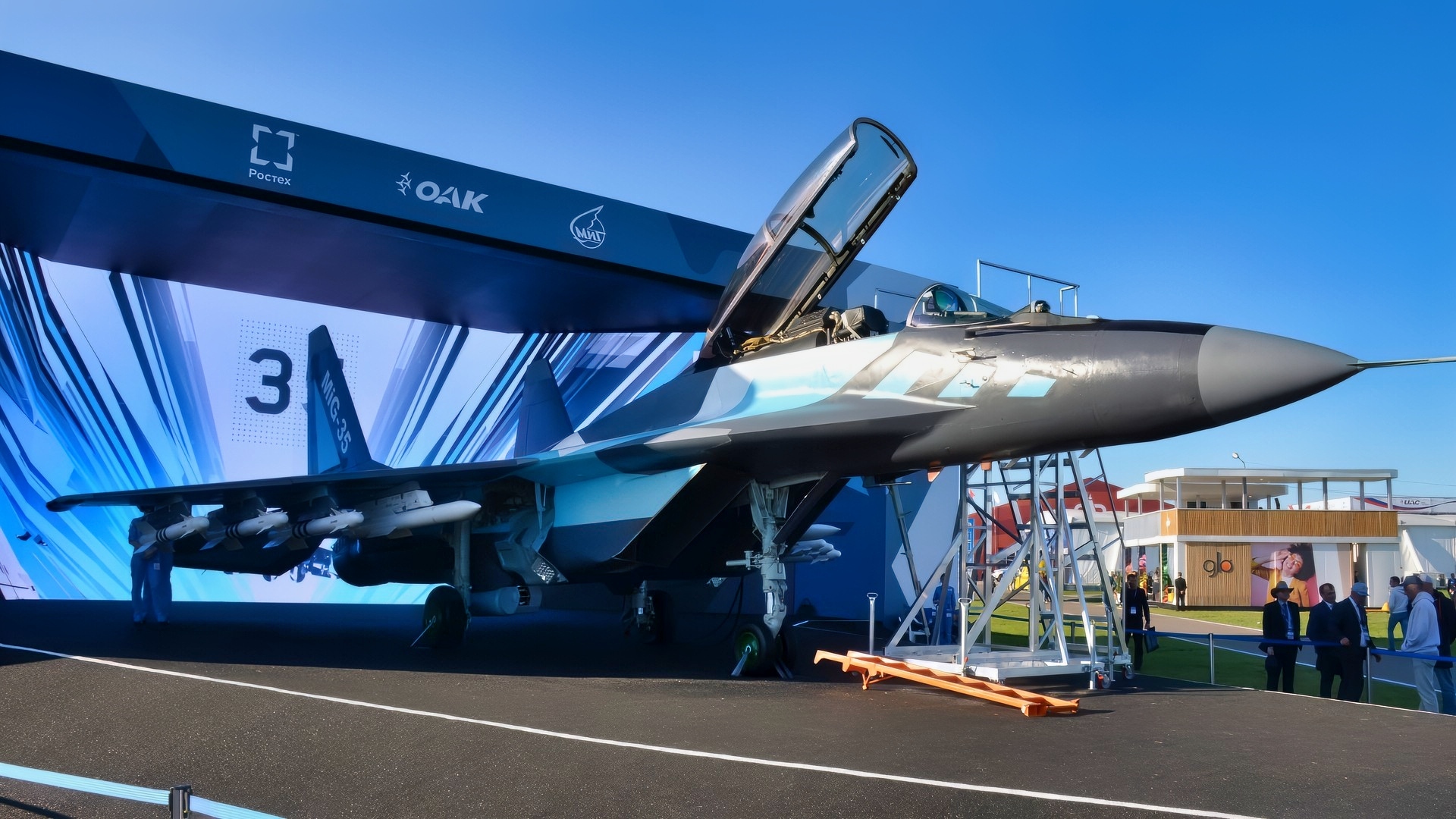
MiG-35 Fighter from Russia. Image Credit: Creative Commons.
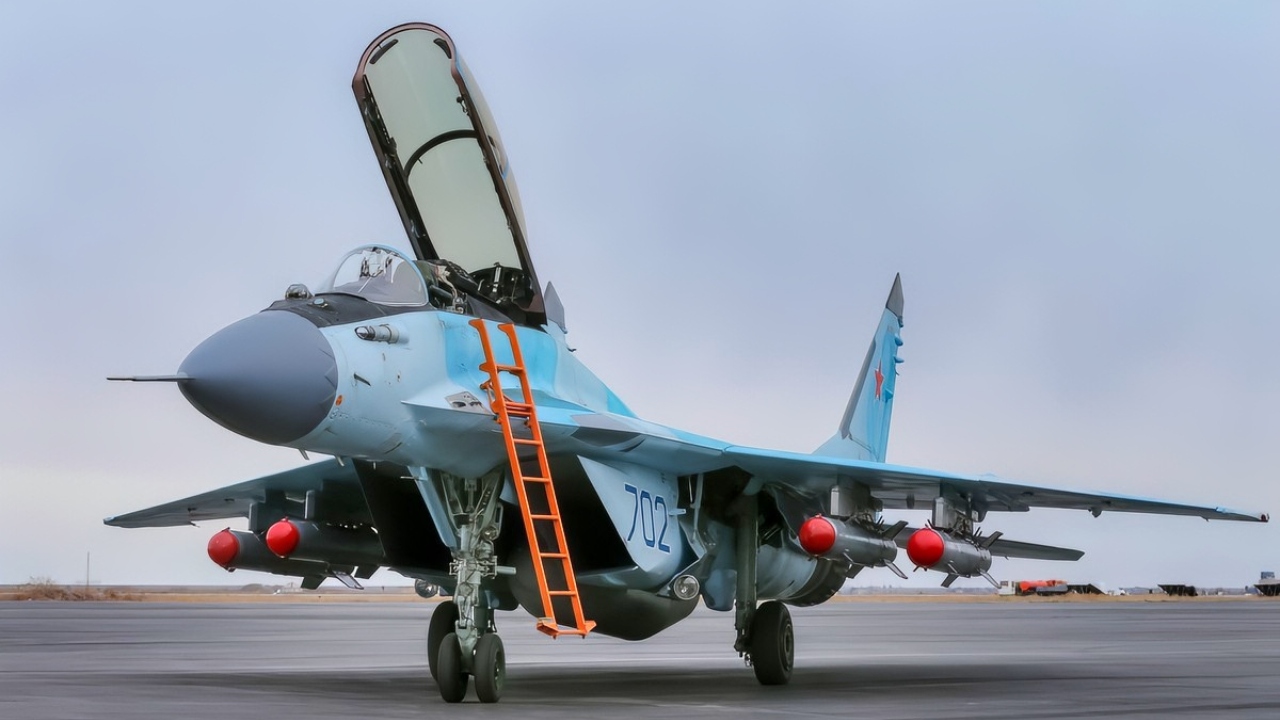
MiG-35 On the Runway. Image Credit: Creative Commons.
The MiG-35 Was Not The Answer To The US F-35 Or The F-15EX:
The MiG-35 was supposed to be the Russian answer to the American-built F-35. However, this has been far more hype or marketing plan than any actual truth. Designed as somewhat of an answer to the F-16 rather than the newer stealth Joint Strike Fighter, the airframe simply doesn’t measure up.
In a review of the aircraft, The War Zone wrote, “The MiG-35 is a far cry from the basic and strictly limited capability MiG-29.” However, despite the advancements in the cockpit, radar, sensors, and other features, it is still, in essence, a MiG-29.
The MiG-35 is just another old Russian Cold War design with minimal stealth technology and has suffered from extended testing, a lack of spare parts, logistical backlogs, and concerns.
Like the F-15EX, armaments, the MiG-35 can carry a range of missiles, bombs, and rockets with its nine hardpoints, including the Kh-31A anti-ship missiles, the Kh-31P anti-radar missiles, the Kh-29TE missiles, and the KAB-500Kr TV-guided bombs.
Additionally, the Fulcrum’s 30mm cannon can lug roughly 150 rounds of ammunition.
Factors Contributing To Poor Export Sales:
Competition from other aircraft: Potential buyers have often found more attractive deals with competing aircraft from different countries. For example, Egypt, a potential customer, ultimately chose to buy more MiG-29M fighters instead of the MiG-35.
India has just closed the door on buying the MiG-35. Southeast Asia has no orders forthcoming. Sanctions have affected finance, spares pipelines, and insurance. The MiG-35 was seen as less attractive than competing platforms due to a combination of cost concerns and technical compromises.
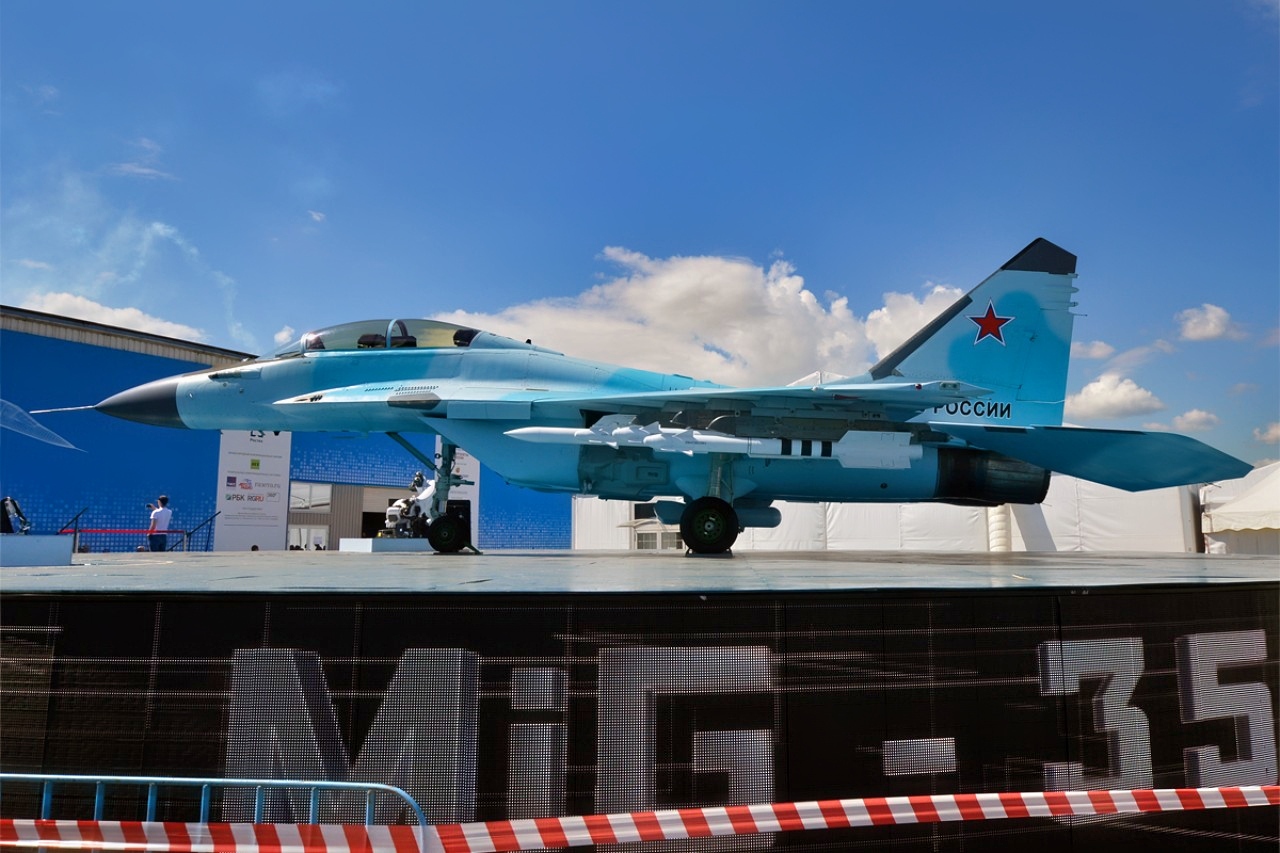
MiG-35. Image Credit: Creative Commons.
The MiG-35 inherits the MiG-29’s fundamental design compromises, including limited internal fuel capacity, modest sensor and cooling volumes, and crowded wiring runs that hinder growth.
Lack Of a Clear Role:
The MiG-35’s role within Russia’s Frontal Aviation was never clearly defined, as heavier fighters like the Su-35S and Su-30SM dominated the fleet. This made the aircraft less attractive to potential foreign buyers.
Russia’s full-scale invasion of Ukraine has consumed its resources and ability to produce and deliver weapons to other countries, severely curtailing new export deals.
The MiG-35 was marketed as a cheaper alternative to heavyweight fighters, but a combination of cost factors and technical compromises made it less attractive than competitors.
Low Production Numbers:
The lack of export success and Russia’s limited purchases have led to low production numbers, which, in turn, make the aircraft less desirable to potential buyers.
The Russian Aerospace Forces (VKS) ordered the MiG-35 in 2017, with 24 jets to be delivered by the end of 2027. To date, only a half dozen aircraft have actually been produced. Additionally, no export customers had expressed serious interest in the MiG-35.
Shortly before departing his position as the head of the United Aircraft-Building Corporation (OAK), Yuri Slyusar confirmed that the latest version of the MiG-35, now designated as a “4+++ generation fighter,” would begin large-scale production in 2025.
As of late 2025, Russia is reportedly pushing for large-scale production of the MiG-35 to fill fleet gaps, a development seen as a response to combat losses in Ukraine.
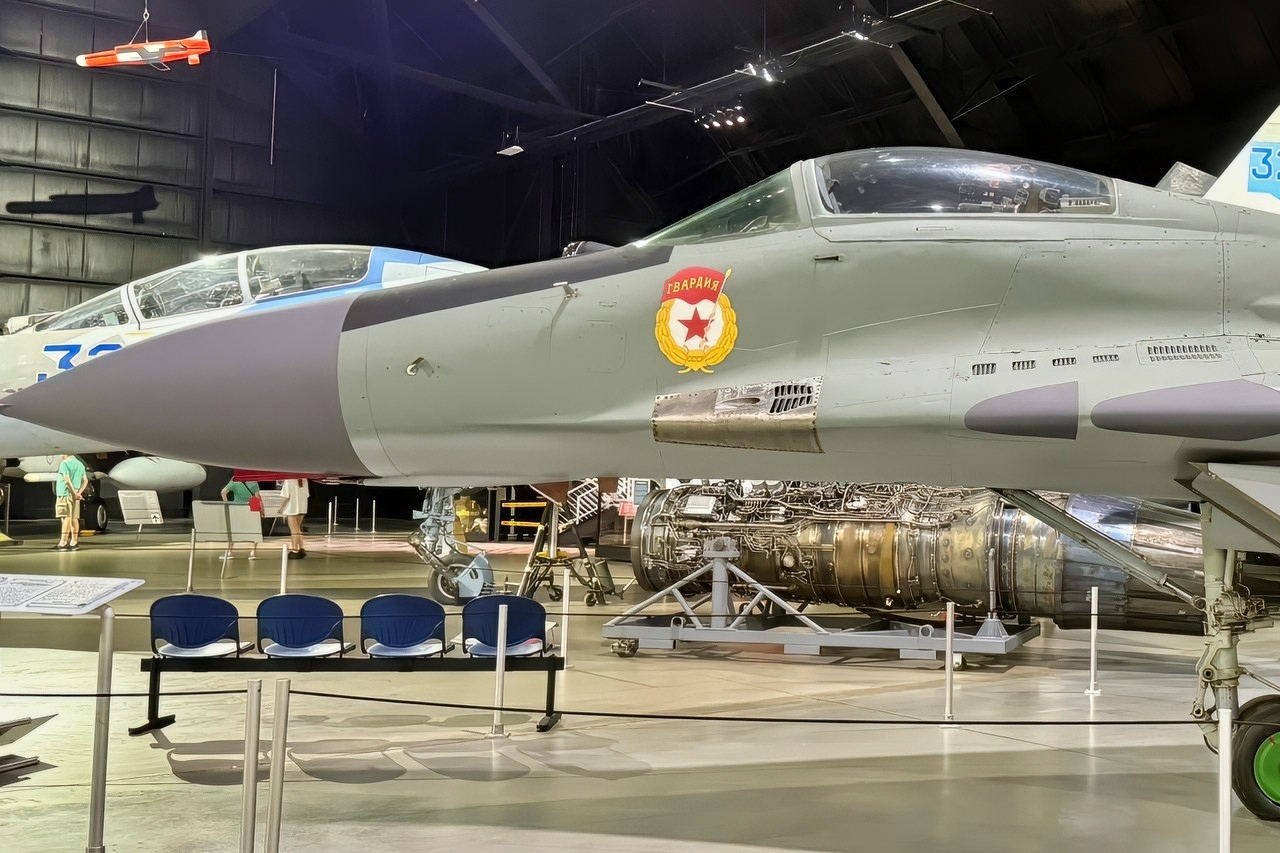
MiG-29 National Security Journal Photo Taken in July 2025.
This push is viewed by some as a sign of the deteriorating state of Russia’s aerospace industry rather than a step forward for the program.
The future of the MiG-35 remains uncertain, especially as future aircraft will likely emphasize stealth features. The MiG-35 has already failed to secure Foreign Military Sales bids with India, Argentina, Bangladesh, and Malaysia.
The Russians are trying to entice the Vietnamese People’s Air Force to purchase the MiG-35 to replace its aging MiG-21 “Fishbed” and Su-22 “Fitter” fleets, but given the MiG-35’s track record, it won’t happen.
About the Author: Steve Balestrieri
Steve Balestrieri is a National Security Columnist. He served as a US Army Special Forces NCO and Warrant Officer. In addition to writing on defense, he covers the NFL for PatsFans.com and is a member of the Pro Football Writers of America (PFWA). His work was regularly featured in many military publications
More Military
The British Army’s Big Challenger 3 Tank Mistake Still Stings
F-35 Stealth Fighter Program Has Passed the Point of No Return
The Iowa-Class Battleships Have A Message for Any Navy on Earth
Canada Has a Big Message for the Eurofighter Typhoon
The Mach 2 F-16 Fighting Falcon Fighter Has a Message for the U.S. Air Force


