
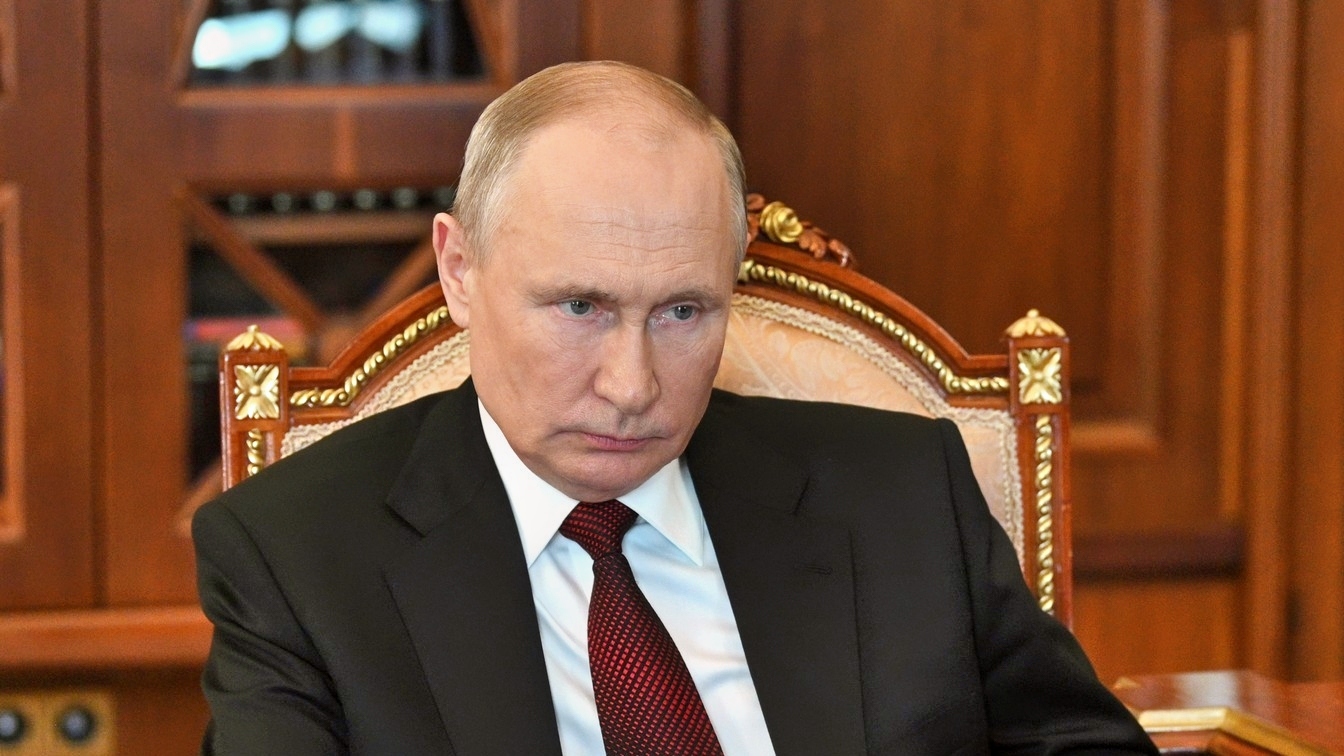
Ukraine’s long-range strike campaign escalated again this week, with Russia confirming on Thursday that a major oil refinery in Moscow had been struck.
The enormous strike caused a major explosion, sending the lid of a fuel storage tank flying hundreds of feet into the air.
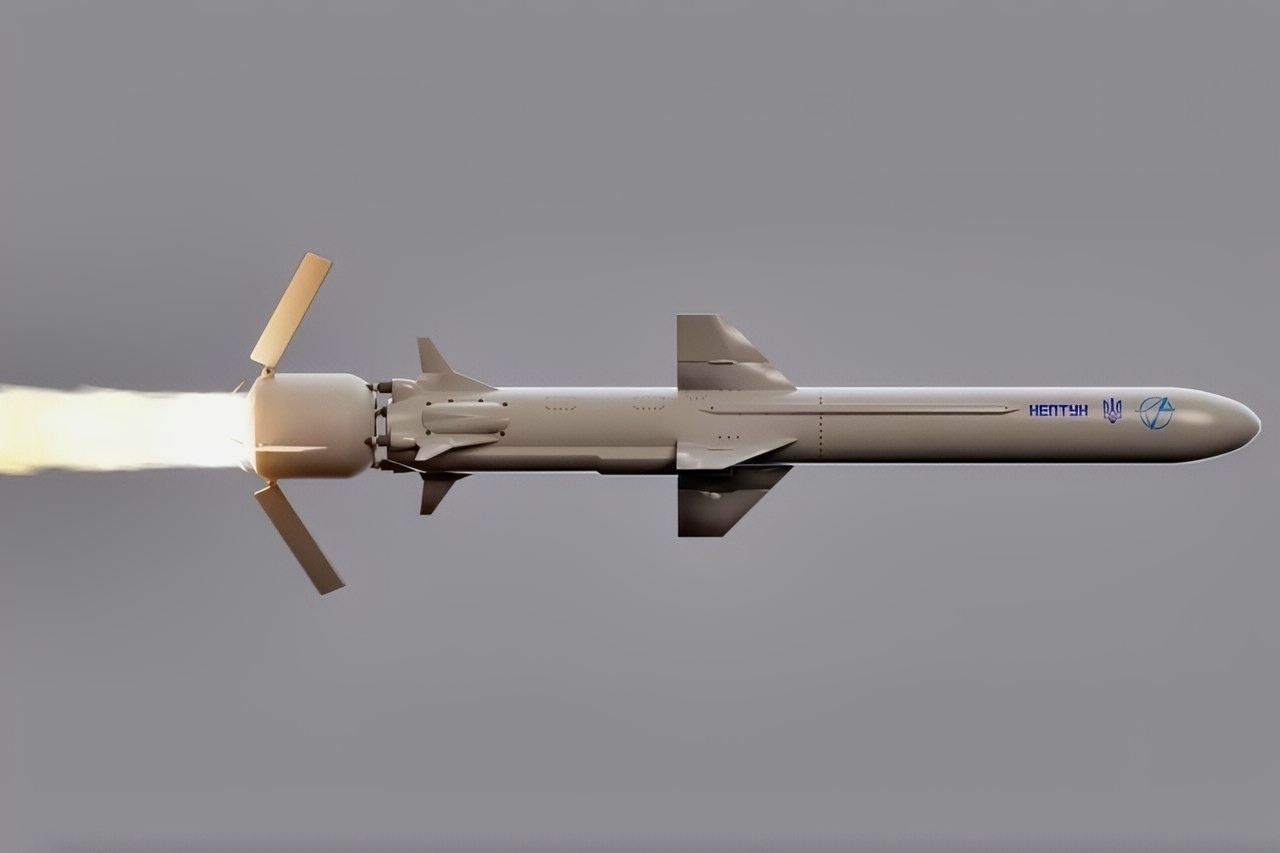
Neptune Missile. Image Credit: Government of Ukraine.
It is the second major strike on Russian oil refineries this week, and easily one of the biggest launched since the beginning of the war.
Ukrainian President Volodymyr Zelenskyy once again described the strikes as part of a campaign of “long-range sanctions.”
What Just Happened
Russian emergency services responded to fires that broke out at the Gazprom Neft-owned Moscow refinery in Kapotnya, in the southeast of the capital city, after several Ukrainian drones penetrated the city’s air defenses.
According to Moscow Mayor Sergei Sobyanin, almost 200 drones were intercepted over the city, but viral video footage showed the moment at least one drone successfully struck the facility.
The video showed plumes of thick black smoke and a major blast, with a circular lid being lifted vertically into the air.
The Moscow refinery is one of the biggest and most symbolic targets hit by the Ukrainians yet. The facility processed roughly 11.6 million metric tons of crude in 2024, producing 2.9 million tons of gasoline and 3.2 million tons of diesel.

T-64 Tank. Image Credit: Creative Commons.
Its Euro+ refining unit alone is said to produce up to 140,000 barrels per day, while the CDU-6 unit, which was hit in a separate strike earlier this week, accounted for another 160,000 barrels per day.
The facility is only nine miles from the Kremlin.
According to reports, Thursday’s strike hit the Euro+ unit, as well as secondary-processing equipment and storage tanks containing petroleum products.
The strike is particularly disastrous for Moscow, as it hit the facility expected to be relied upon during repairs to CDU-6. The latest round of strikes also went beyond Moscow, with Ukrainian forces striking an oil depot in Russia’s Rostov region.
What Zelenskyy Said
Zelenskyy confirmed in a statement on Thursday, June 18, that missiles struck a Moscow oil refinery and other targets throughout the Rostov region.
The Ukrainian president described the move as a “justified response” to Russian attacks on Ukrainian cities and communities – a reference to recent and ongoing barrages of missile and drone strikes that have impacted most major urban population centers in the country in recent weeks and months.
Zelenskyy also suggested that the strikes were intended to impact Russia’s war machine.
The Ukrainian leader also put fresh pressure on Moscow to come to the negotiating table, echoing his call in a recent open letter to Russian President Vladimir Putin.
“In recent days, all of our partners have noted the precision and effectiveness of our mid-range strikes and long-range sanctions,” Zelenskyy said. “It is time the war ended, and Russia must take the necessary steps in diplomacy.”
Kremlin Officials Threaten Escalation
Predictably, Russian officials have threatened to escalate the conflict in Ukraine after the strike. Russian Foreign Minister Sergei Lavrov has since warned of “massive coordinated strikes on a regular basis,” indicating that recent predictions of a looming Russian escalation were right.
Meanwhile, State Duma deputy Andrew Gurulyov called on Moscow to “strike the enemy mercilessly.”
It means that Russia may now be inclined to continue expending more advanced, high-value weapons like the Zircon missile to strike the heart of Ukrainian cities, including its capital, Kyiv.
In recent weeks, Russian strikes have grown more intense. On June 17, Russia launched one of its largest attacks on Kyiv this year, firing more than 440 drones and 32 missiles in a single overnight attack.
The strikes reportedly killed 28 people and wounded more than 100, targeting residential buildings and educational facilities as well as critical infrastructure.
The strike also followed another major nationwide attack on June 2, which saw 656 drones and 73 missiles target Kyiv, Dnipro, Kharkiv, Poltava, and Zaporizhzhia.
How Ukraine Keeps Hitting Russia
The strikes not only prove that Ukraine is growing increasingly capable of striking high-value targets deep inside Russia, but are also indicative of a trend: Russia is struggling to intercept Ukrainian missiles and drones.
This month, Ukrainian sources told CBS News that Russia is running low on S-300 missile interceptors. According to the unnamed Ukrainian officials, Russia is struggling to replenish its stock of interceptors for its S-300 surface-to-air missile system – an aging Soviet-era system that has formed the backbone of Russia’s air defenses for decades.
According to the Ukrainian intelligence services, Russia had more than 400 interceptors available for S-300 and S-400 air defense systems in 2025.
Every time an interceptor is discharged to prevent an incoming attack, the stock is depleted.
With Ukraine now producing its own long-range weapons like the FP-5 Flamingo, and regularly deploying barrages of hundreds of Ukrainian-made attack drones, defending Russian infrastructure is becoming increasingly difficult.
About the Author: Jack Buckby
Jack Buckby is a British researcher and analyst specializing in defense and national security, based in New York. His work focuses on military capability, procurement, and strategic competition, producing and editing analysis for policy and defense audiences. He brings extensive editorial experience, with a career output spanning over 1,000 articles at 19FortyFive and National Security Journal, and has previously authored books and papers on extremism and deradicalization.
CORRECTION: We have updated the number of Russian interceptors to 400.


Swamplaw Yankee
June 18, 2026 at 2:12 pm
Immediate retreat to the 2013 borders is urgently necessary for the Kremlin Muscovy elite like Putin!