

Marco Rubio has a word for the war in Ukraine. Stalemate.
The US Secretary of State told reporters in Lisbon on Thursday that the Russia-Ukraine war has hit a stalemate and that the Trump administration doesn’t see a military solution coming.
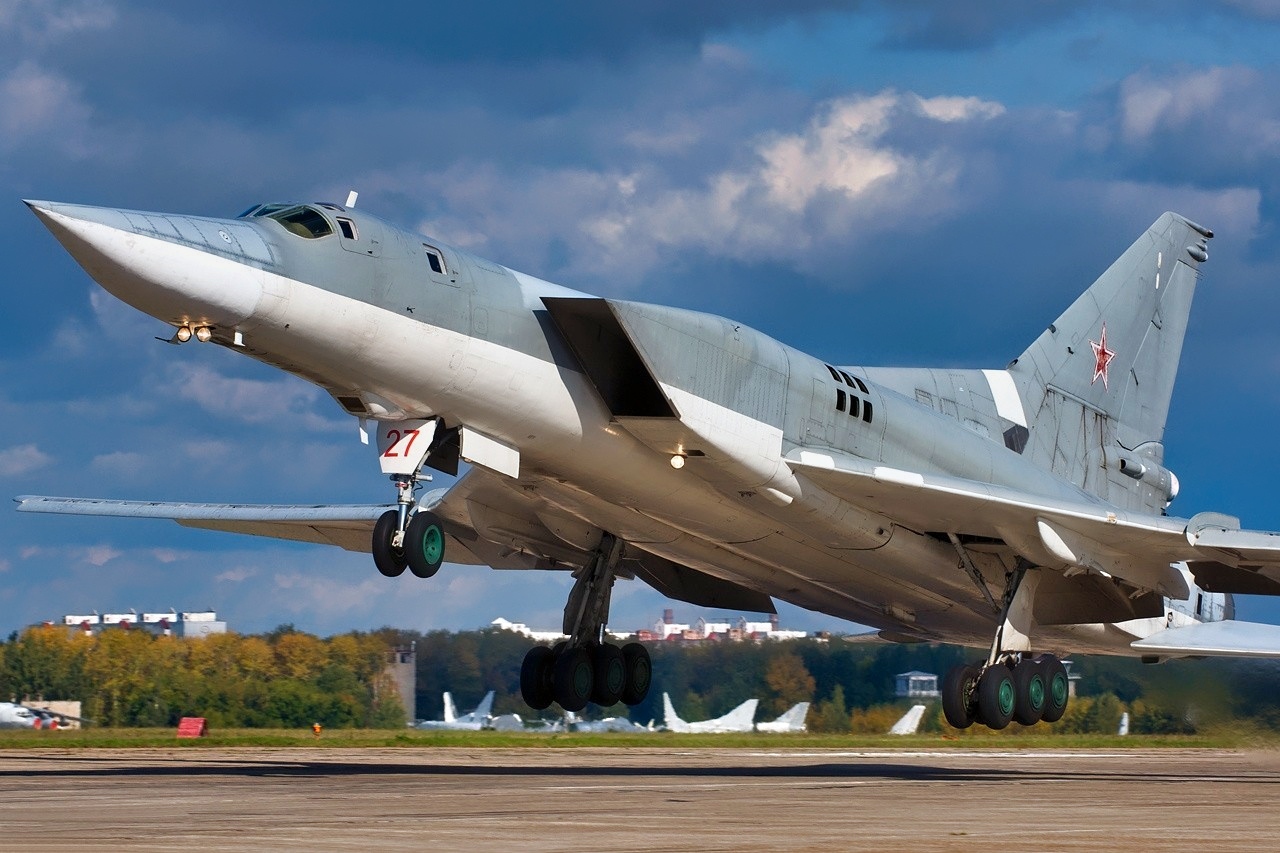
Tu-22M Backfire Bomber from Russia. Image Credit: Creative Commons.

Tu-22M3 Russian Bomber. Image Credit: Creative Commons.
As Politico reported, Rubio warned that “stalemates are very dangerous” and said the administration believes the war must end in a negotiated settlement, “the sooner the better.”
He added comments reported by Reuters, warning that escalation could take the form of a sabotage campaign against NATO countries bordering the fighting and turn a two-country war into a much wider regional conflict.
He said the United States stands ready to facilitate talks. However, he made it clear Washington won’t keep pouring time into “pointless processes” that go nowhere.
This is nothing new for Rubio. Back in November 2024, while still a Florida senator, he went on the Today show and said the US was funding a “stalemate war” that needed a negotiated conclusion.
At his confirmation hearing in January 2025, he called it a war of attrition and said there was no way Russia would conquer all of Ukraine.
Nearly two years later, the diagnosis remains the same.
Neither has the front line moved much.
Ukraine War: Stalemate Is The Honest Word For It
One can certainly argue about the Trump administration’s handling of the war in Ukraine; it has not been great. However, on the narrow question of what’s happening on the ground, Rubio’s description reflects reality.
Ukraine has punched well above its weight. Politico noted that Kyiv’s long-range drone strikes deep into Russia and its growing fleet of unmanned systems have allowed it to claw back territory.
Russia, meanwhile, keeps feeding men into the bloody meatgrinder. Rubio told Fox News in May that the Russians are losing 15,000 to 20,000 soldiers a month. Killed, not wounded.
For those keeping score at home, that’s somewhere between 180,000 and 240,000 dead a year, which is arguably inaccurate.
But no one can argue how bloody this has been for the Russian military.
For a few kilometers of Donbas.
This is the part people miss when they hear the word stalemate.
It sounds static, like two sides glaring at each other across a quiet line.
It’s anything but quiet.
A stalemate in a war of attrition still kills people every single day.
It just doesn’t move the map.
Rubio was blunt about the diplomatic side, too. He told reporters the war is in a “strategic stalemate” and that right now there don’t seem to be prospects for a negotiated deal.
The sticking point is the same one it’s been for a year.
Moscow wants all of Donetsk, including the parts its army hasn’t been able to take. Earlier this year, Russia said it wouldn’t return to talks unless Ukraine pulled its forces out of Donetsk and Luhansk entirely.
No Ukrainian government can sign that and survive.
So Why Hasn’t Diplomacy Worked?
It hasn’t been because they haven’t tried. Last November, the administration’s 28-point peace plan nearly blew up in Geneva after Army Secretary Dan Driscoll tried to strong-arm Kyiv into accepting it by Thanksgiving.
Politico reported then that Rubio stepped in and steadied the process, pulling Washington back toward its allies and away from Moscow’s talking points.
However, momentum died. Trilateral talks between Washington, Kyiv and Moscow effectively stalled once the US-Israeli conflict with Iran began in late February.
By May, Rubio admitted in Sweden that the negotiations weren’t happening.
When he met Russian Foreign Minister Sergei Lavrov in July, he said Russia’s proposals from Anchorage had failed because Ukraine couldn’t accept them.
The Kremlin’s response, via spokesman Dmitry Peskov, was that Kyiv’s terms will only get worse the longer it waits.
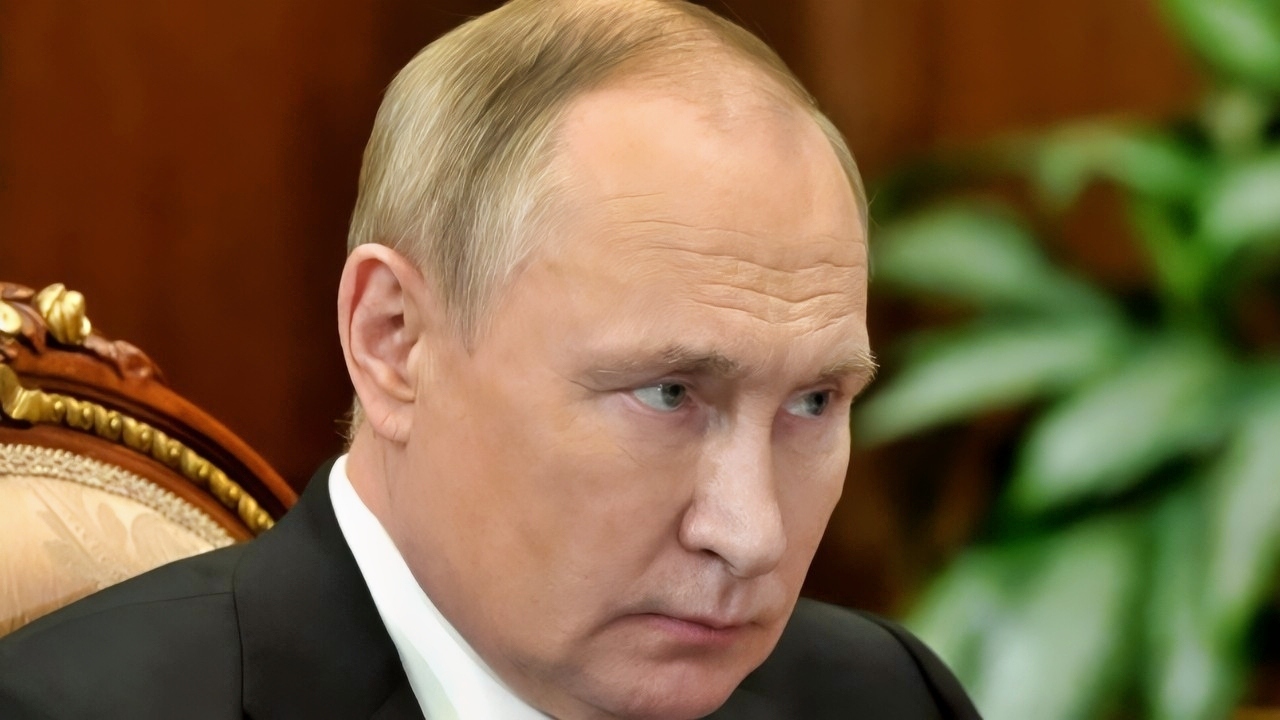
Russian President Vladimir Putin keeps getting rosy reports from the front that tell of impending Russian victory and the collapse of Ukrainian resistance. Putin is convinced they are winning.
That’s not a negotiating partner.
That’s a party waiting for the other side to run out of men or money.
It doesn’t help that the White House message keeps wandering. Politico pointed out that President Trump has lately blamed Ukrainian strikes on Russian energy infrastructure for high global diesel prices, ignoring that the seven-month conflict with Iran plays a bigger part in that.
The Kremlin Agrees, And That Should Worry Everyone
Here’s the twist. Peskov said Friday that Moscow agrees with Rubio that the war is stalemated.
When the Kremlin and the State Department are reading from the same page, it’s worth asking who wrote it.
The administration is trying once more. Steve Witkoff and Jared Kushner are meeting a Ukrainian delegation, including Kyrylo Budanov, Rustem Umerov, and David Arakhami, in Miami this weekend.
On the table, according to a US source, are security guarantees, a postwar prosperity plan and a push toward a unified proposal to end the war.
The security guarantee piece is the whole ballgame. Without something with teeth behind it, any ceasefire line becomes the starting line for Russia’s next offensive.
Ukrainians know that better than anyone. They signed the Budapest Memorandum, and they watched Minsk I and Minsk II get torn up.
The two problems are that Russia will not accept a meaningful security guarantee for Ukraine and will not negotiate in good faith.
Winter is also coming, and Rubio warned that Moscow appears ready to use it by hammering Ukraine’s energy grid again. Freezing civilians is a negotiating tactic for the Kremlin. It has been since 2022.
Rubio is right that stalemates are dangerous.
They push both sides to look for an edge, and the edges left in this war run straight through NATO airspace, Baltic undersea cables, and the power grid of a country heading into its fifth wartime winter.
Putin must know that he’d never survive Russia losing in Ukraine; therefore, the meatgrinder will continue.
Both sides now agree it’s a stalemate. Neither agrees on how to end it. The map still agrees with Rubio. The negotiators don’t.
About the Author: Steve Balestrieri
Steve Balestrieri is a National Security Columnist. He served as a US Army Special Forces NCO and Warrant Officer. In addition to writing on defense, he covers the NFL for PatsFans.com and is a member of the Pro Football Writers of America (PFWA). His work was regularly featured in many military publications.


