
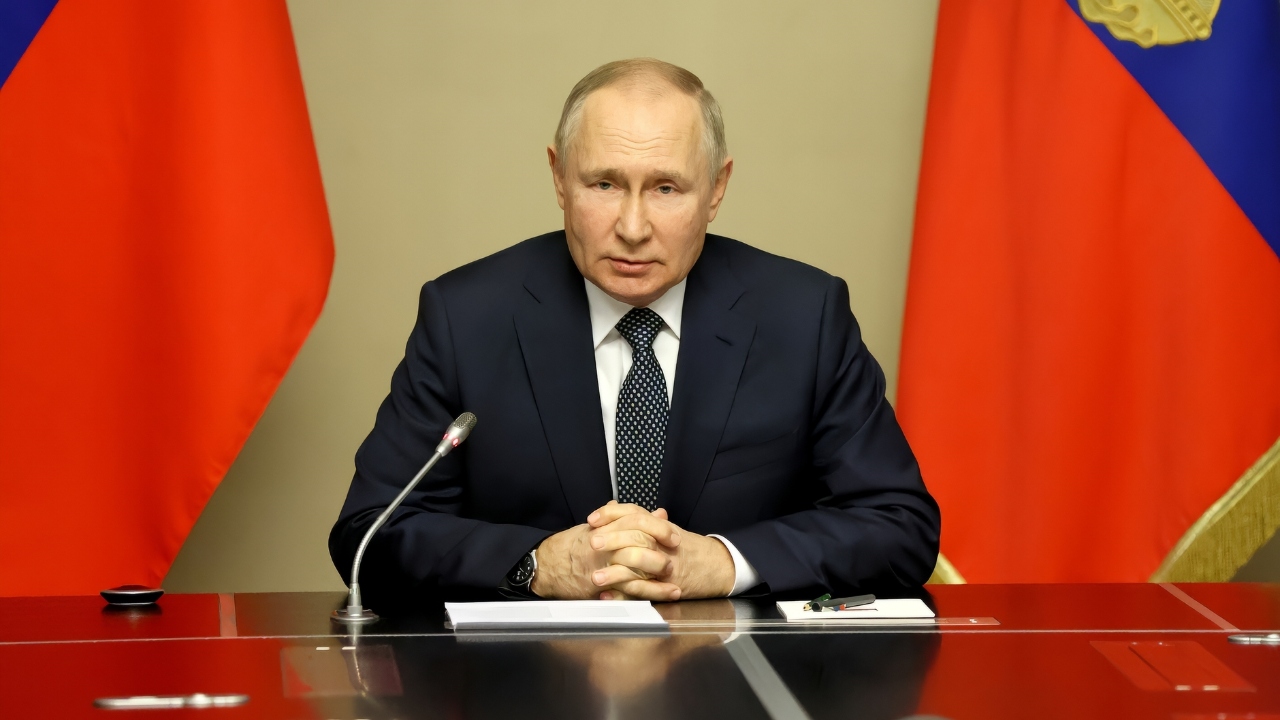
As Russia offers large signing bonuses and high salaries to attract new military recruits for its war in Ukraine, NATO Secretary General Mark Rutte has stepped in to address the issue and encourage young men to reject the offer. During a visit to Kyiv last week, Rutte said that young Russian men are being sent into a warzone without the necessary training and equipment to keep them safe, adding that they face a high likelihood of being killed or injured.
Rutte’s Message to Russian Families
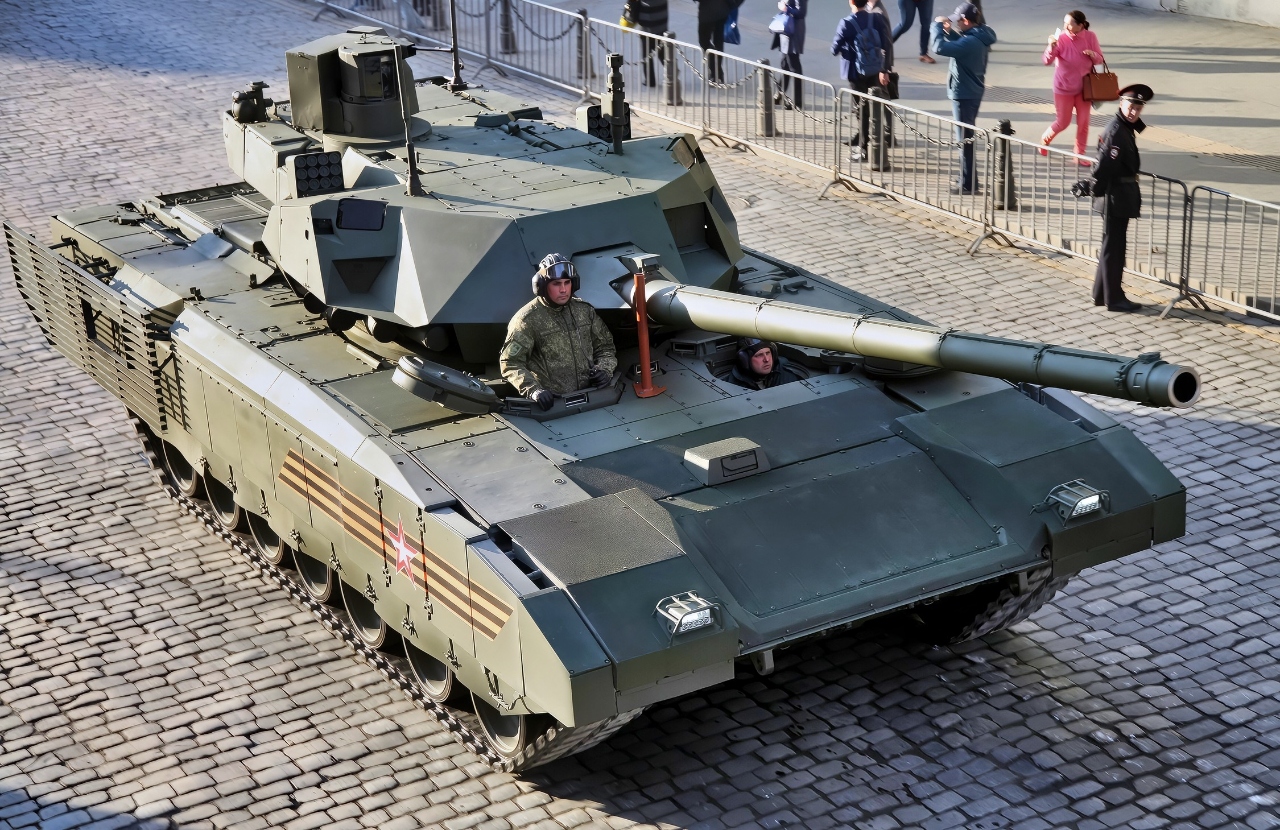
T-14 Armata Tank Russia. Image Credit: Creative Commons.

T-14 Armata. Image Credit: Creative Commons.
Speaking alongside Ukrainian President Volodymyr Zelenskyy in Kyiv last week, Rutte addressed Russian citizens directly.
“You are being sold a raw deal,” Rutte said in an address that he specifically aimed at “young Russians and their families.”
“Men like you who join the fight – you won’t be trained. The equipment they’ll provide you with is substandard. There is a very high chance you’ll die or be wounded while you’re out there,” he added.
He warned that recruits are not being fully prepared for war before they are sent to the frontline and that the equipment in use is not suitable for modern combat conditions. He also said that many soldiers, particularly those who are wounded, are often abandoned on the battlefield and left without any medical support.
“And odds are that if you are wounded, you will be left to suffer in the mud and die,” he said.
The NATO chief’s remarks are interesting because they were not aimed at the government of Russia or, indeed, its military leaders, but at young people who may be considering signing up for bonuses that could help their families amid Russia’s economic turmoil. With the war now having lasted years longer than the initial expectation of a weeks-long “special military operation,” Moscow continues to rely on a combination of financial incentives and volunteer recruitment to sustain the war effort.
NATO Says Russian Losses Are Staggering
Rutte also addressed the extraordinary levels of Russian losses seen in the war so far, noting that more than 30,000 soldiers are being killed every month in Ukraine. He called the losses “absolutely staggering” and said that they exceeded the number of Soviet troops killed during the entire decade-long Soviet war in Afghanistan during the 1980s.
“This means losing more men in one month than the Soviet Union did in 10 years in the 1980s in Afghanistan,” he said.
“That’s not abstract. That will probably be you,” he said.

T-14 Armata. Image Credit: Russian State Media.
His comments reflect findings by Western intelligence agencies, which have repeatedly reported that Russia has suffered very heavy losses since the full-scale invasion began in 2022. This week, intelligence indicated that Russian forces lost 1,550 soldiers in a single day. Britain’s GCHQ also reported that 500,000 Russian soldiers have been killed in the war so far. Earlier this year, Rutte also warned that Russia was headed toward a manpower crisis because of the scale of its casualties.
Ukraine and Allies Feel the Pressure
There has been extensive recent reporting on the economic pressure Russia is facing, but Ukraine is feeling it too. Kyiv is currently trying to strengthen its negotiating position at a time when Russian forces are responding to deep-strike drone attacks with their own long-range missile strikes on major Ukrainian cities. While Ukraine attempts to disrupt the Russian energy industry with strikes on energy infrastructure and oil terminals, Moscow is hitting its cities harder with Zircon missiles and other high-value weapons.
During the same visit, Zelenskyy said that its successful strikes on Russian soil are allowing Ukraine to negotiate “as equals” with Russia, adding that the attacks are slowing Russian momentum and have demonstrated that Ukraine retains the ability to impose costs on Moscow.
Russia is responding aggressively, launching one of the largest aerial assaults of the war on June 2. The strikes saw 656 drones and 73 missiles fired at targets across Ukraine in a single night. The strikes hit Kyiv, Dnipro, Kharkiv, Poltava, and Zaporizhzhia, overwhelming air defenses and causing significant casualties and infrastructure damage.
Russia Keeps On Recruiting
In January, Russian Security Council deputy chairman Dmitry Medvedev said that over 422,000 people had signed contracts to join the Russian military over the last year. It is a slightly lower figure than the roughly 450,000 who signed up the year before. The news was announced during a meeting of security officials about drone technology.
In some regions, signing bonuses reportedly exceed $25,000, with additional monthly salaries and benefits offered to both recruits and their families.
Medvedev also claimed that 32,000 people had joined as volunteers over the same period.
Moscow also relies on foreign manpower. South Korean intelligence agencies estimate that North Korea has already sent between 15,000 and 20,000 troops to support Russian operations, primarily in the Kursk region and the rest of the frontline.
About the Author: Jack Buckby
Jack Buckby is a British researcher and analyst specializing in defense and national security, based in New York. His work focuses on military capability, procurement, and strategic competition, producing and editing analysis for policy and defense audiences. He brings extensive editorial experience, with a career output spanning over 1,000 articles at 19FortyFive and National Security Journal, and has previously authored books and papers on extremism and deradicalization.


