

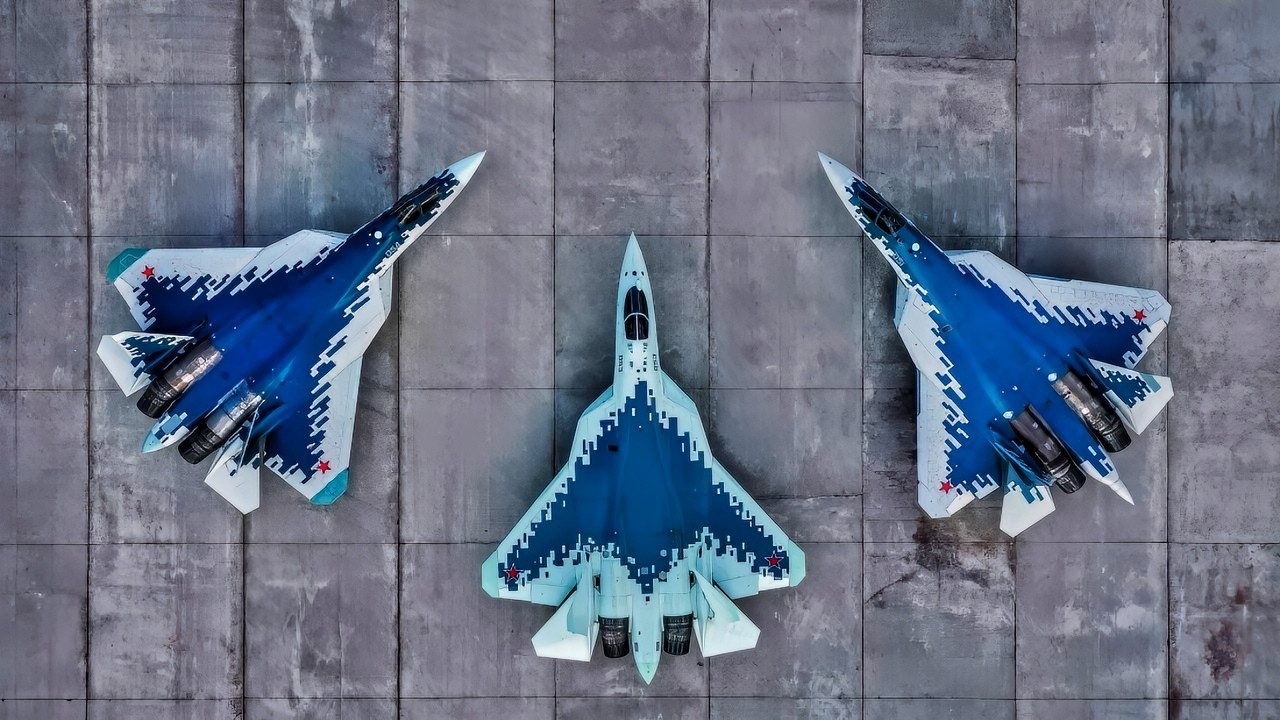
Key Points and Summary – A critical review identifies five of Russia’s biggest fighter and bomber program flops, highlighting systemic failures within its aerospace industry.
-The much-hyped Su-57 “Felon” has seen limited production and combat use, failing to secure export orders.

Su-57 Felon Stealth Fighter Taking Off. Image Credit: Creative Commons.
-The Su-75 “Checkmate” remains “vaporware,” a mockup marketed with cologne.
-Other failures include the MiG-1.44, a Cold War prototype that flew only once; the PAK DA stealth bomber, which is years behind schedule; and the MiG-23 “Flogger,” a maintenance nightmare despite being produced in large numbers.
-These disappointments reflect an industry hampered by sanctions and poor planning.
Russia’s 5 Biggest Fighter and Bomber Flops Ever
Vladimir Putin’s air force has been one big disappointment during the war in Ukraine. His fighter jets never achieved air dominance as they were intended to. His pilots have been mediocre.
The airplanes haven’t performed to standard. The defense industrial base in slow and hampered by sanctions. This means that some of his warplanes have been neglected. Let’s take a look at five models that are just not working out as expected.
Su-57 Felon
The Su-57 is a prime example.
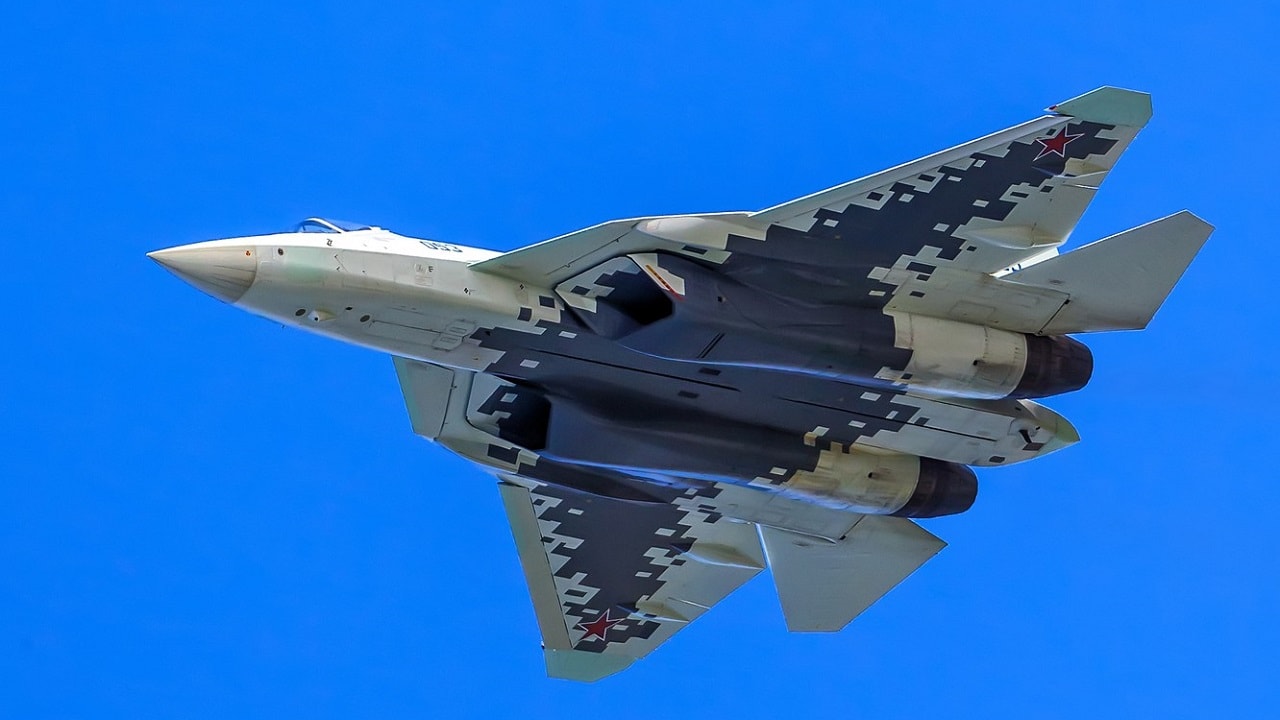
Su-57 Felon from Russian Air Force. Image Credit: Creative Commons.
This was supposed to be a super weapon but it is far from super.
At the beginning of the war, the Felon aimed to create a situation in which Ukrainian pilots would be afraid to fly against it.
The Su-57 had trouble staying in the air because Russia did not want it shot down – any negative incident would give Ukraine a public relations bonanza and likely a captured pilot to boot. So they mostly held it out of combat.
The Russians are flying the stealthy Su-57 more regularly these days, but it had previously been operating in a low profile and primarily using the deadly glide bombs.
However, these external weapons detract from the Felon’s stealthiness.
There are only about 30 Su-57s on active duty. Plus, the Felon was supposed to be a hit on the export market. That hasn’t happened.
Only Algeria has shown interest in the Su-57, agreeing to a deal for 12 Su-57s.
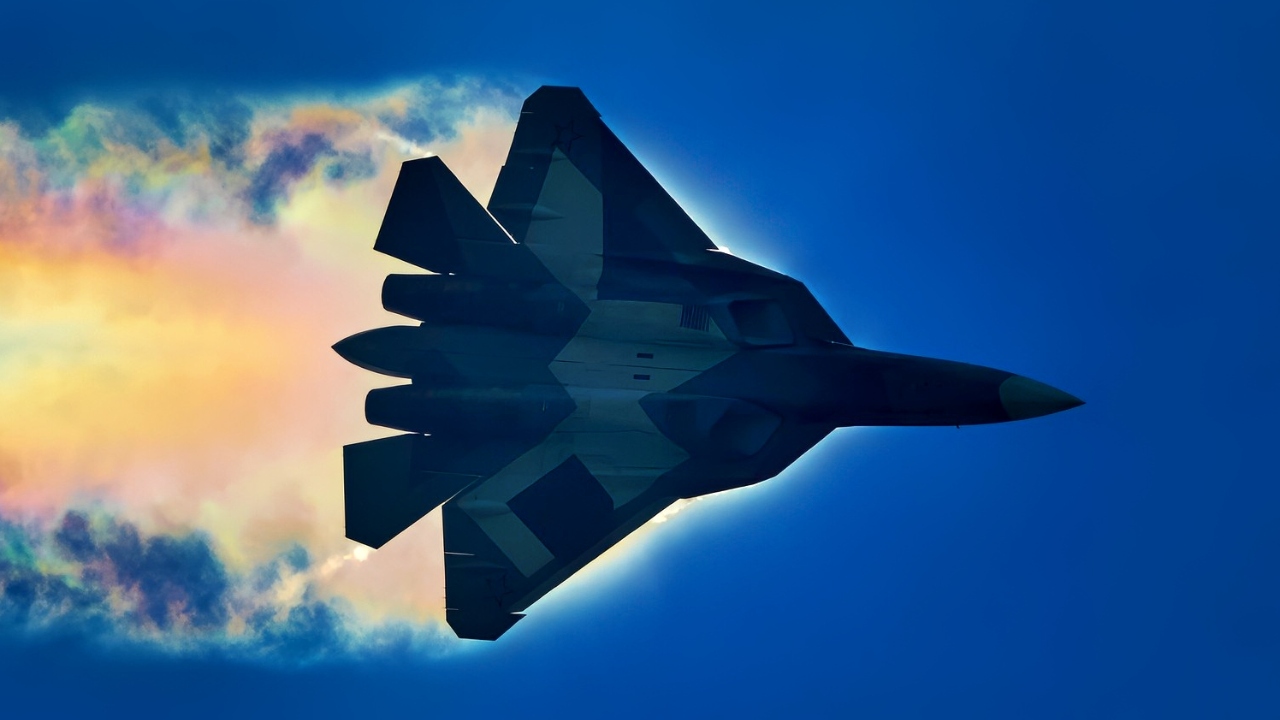
Su-57 Felon Fighter with Trail. Image Credit: Creative Commons.
Rostec and United Aircraft Corporation have offered the Felon to the world, and customers have failed to appear.
Su-75 Checkmate
The Su-75 Checkmate is even worse.
This airplane has yet to take to the skies and hasn’t progressed beyond a non-flying mock-up that is showcased at air shows.
Sanctions have impacted production, and the Russian aerospace industry has struggled with the development of the Checkmate.
It is better known for the cologne that marketers have used to lure buyers at expos, showing just how disappointing this airplane has been. It looks like vaporware.
The Su-75 should have international partners by now. Putin hoped this jet could be sold like the American F-35 Lightning II, but that has not happened at all.
It needs customers to create a funding flow to build it in numbers. Russia is producing tanks and missiles, not Su-75s.
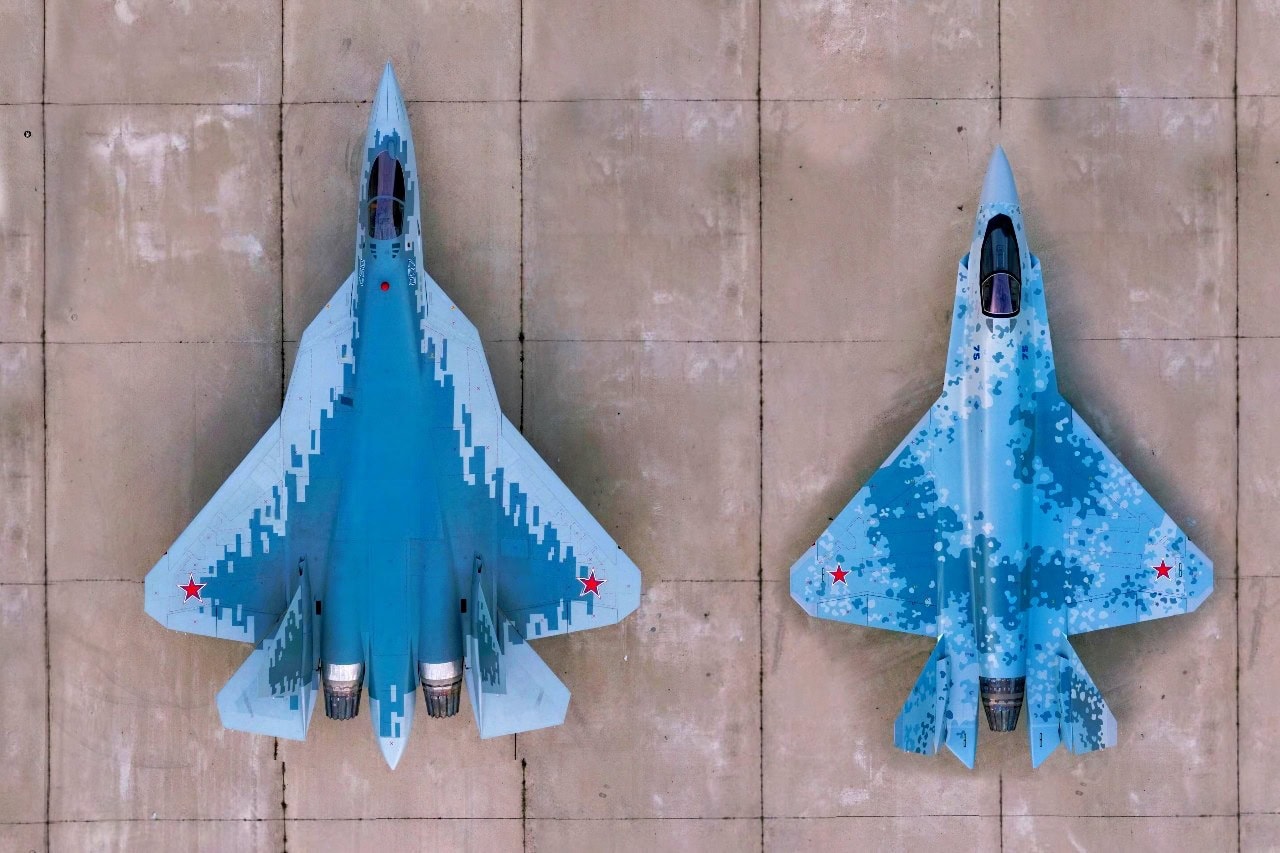
Su-57 and Su-75. Image Credit: Artist Rendering/Creative Commons.

Su-75 Checkmate. Image Credit: Creative Commons.
The Russian industrial economy is struggling, and there are insufficient resources to produce this ghost of an airplane.
MiG 1.44
The MiG-1.44 is less well-known, but a failure, nonetheless. This was supposed to be a technology demonstrator for a new fifth-generation airplane in the 1980s.
This MiG is one forgettable airplane and did not produce anything like the F-22, which it sought to emulate. The MiG-1.44 was planned to have stealth and supercruise ability. The Soviets only built one prototype. It flew just once for about 18 minutes in 2000.
The MiG-1.44 was canceled because the fall of the Soviet Union did not provide sufficient funds and resources to develop new fighter jets. The Russians were tired of their fourth-generation fighters and knew that the Americans were sprinting ahead with the fully stealthy Raptor.
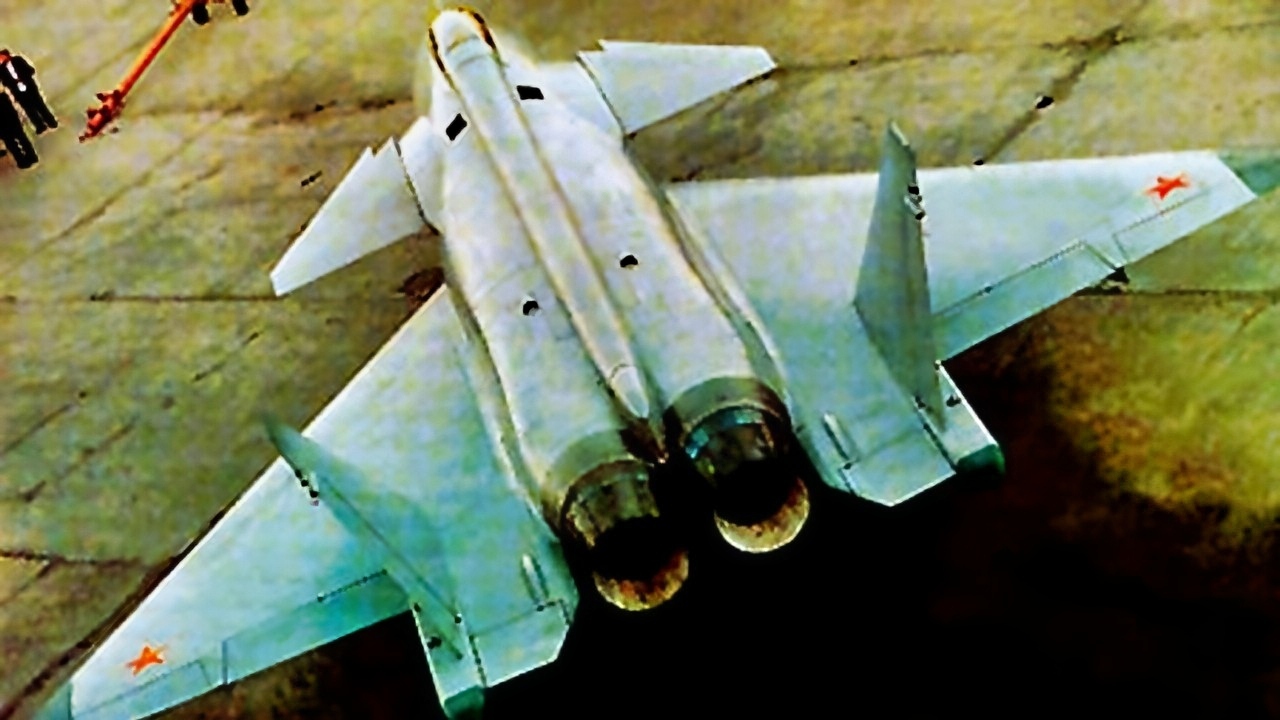
MiG 1.44 Russian State Media Picture
However, the MiG-1.44 utilized Cold War-era features and was too heavy to be both fast and maneuverable.
There were many delays and technical problems, and the Russian air force was frustrated with its lack of progress, leading to the end of the program before it was ever built in numbers.
PAK DA
The Russian PAK DA bomber concept is a good one. It is designed to compete with the U.S. Air Force’s new B-21 Raider stealth bomber.
The design resembles a flying wing, similar to the American B-2 Spirit. But ambition got the best of the Russians. The PAK DA has been delayed and gone over budget. There were supposed to be three prototypes flying by 2020. There could be a flight test later this year, but it will likely be postponed to 2026, so the project is currently behind schedule.
The Russians may have to postpone building the airplane until the early 2030s, with active duty action not expected until the mid-2030s. This means that the airplane’s features, such as its stealth coatings, may be outdated by the time it enters serial production.
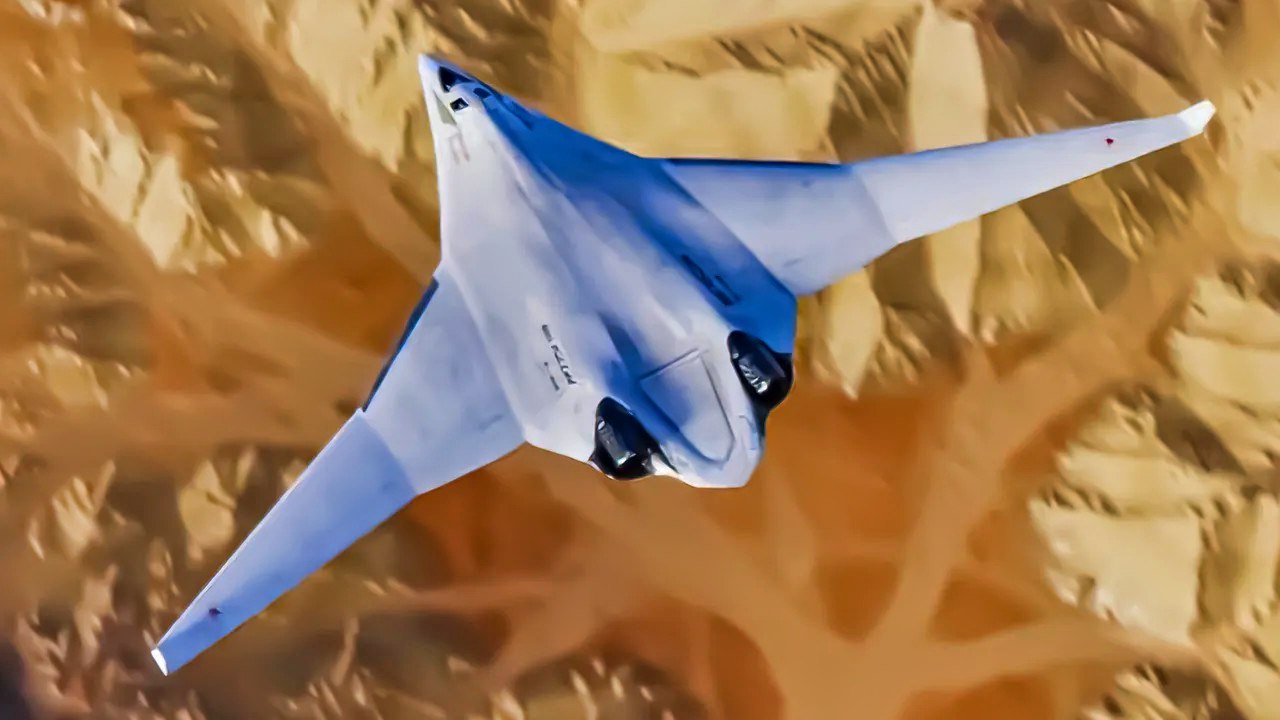
PAK DA Russian Bomber. Image Credit: Creative Commons.

PAK DA bomber artist rendition.
There is also a common problem with new Russian airplanes – a lack of funding and engineering talent due to other defense acquisition priorities resulting from the war in Ukraine and international sanctions.
MiG-23 Flogger
The MiG-23 Flogger could be Russia’s worst fighter jet of all time. Russia worked on this airplane in the 1960s to compete with the American F-4 Phantom II.
The idea was to create a fighter-bomber with a larger weapons payload. Engineers thought the MiG-23 could take out enemy airplanes from beyond visual range. This would mean having new long-range radar and sensors.
However, the Flogger seemed to be in maintenance over and over again. Its performance was terrible, and it handled poorly, leading to widespread frustration among pilots.
Nevertheless, Russia produced a whopping 5,000 MiG-23s, and they are still flying for Angola, Ethiopia, North Korea, and Syria. These international aviators probably notice that the Flogger has engine problems and stalls.

MiG-23. Image Credit: Creative Commons.
There were also faulty fuel control systems. The airframe was not stable, and the MiG-23 is just one hunk of junk.
The Bottomline
The Russian aerospace industry’s designers and engineers must take a long, hard look at themselves. This starts from the top with Putin overhyping new airplanes and failing to deliver them. Manufacturers must realize that marketing is difficult when the product is not good.
The Russians appear to be struggling to keep pace with the Americans and Chinese, who are regularly producing F-35s and J-20s.
Russian air force generals must decide to reduce the number of airplanes in development and just focus on manufacturing the Su-57.
The Felon has the best chance of succeeding, and other flawed programs, like the Su-75, should be canceled.
About the Author: Brent M. Eastwood
Brent M. Eastwood, PhD is the author of Don’t Turn Your Back On the World: a Conservative Foreign Policy and Humans, Machines, and Data: Future Trends in Warfare plus two other books. Brent was the founder and CEO of a tech firm that predicted world events using artificial intelligence. He served as a legislative fellow for US Senator Tim Scott and advised the senator on defense and foreign policy issues. He has taught at American University, George Washington University, and George Mason University. Brent is a former US Army Infantry officer. He can be followed on X @BMEastwood.
More Military
The First 48 Hours of a War With China ‘Could Be Ugly’
Russia Tried to Build Their Very Own F-22 Raptor. Calling It a Disaster Would Be a Gift
The Royal Navy’s Queen Elizabeth-Class Aircraft Carriers Simply Summed Up in 4 Words


