

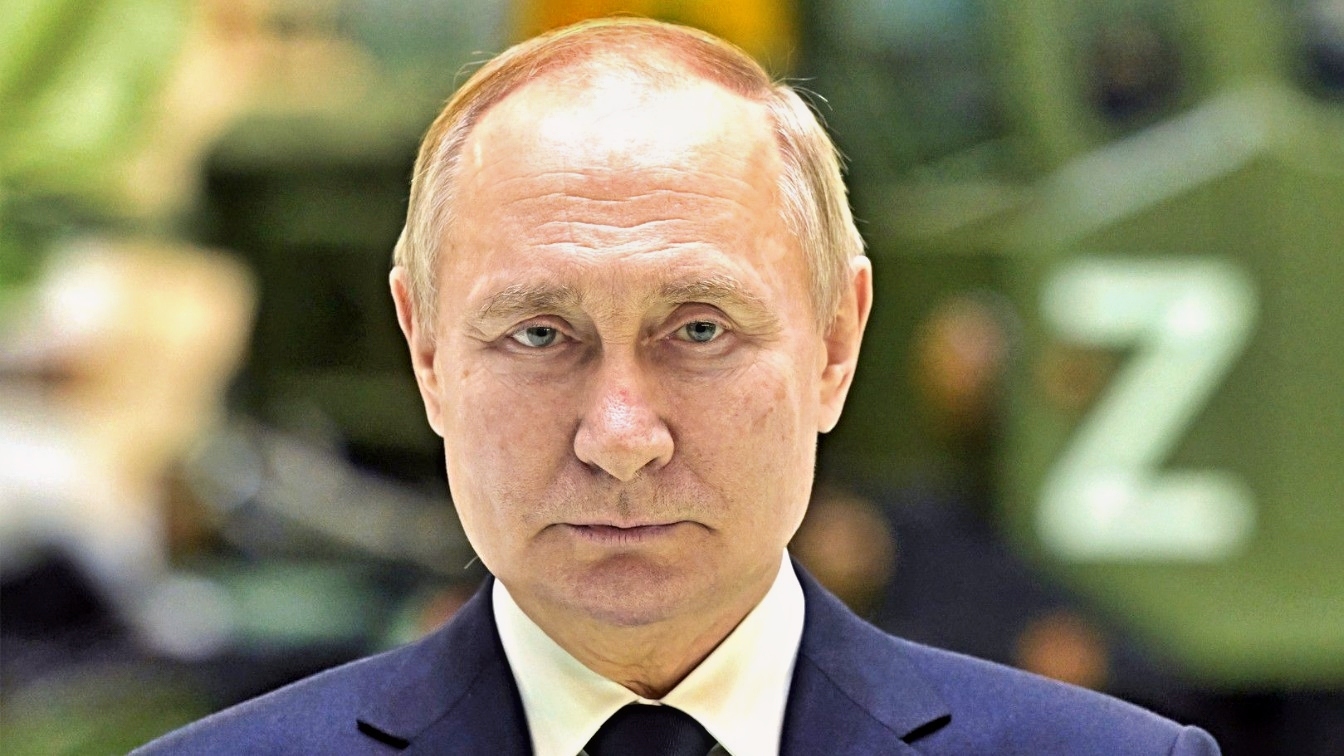
At this point, Ukraine’s summer “influence operation” to force Russia to the negotiating table has failed. In fact, it seems to have had the opposite effect of what President Zelenskyy originally intended.
With the front line moving at a snail’s pace and diplomatic efforts in a gridlock, Russia is opting to play the long game in Ukraine, hoping to wear down Kyiv and its Western supporters.

T-14 Armata Tank. Image Credit: Creative Commons.
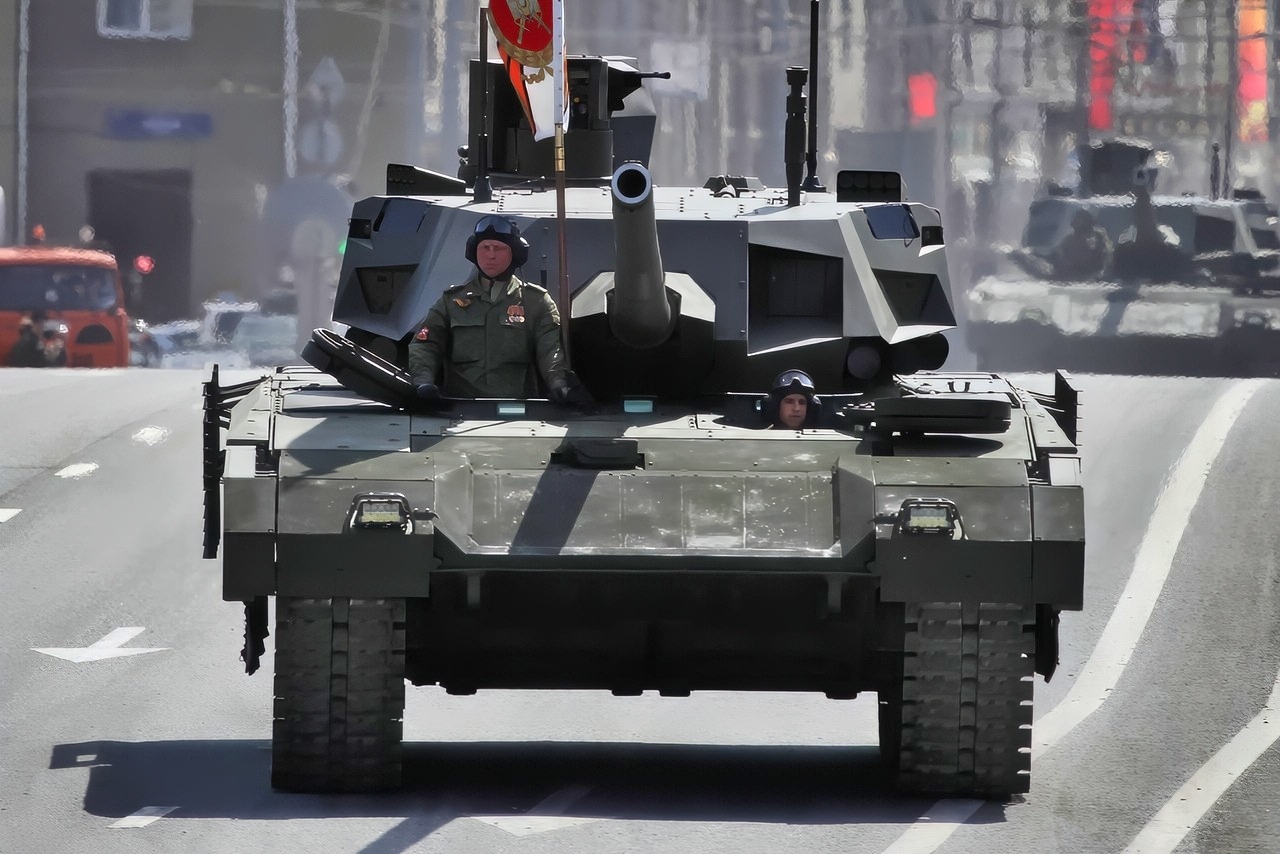
T-14 Armata Tank from Russia. Image Credit: Creative Commons.
The war in Ukraine has shifted from who can secure battlefield gains to who can survive the strains of a long, grueling war of attrition.
Despite the multiple cracks in Russia’s economy, Moscow appears content to sit back and let the war run its course.
Diplomatic Stalemate
On the surface, Russia remains willing to negotiate a peaceful end to the war.
The U.S. has engaged with both sides to bring the conflict to a diplomatic end, but has secured nothing concrete so far.
The fact of the matter is that no side is willing to compromise on its ambitious war goals.
Ukraine wants to return to its 2014 borders, with Crimea included, which is obviously unacceptable to Russia.
Meanwhile, Russia wants to keep its newly annexed territories, including portions of the annexed regions it doesn’t currently control, along with all of Novorossiysk, including Kharkiv and Odesa.
Needless to say, Ukraine refuses to entertain this proposal.
Neither side is willing to adjust or compromise on these goals.
In 2026, Russia’s rhetoric towards the West has shifted.
While Moscow has always tried to project a tough image toward the West, it has also extended an olive branch, hoping to return to normal relations when the war ends.
More recently, however, Russia’s “good feelings” toward the West have soured. “As I’m concerned, there’s no question that [Western] Europe is waging a war against us. We’ve been saying that for a long time,” said Russian Foreign Minister Sergey Lavrov.
Even toward Trump, whom Moscow viewed as a potential partner, Kremlin views are changing.
Moscow has met the Trump administration’s efforts to end, or even scale down, the conflict with indifference.
With the passing of the Sanctioning Russia Act, first proposed by the late Senator Lindsey Graham, Russia feels that the “Spirit of Anchorage” is effectively dead.
A Slow-Moving Battlefield
Meanwhile, the front lines show no major strategic changes.
Despite slight Russian advances and a few localized Ukrainian successes, neither military shows signs of major collapse or breakthrough.
The main problem on the front line is that neither side has found a promising solution to the drone problem.
The widespread proliferation of drones by both sides has prevented either side from conducting large-scale maneuvers to exploit gaps in enemy lines.
Consequently, the main strategy is to wait while drones and artillery soften enemy positions before sending small groups to clear enemy trenches.
This strategy saves lives and avoids needless casualties, but it is incredibly slow.
Journalists and other commentators frequently misread the war on the ground.
Many fall into the trap of thinking the state of the war is measured by how the line of contact moves and by which side takes more ground in a given month. In reality, wars of attrition are a bit more complicated.
The goal is in the name: attrition.
It’s about how many casualties and losses one side inflicts on the other, and which side can better replace its battlefield losses over the long term.
Because of the fog of war and heavily biased reporting, it is difficult to determine the war’s true state.
According to the Ukrainian Ministry of Defense, the Russians are losing roughly 30,000 soldiers per month, fueling speculation about a potential renewed mobilization (Media Zona has confirmed only 9,480 deaths from January to September).
Looking Past the Front Lines
As Valerii Zaluzhnyi, Ukraine’s former Defense Minister, said, “The conflict has expanded into a contest over logistics, industrial capacity, critical infrastructure, air defense and, ultimately, societal resilience.” Moscow bets it is superior to Ukraine in these areas.
To be fair, this is a far safer bet than some make it out to be. To be sure, Russia’s economy is struggling after four years of high government spending, and Ukraine’s long-range strikes have caused much trouble for Moscow.
However, Russia’s defense industry continues to operate at a high tempo, and Russia can still replace its battlefield losses, at least for now.
While the increased number of Ukrainian drones in Russian airspace is worrying, it is not yet enough to destabilize Russia or temper the Kremlin’s will to fight.
Likewise, Ukraine’s society has proven highly resilient during the war.
Its industry and economy, however, are worrying. After constant strikes on port infrastructure in Odesa and the steel mills in Kryvyi Rih, a sizable portion of Ukraine’s economy and industry has been effectively wiped out.
As a result, Western assistance is keeping Kyiv’s economy and wartime industry alive.
Europe has invested heavily in Ukraine’s defense industry and helped the country develop and manufacture new systems, such as the Freyja ballistic missile interceptor.
However, with economic troubles now plaguing several Western European nations, funding for Ukraine could face some difficulties in the coming years.
As a result, Moscow is betting that Europe will eventually pull out first due to economic troubles and war fatigue, while hoping Ukraine will eventually collapse after prolonged missile attacks against critical infrastructure.
About the Author: Isaac Seitz
Isaac Seitz, a Defense Columnist, graduated from Patrick Henry College’s Strategic Intelligence and National Security program. He has also studied Russian at Middlebury Language Schools and has worked as an Intelligence Analyst in the private sector.


