


Key Points and Summary – The Air Force plans to modernize early Block 20 F-22s—once training jets—adding open mission systems, improved stealth coatings, EW upgrades, and AIM-9X/AIM-120D/AIM-260 compatibility.
-The move could boost the combat-coded Raptor fleet to 178 and hedge against delays to the sixth-gen F-47 amid rising J-20/Su-57 threats.

U.S. Air Force Capt. Nick “Laz” Le Tourneau, F-22 Raptor Aerial Demonstration Team commander, conducts a solo practice flight at Joint Base Langley-Eustis, Virginia DATE. This training session ensured that the demonstration pilot remains proficient in performing complex maneuvers that emphasize stealth and tactical superiority. (U.S. Air Force photo by Senior Airman Adisen Smith)

U.S. Air Force Maj. Josh Gunderson, F-22 Demo Team commander, enters into the Raptor Slide during the Millville Airshow, Sept. 3, 2021, at Millville Army Airfield, Millville, New Jersey. During the Raptor Slide the aircraft actually slides down and backwards under control before Gunderson adjusts the aircrafts position and powers out of the maneuver. (U.S. Air Force photo by Staff Sgt. Don Hudson)
-But critics warn a $3–7 billion bill, decade-long timelines, scarce parts, and closed architecture risk siphoning talent and money from F-35 Block 4 and NGAD.
-Alternatives include accelerating F-47, buying more F-35s, and fielding Collaborative Combat Aircraft. A hybrid path keeps Block 20s in training while prioritizing later-block F-22s and next-gen systems.
30 More Raptors, Fast: Should the Air Force Modernize Its Old F-22s?
Currently, the U.S. Air Force operates around 130 combat-ready F-22 Raptor air dominance fighters with 32 older Block 20 fighters used for training.
Initially, the Pentagon intended to scrap these fighters, but after facing backlash from Congress, it now wants to upgrade them to the newer standards.
While this raises the fleet to around 178 combat-ready fighters, the question is whether this is the best use of the Air Force’s funds at this moment.
The F-22 Block 20
The Block 20 F-22s were among the first production F-22s manufactured in the 1990s.
Despite retaining advanced stealth systems, these fighters did not receive continuous upgrades as later blocks did; instead, they were relegated to training regiments.
However, as time has passed, the cost of maintaining these fighters has only increased, especially since many F-22 spare parts are no longer in mass production.
The Air Force weighed scrapping the Block 20 fighters, arguing that funds would be better spent on procuring more F-15EX fighters.
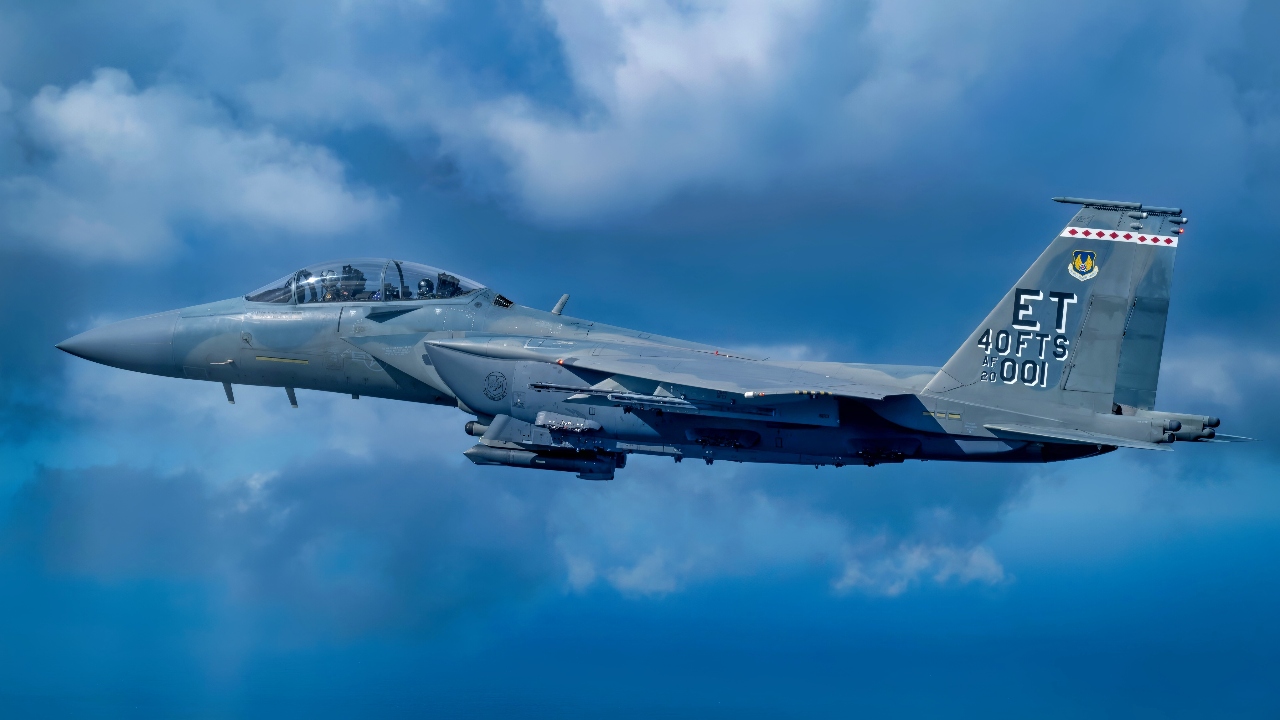
A U.S. Air Force F-15EX Eagle II fighter jet assigned to Eglin Air Force Base, Florida, flies near Jacksonville, Florida, Nov. 2, 2024. Airmen from the 40th Flight Test Squadron and 96th Aircraft Maintenance Unit supported a flyover for the annual Florida-Georgia college football game. (U.S. Air Force photo by Staff Sgt. Blake Wiles)

An F-15EX Eagle II, assigned to the 142nd Wing, taxis on the flightline before take-off during the official Unveiling Ceremony for the new fighter jet at the Portland Air National Guard Base, Oregon on July 12, 2024. The 142nd Wing will be replacing the F-15 C/D model Eagles with the new F-15EX Eagle II models. (National Guard photo by John Hughel, Oregon Military Department Public Affairs)
This effort was blocked by Congress, which argued that the F-22 was too important to discard in the current geopolitical environment.
Now, the block 20s are set to receive the same modernizations as the other blocks.
This upgrade gives the U.S. an additional 30 combat-ready aircraft, bolstering the fleet to around 178 modernized F-22s.
Modernizing the F-22
The proposed modernization would bring Block 20 Raptors closer to the standards of later variants.
Planned upgrades include an open mission systems architecture to enable faster integration of new technologies, enhanced stealth coatings to maintain low observability against advanced radar systems, and a new AN/APG-77 radar.
The electronic warfare suite would also be enhanced to counter evolving threats, and the aircraft would gain compatibility with advanced weapons such as the AIM-9X, AIM-120D, and potentially the AIM-260 Joint Advanced Tactical Missile.
There is even discussion of integrating crewed-uncrewed teaming capabilities, allowing these aircraft to operate alongside loyal wingman drones.
These upgrades aim to extend the F-22’s relevance into the 2040s and increase the combat-coded fleet by more than 20 percent, a significant boost given the small size of the Raptor force.
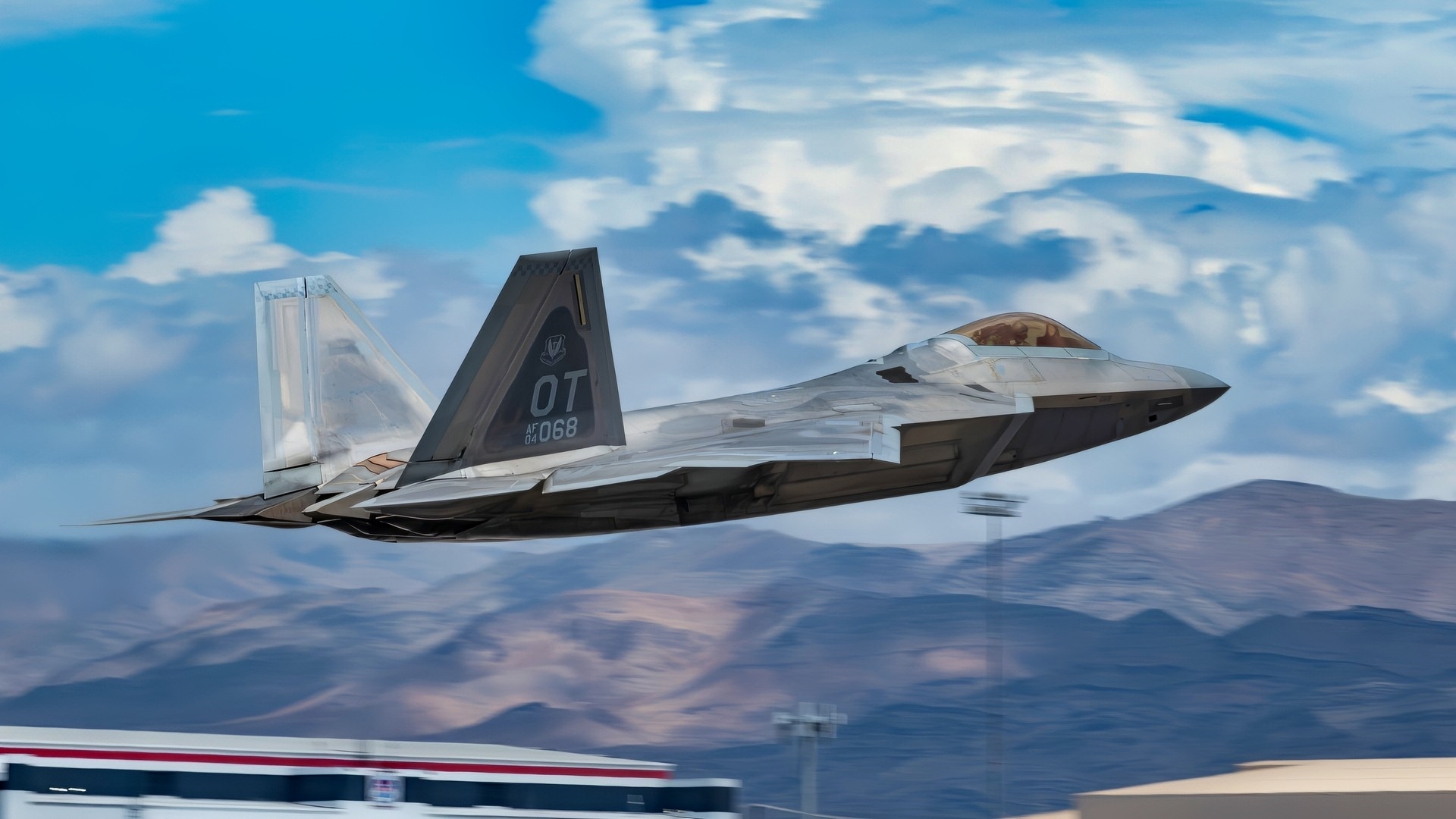
A U.S. Air Force F-22 Raptor fighter jet assigned to the 422nd Test and Evaluation Squadron (TES), takes off for a mission at Nellis Air Force Base, Nevada, Aug. 26, 2025. The 422nd TES is a geographically separated unit of the 53rd Test and Evaluation Group, Eglin AFB, Florida. (U.S. Air Force photo by William R. Lewis)
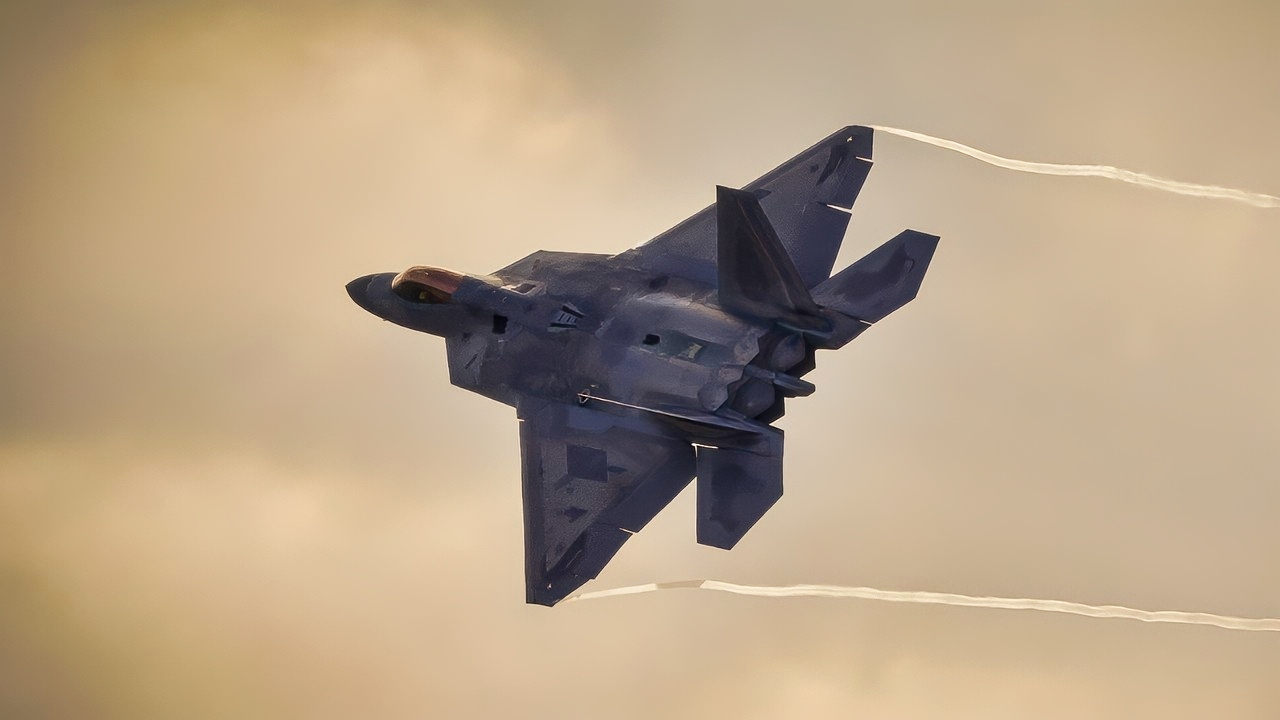
A U.S. Air Force F-22 Raptor assigned to the 90th Fighter Squadron soars over Joint Base Elmendorf-Richardson during ARCTIC EDGE 2025 (AE25), Aug. 18, 2025. AE25 provided Special Operations Command North the opportunity to test a range of capabilities and response options to deter, disrupt, degrade, and deny competitor activity in the Arctic in support of globally integrated layered defense of the homeland. AE25 is a NORAD and U.S. Northern Command-led homeland defense exercise designed to improve readiness, demonstrate capabilities, and enhance Joint and Allied Force interoperability in the Arctic. (U.S. Air Force photo by Airman 1st Class Gracelyn Hess).
Estimates suggest that upgrading each Block 20 aircraft could cost around $50 million, with the total program potentially reaching $3.3 billion depending on scope.
Operational costs for keeping Block 20s flying as-is already amount to $485 million annually, or $3.5 billion through the decade.
The timeline for modernization could stretch to 10 or even 15 years, competing for engineering resources with other critical programs such as the F-35 Block 4 upgrade and NGAD development.
This raises an important question: Is it worth investing billions in jets that will likely be retired around 2035 or 2040 when NGAD enters service?
Is it Really Worth the Resources?
Opponents of the upgrade point to cost versus benefit.
Spending $3 to $7 billion on aging airframes that will retire within 10 to 15 years is questionable when those funds could be spent on more critical projects.
Senior Air Force leaders have argued that such an investment would divert limited engineering resources from the F-35 program and NGAD, both critical to future air dominance. Technical challenges further complicate the case for modernization.
Block 20 Raptors lack modern architecture, making upgrades complex and costly. Integrating advanced avionics, electronic warfare systems, and weapons into these older jets is far from straightforward.
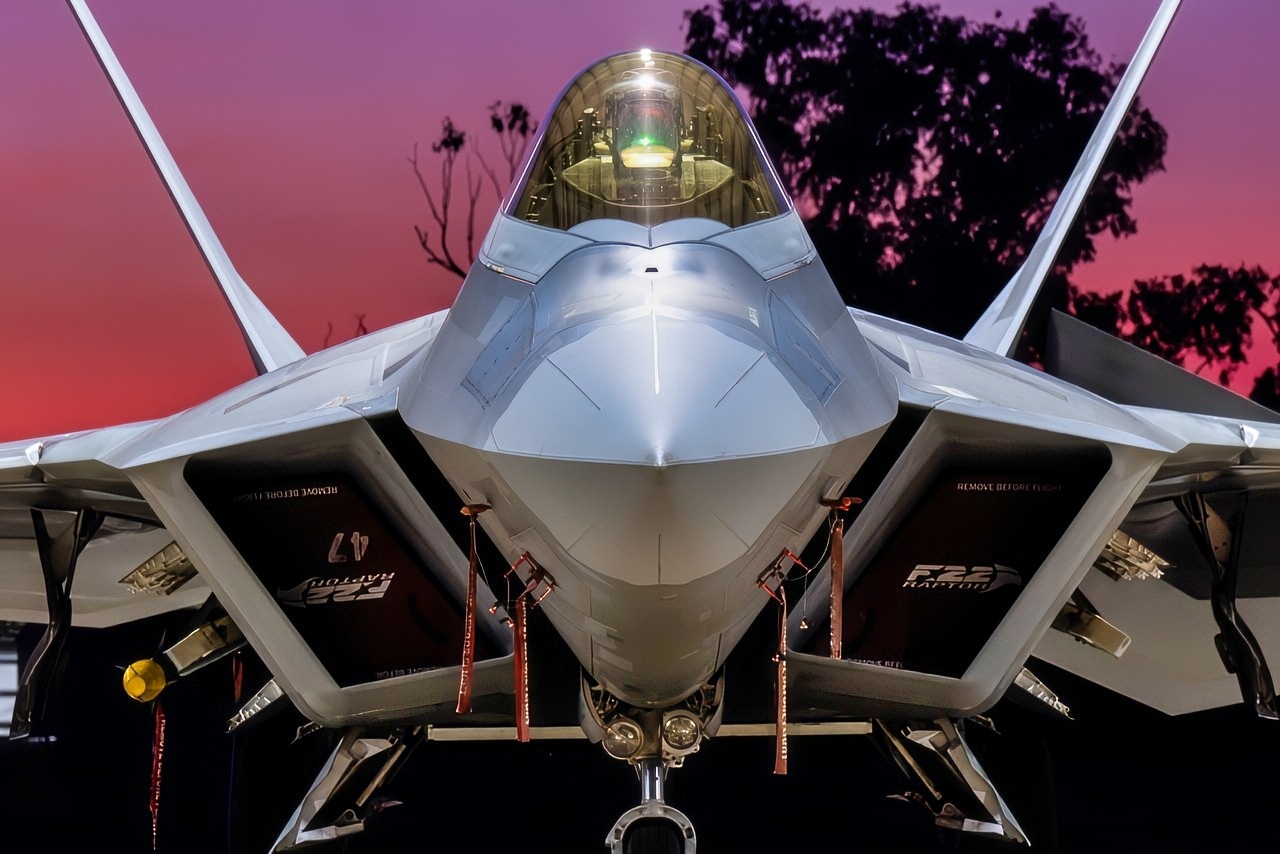
A U.S. Air Force F-22 Raptor assigned to the 199th Air Expeditionary Squadron sits beneath a hangar as the sun sets in Northern Territory, Australia, July 16, 2025, during Talisman Sabre 2025. Talisman Sabre is the largest bilateral military exercise between Australia and the United States advancing a free and open Indo-Pacific by strengthening relationships and interoperability among key allies and partners, while enhancing our collective capabilities to respond to a wide array of potential security concerns. (U.S. Air Force photo by Senior Airman Natalie Doan)
Their closed design limits adaptability, and maintenance costs remain high even after upgrades.
Alternatives to upgrading Block 20 include accelerating F-47 development to ensure the sixth-generation fighter arrives sooner, reducing reliance on legacy platforms.
Expanding F-35 procurement is another option, as the F-35 offers multirole flexibility and is already in mass production.
Investing in autonomous drones paired with existing fighters could provide cost-effective force multipliers, reducing the need for expensive upgrades to aging jets.
A hybrid approach also works: retain Block 20s for training and emergency use without complete upgrades, while focusing modernization funds on Block 30 and Block 35 Raptors and next-generation platforms.
A Stop Gap Measure for the F-47
Proponents of the upgrade argue that it would help bridge a dangerous capability gap. The F-47 fighter is years away from operational readiness.
If delays occur, the Air Force risks a shortfall in air superiority assets during a period of heightened tension with China in the Indo-Pacific.
Upgrading Block 20s would provide additional combat-coded Raptors to hedge against this risk. Maintaining air superiority is another compelling argument. China’s J-20 and Russia’s Su-57 are improving rapidly, with advanced sensors and long-range missiles. The F-22 remains unmatched in certain areas, but without upgrades, its edge will erode.
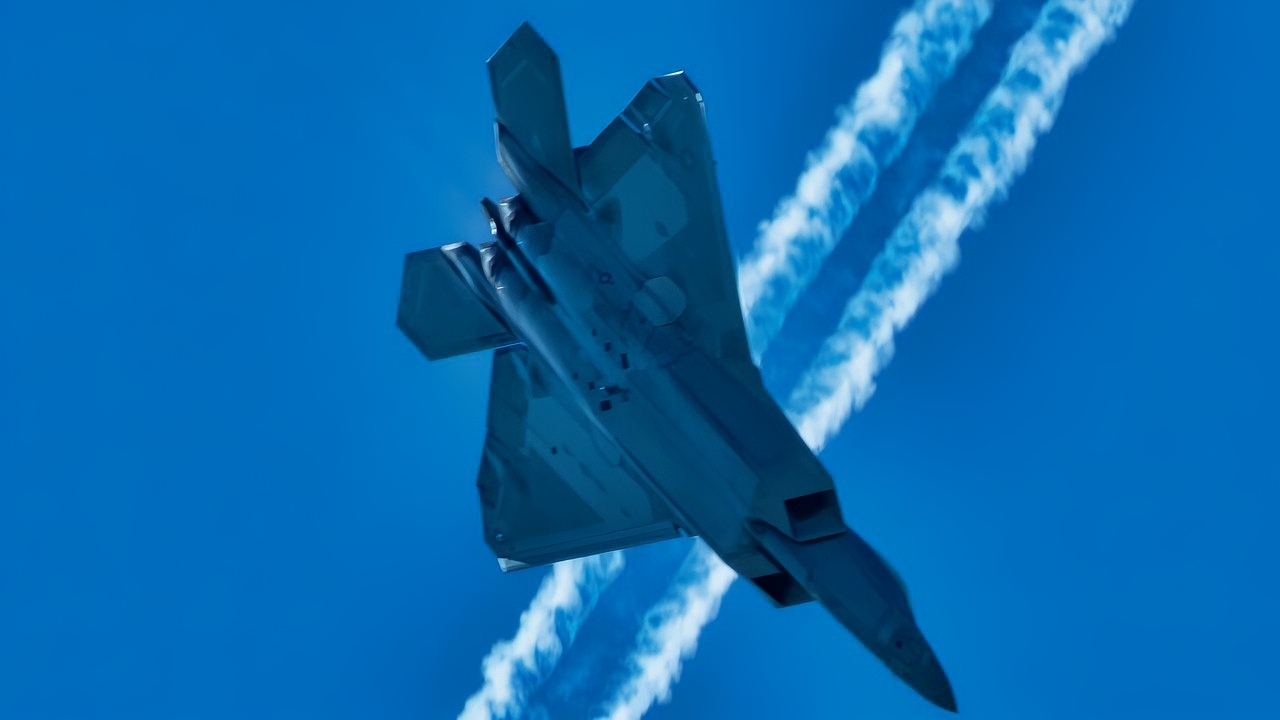
U.S. Air Force Maj. Josh Gunderson, F-22 Demonstration Team pilot, soars through the sky during a demonstration practice Feb. 27, 2020, at Davis-Monthan Air Force Base, Ariz. The Heritage Flight Training Course is a training course for all single-ship aerial demonstration teams prior to the upcoming summer air show season. (U.S. Air Force Photo by Captain Kip Sumner)
Adding more combat-capable Raptors could bolster deterrence and operational flexibility. There is also the issue of training and test value.
Block 20s currently handle 90 percent of initial F-22 pilot training. Retiring them would force operational Block 30 and Block 35 jets to absorb this burden, reducing combat availability and increasing wear on frontline aircraft.
Finally, congressional mandates complicate the picture. Congress has repeatedly blocked the Air Force’s attempts to retire Block 20s, citing concerns about fighter capacity.
Upgrading them may align with legislative priorities and avoid political friction.
About the Author: Isaac Seitz
Isaac Seitz, a Defense Columnist, graduated from Patrick Henry College’s Strategic Intelligence and National Security program. He has also studied Russian at Middlebury Language Schools and has worked as an intelligence Analyst in the private sector.
More Military
China Has the Missiles to Sink U.S. Navy Aircraft Carriers, But Questions Remain
The P-51 Mustang Was the Best WWII Fighter
The U.S. Navy’s Great Aircraft Carrier Shortage of 2025 Won’t End
The Navy Isn’t Prepared For What’s Coming
Not Made in USA: The Vanguard-Class Missile Submarine Has Just 1 Mission


Curtis E Conway Jr.
November 7, 2025 at 2:00 pm
The defense industry likes having few people who can do certain things. The favorite excuse to use during these times is one program will have to steal experts from another causing damage to program development in the other program. Have you EVER NOTICED that the numbers of experts NEVER INCREASES over the decades.
Also, raping money out of the public trough is defense contractors mission. Defense of the nation just happens incidentally. The equation that will extract maximum dollars for defense contractors is where these contractors/companies live. Being efficient with tax dollars is NEVER their goal. This upgrade for training F-22s have been discussed for the better part of a decade, and the longer they take to make the decision the more it will cost. WHY THE DELAYS?
Jackson Spratt
November 7, 2025 at 5:24 pm
Having the best is always a good thing…Except where you don’t have time to get it. If there is a war in the Pacific, and that seems almost certain, it’s likely to begin within 5 years. We can have more F22s by then to try and hold a very tenuous line. That’s all that counts.