


Summary and Key Points: Defense analyst Brent M. Eastwood, PhD, evaluates reports that researchers at the China Aerodynamics Research and Development Center have identified potential stability flaws in the Northrop Grumman B-21 Raider.
-Utilizing a proprietary AI simulation tool called PADJ-X, Chinese scientists are processing open-source flight data—including recent aerial refueling footage—to model the B-21’s aerodynamic performance.
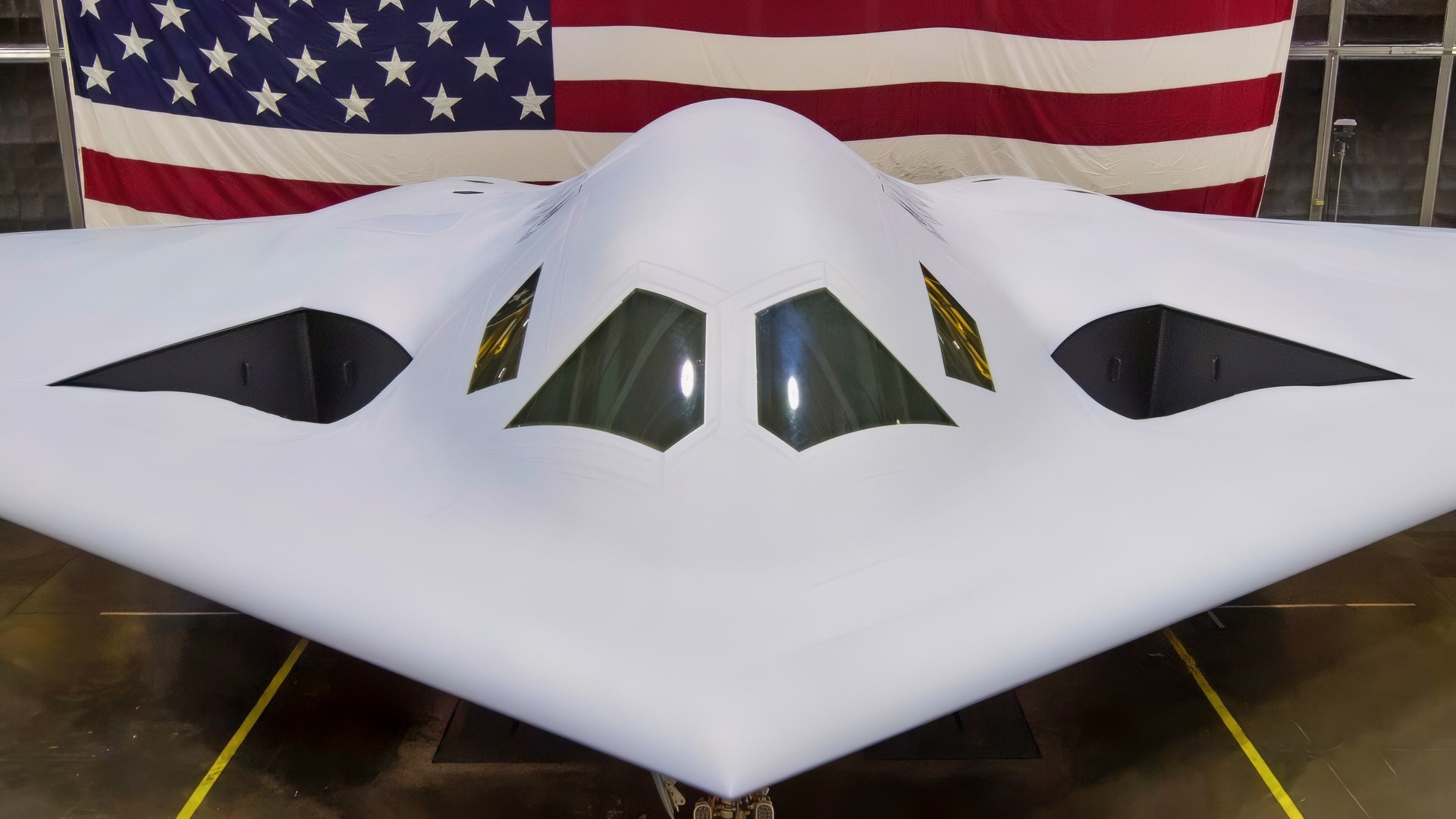
The B-21 Raider was unveiled to the public at a ceremony Dec. 2, 2022 in Palmdale, Calif. The B-21 will provide survivable, long-range, penetrating strike capabilities to deter aggression and strategic attacks against the United States, allies, and partners. (U.S. Air Force photo)
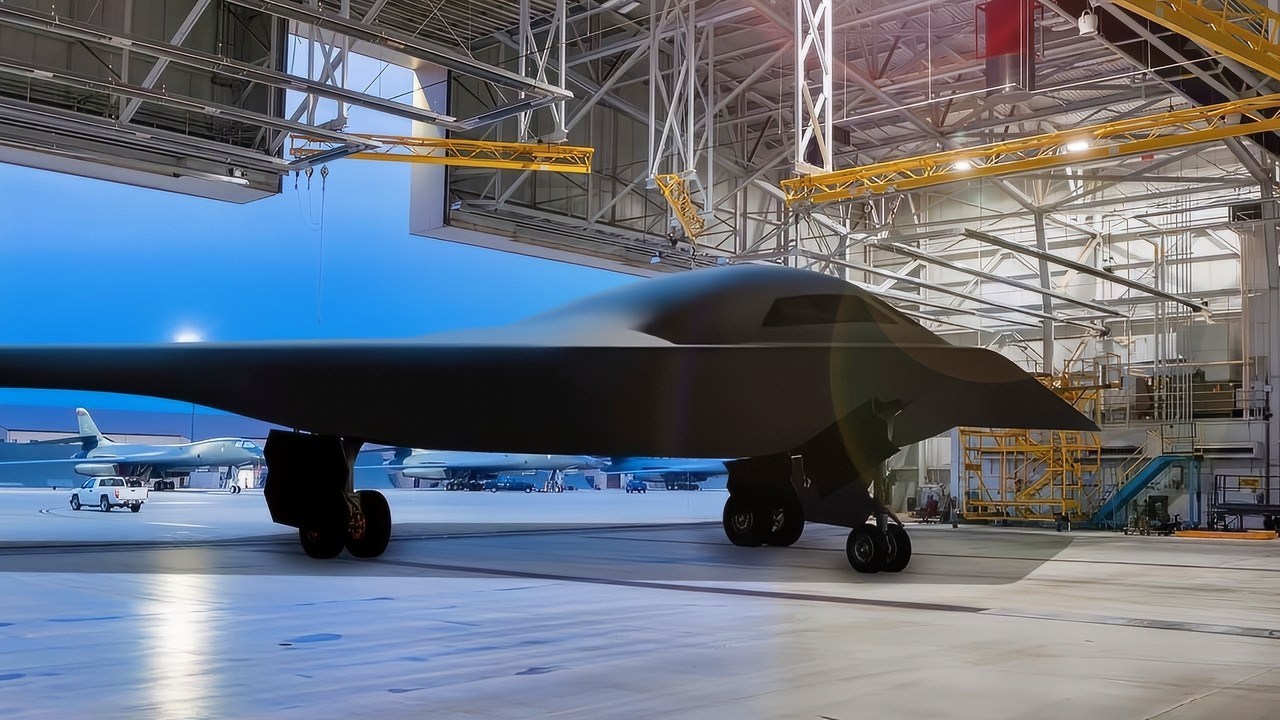
Artist rendering of a B-21 Raider in a hangar at Ellsworth Air Force Base, South Dakota, one of the future bases to host the new airframe. AFCEC is leading a $1 billion construction effort at Ellsworth to deliver sustainable infrastructure to meet warfighter demands for bomber airpower. (U.S. Air Force graphic)

B-21 Raider Up Close. Image Credit: U.S. Air Force.
-While the Raider serves as a flying supercomputer for the Kinetic Missile Fight, China’s use of generative AI and digital wind tunnels aims to bypass traditional intelligence hurdles, seeking a “leg up” in neutralizing American stealth advantages before the 2026 production ramp-up.
Have the Chinese Found Vulnerabilities in the B-21 Raider?
The United States is in an arms race with China to conduct what I call the “Kinetic Missile Fight,” and the winning team will likely have the most advanced strike airplanes to deliver those missiles in a potential clash over Taiwan.
The significant development for the United States is the advent of the Northrop Grumman B-21 Raider.
This ultra-stealth bomber will be a flying “supercomputer” that can deliver nuclear-tipped hypersonic weapons and control a Loyal Wingman flight of Collaborative Combat Aircraft.
The Good News About the B-21
The B-21 program is on schedule and on budget.
The warbirds have been flying since 2024, and at least one has recently conducted an in-air refueling.
The long-range strike airplane will be a difference maker in a conflict with China and Xi Jinping’s military is taking notice and trying to find any advantage it can to counteract what looks to be a dominant American platform.

U.S. Air Force Airmen with the 912th Aircraft Maintenance Squadron prepare to recover the second B-21 Raider to arrive for test and evaluation at Edwards AFB, Calif., Sept. 11, 2025. The arrival of a second test aircraft provides maintainers valuable hands-on experience with tools, data and processes that will support future operational squadrons. (U.S Air Force photo by Kyle Brasier)
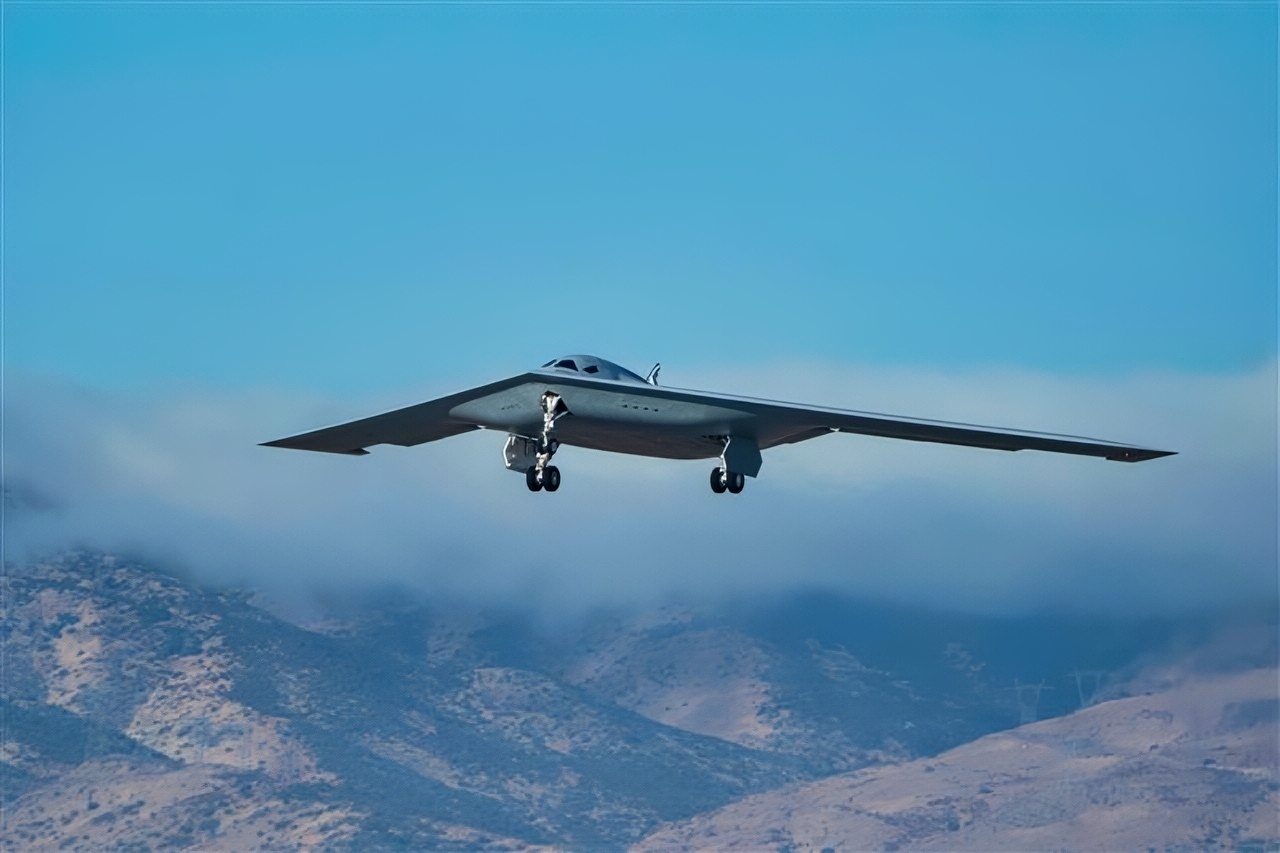
A second B-21 Raider, the nation’s sixth-generation stealth bomber, joins flight testing at Edwards Air Force Base, Calif., Sept. 11. The program is a cornerstone of the Department of the Air Force’s nuclear modernization strategy, designed to deliver both conventional and nuclear payloads. (Courtesy photo)
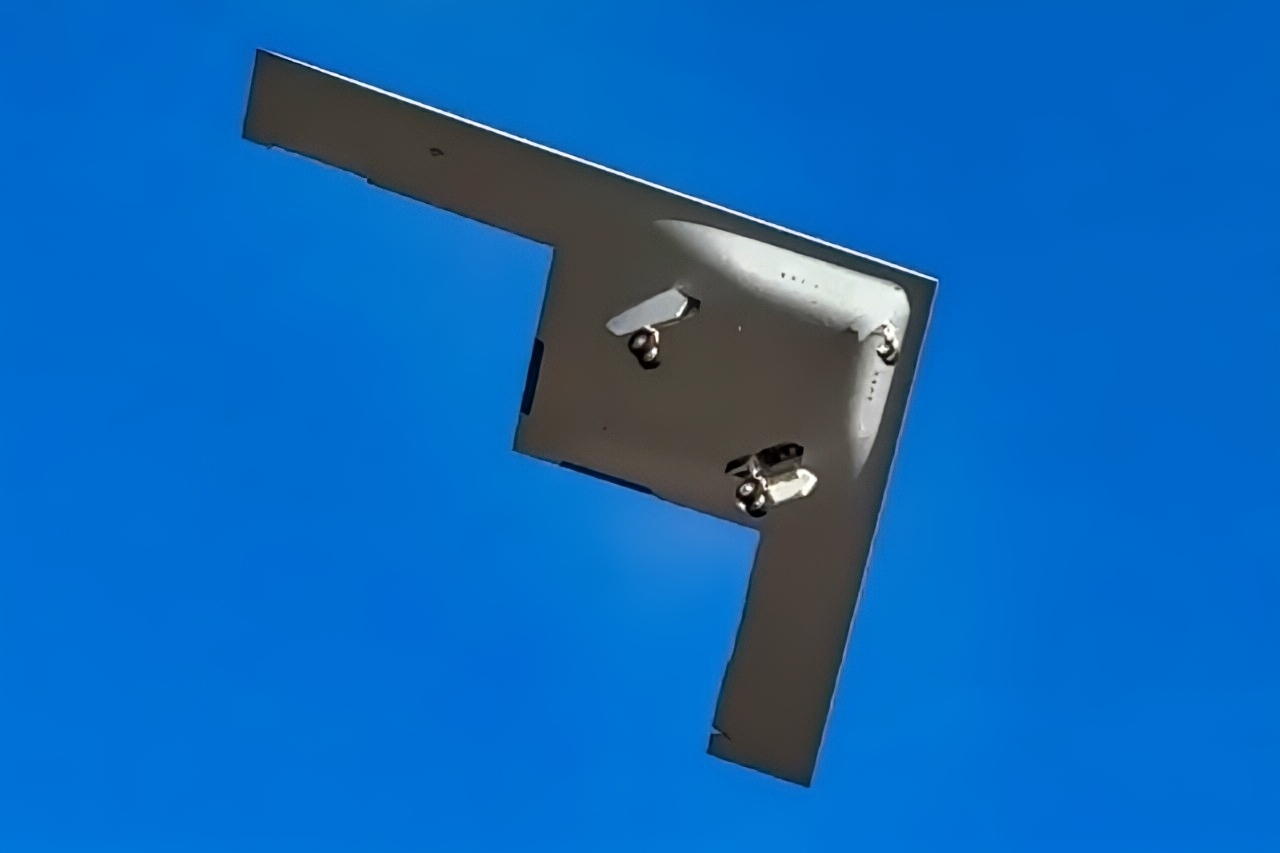
B-21 Raider New Flight of Second Bomber. Image X Screenshot from Video Posted.
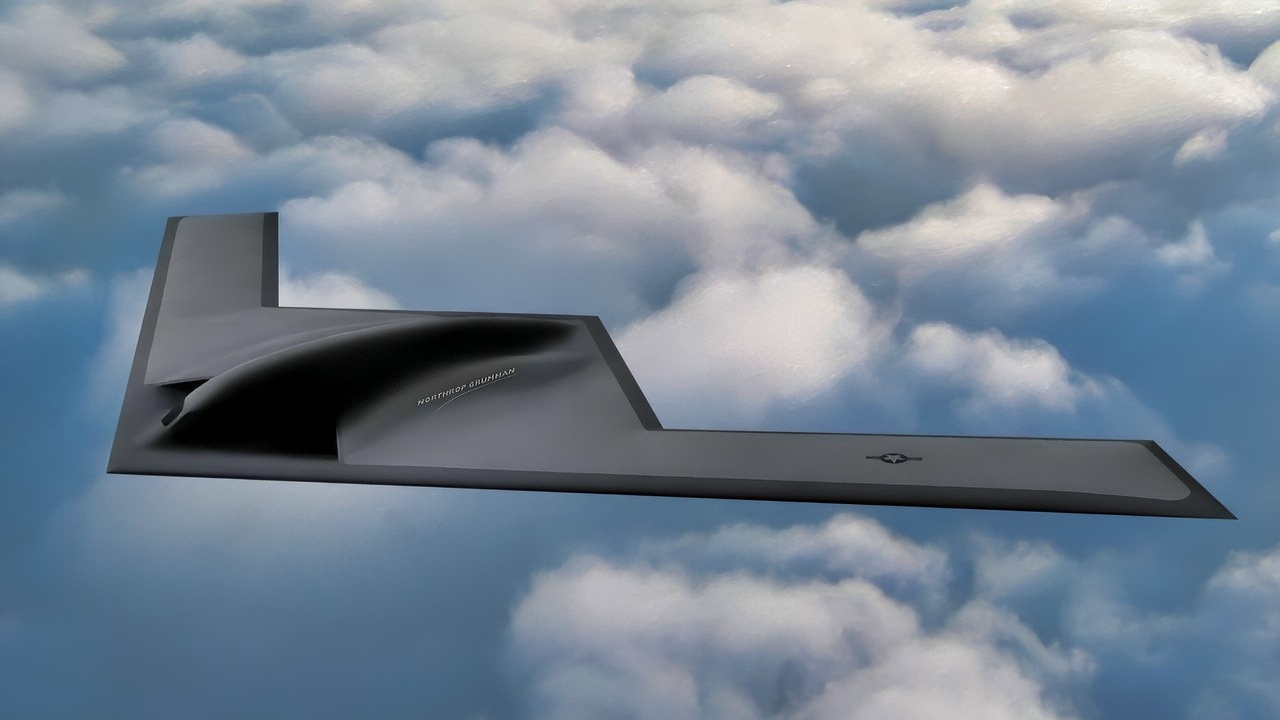
B-21 Raider Bomber Photo. Image Credit: Northrop Grumman.
Chinese Scientists May Have Scored a Research Victory
Researchers at the China Aerodynamics Research and Development Center have delved deep into the B-21 and may have spotted a problem with the flying wing’s stability. Or, so they claim.
This could also affect the Raider’s aerodynamic advantage over other Chinese stealth aircraft. The People’s Republic is using a simulation software program with a model trained from publicly-available data on the B-21. This system is called the PADJ-X.
Did the Chinese Spot a Weak Link in the B-21 Raider?
PADJ-X may have identified issues with the flying wing design that could affect future flights of the B-21. So far, the Raider has been effective at conducting the intricate operation of aerial refueling. But we don’t know how the B-21 could fly at maximum speed or how it would avoid enemy air defenses in battle. Thus, the Chinese may have a leg up on the competition and could use software simulation to find weak links and vulnerabilities in the B-21.
Cat and Mouse Games Playing Out in Real Time
The Chinese software shows how this cat-and-mouse game with the Americans is progressing on a fever pitch.
Each side is using any advantage it can create to find weaknesses in new airplane designs. The scientists studying the U.S. Air Force flight have decades of open-source data on the flying wing B-2 Spirit. In fact, the B-2 has been busy conducting missions against Iran during Operation Midnight Hammer and Operation Epic Fury.
There are ample ways to bring in flight test data during bombing runs that have attacked Iranian nuclear infrastructure, sometimes even with the mega-powerful bunker-busting Massive Ordnance Penetrator bombs.
Publicly Available Data Renders an Advantage with Adversaries
The B-21 has not revealed those types of flights yet, but since the program has been successful so far, China has a head start of computer design simulations that could predict ways in which the scientists collect design analysis that could be weak points in the flying wing shape.
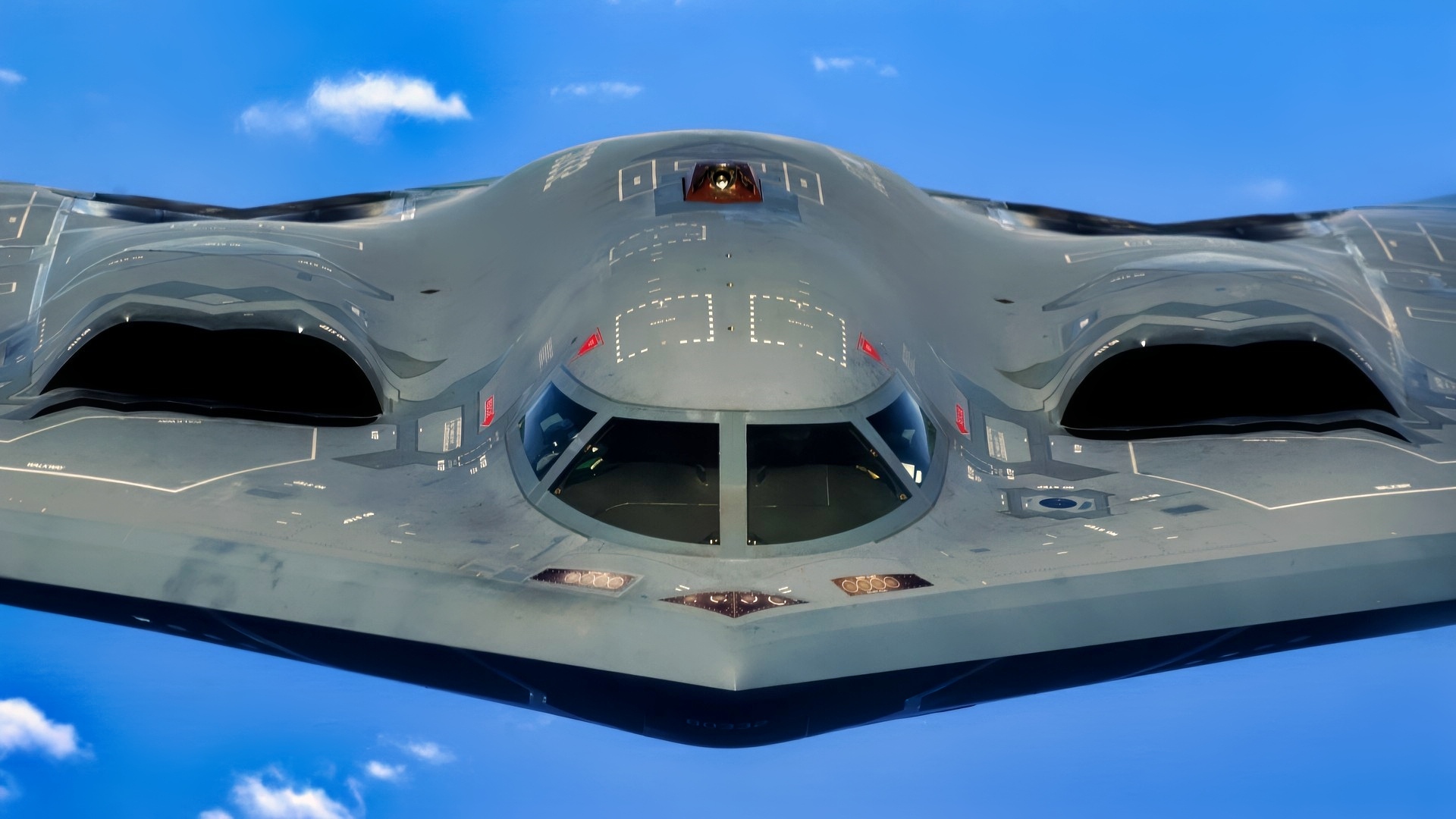
B-2A Spirit Stealth Bomber USAF Image.
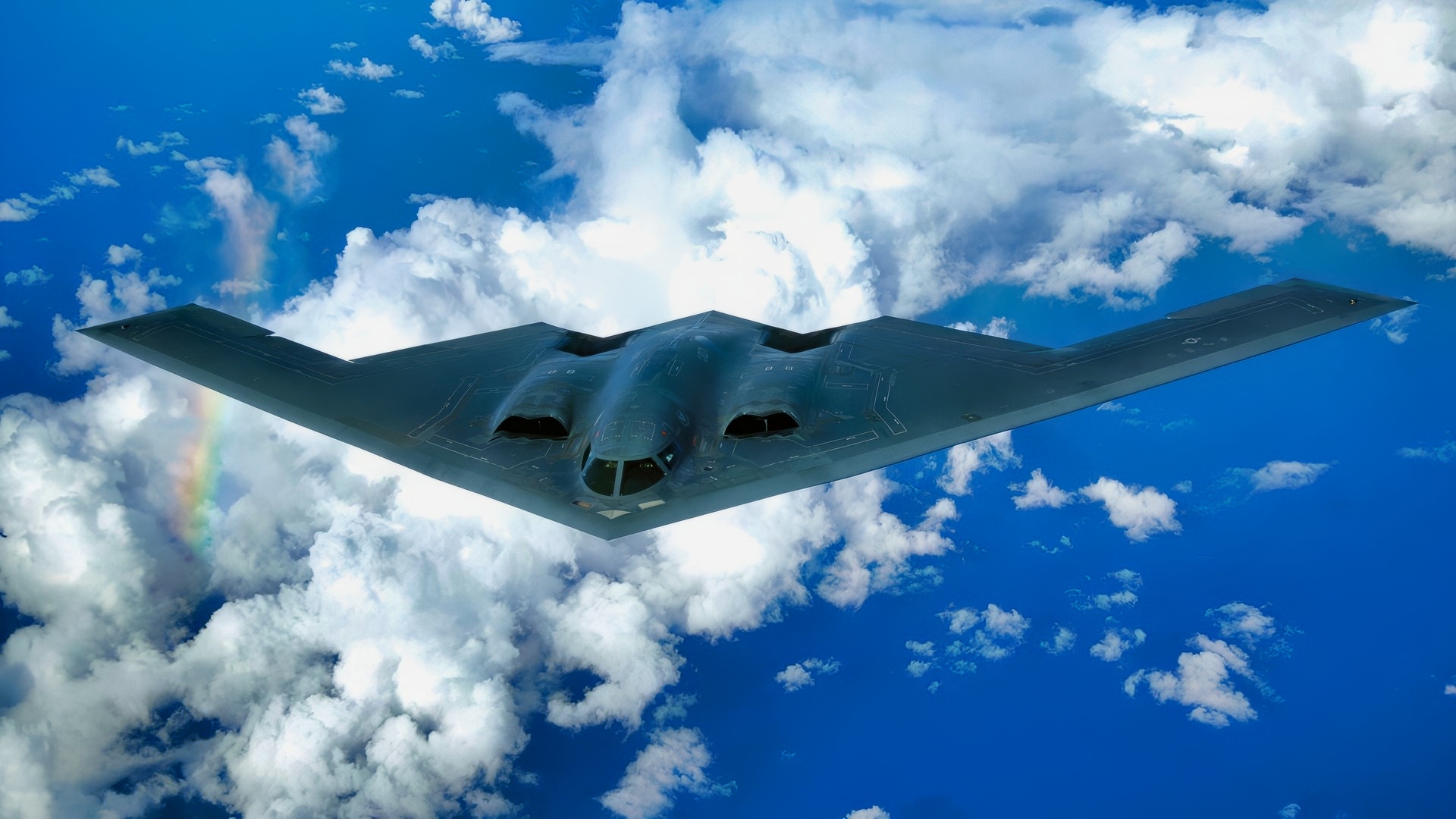
A B-2 Spirit soars after a refueling mission over the Pacific Ocean on Tuesday, May 30, 2006. The B-2, from the 509th Bomb Wing at Whiteman Air Force Base, Mo., is part of a continuous bomber presence in the Asia-Pacific region. (U.S. Air Force photo/Staff Sgt. Bennie J. Davis III)
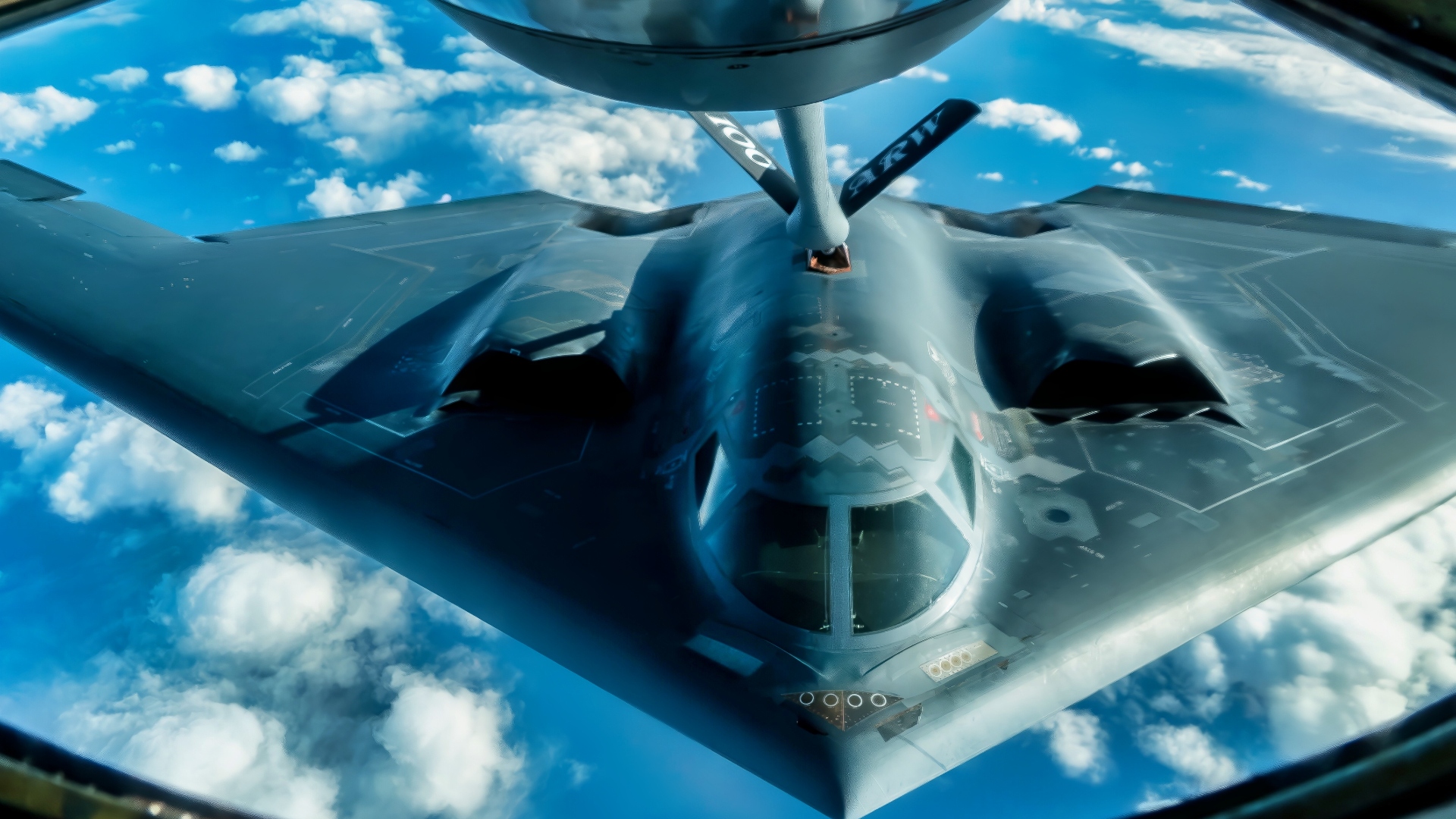
A U.S. Air Force B-2 Spirit assigned to the 509th Bomb Wing from Whiteman Air Force Base, Missouri, receives fuel from a 100th Air Refueling Wing KC-135 Stratotanker during Global Thunder 20, Oct. 28, 2019. Global Thunder is an annual command and control exercise that provides training opportunities for all of U.S. Strategic Command’s mission areas, tests joint and field training operations, and has a specific focus on nuclear readiness. (U.S. Air Force photo by Staff Sgt. Trevor T. McBride)
“The B-21 is being designed for long-range penetrating strike capability, which the flying wing design facilitates through improved fuel economy [thanks to low drag] and reduced radar cross-section/improved stealth performance [thanks to limited control surfaces],” according to my colleague Harrison Kass.
No Need for Physical Wind Tunnels
One way the Chinese can have a leg up is to use the software to continually run flight simulations with AI, without having to test in wind tunnels. This high-performing system is one way researchers can support the Chinese air force and its intelligence organs.
This is a big development in the rivalry between the United States and China.
Researchers studying U.S. flight characteristics receive ample funding from the Chinese government, which uses dual-use civilian laboratories dedicated to helping Xi Jinping’s military gain any possible advantage. Money is no object. Resources are almost infinite. And it shows just how much China wants to come out on top. The B-21 has already yielded publicly-available information.
“Aspects the Chinese examined include airflow around the bomber’s flying-wing configuration; stability across different flight regimes; aerodynamic efficiency; and potential structural or performance trade-offs,” Kass wrote.
Today’s Internet Produces Open-Source Information That Would Have Been Secret
These are almost the keys to the kingdom as far as the B-21 is concerned. Social media has made it easy for Internet sleuths to spot flight examples with the Raider.
The B-2 used to be able to fly in secret without the worry of open-source intelligence analysts collecting flight information.
Now, flights like aerial refueling are readily available online. The Chinese can utilize photos and videos and feed them into AI generative models to render simulations to their heart’s content. It is difficult for the B-21 to advance in secret without the ability to conduct training, test, and evaluation missions without prying eyes.
However, we should not give the Chinese so much credit. They likely do not have access to valuable classified data from the B-21 program. Hopefully, they will not use cyber espionage to steal critical information from the B-21 project. The Americans are quite aware of the high stakes of the B-21.
They want to celebrate milestones in the airplane’s growth, but Northrop Grumman should be aware that public displays can help adversaries glean information through software models that can sniff out what would have been secret information 20 years ago.
About the Author: Dr. Brent M. Eastwood
Author of now over 3,000 articles on defense issues, Brent M. Eastwood, PhD is the author of Don’t Turn Your Back On the World: a Conservative Foreign Policy and Humans, Machines, and Data: Future Trends in Warfare plus two other books. Brent was the founder and CEO of a tech firm that predicted world events using artificial intelligence. He served as a legislative fellow for US Senator Tim Scott and advised the senator on defense and foreign policy issues. He has taught at American University, George Washington University, and George Mason University. Brent is a former US Army Infantry officer. He can be followed on X @BMEastwood.


Jomo
March 20, 2026 at 2:44 pm
Uhm… Flying wings are inherently unstable. The Chinese ‘breakthrough’ is literally like saying ‘water is wet’. The B-2 was unstable. The F-117 was called the wobbly-goblin in its original configuration. The original Northrop flying wing was so unstable that it is the reason Edwards Air Force Base is named after a guy named Edwards (killed testing the flying wing). The instability of the flying wing was only tamed by… computer controls.
Do yourself a favor. Don’t read whatever trash comes out of these Chinese mouthpieces. They lie and exaggerate. It’s a feature.
Johnny Doe
March 23, 2026 at 4:38 am
“Hopefully, they will not use cyber espionage to steal critical information from the B-21 project. The Americans are quite aware of the high stakes of the B-21”
There is no need for espionage especially when companies are willing to sell the blueprints of not only phyical design but also metallurgy data of materials used in modern equipment throught backend channels. Thats how military industrial compex is ran in US. We sell some data to adversery, call it a leak, create silent panic in congress and top brass, naturally plans and funds for ‘nextgen’ tech starts rolling, and the cycle repeats.
Remember F-22 and how china “hacked” its blueprints to produce J-20? Or how F-35 data was “hacked” to produce J-35?