

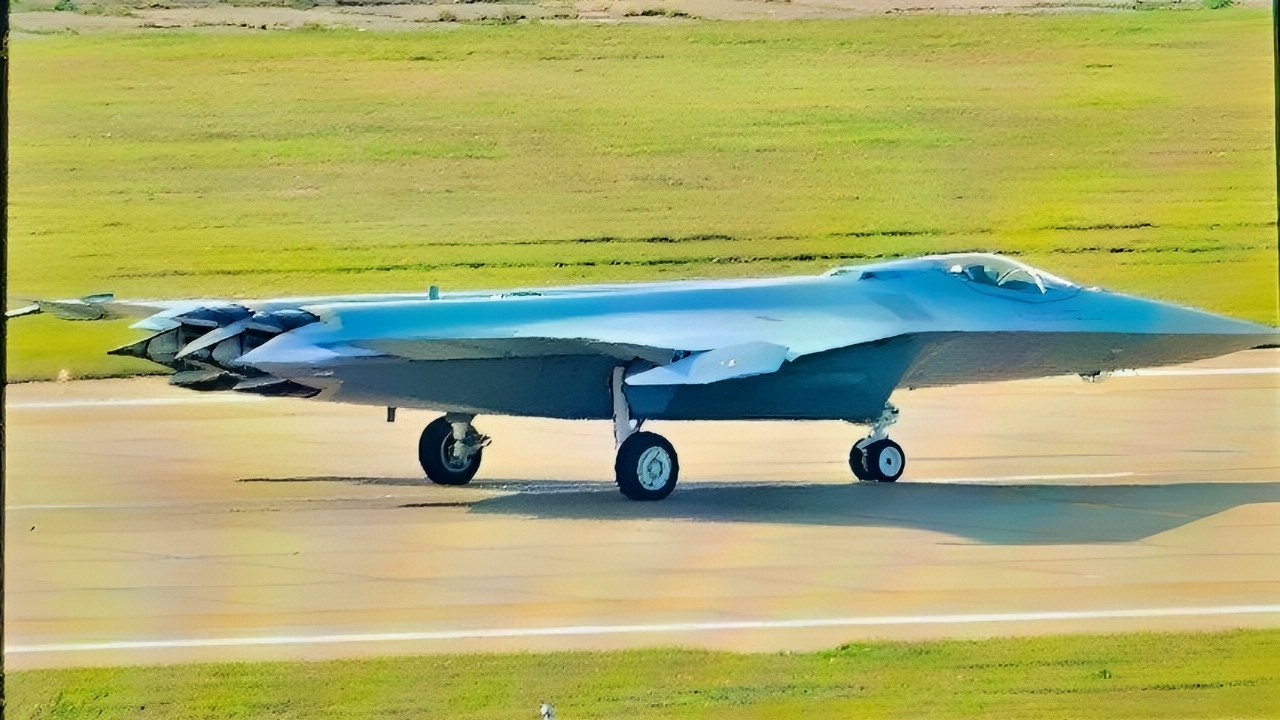
Key Points and Summary – A central mystery in military aviation is why China constantly shows off its 6th-generation J-36 and J-50 fighters, while the U.S. Air Force’s F-47 NGAD remains top secret.
-The answer lies in a “PR War.”
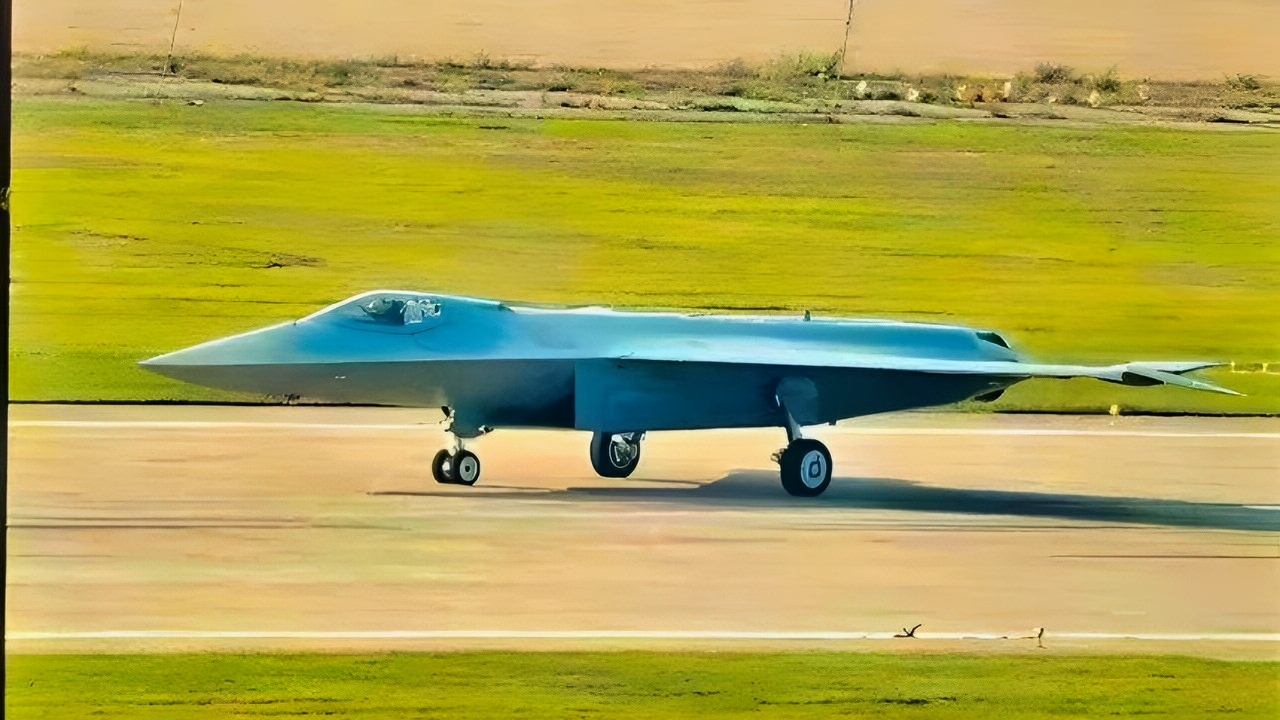
J-50 Image. Image Credit: X Screenshot.
-Chinese developers may be flaunting their aircraft to secure funding in a competitive political system.
-The U.S., in contrast, feels no need to “show off,” prioritizing the secrecy of its superior technology, such as new adaptive cycle engines and advanced sensor fusion, which form the F-47’s true strength.
Why Isn’t America Showing Off the F-47 Like China?
WARSAW, POLAND – On March 21st, President Trump personally announced from the Resolute Desk that the contract award for the US Air Force’s (USAF) 6th-generation aircraft was being given to Boeing.
Otherwise known as the Next-Generation Air Dominance (NGAD) program, the official designator for the aircraft is the F-47.
The choice of Boeing over Lockheed Martin was a surprise to most of the world’s combat aviation watchers worldwide.
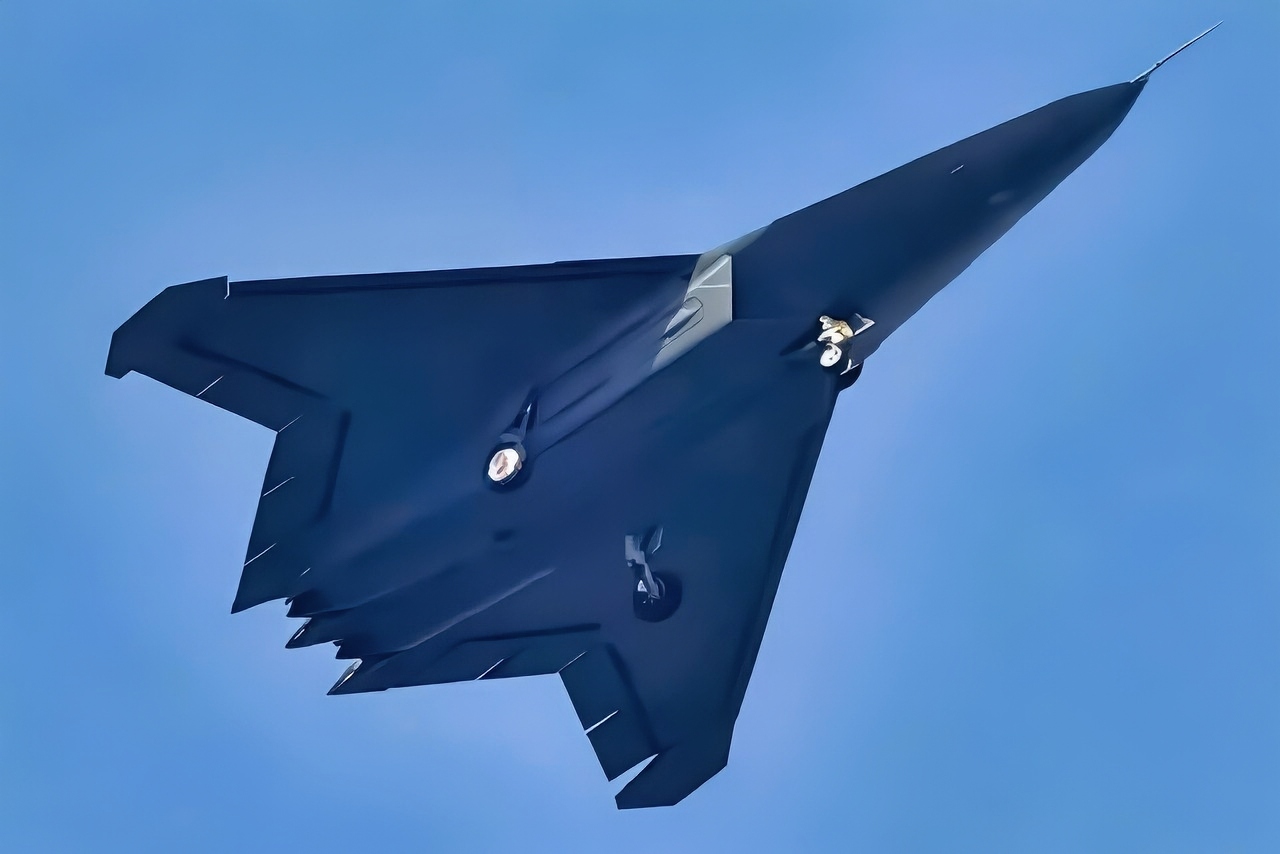
J-50 Fighter from China Weibo Image
But, upon closer inspection, it’s not entirely an unexpected decision.
This has led some to ask why we have seen so much of the two new Chinese-designed 6th- and 6th-generation fighter aircraft – the Chengdu J-36 and Shenyang J-50/XDS designs.
But in response, all we have seen of F-47 are some artists’ concepts in which many of the aircraft’s details are obscured by clouds.
This is to avoid revealing much of the configuration.
Suggestions have also been made that the details have been manipulated, perhaps even to fool the Chinese and others trying to learn about the aircraft’s design.
If there were a PR war underway at present, the Chinese would have been the clear winners to date.
They are openly flying these aircraft in broad daylight and at locations where people nearby can take video footage, which is then broadcast all over the internet.
One Side Likes Showing Off More Than The Other
So why is China doing this?
The reason, explained a long-time and now-retired NATO-nation intelligence officer who spent many years posted to the PRC, “is that the guy who parked his automobile did so in a way that everyone working in his office building can look out the 31st floor windows and say, ‘hey what a car – what a big shot’.”
So that is part of the explanation.

J-50 Fighter. Image Credit: Creative Commons.
Another factor is that within China’s defense industrial complex, major industrial corporation heads wield political clout to mobilize funding for their programs.
Many of them are “double-hatted” and also have seats on the Communist Party Central Committee or in the National People’s Congress.
Making sure the world knows about their programs in these unofficial videos is how they impress their bosses higher up the food chain, who hold the purse strings.
And just as in the West, there will also be competition between different aircraft design companies for bragging rights and whose program gets funded first.
US Dominance and Secrecy on F-47
The US feels less compelled to show off Chinese-style as it remains more advanced in many of the key military technologies required to build a 6th-generation aircraft.
But a lengthy overview of the program by a pro-China website may explain the disparity in public revelations about US and PRC aircraft.
One point made is that the US is unlikely to reveal more about the F-47 for fear of compromising the technical approach to this aircraft’s design and the technologies already developed for it.
Two innovations the US is seeking to keep under wraps as long as possible are clues about the new adaptive-cycle engines and the advanced sensor fusion that is a key strength of these 6th-generation designs.
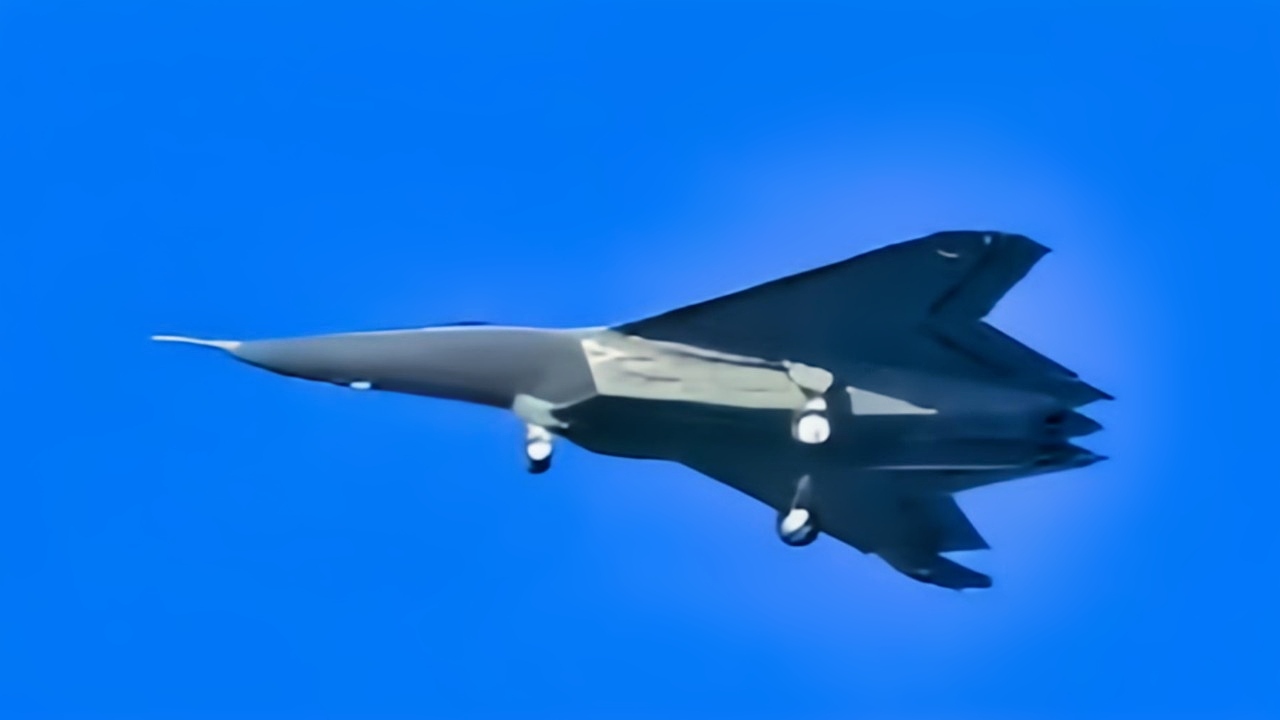
J-50 Fighter from China. Image Credit: Creative Commons.
The same website also points out that during the March announcement of the program award, Trump emphasized that the validation aircraft that were the testbeds for the F-47 proposals initially flew in 2020.
He likely mentioned this because it had transpired during his previous term, allowing him to say, “I am the guy who made this program happen and not Biden.”
Trump also mentioned hundreds of flight hours already logged by the demonstrator aircraft, suggesting the US has superior experience over China, rather than just superior public hype.
But, nitpicking a bit, the Chinese document states that the US aircraft were likely not more than “technology validation aircraft compared to China’s aircraft [being] in the engineering validation stage,” making the Chinese programs theoretically further along in development.
Who is ahead and who is further along is rarely a measure of success for either side when compared with Chinese programs.
Nonetheless, the US side is not going to show more than they have and give away anything substantial in terms of details.
About the Author: Reuben F. Johnson
Reuben F. Johnson has thirty-six years of experience analyzing and reporting on foreign weapons systems, defense technologies, and international arms export policy. Johnson is the Director of the Asia Research Centre at the Casimir Pulaski Foundation. He is also a survivor of the Russian invasion of Ukraine in February 2022. He worked for years in the American defense industry as a foreign technology analyst and later as a consultant for the U.S. Department of Defense, the Departments of the Navy and Air Force, and the governments of the United Kingdom and Australia. In 2022-2023, he won two awards in a row for his defense reporting. He holds a bachelor’s degree from DePauw University and a master’s degree from Miami University in Ohio, specializing in Soviet and Russian studies. He lives in Warsaw.
More Military
China Might Have a Way to ‘Swarm’ U.S. Navy Aircraft Carriers
India Leases Russia’s ‘Stealth’ Nuclear Attack Submarines
The Mach 3 SR-71 Blackbird Deserves A Better Fate Than This
The F-14 Tomcat Fighter Was ‘Notoriously Difficult and Costly to Keep Operational’


