

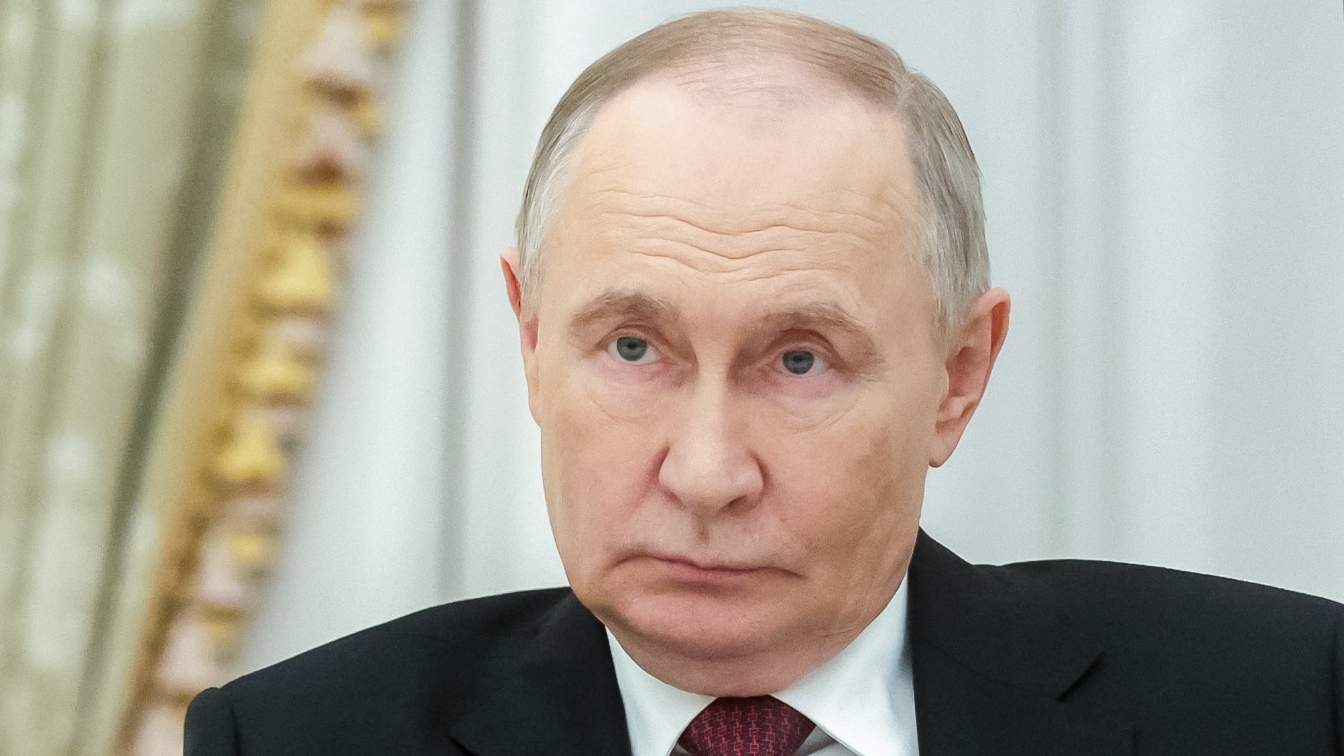
Russia, one of the world’s biggest oil producers, is importing gasoline and sending its own crude abroad for refining as Ukrainian drone strikes continue to knock some of its major refineries offline. It comes as peace talks stall, and Kyiv prolongs its campaign against critical Russian infrastructure.
Gasoline Rationing Rolled Out in Russia
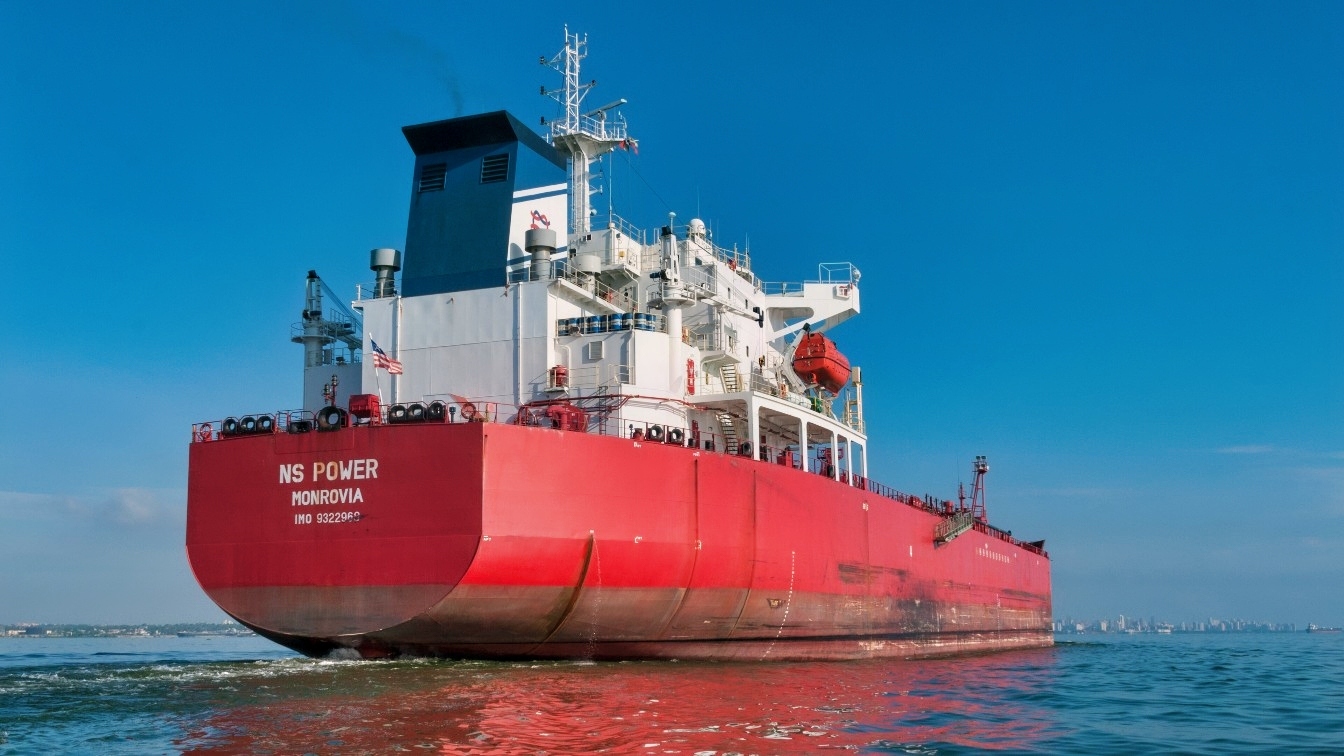
Oil Tanker. Image Credit: Creative Commons.
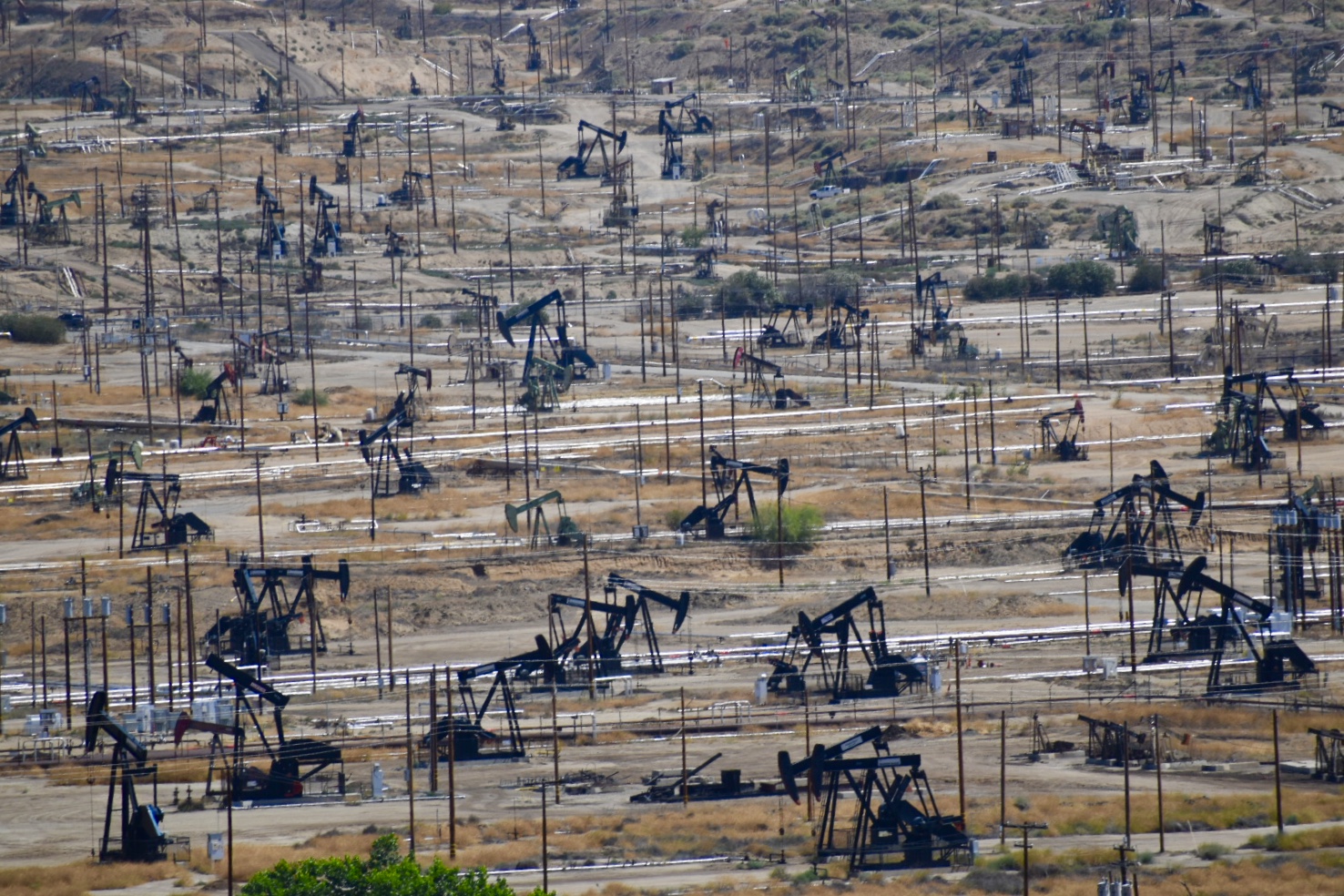
Oil fields. Image Credit: Creative Commons.
The imports mark a sharp backward step for Russia, which normally exports large volumes of gasoline and diesel.
Moscow has turned to Turkey, India, Belarus and Kazakhstan for additional supplies while imposing restrictions at gasoline stations and curbing exports to preserve fuel at home.
S&P Global revealed that the tanker Wendrix was carrying some 200,000 barrels of gasoline from the Turkish port of Mersin to Russia, the first identified seaborne gasoline shipment from Turkey since Russia’s current fuel crisis began. The vessel is currently sanctioned by both the European Union and the United Kingdom.
S&P Global also said Russia has received over 1 million barrels of gasoline by sea since the end of July, including three cargoes loaded at India’s Vadinar refinery and transferred near Egypt. A separate shipment arrived from Morocco, though the fuel’s origin was unclear.
The corporation has described Russia as “historically one of the world’s largest motor fuel exporters.”
Russian Oil Increasingly Refined Overseas
Kazakhstan is now processing Russian crude and sending a big chunk of it back across the border.
The Central Asian nation’s Energy Minister Yerlan Akkenzhenov said on Tuesday that the Kondensat refinery in western Kazakhstan would process Russian crude, with roughly 70% of the resulting gasoline and diesel sent back to Russia.
“It will depend on rail capacity,” Akkenzhenov told the press, according to Kazakh business outlet Kursiv. The refinery is not connected to Russia by pipeline, meaning the crude must be transported by rail.
Russia imported 141,000 metric tons of Belarusian gasoline during the first 25 days of June, according to data from the Center for Price Indices cited by Russian newspaper Vedomosti. That compares with a mere 1,000 tons during all of June 2025.
On Thursday, The Guardian said that the increase amounted to a 141-fold year-over-year jump.
Those imports come alongside a difficult month for Russia’s refining sector.
Reuters reported Thursday that Ukrainian drones hit NORSI, Russia’s fourth-largest refinery, forcing the Lukoil-owned plant to suspend crude processing on August 26. The facility can process about 15 million metric tons of oil annually and is Russia’s second-largest gasoline producer.
NORSI joins a growing list of disrupted plants in Russia.
Reuters said the Novoshakhtinsk refinery halted operations following a major August 25 attack, while the Afipsky refinery caught fire the same day.
Perm stopped operating following a strike on August 21, and Orsk ceased processing after an August 11 attack. Repairs at Orsk could take six months, the regional governor said.
S&P Global estimated Russian crude runs averaged 3.7 million barrels per day in July, down 28% from the 2025 mean.
The consequences are increasingly visible to ordinary Russian motorists, with kilometer-long lines being reported in Moscow.
In July, the Financial Times estimated that the fuel crisis was already directly affecting about 50 million people – roughly 35% of the Russian population.
A taxi driver described conditions more starkly: “Everything is very bad,” adding that drivers could spend “two or three hours in a queue.”
Diesel Export Ban Expanded
The Kremlin had responded by restricting exports, loosening some fuel-quality requirements and importing petroleum products.
Moscow is reportedly preparing to extend its diesel export ban through September, while one industry source said it was also discussing keeping the restriction in place through the end of 2026.
Russia has already banned exports of motor gasoline until January 31, 2027.
This week, Deputy Prime Minister Alexander Novak acknowledged the instability of the situation, stating: “The situation is changing every day… We’re constantly monitoring it and are making decisions at our headquarters.”
Ukraine has repeatedly said that its series of attacks on refineries and other energy infrastructure are intended to restrict the revenues and resources Moscow can use to sustain its full-scale invasion.
Retired Australian general Mick Ryan summed up the strategy in June: “The strikes are not designed to change his rhetoric; they are designed to change his calculus.”
About the Author: Georgia Gilholy
Georgia Gilholy is a journalist based in the United Kingdom who has been published in Newsweek, The Times of Israel, and the Spectator. Gilholy writes about international politics, culture, and education.


