

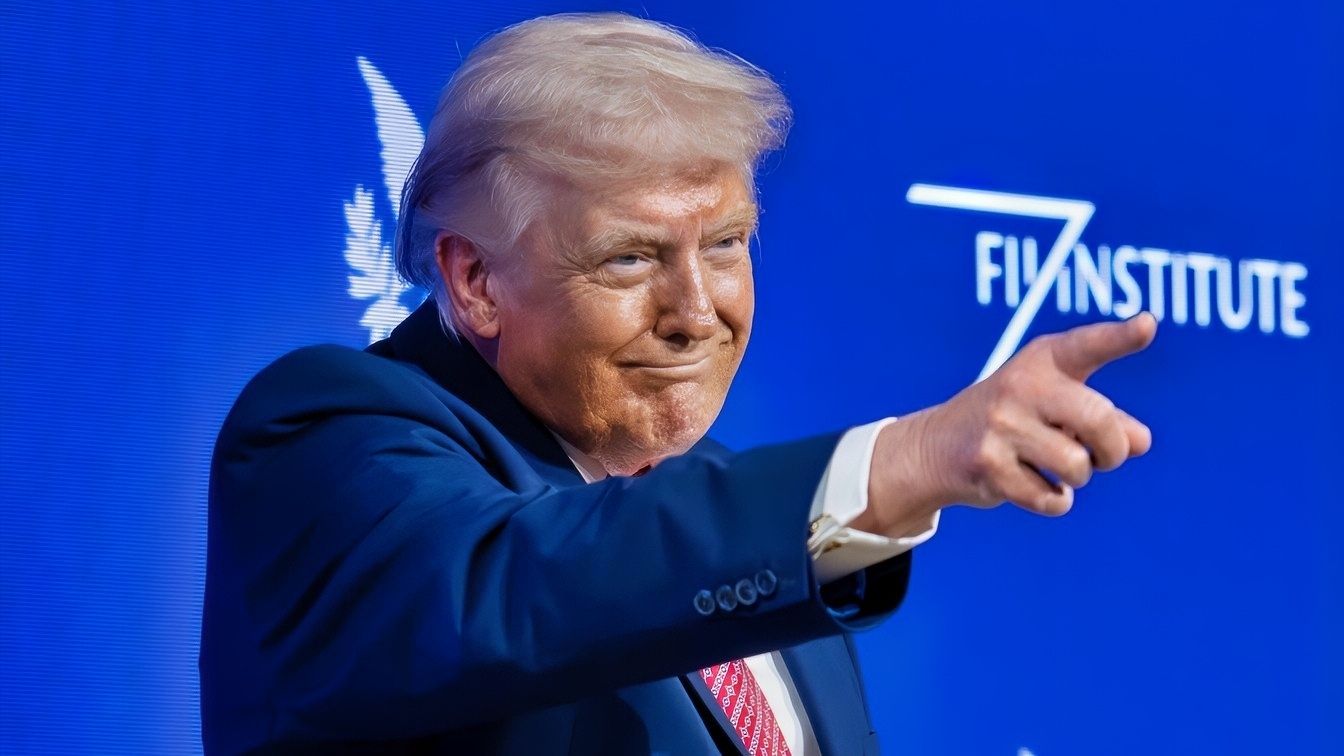
Earlier this week, the American President Donald Trump appeared confident in America’s position vis-à-vis the war in Iran, and sure that the United States would be able to leverage its position over Tehran to ensure that shipping transiting the Strait of Hormuz could do so safely.
“The Hormuz Strait is OPEN, and will remain OPEN, with or without Iran. We are reinstating the THE IRANIAN BLOCKADE, so named because it is only stopping Iran’s ships or customers from entering or leaving,” the president wrote on Truth Social. “All other countries will have fair and open use of the Strait,” he added.
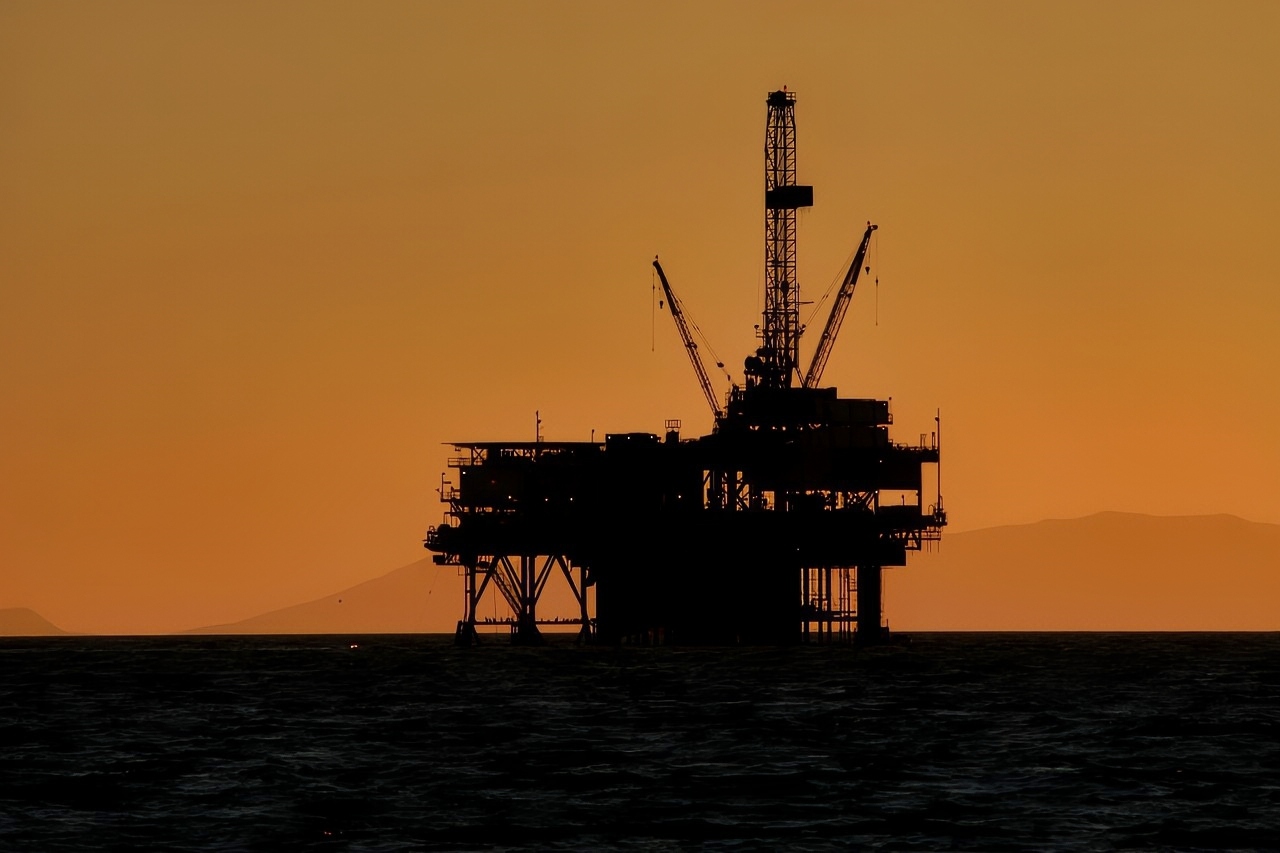
Oil Platform. Image Credit: Creative Commons.

Generic Oil Tanker Image. Image Credit: Creative Commons.
“The U.S.A. will be, from this point forward, known as “THE GUARDIAN OF THE HORMUZ STRAIT,” but as such, and as a matter of FAIRNESS, will be reimbursed, at the rate of 20% on all cargo shipped, for any and all costs necessary to do the job of providing safety and security to this very volatile section of the World. The process and formation will begin immediately.”
A Stark About-face
But the following day, the American president appeared to demur in what was, in essence, a stark about-face.
While the Strait would be open for commercial shipping vessels sailing on to international markets, it would not be American military might directly that ensured safe passage, but a payment scheme in which countries passing through the waterway would exchange the safe passage of their ships for investments and trade opportunities with the Gulf states allied with the United States.
Though the waters are muddy, this latest twist is just the latest flip-flop in proposals from Washington. Despite striking a vaguely-worded and ambiguous memorandum of understanding with Tehran, in essence a temporary cease-fire with details kicked forward into the future, an end to the war seems no closer now than it has since the opening salvoes of the conflict erupted, killing Iran’s Supreme Leader and much of the country’s senior military and political leadership but failing to uproot the rest of the country’s leadership structure.
Bad Options — and No End in Sight
The American president is facing headwinds on several fronts. His approval ratings, as measured by The Economist, CNN, and The New York Times, are low and appear to be trending downward. Prices at the pump have come down from their peak during the opening bombardments of Operation Epic Fury, but remain high — a cost that is typically particularly irritating for Americans.
The risks to America’s Gulf state allies are acute, even though they, as well as the United States, have managed to largely blunt the main thrusts of Iran’s military.
And while Iran does not have an advantageous hand, it still has several cards it can play and retains the ability to launch missiles at Israel and the Gulf countries, even as the United States continues to bombard the country’s missile and air defense sites as well as some of its naval and air defense assets and has resumed its blockade of the country’s ports.
Clearly an Unclear Situation
Turbid though the situation is, what is seemingly crystallizing is that the American president has no good options — and neither does Iran.
Unable to preserve even the illusion of sovereignty over its territory, and with an economy crippled in part by the American naval blockade, Iran is unable to export the lifeblood it needs to survive: oil.
In a similar vein, Washington’s options are far from ideal. Though American warplanes overfly the country with seeming impunity, it is increasingly clear that aerial bombardment alone will not be enough to uproot the Iranian regime.
The American Commander-in-Chief could choose to escalate the conflict and increase pressure on the nominally theocratic regime in Tehran, but doing so carries its own risks. An increase in oil prices, both in the United States and globally, would be expected.
That carries its own particular risks for the President and his Republican Party heading into the midterm elections in November and is certainly a situation the party would like to avoid.
What is increasingly clear, however, is that five months into this war, an end to hostilities is seemingly as far away now as it was on day one. With the memorandum of understanding between Tehran and Washington all but shredded, the question now is, what comes next?
About the Author: Caleb Larson
Caleb Larson is an American multiformat journalist based in Berlin, Germany. His work covers the intersection of conflict and society, focusing on American foreign policy and European security. He has reported from Germany, Russia, and the United States. Most recently, he covered the war in Ukraine, reporting extensively on the war’s shifting battle lines from Donbas and writing on the war’s civilian and humanitarian toll. Previously, he worked as a Defense Reporter for POLITICO Europe. You can follow his latest work on X.


