


Moscow says it shot down 505 drones. But the fires in Tver point to another successful Ukrainian attack deep inside Russia. Ukrainian drones hit a chemical plant that makes fuel for Russia’s cruise missiles, set an oil depot burning near Belgorod, and knocked out part of a Yandex data center in Kaluga overnight on Oct. 9, according to the Kyiv Post. Russia’s Defense Ministry responded as usual, with a big number.
It claimed its air defenses destroyed 505 Ukrainian fixed-wing drones over 19 Russian regions, occupied Crimea and the Black and Azov seas.
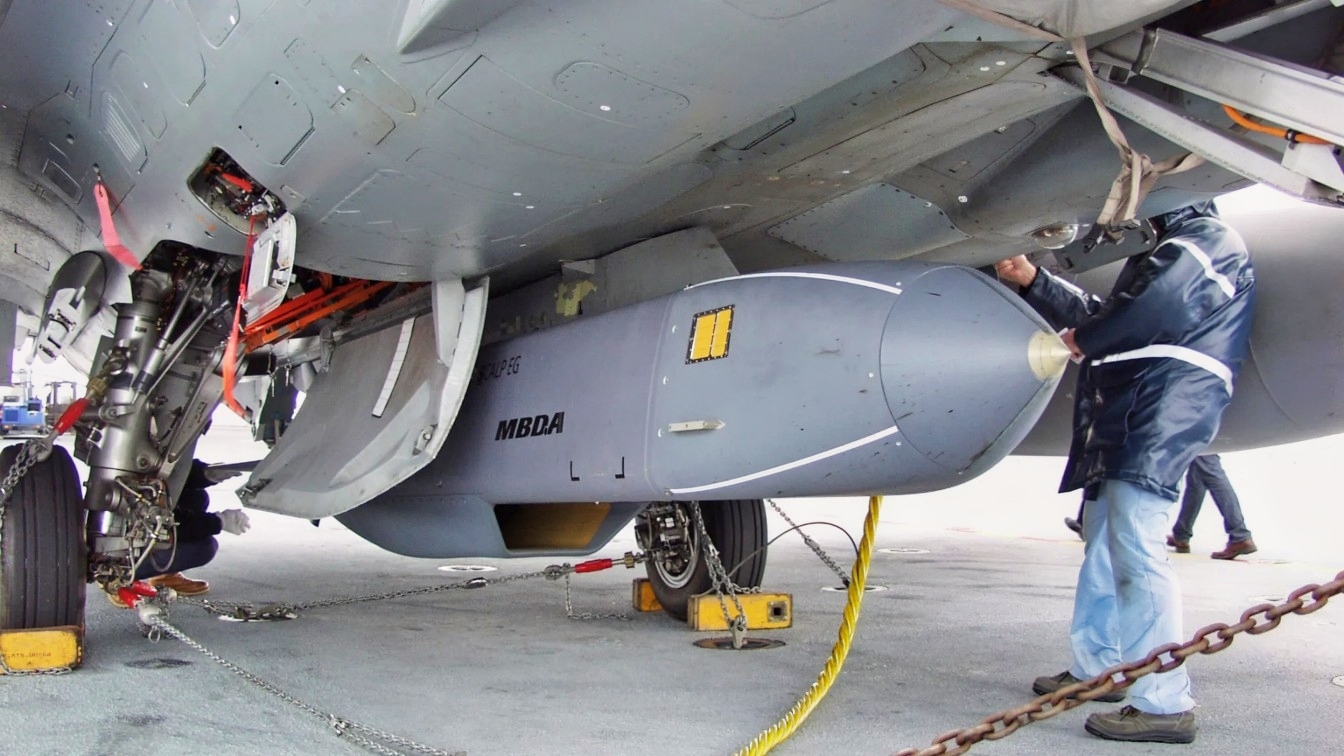
SCALP Missile Ukraine Military Photo
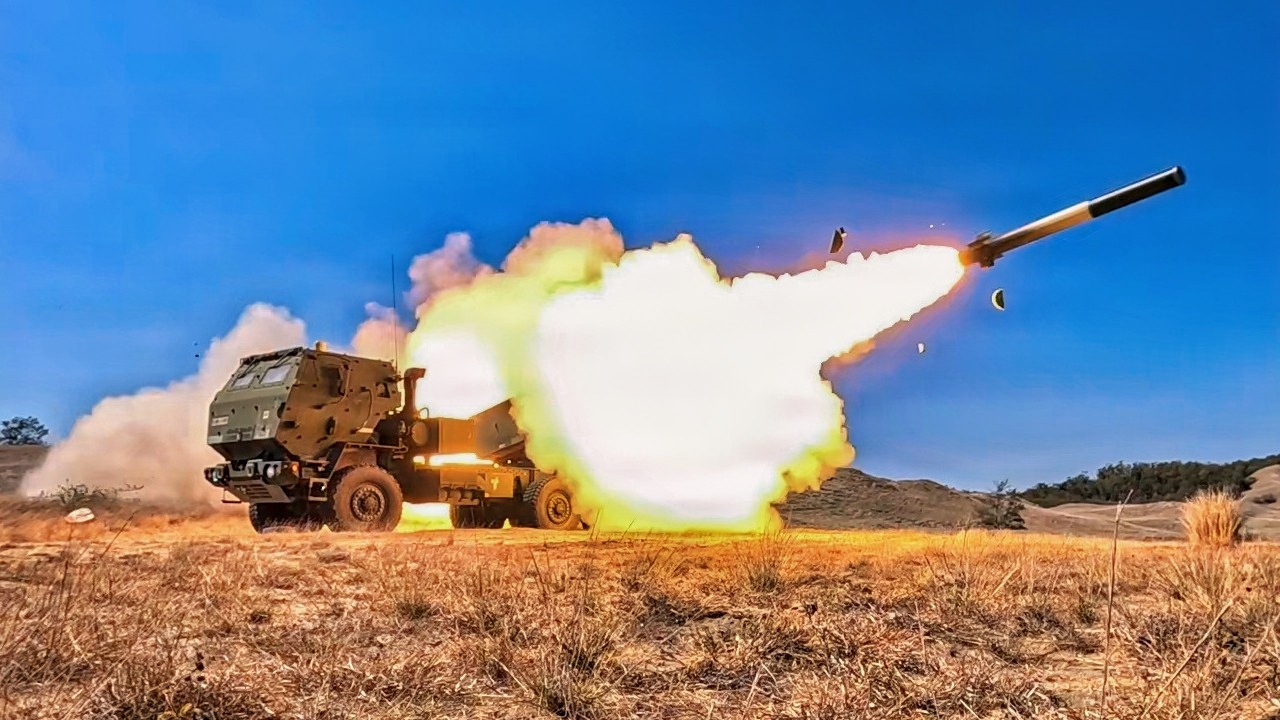
U.S. Soldiers assigned to 2-11 Long Range Fires Battalion, 25th Infantry Division Artillery, fire a High Mobility Artillery Rocket System during a counter-landing live-fire exercise as part of Exercise Balikatan 2026 at La Paz Sand Dunes, Laoag City, Philippines, May 4, 2026. Balikatan is a longstanding annual exercise between the Armed Forces of the Philippines and U.S. military that represents the strength of our alliance, improves our capable combined force, and demonstrates our commitment to regional peace and prosperity. (U.S. Army photo by Sgt. Duke Edwards). Ukraine has such missiles to fight Russia.
That’s an impressive figure and probably close to the truth; however, they set all the targets on fire.
Going After The Archer, Not Just The Arrows
The night’s most important hit wasn’t the flashiest.
It was the Redkino Experimental Plant in Tver Oblast, the region’s largest chemical enterprise.
The facility produces Decilin-M, a specialized rocket fuel component used in the Kh-55 and Kh-101 air-launched cruise missiles, along with additives for diesel and aviation kerosene.
Ukraine first targeted the plant in February, and Russian Telegram channels reported it was targeted again overnight.
Tver’s governor said firefighters put out the fire, workers were sent to a shelter, and nobody was hurt.
This attack is significant since the Kh-101 is one of the primary weapons Russia’s Tu-95 and Tu-160 bombers launch at Ukrainian cities and power plants.

Tu-95 Bear Bomber. Image Credit: Creative Commons.

Tu-95 Bomber from Russia. Image Credit: Creative Commons.
Every one of those missiles needs fuel to fly.
Ukraine has chosen to strike the fuel source rather than shoot down missiles one at a time, which is expensive and burns precious interceptors.
That is among the smartest things Ukraine has done with its long-range drone program.
A specialty chemical plant feeding the cruise missile fleet fits the description of a critical specialty node. Hitting it twice suggests someone in Kyiv thinks so, too.
The Oil Depot And The Data Centers
In Belgorod Oblast, NASA’s FIRMS satellite fire monitoring picked up a blaze at an oil depot north of the city after the attack.
The depot supplies fuel to industry, farms and gas stations across the region.
It’s the latest in a long line of Russian fuel targets.
Just last week, Russia claimed it intercepted 646 drones while fires broke out at oil and chemical facilities in Volgograd and a massive tank farm in Samara.
On Thursday, Ukraine’s special operators hit the Omsk refinery again, about 2,500 kilometers from the border.
The Omsk plant is Russia’s largest oil refining enterprise, capable of processing over 21 million tons of oil annually.
The Yandex strikes are a new development.
On Oct. 8, drone strikes set fire to a Yandex data center in Sasovo, Ryazan Oblast. The Moscow Times called it the first confirmed strike on Russian data infrastructure since the 2022 invasion.
Downdetector logged more than 1,300 complaints about Yandex Cloud and related services, and the company’s stock dropped over 3.4 percent on the Moscow Exchange.
The Sasovo site houses tens of thousands of servers and two of Yandex’s three supercomputers used to train AI models.
One night later, Knext Yandex said several modules at its Kaluga data center were completely disabled and warned that some services could be disrupted.
Kyiv hasn’t officially claimed the Kaluga strike. However, it hasn’t exactly been shy about the motive.
Tit For Tat, With Servers Being Targeted
Since late September, Russian strikes have hit several Ukrainian internet providers and data centers in Kyiv, knocking roughly 100,000 households offline.
Moscow claimed those facilities processed military intelligence.
Asked about Sasovo, President Volodymyr Zelenskyy didn’t deny it.
He said Ukraine always responds in kind.
That’s the logic Zelenskyy laid out when he approved a plan for long-range operations late last month. You attack our grid, we’ll hit your refineries.
You hit our data centers, and we hit yours.
It’s blunt, and it’s the only kind of deterrence the Kremlin has ever respected.
Yes, it is a civilian tech company; however, Russia has been attacking civilian infrastructure and civilians for four and a half years.
Russia picked the target set, and Yandex servers carry everything from Russian Railways to MegaFon.
Infrastructure that runs a country at war is part of the war.
So What Does 505 Drones Shot Down Really Mean?
Russian Defense Ministry shootdown claims have always been creative writing, much like their claims of battlefield “victories.” On Oct. 8, the ministry claimed 399 drones. The next night it was 505.
If those numbers are even close to accurate, Ukraine is launching drone raids on a scale nobody imagined in 2022.
If they’re inflated, the real story is how many got through. Either way, Moscow is telling you something it doesn’t intend to.
The Russian side also pays a human toll. Kaluga’s governor said nine people were injured across the region, and Belgorod officials reported two killed and four wounded.
However, none of this happens in a vacuum.
Russian strikes killed at least 41 people across Ukraine the same night, a day after glide bombs hit buses that killed 33 people in Kramatorsk.
Kyiv’s mayor, Vitali Klitschko, warns that the capital is heading into winter survival mode.
All of this is unfolding as US and Ukrainian delegations meet in Miami to talk peace. Both sides use strikes like these as leverage.
They raise the price of Russia’s war every single night, and they hit the industry Moscow needs to keep it going.
The Kremlin can claim 505 drones shot down, but the plants on fire are what really matters.
About the Author: Steve Balestrieri
Steve Balestrieri is a National Security Columnist. He served as a US Army Special Forces NCO and Warrant Officer. In addition to writing on defense, he covers the NFL for PatsFans.com and is a member of the Pro Football Writers of America (PFWA). His work was regularly featured in many military publications.


