

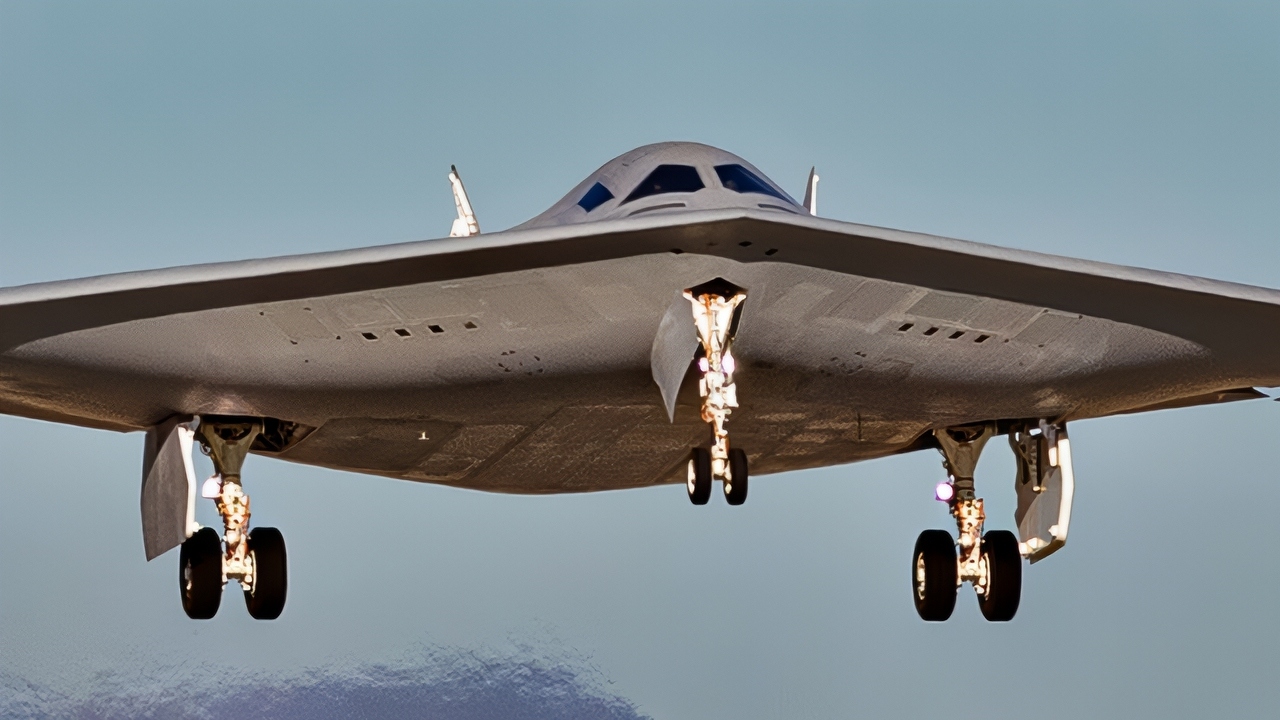
In recent times, there has been a debate over how many B-21 Raiders the U.S. should procure. Some senior Air Force officials have argued that a large number of B-21s is needed to effectively deter China, while more cautious officials have argued that increasing the fleet size could be too expensive. Recently, however, the Air Force seems to be seriously considering plans to increase its bomber fleet. Officials from Northrop Grumman recently weighed in on the matter and expressed confidence in their ability to ramp up production should the Air Force choose to expand the fleet.
Increasing the B-21 Raider Fleet Size? Northrop Weighs In
On May 28, at the Bernstein Strategic Decisions Conference, Kathy Warden, Northrop’s chief executive, stated that the company is taking steps to expand production of the B-21. These steps, she said, are intended to encourage the Air Force to consider purchasing more than the 100 minimum aircraft it currently has planned. “As we move through the completion of the test program and into production,” Warden said, “we look forward to the opportunity to build these faster—and that’s the agreement that we have now come to with the Air Force—which also opens up the opportunity for [the Air Force] to potentially buy even more.”
Obviously, Northrop has a lot to gain from an expanded fleet. According to Warden, the company is investing $2.5 billion of its own money in bolstering B-21 production. This money is going towards new production facilities, which are expected to be operational in the next several years.
Northrop also reported a $477 million loss on the B-21 program in the first quarter of 2025, which it hopes to recoup once the bomber enters full-scale production. “Any program of this size does carry with it risk,” Warden said. “Especially as you move into production for the first time. But we are reducing those risks with each passing day. As the aircraft tests well, and we get through build processes, we are feeling very positive about our ability to continue to deliver on our estimates.”
The U.S. Wants More B-21s
These remarks came after senior U.S. officials expressed the need to potentially increase its fleet in response to China’s rapid military buildup. “That increased rate allows [the Air Force] to consider how they meet mission requirements and how many aircraft they would want to build to do that,” Warden continued. “They are undertaking that analysis now, and certainly our ability to build faster is a positive factor in those evaluations.”
In April, Secretary of Defense Pete Hegseth told Congress that the USAF would require “a lot more” than 100 B-21s in order to meet American defense needs. The exact numbers that the Air Force is expecting are not yet known, but are expected to be revealed in 2027, when the Air Force submits its fiscal year 2028 budget proposal.
Other defense officials were even more direct. Vice Adm. Richard Correll, the newly appointed Commander of STRATCOM, openly advocated for an increase to 145 B-21s and a life extension program for the B-52 Stratofortress. “I agree with Gen. Cotton’s assessment, and I believe he’s been on the record saying between 140 and 150 B-21s,” Correll said during his confirmation hearing before Congress. Over time, more and more Air Force officials have warmed up to the idea of increasing the B-21 fleet.
Learning From the B-2’s Mistakes
Despite the aircraft’s high price tag, the program has thus far produced significantly less controversy than the B-2 Spirit program did decades ago. And in fact, we saw a B-2 Spirit back last year in July at the National Museum of the U.S. Air Force. You can see our videos and photos from that visit woven throughout the article.
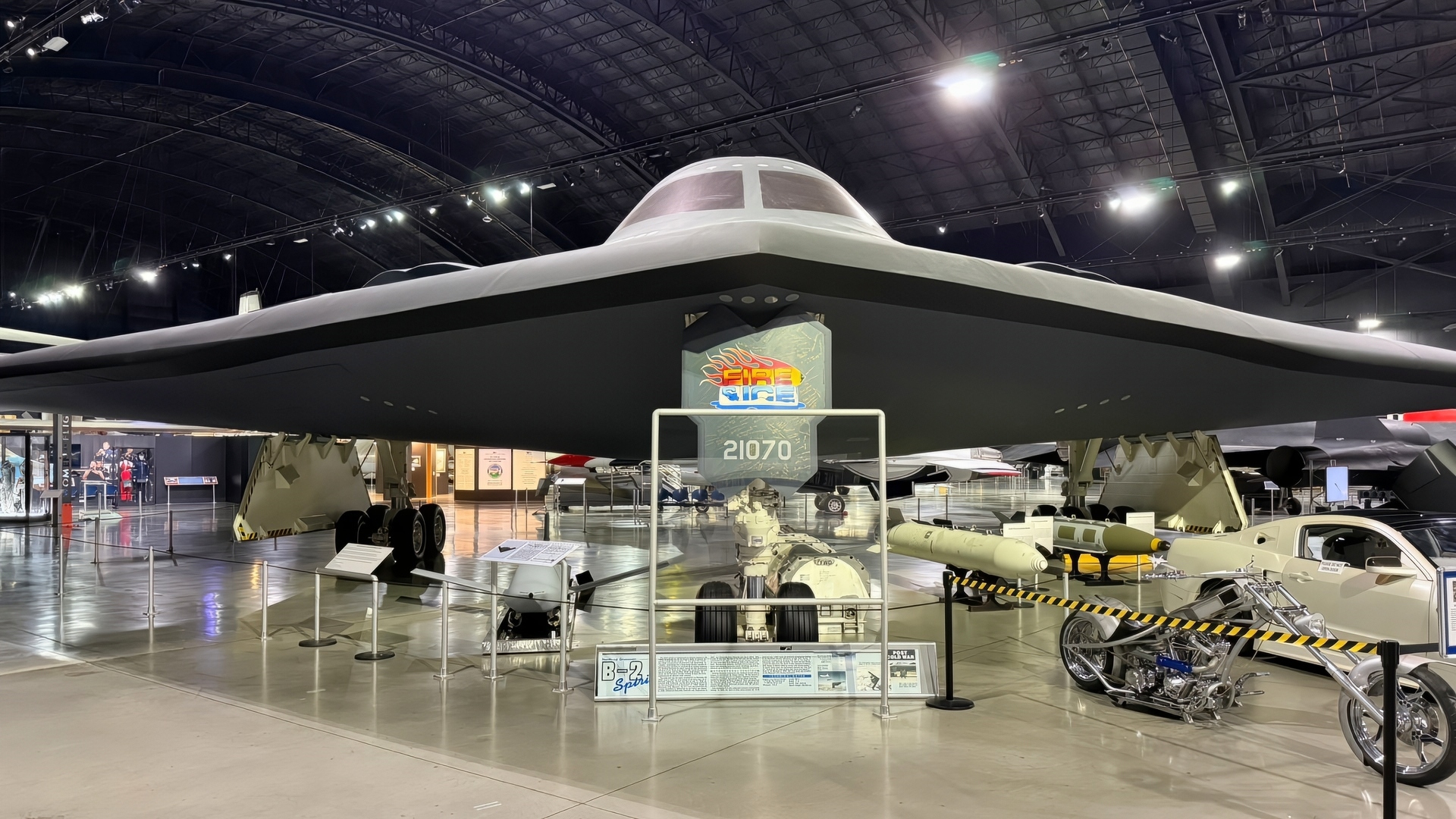
B-2A Spirit On Display. Image by Editor Harry J. Kazianis/National Security Journal.
In the 1990s, the B-2 program came under significant fire for its insanely high costs, which resulted in the closure of the production lines after only 21 units had been produced. By that time, the program had cost around $44.7 billion (about $92 billion when adjusted for inflation). Many in Congress at the time had felt that the price tag was not worth the investment.
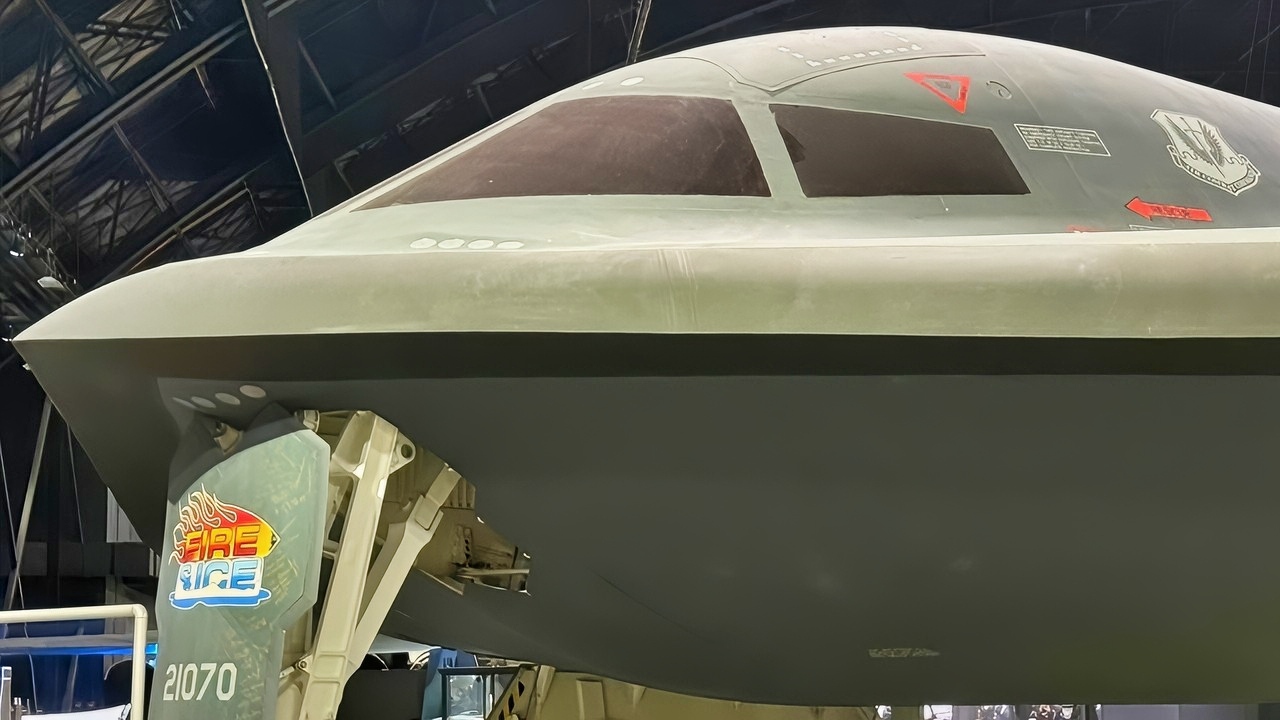
The Mighty B-2 Spirit Stealth Bomber. Image Credit: National Security Journal.
Northrop has since learned its lessons from the B-2 program. Despite the program casting more overall—early estimates suggest a total program cost of around $203 billion by the time all is said and done—the attitude among Congress and the military is universally positive towards the B-21.
The program has also progressed without any major delays or cost overruns. In fact, for a program as large and complex as this one, it has proceeded considerably more smoothly than many other procurement efforts in the recent past.
The Most Advanced Aircraft in the World?
The B-21 Raider is the most technologically advanced aircraft the United States has flown to date. Its flying-wing shape minimizes radar reflections, while advanced materials and specialized coatings further reduce its visibility across multiple spectrums.
The aircraft is designed to act as an intelligence-gathering apparatus and a battle management platform in addition to its role as an intercontinental strategic bomber. According to some reports, the aircraft can even perform air-to-air missions, which would technically make the B-21 a multi-role aircraft.
The B-21 is the first sixth-generation aircraft in the world to take flight. It is currently in low-rate initial production, with full-scale production slated to begin in the coming years.
From the Archive: The YF-23 Is the Stealth Fighter the Air Force Almost Built
Capable of carrying both conventional and nuclear armaments, the bomber will take its place within the U.S. nuclear triad, replacing the B-1B Lancer and the B-2 Spirit.
B-21 Raider: A Collection of Photos of the New Bomber
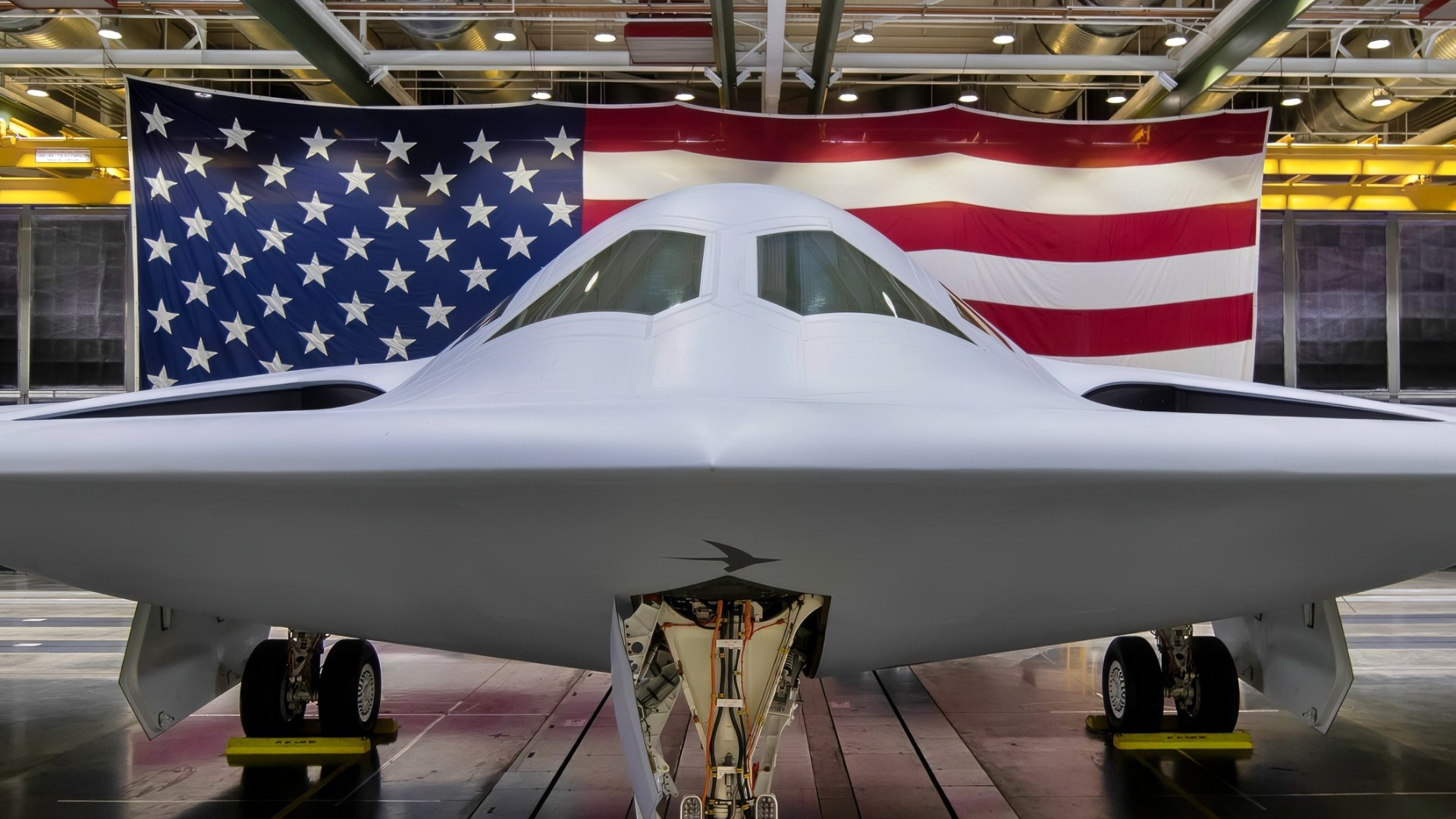
The B-21 Raider was unveiled to the public at a ceremony December 2, 2022 in Palmdale, Calif. Designed to operate in tomorrow’s high-end threat environment, the B-21 will play a critical role in ensuring America’s enduring airpower capability. (U.S. Air Force photo)
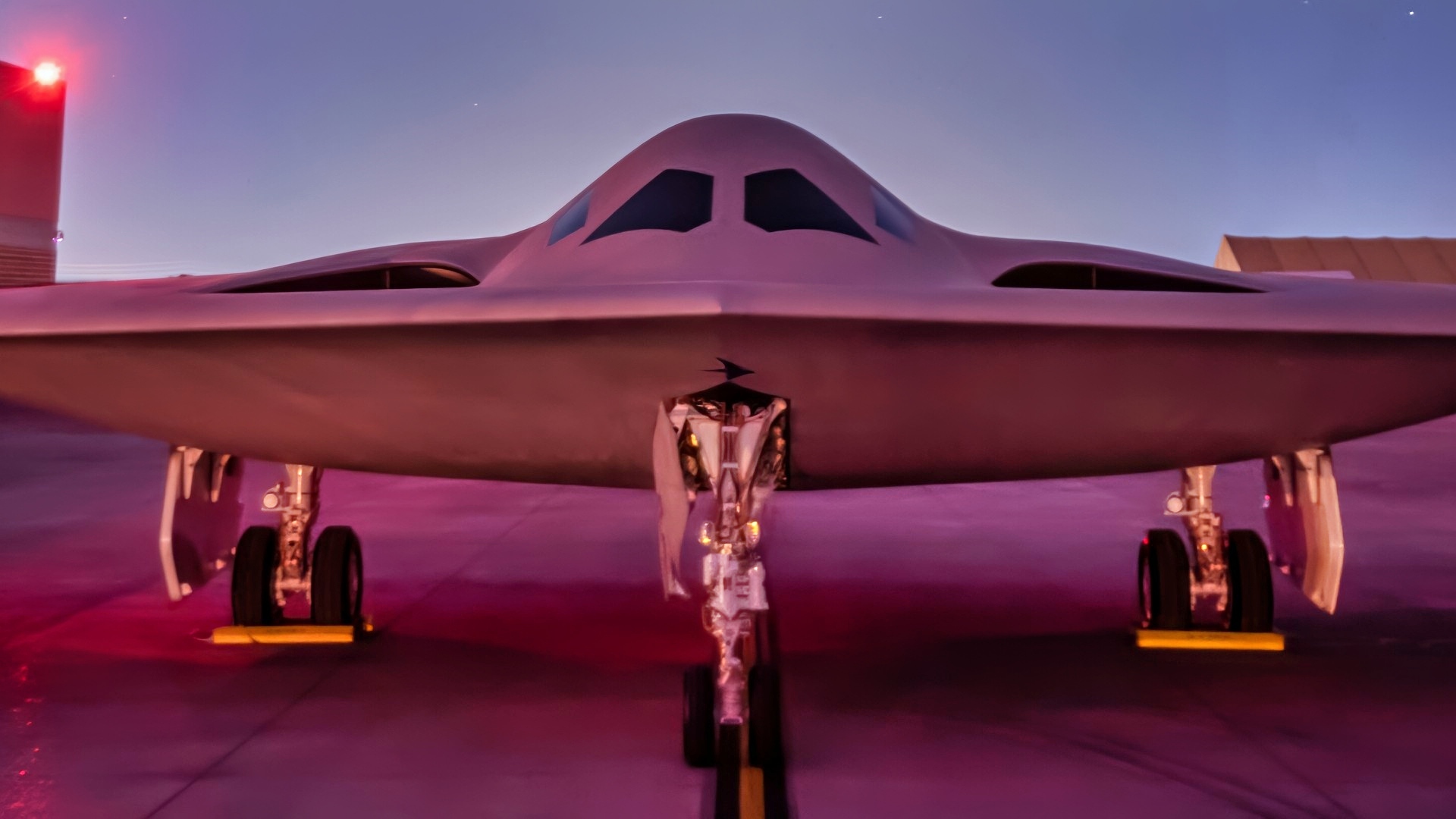
The B-21 Raider was unveiled to the public at a ceremony December 2, 2022 in
Palmdale, Calif. Designed to operate in tomorrow’s high-end threat environment, the B-21 will play a critical role in ensuring America’s enduring airpower capability. (U.S. Air Force photo)
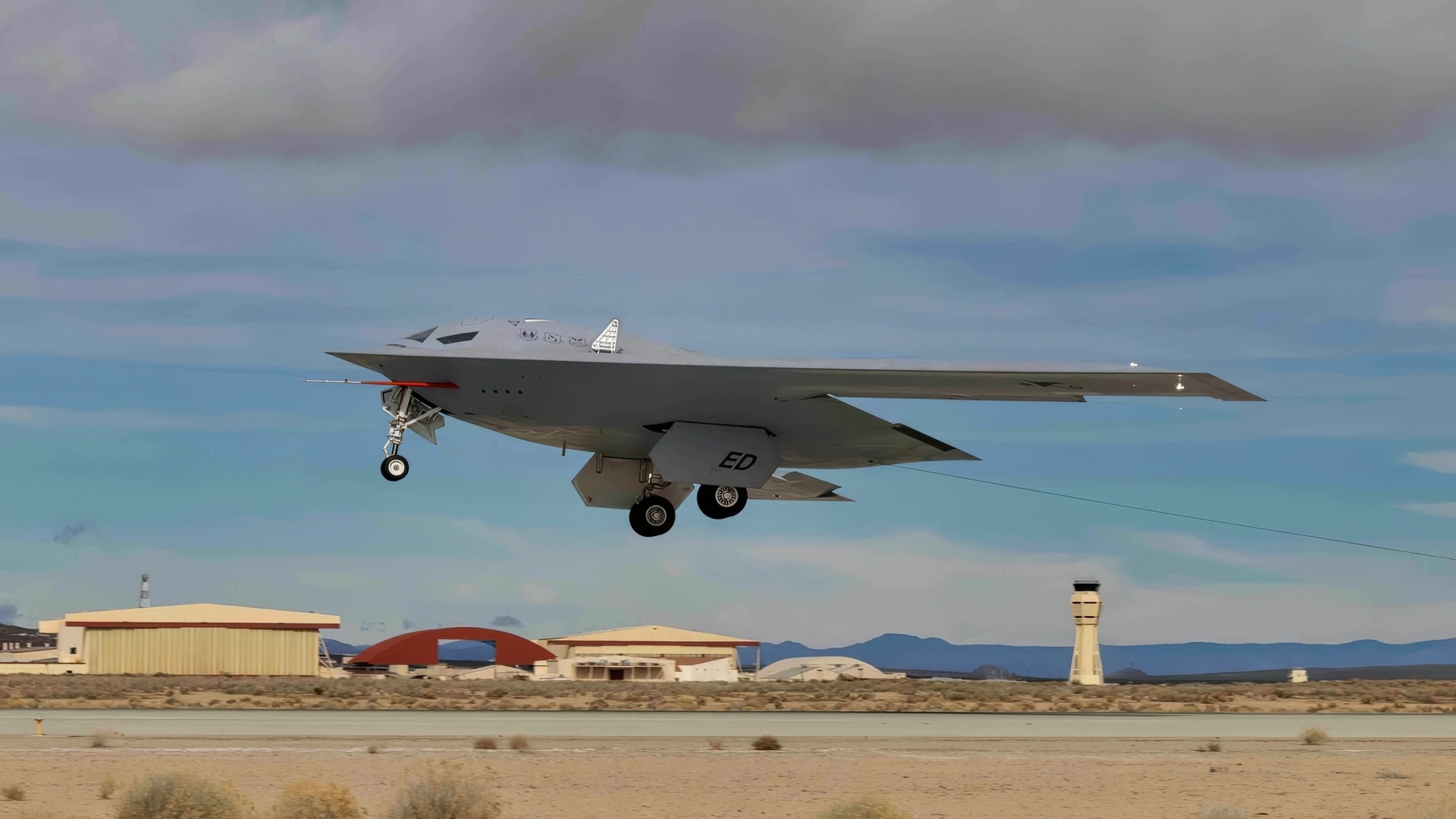
A B-21 Raider conducts flight tests, which includes ground testing, taxiing, and flying operations, at Edwards Air Force Base, California, where it continues to make progress toward becoming the backbone of the U.S. Air Force bomber fleet. The B-21 will possess the range, access, and payload to penetrate the most highly-contested threat environments and hold any target around the globe at risk. The B-21 program is on track to deliver aircraft in the mid-2020s to Ellsworth Air Force Base, South Dakota, which will be the first B-21 main operating base and location for the B-21 formal training unit. (Courtesy photo)
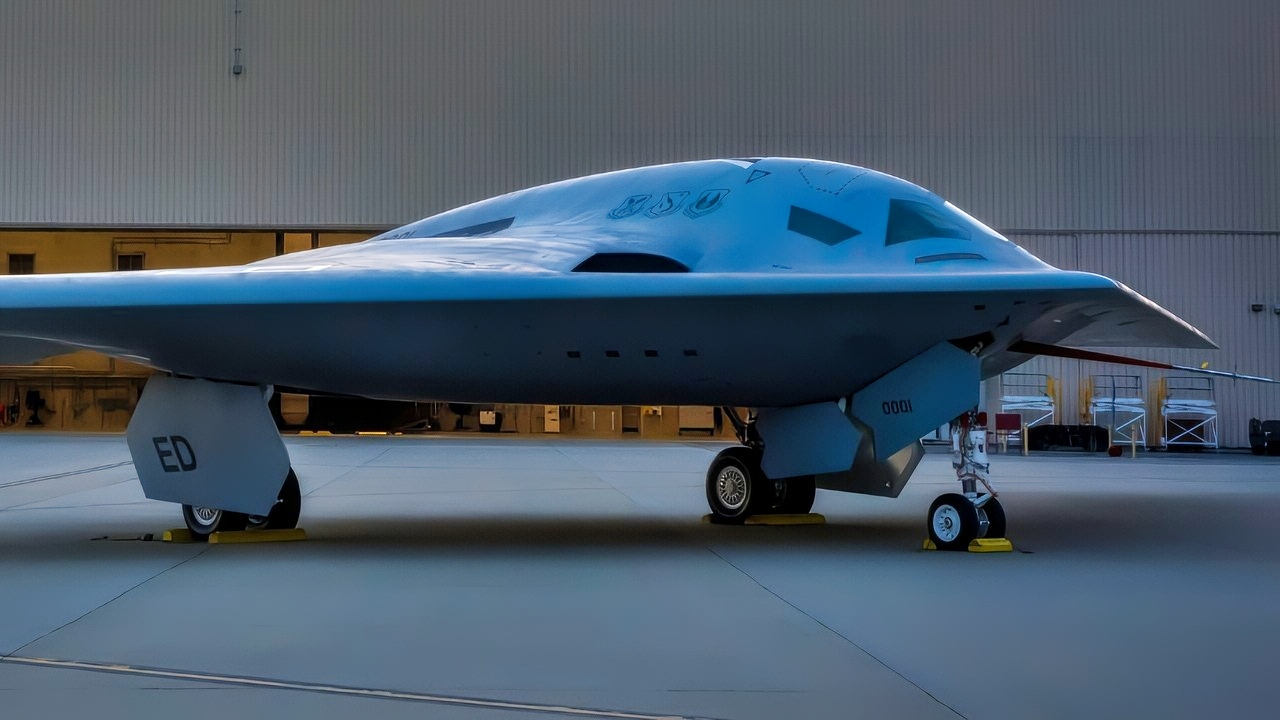
The B-21 Raider is designed with an open systems architecture, enabling rapid insertion of mature technologies and allowing the aircraft to be effective as threats evolve. The bomber was designed up front for supportability and maintainability, based upon decades of lessons learned and best practices from prior aircraft programs, to improve long-term affordability and outcomes in operations and sustainment. The B-21’s first flight is anticipated in calendar year 2023. (U.S. Air Force photo)
About the Author: Isaac Seitz
Isaac Seitz, a Defense Columnist, graduated from Patrick Henry College’s Strategic Intelligence and National Security program. He has also studied Russian at Middlebury Language Schools and has worked as an intelligence Analyst in the private sector.


Ben
June 5, 2026 at 1:56 pm
1. “…total program cost of around $203 billion by the time all is said and done…”
2. GAO estimated total direct annual financial losses to the government from fraud to be between $233 billion and $521 billion based on data from fiscal years 2018 through 2022.
Ergo: cut the fraud and build 500 vs 180…