

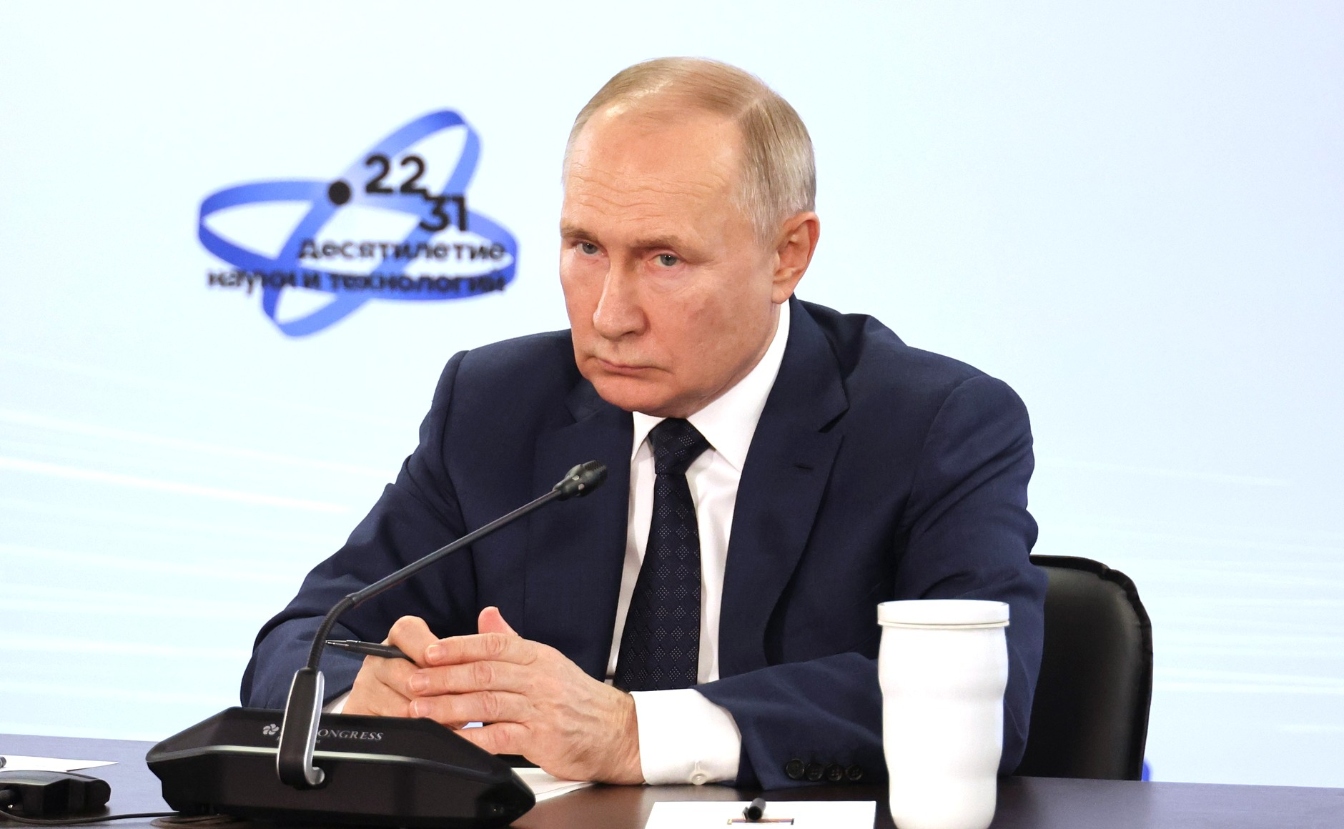
Russia’s economic forecast is gloomy, with slow growth predicted for 2026. Economic forecasts range from around 0.8% to 1.1% of GDP, according to the World Bank and the International Monetary Fund, respectively. Indeed, Russia’s central bank largely concurs with the forecast and estimates this year’s growth in the 0.5% to 1.5% range. Conservatively, Russia can expect about 1% growth this year, give or take a few tenths of a percentage point.
Why Growth is Slowing
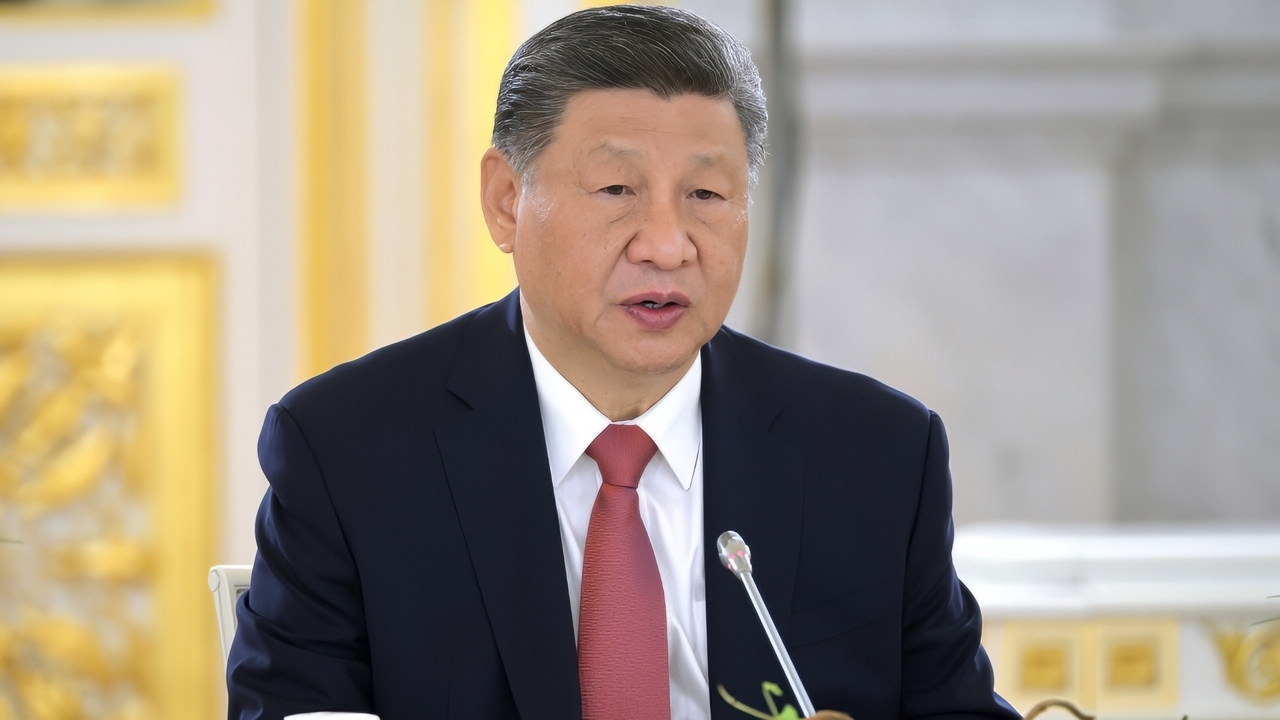
China’s Xi Jinping. Image Credit: Creative Commons.
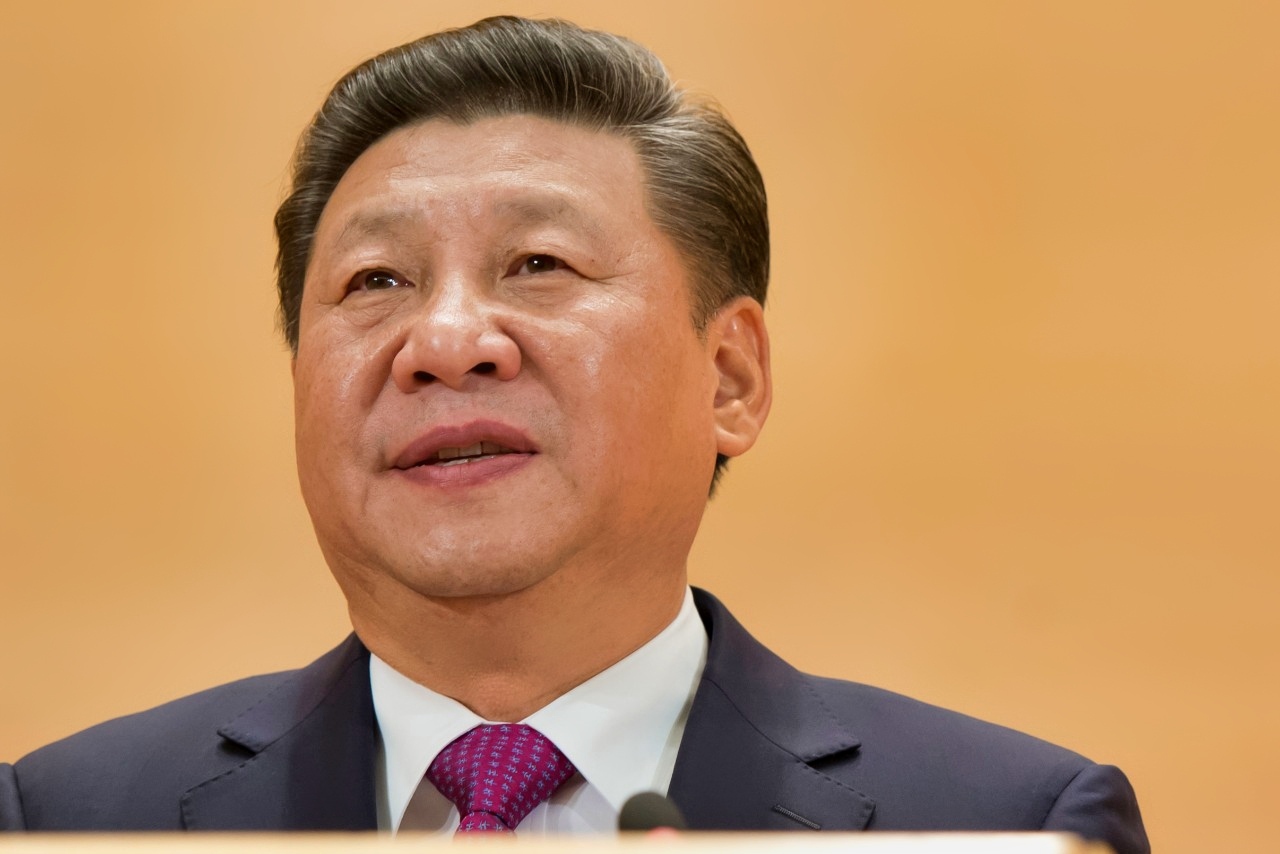
Xi Jinping President of the People’s Republic of China speak’s at a United Nations Office at Geneva. 18 january 2017. UN Photo / Jean-Marc Ferré
By far and away, the biggest drag on the Russian economy now is that the temporary wartime boost the economy experienced following the invasion of Ukraine is fading.
Though Russia geared its economy toward supplying and supporting the Russian military machine, the limits to that internal expansion appear to be at an end. High interest rates weigh on borrowing, investing, and consumer credit.
Russia, Oil, and Sanctions
The largest source of Russia’s funding is energy, and oil is still central to Russia’s dimmer outlook. The International Monetary Fund’s slight upgrade to Russia’s growth forecast to 1.1% was tied to higher commodity prices, but volatility in global energy markets, in part caused by the ongoing war in Iran, has made Russian budgetary plans far from stable. Sanctions matter too, as they crimp trade, raise transaction costs, and put additional pressure on strained import and export channels.
The war in Iran was somewhat of a windfall for Russia, as volatility in the global market was a modest windfall. The Trump administration’s move to allow the purchase of some Russian oil to help alleviate energy shortages gave Russia a bit of a cushion.
A Labor Shortage and Inflation
One persistent problem is Russia’s labor shortage.
Though unemployment is at a near-historic low, the Russian central bank warns that Russia faces an unprecedented shortage of workers caused in large part by the needs of the Russian military, which vacuums up military-age men with the promise of high bonuses and wages. Inflation in Russia is elevated.
The central bank raised its 2026 inflation forecast to 4.5%-5.5%, which helps explain subdued growth.
Military Spending
Russian military spending stood at 8% of GDP in 2025, up from 3% of GDP in 2021 before the outbreak of the war in Ukraine following Russia’s full-scale invasion of the country.
The civilian side of the Russian defense sector operates continuously, even at night, to meet Russia’s intense demand for ammunition and war materiel, which partially explains Russia’s labor shortage and the country’s recruitment of foreigners to work in civilian jobs, including weapons and ammunition production.
Teenagers have also been drawn into the defense sector, building drones and other weapons.
Russia’s Future is Modest and Beholden to Beijing
Alexander Kolyandr, a Senior Fellow with the Democratic Resilience Program at the Center for European Policy Analysis, explains that although the situation for the Kremlin is far from ideal, the Russian economy is not collapsing.
“Russia’s national debt is low at around 17% of GDP, the banking system is stable, employment rates are high, and wages are still creeping up. There will be no currency run, no debt crisis, no bread queues in 2027,” Kolyandr writes.
“The Kremlin will continue to fund its war in Ukraine. That, in a sense, is the point of the new forecast: it formalizes the trade-off Putin has chosen. Of the three things the government tries to do at once — finance the war, control inflation, and grow the economy — Russia can now manage only two. The third, growth, is being sacrificed.”
The Russian economy will grow more slowly than those of other countries and will lack funding for nearly everything except the military. It appears that Russia’s growing dependence on China will only grow in the future, and Russia’s fate seems to be that of Beijing’s junior partner.
“It is not the picture of a country heading for the cliff,” Kolyandr adds. “It is the picture of a country settling, with surprising equanimity, for a long, slow decline — and broadcasting to the world that while the state may endure, it will not prosper.”
From the Archives: The YF-23 Stealth Fighter Could Be Flying for the U.S. Air Force
About the Author: Caleb Larson
Caleb Larson is an American multiformat journalist based in Berlin, Germany. His work covers the intersection of conflict and society, focusing on American foreign policy and European security. He has reported from Germany, Russia, and the United States. Most recently, he covered the war in Ukraine, reporting extensively on the war’s shifting battle lines from Donbas and writing on the war’s civilian and humanitarian toll. Previously, he worked as a Defense Reporter for POLITICO Europe. You can follow his latest work on X.


Swamplaw Yankee
June 7, 2026 at 3:30 am
Well, the repeat that the unique ‘World War Xi” is now kinetic since 2014 is not anything new.
The PRC CCP did not install Xi as its kinetic spear in error. The major geopolitical loss of Crimea in 2014 by the capitulation of POTUS Obama was the first major loss of the USA to Xi.
The USA still refuses to use the semantic “WW Xi” as it directs attention to the whipping they got in 2014.
The op-ed that reveals in 2026 that vassal Kremlin Muscovy grovel before the CCP do the WEST no favours. The PRC Han intelligence approved all funding + Planning of the insurrection networks they installed inside Ukraine in 2012-13. It was successful with the Balkanization of independent Ukraine.
The question is how hard will WW Xi whallop Maga POTUS Trump elite with the GULF Muslim kinetic theatre miasma!