

Ukraine has turned its drone war into an explicit instrument of coercion. President Volodymyr Zelensky announced this week that he approved a 40-day operation by Ukraine’s security service aimed squarely at one goal, forcing Russia to negotiate an end to the war.
The operation comes with a deadline and a clear purpose: to make the war hurt deep inside Russia until Moscow agrees to negotiate, and its early results are already severe.

Ukraine Switchblade Drone. Image Credit: Creative Commons.
Ukrainian drones have knocked Moscow’s largest oil refinery offline into next year, triggered fuel rationing across roughly ten Russian regions, and pushed occupied Crimea into a declared state of emergency.
Whether that pressure actually bends Vladimir Putin toward peace, or hardens him against it, is the question now hanging over the next several weeks.
Zelensky’s 40-Day Operation
The campaign was announced after Zelensky met with the head of Ukraine’s State Security Service, who briefed him on what Kyiv calls its long-range and medium-range “sanctions,” the term Ukraine uses for its drone strikes into Russia and occupied territory.
Zelensky said he had approved a plan for the service to run a 40-day operation to pressure Russia to end the war, and praised the agency’s elite Alpha unit for its strikes against the occupying forces.
He kept the specifics deliberately vague, as Ukraine does with its military planning, but the framing left little doubt about the intent. This is a deadline-driven effort to convert battlefield and deep-strike pressure into diplomatic leverage.
Axios reported Zelensky is casting it as a 40-day influence operation to force Moscow to sign a peace deal, and the strikes that have followed the announcement show the campaign is already in motion.
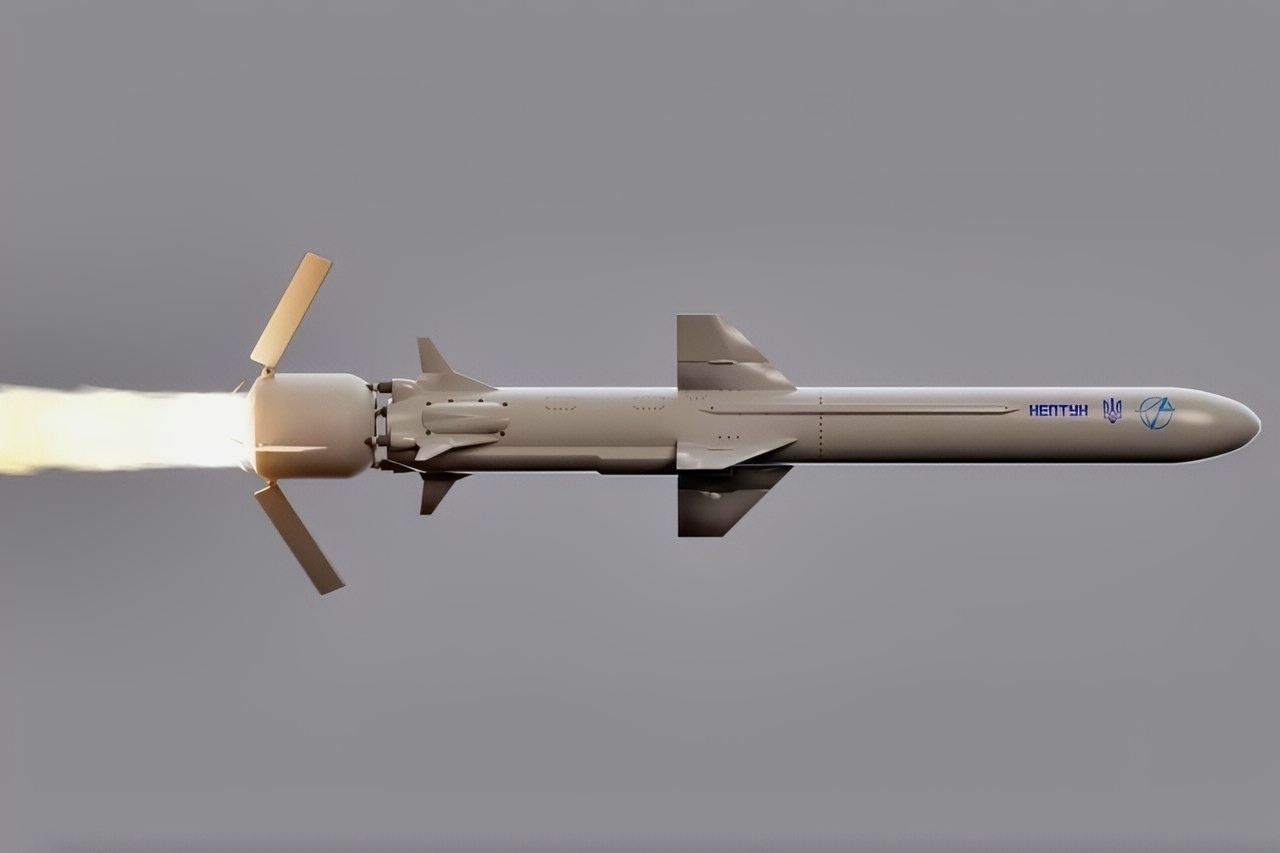
Neptune Missile. Image Credit: Government of Ukraine.
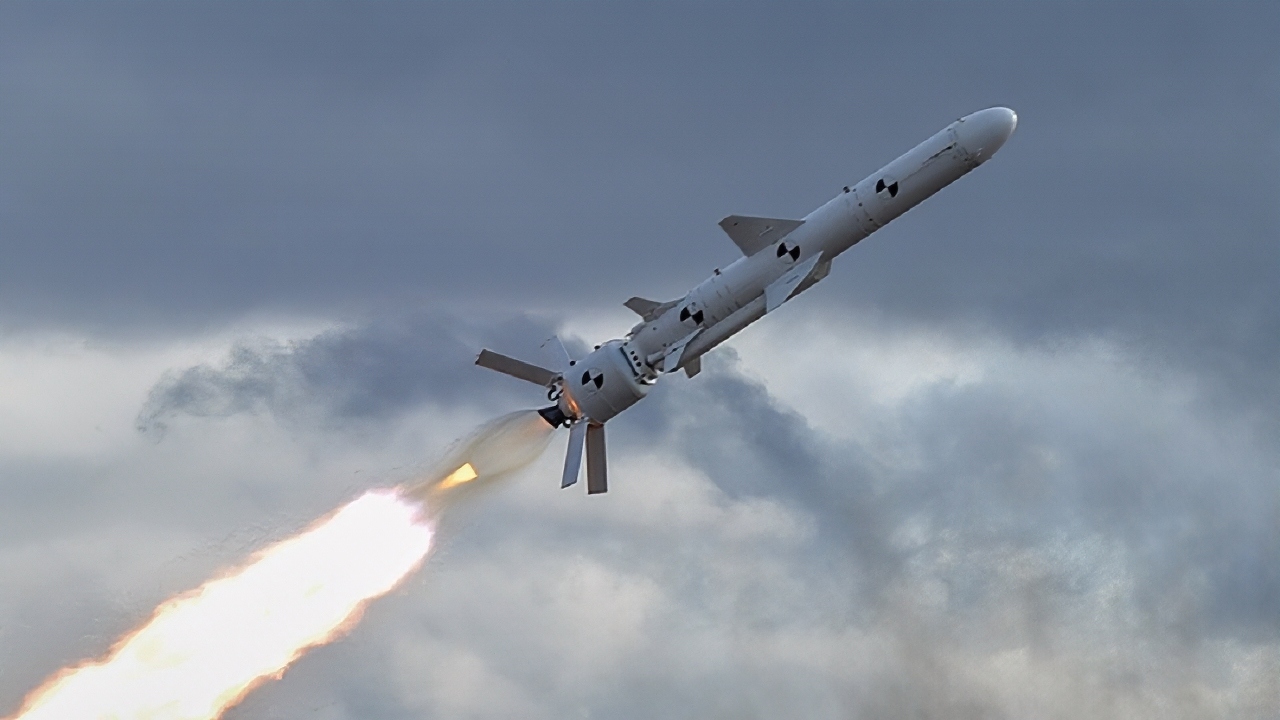
Neptune Missile. Image Credit: Creative Commons.
Hours after Zelensky spoke, Ukraine launched one of the largest drone attacks of the war, targeting a dozen Russian regions along with occupied Crimea, with Russian authorities claiming they intercepted at least 660 drones and reporting explosions at a chemical plant in the Tula region.
Ukraine’s security service has since framed individual strikes, including an attack on Russian military supply vessels in Crimea, as part of the 40-day push.
Moscow’s Largest Refinery Is Offline
The centerpiece of the damage so far is the Moscow Oil Refinery.
The Gazprom Neft facility, located in the Kapotnya district roughly 15 kilometers from the Kremlin, was struck twice by Ukrainian drones in mid-June, with the June 18 attack standing as the largest drone strike on the Russian capital since the war began.
The strikes damaged the refinery’s main processing units, and Reuters reported, citing two industry sources, that the plant is unlikely to resume production this year, with repairs expected to take at least six months and potentially keep it offline into early 2027.
That matters because the facility supplies a large share of the capital region’s fuel, by some accounts up to 40 percent of Moscow’s fuel market and around 70 percent of the gasoline consumed in the region.
The strike brought the war home to ordinary Muscovites in a way more than four years of fighting had not. Residents reportedly sheltered in basements as the refinery burned and emerged to find black rain falling over parts of the city, according to accounts cited by Axios.
And the Moscow refinery is only the most prominent target. Ukrainian drones have hit refineries across the country in recent weeks, including the Lukoil-owned NORSI plant in Nizhny Novgorod, one of Russia’s largest, and at least three more Russian refineries have been struck over the past week.
A Nationwide Fuel Squeeze
The cumulative effect on Russia’s fuel supply is real and measurable. Reuters has reported that the strikes on major refineries cut Russian gasoline production by roughly 25 percent compared with the same period last year, and the shortages have spread well beyond the targeted cities.
Around 10 Russian regions have introduced fuel rationing, with purchases typically capped at 30 to 40 liters per vehicle, and the Kremlin has already imposed temporary bans on exports of gasoline and jet fuel. Deputy Prime Minister Alexander Novak said on June 23 that the government was considering an additional ban on diesel exports to stabilize the domestic market and that officials were examining fuel imports to fill the gaps. Novak, for his part, has characterized the shortages as “challenging but under control.”
Those steps reflect a government scrambling to manage a real shortage.
Russia has been postponing scheduled refinery maintenance, tapping emergency reserves, and adjusting tax rules to push more fuel into the domestic market, all while its oil revenue, the financial engine of the war, takes a hit from reduced refining and the export bans.
Crimea Under A State Of Emergency
The pressure is sharpest in occupied Crimea, where Ukraine’s medium-range drone campaign has been methodically cutting the peninsula off from Russian supply.
On Friday, Russian-installed occupation authorities declared a regional state of emergency, a step that followed large-scale Ukrainian strikes on a railway bridge across the North Crimean Canal, fuel facilities, and military infrastructure across the peninsula.
Public gasoline sales have been suspended outright, and widespread strikes on the power grid have left roughly half of Crimea without electricity. This is a clear escalation past the rationing and fuel vouchers Crimea had already been living under, and it underscores how exposed the peninsula has become now that the Kerch Bridge is largely closed to fuel and the sea and overland routes are under constant attack.
Ukraine has paired the energy strikes with pressure on Russia’s air defenses. Kyiv’s military intelligence reported that the campaign has forced Russia to redeploy air defense systems to protect what it has prioritized above all else, Moscow and the Kerch Bridge, pulling those systems from other regions and from occupied Ukrainian territory and thinning the coverage everywhere else.
Additional air defense systems were reportedly moved to the capital after the refinery strike. If accurate, that redeployment shows how stretched Russia’s defenses have become.
Will It Bring Putin To The Table
The harder question is whether any of these moves Russia toward peace, and the honest answer is that it is far from certain.
Zelensky has been explicit that the strikes are meant to force negotiations, framing the campaign as a response to Putin’s refusal to meet. As the Moscow refinery burned, he warned that if Ukraine burns, Moscow would burn too, and he has tied the difficulties facing Russia directly to Putin’s unwillingness to negotiate seriously.
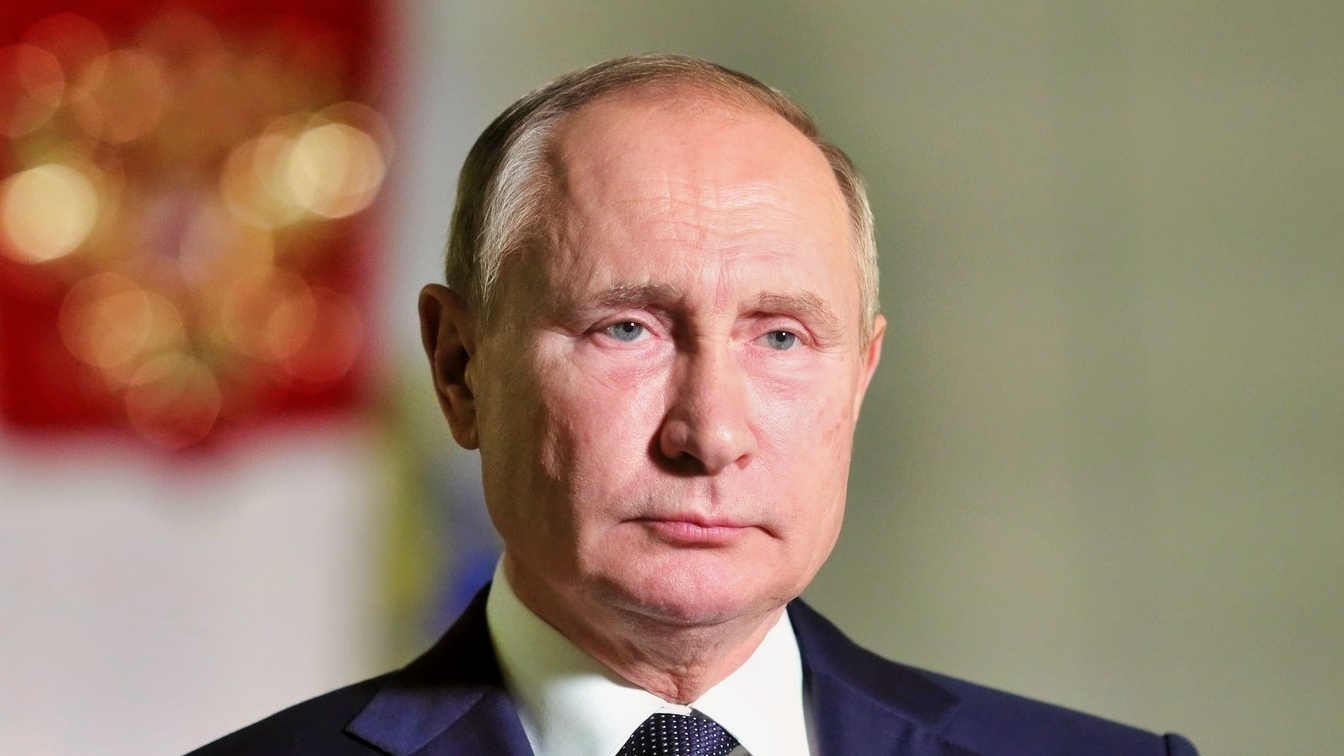
Putin shows no sign of bending. He insists Russia is ready to negotiate, but only on its own maximalist terms, and he has rejected repeated invitations to meet Zelensky in a neutral country.
He has acknowledged that the drone strikes are causing damage while arguing they are aimed at destabilizing Russian society and will fail to divide it. There is a real analytical case, which some experts make, that a bombing campaign against Russian cities and infrastructure will harden rather than soften Russian resolve, deepening the conviction that Ukraine must be fought and defeated rather than accommodated. Putin has invested enormous political capital in his demands over Crimea and the Donbas, and backing down under drone pressure would carry costs of its own for him at home.
The same campaign that has him managing fuel shortages and shifting air defenses has not produced any visible movement toward the table, a tension explored in earlier coverage of the operation.
The American Wild Card
The diplomacy around the war adds another layer of uncertainty, much of it centered on Washington. President Donald Trump, who met Zelensky at the G7 last week and spoke with Putin beforehand, remarked that Ukraine is now doing pretty well in the war.
Two officials who attended the summit told Axios that Trump expressed frustration with Putin and even signaled he might walk back the so-called Anchorage understandings, under which the United States had accepted Russia’s demand to control the Donbas under any settlement. Other leaders at the summit, according to one official, doubted Trump would actually follow through, and the broader US-led diplomatic effort has stalled, slowed by the war between the United States and Iran and by the failure of earlier rounds of talks.
Ukraine has seized the initiative in the deep fight and is using it deliberately. Its drones have made the Russian rear, long treated as a safe zone, a place where refineries burn and cities ration fuel, and it has announced exactly how long it intends to keep the pressure on.
Russian forces are still grinding forward in eastern Ukraine, slowly and at high reported cost, and Putin still believes he can outlast Kyiv.
The next 40 days will test whether a campaign that has genuinely hurt Russia can also change what Putin is willing to do about it.
About the Author: Harry J. Kazianis
Harry J. Kazianis (@Grecianformula) was the former Senior Director of National Security Affairs at the Center for the National Interest (CFTNI), a foreign policy think tank founded by Richard Nixon based in Washington, DC. Harry has over a decade of experience in think tanks and national security publishing. His ideas have been published in the NY Times, The Washington Post, The Wall Street Journal, CNN, and many other outlets worldwide. He has held positions at CSIS, the Heritage Foundation, the University of Nottingham, and several other institutions related to national security research and studies. He is the former Executive Editor of the National Interest and the Diplomat. He holds a Master’s degree focusing on international affairs from Harvard University.


