

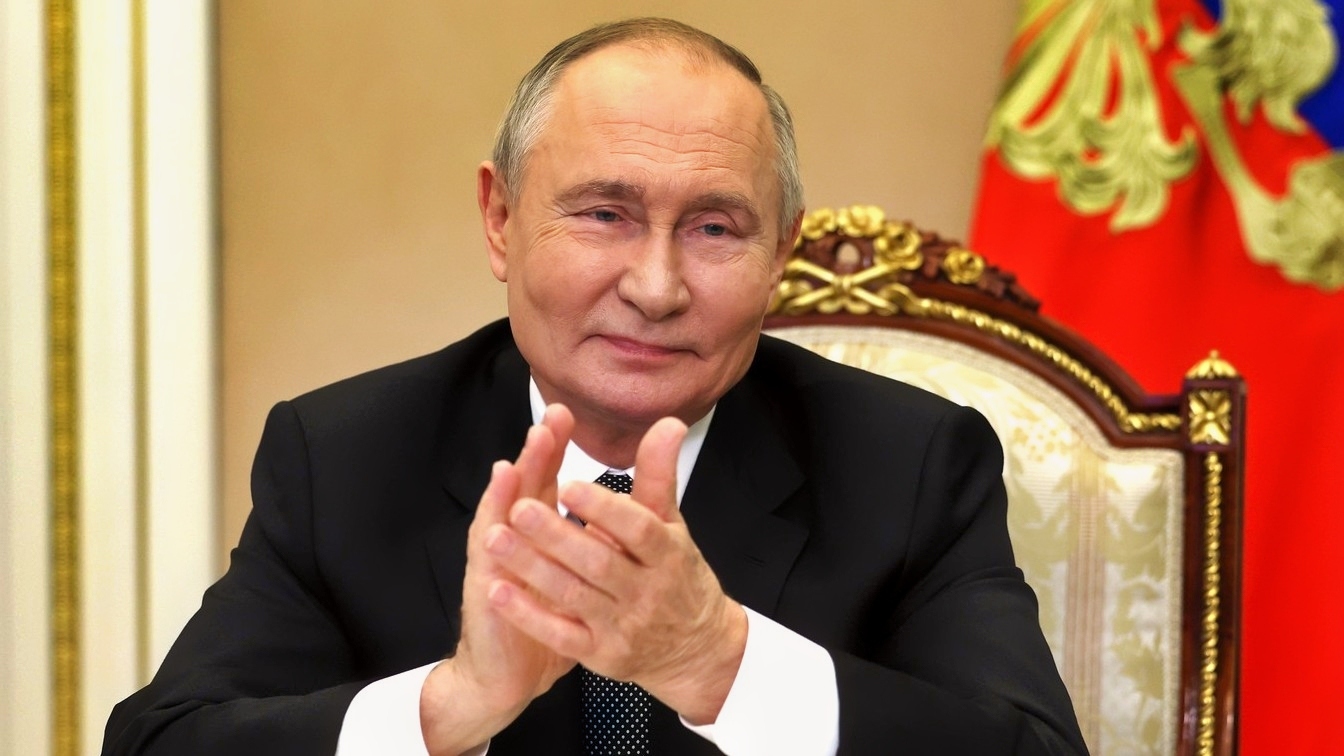
Ukraine continues its long-range strike campaign against Russia’s fuel refineries as the Russo-Ukrainian war continues to escalate. About a week ago, Ukraine struck one of Russia’s largest fuel refineries, the Omsk refinery, located around 2,500 kilometers from the Ukrainian border. Consequently, the Russian Federation has been hit by an ongoing fuel crisis that has severely affected motorists nationwide. Russian analysts expect the shortages to last until around September, when most damaged refineries will likely finish repairs. If Ukrainian strikes continue, however, then the fuel shortage can be expected to continue well into the New Year.
The Russian Struggle to Find a Working Gas Station
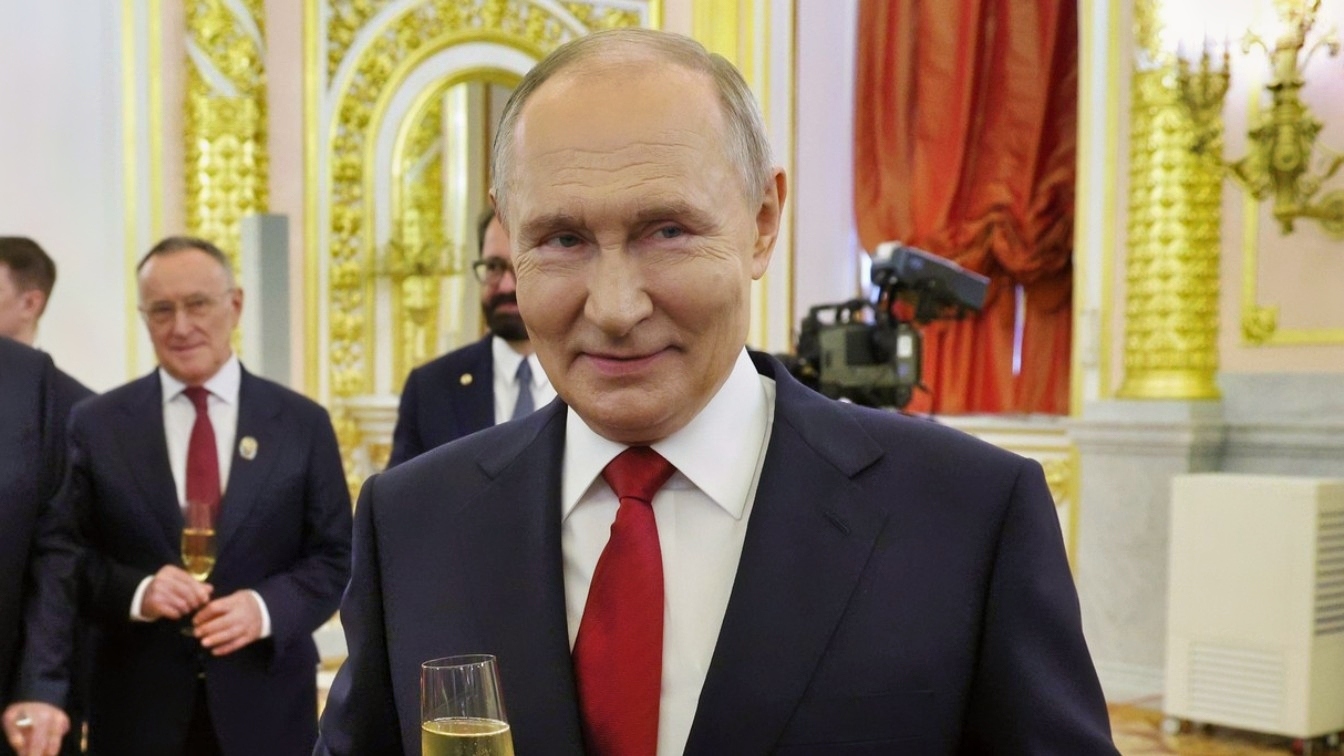
Putin On June 1 2026 Creative Commons Image
On July 6th, Ukraine carried out a drone attack against the Omsk Fuel Refinery, which is several thousand kilometers from the Ukrainian border. This attack, combined with attacks on refineries in the Leningrad and Moscow regions of Russia, meant that Ukraine had successfully struck the country’s ten largest oil refineries. Some pro-Russian sources speculated that the drone attack on Omsk may have been launched from Russian territory or from the Kazakhstan border, which is only around 100 kilometers from Omsk, to bypass Russian air defenses. Ukraine has often used asymmetric attacks against Russia in the past four years of warfare. It would therefore not be surprising if Ukrainian drones were smuggled onto Russian territory.
Whatever the case, the attacks have had a profound effect on Russia’s domestic fuel supply. Despite fuel prices remaining relatively stable, gasoline supply has diminished significantly across most regions of Russia. Residents of Russia have become frustrated with the supply shortages. In extreme cases, some citizens have had to wait for up to three days to refuel their cars. It should be noted that some cherry-picked cases are not representative of the complete situation in Russia. Just because one anonymous citizen told a Western news outlet that the crisis was Putin’s fault does not mean that everyone in Russia feels the same way. Still, the shortages have had an undeniably negative impact on Russia’s domestic economy, with 80 of Russia’s 83 regions reporting shortages to varying degrees.
Addressing the Crisis: Moscow’s Response So Far
In response to these shortages, the Kremlin has been forced to implement some extreme measures. In June, Moscow announced that it would suspend all exports of gasoline and diesel fuel until the end of July (note: this applies only to refined fuels, not unrefined oil and gas). The fuel intended for export would instead be redirected back to the local market to increase supply, even by a little.
At the same time, Russia significantly increased fuel imports from other countries. According to some sources, most of Russia’s main fuel imports came from Belarus, with China and India following close behind. Russia has also been lifting restrictions on the types of fuel that motorists are allowed to use. Euro 5 is currently the standard fuel used across Russia and Europe. However, Russian authorities have approved the use of Euro 3, which is less clean and faster to produce.
The main problem facing Russian gas stations, however, is the current lack of refining capability. As such, authorities are now considering creating mini-refineries at gas stations to process fuel for local needs. According to Russian state news, Vladimir Putin approved the construction of such refineries, which are estimated to be operational within the next three months. It should be noted that some larger gas station chains have reportedly been less affected by the shortages. This is because some larger fuel companies in certain regions utilize their own private refineries, which have not been targeted by Ukrainian drones. Some officials across Russia have been urging local citizens to avoid panic-buying and to avoid exacerbating the situation. Some civilians have reportedly stocked up on fuel and resold it at higher prices, which is now expressly forbidden by the government.
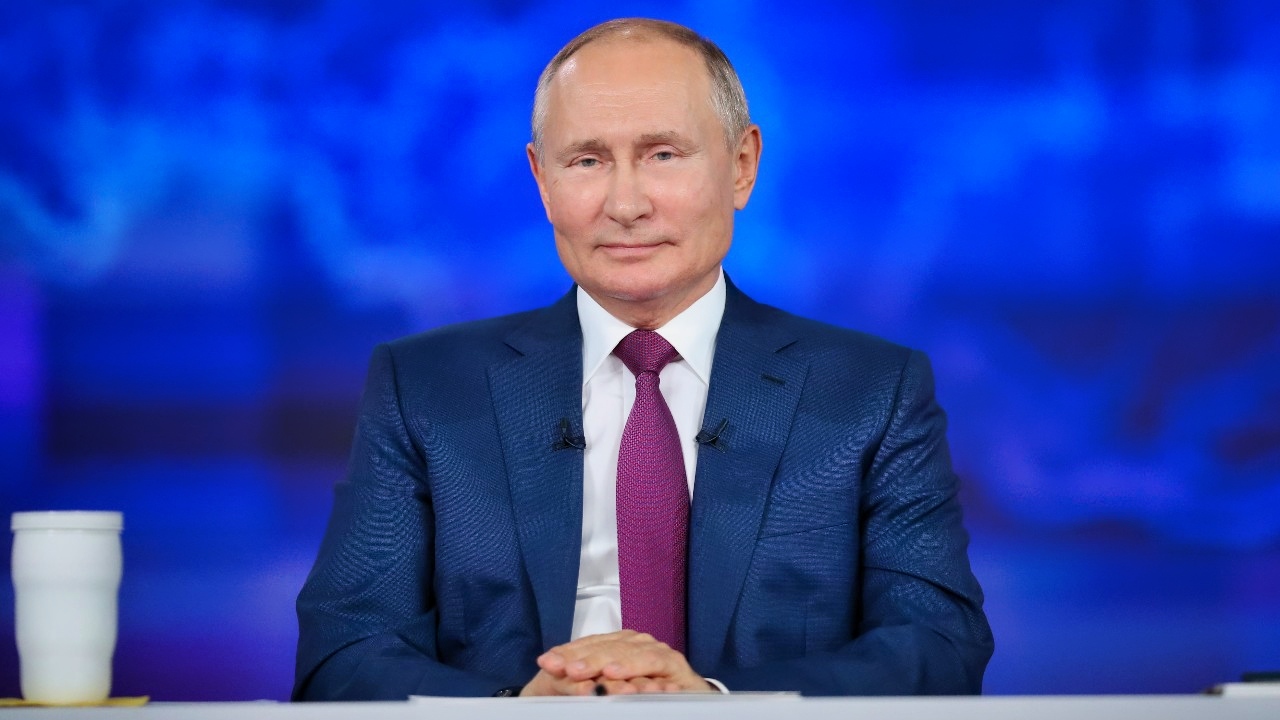
Vladimir Putin of Russia. Image Credit: Creative Commons.
How Long Will the Shortages Last?
How long is the shortage expected to last in Russia?
That depends on a number of factors. Repairs on oil refineries should not take that long. According to past precedent, regular maintenance on refineries usually takes about a week or two before operations return to normal. However, fuel still needs to be transported from the refineries to the stations.
Realistically, given the abnormal nature of the attacks and the increased demand from summer activity, fuel supply should return to normal sometime in September, assuming the refineries are repaired in a timely manner. This is also assuming that Ukraine does not attack Russia’s refineries once more. If the country’s largest refineries are taken offline again, the shortages could last into the new year unless smaller refineries are built to offset the loss.
Despite the disruption that Ukraine’s attacks have caused to the ordinary people of Russia, the country’s economy carries on, battered and bruised as it may be. More importantly, Moscow’s military-industrial complex seems to have been relatively unaffected as Russia continues to churn out artillery shells, missiles, and military equipment every month.
Despite Ukraine’s admirable efforts, the fight to derail the Russian economy will require significantly more strikes on a much wider range of targets.
This, however, is a double-edged sword, as with every attack Ukraine launches, Russia will inevitably feel compelled to strike back with equal or greater force.
About the Author: Isaac Seitz
Isaac Seitz, a Defense Columnist, graduated from Patrick Henry College’s Strategic Intelligence and National Security program. He has also studied Russian at Middlebury Language Schools and has worked as an intelligence Analyst in the private sector.


