

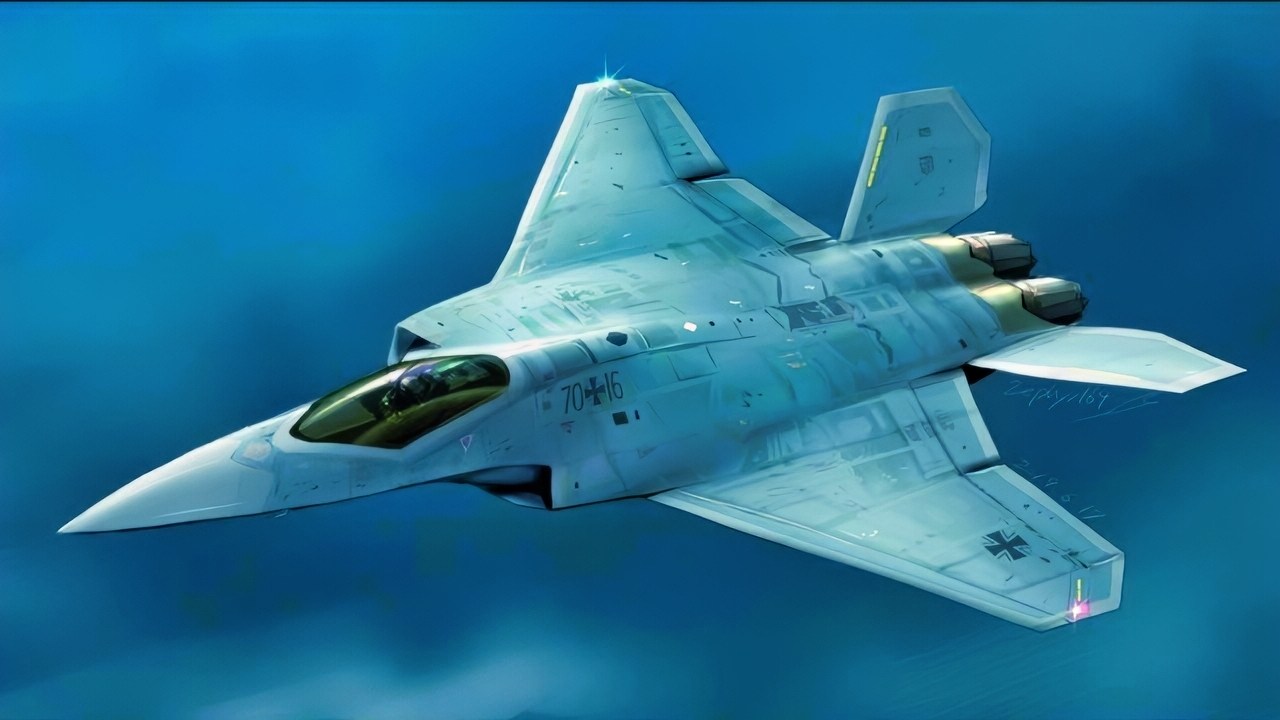
Manila, Philippines – The world of weapon systems development and defense procurement appears to be such an upside-down environment that it is almost made for the paradoxical sayings of the great American baseball legend, Yogi Berra. Were he still alive today and commenting on how the European French-German joint fighter aircraft project was just declared dead, he would most likely invoke one of his more famous oxymorons: “it’s déjà vu all over again.”
On Monday, 8 June, the political and defense industry leaders of Germany and France agreed to discontinue cooperation on the Système de Combat Aérien du Futur (SCAF), also known in English as the Future Combat Air System (FCAS).
Why is it that one could say déjà vu is that this is approximately the same path that the previous-generation Eurofighter program took back in 1985? Germany, the UK, Spain, and Italy decided to develop a multinational fighter jet, while France went its own way and developed its Rafale aircraft models.
The FCAS is one of four different US and allied programs to develop a 6th-generation fighter aircraft. Added to these projects are at least two other programs at the Chengdu and Shenyang design centers in the People’s Republic of China (PRC). Both of these PRC designs have already been seen as flying prototypes, putting the Chinese ahead of both the Europeans and the US in developing this next-generation combat air platform.
By all accounts, the death of FCAS has been the eternal industrial rivalries that even the top political leaders in both nations were unable to overcome.
In a last-ditch effort, German Chancellor Friedrich Merz and French President Emmanuel Macron even discussed the impasse holding up the project during the EU-Western Balkans summit in Montenegro last week, but to no avail.
Irreconcilable Differences on FCAS Fighter
The two European heads of state whose nations are the main powerhouses of the EU once again proved the wisdom inherent in another oxymoron: European Unity. They were forced to conclude that they could not overrule their own defense industrial leaders.
As there appeared to be no possibility of clearing the logjam between Airbus Military and Dassault Aviation – the two firms that are the prime contractors on the program – Merz advised Macron not to continue the cooperative development of a next-generation fighter aircraft. This was the out-brief from German officials familiar with the discussions.
French President Macron’s office said the two leaders had made a laborious review of the points of contention involved with the project, and concluded that the main industry partners, Airbus, which had represented German industry, and also that of Spain, which joined the project later on, and Dassault Aviation, were unable to compromise or otherwise reach an agreement.
According to the assessment published today by Aviacion Online, “The primary point of contention revolved around industrial leadership of the NGF [Next-Generation Fighter]. Dassault, officially designated as the lead contractor for the next-generation fighter pillar, consistently defended [its demand for] full authority over the aircraft’s design and integration.”
“Airbus, representing the industrial interests of Germany and Spain, repeatedly rejected a subordinate role and demanded a more balanced share of decision-making authority and intellectual property rights.”
Another sticking point is that France is the only nation in the partnership that needs a fighter capable of landing on an aircraft carrier, as the Rafale M does today in operations aboard the Marine Nationale’s Charles De Gaulle (R91) carrier.
One of the French requirements for FCAS was an airplane that would match the next-generation Porte-Avions de Nouvelle Génération (PANG) carrier, France Libre (R92). This would require numerous design adjustments that would be superfluous and add expense for the other partner companies.
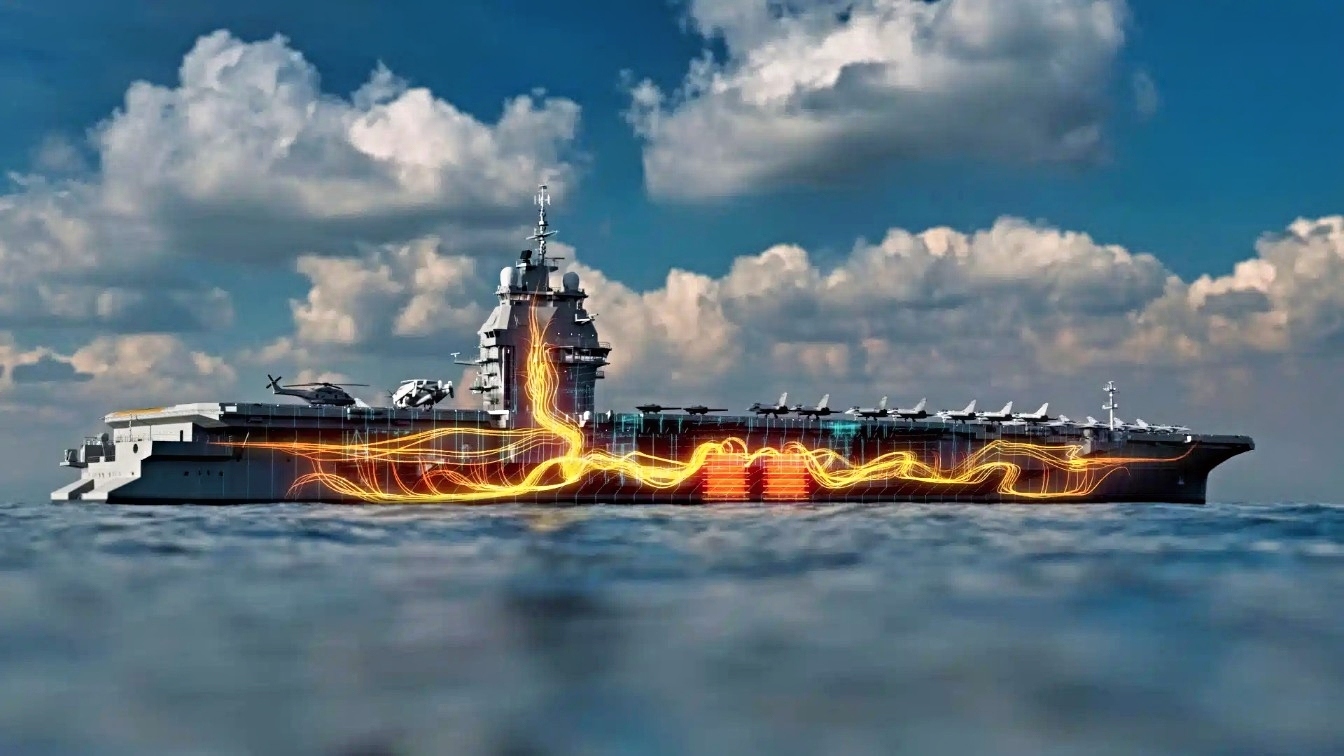
Libre Aircraft Carrier Naval Group Image.
Bad Timing
This decision, unfortunately, reinforces some stereotypes about European nations’ inability to provide for their own defense. Some in Washington would even say that it is more a case of “unwillingness” than inability.
One who would agree, if he were still with us, was also one of the better-known minds in defense strategy and policy-making. This was the late Andrew Marshall, the one-time Director of the DoD Office of Net Assessment (OSD/NA) for more than four decades. During his tenure, he was perennially dismayed by the tendency of NATO’s European member to shortchange their defense establishments.
“The Europeans,” he told me more than once as we exited the 1990s and entered the new millennium, “have spent the last twenty years going out of the business of defending themselves.”
The decision to close down SCAF not only offers the argument that nothing has changed in this respect, but it could also not have come at a worse moment. The Trump Administration in the US has made criticizing European nations for not spending enough on their own militaries one of its signature themes, to the point that some are concerned it jeopardizes the future of the NATO alliance.
The companies themselves made no comment. But Germany’s IG Metall union said it welcomed the project’s demise. Their concern was that it had been evident for some time that Dassault and Airbus would not be able to cooperate on an equal footing, meaning less workshare for the German industry.
“I would like to thank Friedrich Merz for this difficult but necessary decision, which is in the interests of Germany as an aviation hub and of the workforce.” Jürgen Kerner, Deputy Chairman of IG Metall, said in a statement today.
FCAS: A Photo Essay of Possible Designs
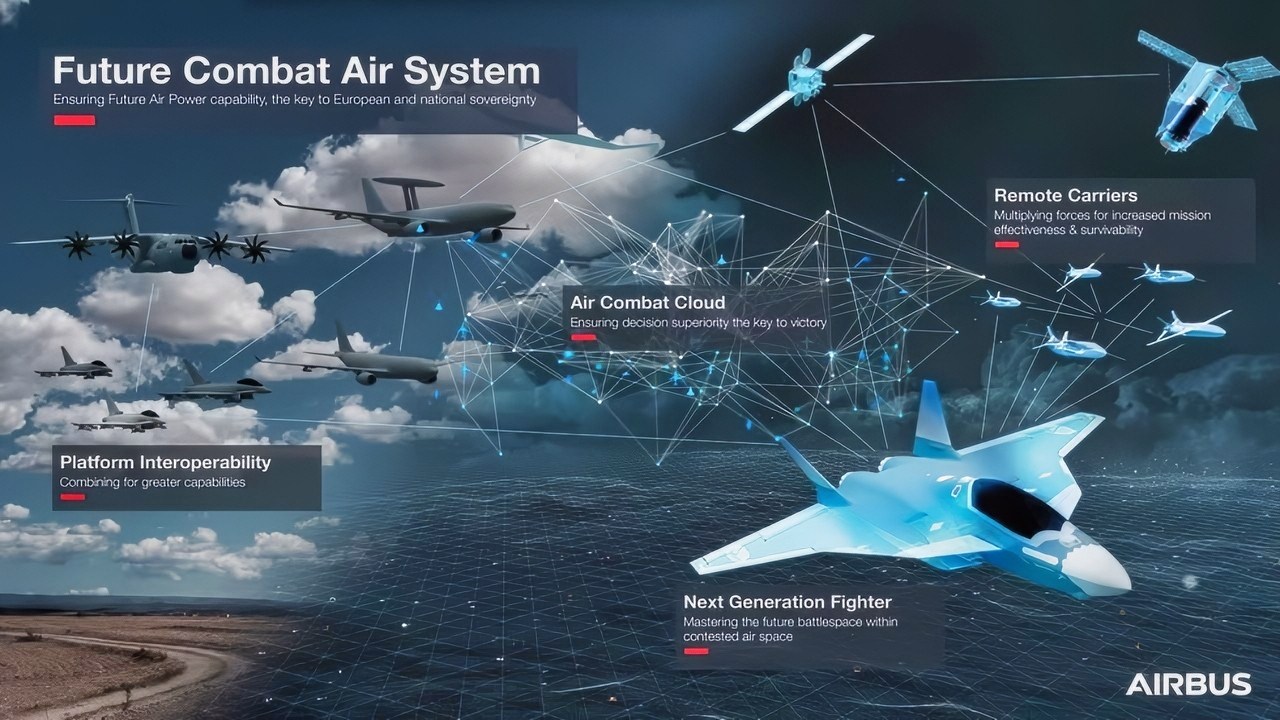
FCAS Graphic. AIRBUS Handout.
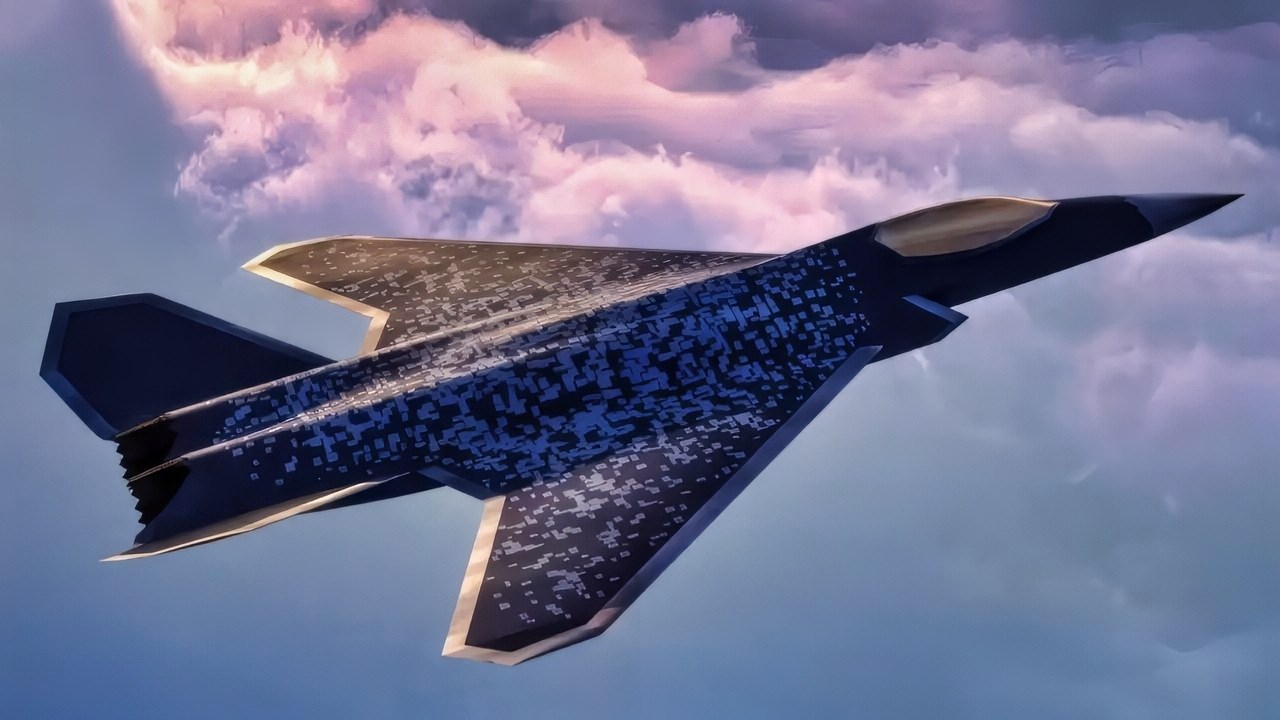
FCAS Artist Photo Creation. Image Credit: Creative Commons.
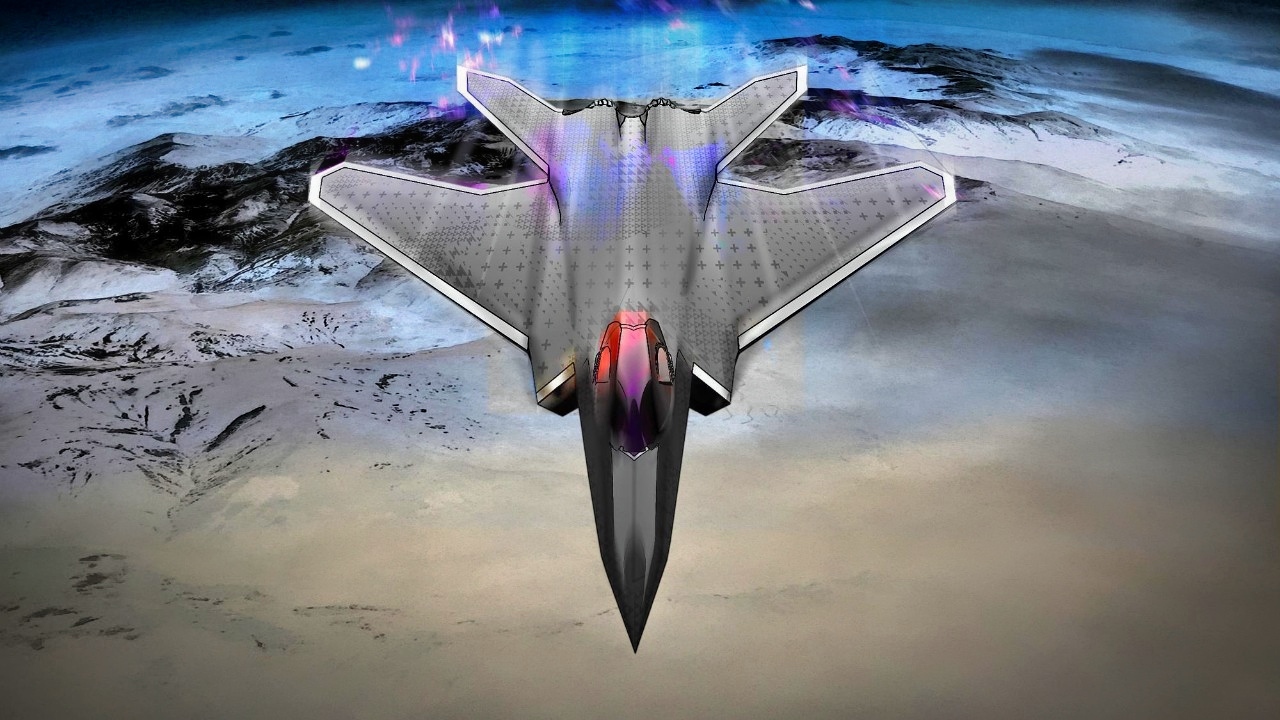
FCAS Fighter from Dassault. Image Credit: Dassault.

FCAS Fighter Mock Up. Image Credit: Creative Commons.
About the Author: Reubeb F. Johnson
Reuben F. Johnson has thirty-six years of experience analyzing and reporting on foreign weapons systems, defense technologies, and international arms export policy. Johnson is the Director of Research at the Casimir Pulaski Foundation. He is also a survivor of the Russian invasion of Ukraine in February 2022. He worked for years in the American defense industry as a foreign technology analyst and later as a consultant for the U.S. Department of Defense, the Departments of the Navy and Air Force, and the governments of the United Kingdom and Australia. In 2022-2023, he won two awards in a row for his defense reporting. He holds a bachelor’s degree from DePauw University and a master’s degree from Miami University in Ohio, with a specialization in Soviet and Russian studies. He lives in Warsaw.


