

BERLIN, GERMANY – Overnight on Sunday, Russia launched a massive barrage of munitions at Kyiv, Ukraine’s capital and leading city, in what is likely one of the biggest bombardments the city has endured since the beginning of Russia’s full-scale invasion in February 2022. At least six people were killed in the attacks and dozens wounded, figures that could increase as the full extent of the destruction is uncovered.
Ukraine’s Long-range Sanctions

Soldiers from 2nd Battalion, 70th Armor Regiment, 2nd Armored Brigade Combat Team, 1st Infantry Division, fire at a target while conducting the defensive position live fire portion of the Strong Europe Tank Challenge at the Grafenwoehr Training Area, Germany, on June 5.The Strong Europe Tank Challenge is an annual training event designed to give participating nations a dynamic, productive and fun environment in which to foster military partnerships, form Soldier-level relationships, and share tactics, techniques and procedures. The participating nations this year are Austria, France, Germany, Poland, Sweden, Ukraine, United Kingdom and the United States.

Sea Baby Drone Ukraine. Image Credit: Creative Commons.
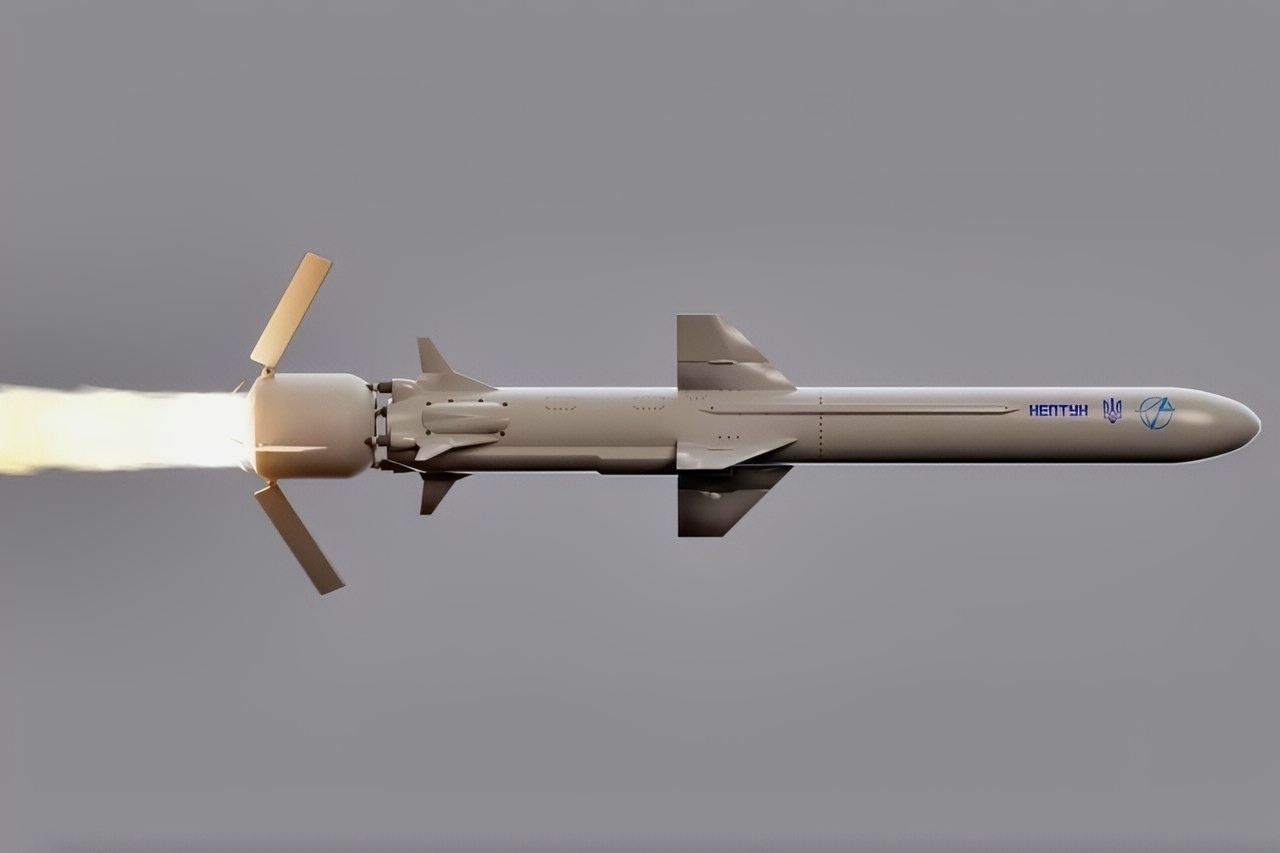
Russia’s missile and drone attack against Kyiv comes in the midst of Ukraine’s own bombardment of targets across Russia, an effort that Ukrainian President Volodymyr Zelensky has repeatedly described as his country’s “long-range sanctions” regime against Russia. As a part of that ongoing effort, Ukrainian drone operators and burgeoning cruise missile capabilities have been directed at the single-largest source of Kremlin financing: oil and gas sales.
Though Russia is one of the world’s leading energy exporters, refineries and transportation hubs across the country have found themselves increasingly under attack — and in many incidents, going up in flames. Some of the strikes launched by Ukraine have been surprising not only for their ability to evade Russian air defenses, but also for the extreme range of some of the target facilities from the front lines in Ukraine.
Earlier this month, Ukraine struck Russia’s largest oil and gas refinery in Omsk, a prominent Russian city in Siberia, far to the east of Ukraine. According to Reuters, the refinery was forced to suspend refining operations following explosions and fires caused by the Ukrainian strikes. Those strikes, as well as the many others against Russia’s energy infrastructure, have had almost immediate consequences.
Over the weekend, Ukraine also struck a pair of warehouses in Russia belonging to Wildberries, an Amazon-like online retailer that also supplies the Russian military.
Russia’s Fuel Readjustment
As well as long lines at the pumps, some of which have erupted into violent confrontations over limited fuel availability, Russian authorities have attempted to partially mitigate the fuel shortage with a raft of recent measures.
In addition to a moratorium on diesel exports, Russian refiners are no longer required to adhere to current environmental regulations. High levels of sulfur and aromatic hydrocarbons can be present in fuel intended for domestic consumption in higher quantities than what is currently mandated, a decision that simplifies refining but also raises significant health risks. The lower fuel quality also jeopardizes the long-term health of Russian automobiles that use it, opening the door to potentially significant vehicle damage in the future.
Remarkably, Russia is also scrambling to source oil from abroad. In one move, Russian oil initially sold to India has been bought back. Belarus has also been tapped as a source of oil for Russian consumers.
The Air Defense Crunch
Prompted by the wars in Ukraine and Iran, demand for air defense interceptors from America’s friends and allies in both regions has soared, testament to both their effectiveness and acute need. And while the United States’ Patriot family of air defense interceptors is considered among the best in the world, they are both slow to manufacture and expensive.
In response to strong demand signals, Lockheed Martin, the American defense prime that builds the interceptors, said it would focus on building a cheaper version of the missile. That new interceptor, called PAC-3 Adapted Capability Effector, or ACE, is projected to cost more than fifty percent less than current PAC-3 MSE interceptors, which cost about $4 million per interceptor, and, according to Lockheed, leverage previous interceptor build experience to speed up production.
It is good news for Ukraine — but it will be 36 months before production of the new interceptor begins. And in the meantime, Russian munitions continue to rain down on Ukrainian cities. In parallel, American President Donald Trump promised that Ukraine would be granted permission to produce Patriot air defense interceptors themselves under license, opening a new source of the vital munitions. But that effort, too, could take years to scale up and become militarily useful.
Still, the Ukrainian President tried to underscore their importance to his country.
“Protection against ballistic missiles is our constant and top priority right now. Interceptors are needed every day, and I am grateful to everyone who takes our agreements seriously and ensures the delivery of anti-ballistic capabilities. Right now, these packages are literally saving lives during every massive Russian attack,” President Zelensky wrote on X, formerly Twitter.
“It is also essential that pressure on Russia continue alongside our work on anti-ballistic capabilities. Delays in adopting new decisions give Moscow the opportunity to plan not only new attacks against our people, but also ways to circumvent new sanctions. Thank you to everyone who is helping.”
About the Author: Caleb Larson
Caleb Larson is an American multiformat journalist based in Berlin, Germany. His work covers the intersection of conflict and society, focusing on American foreign policy and European security. He has reported from Germany, Russia, and the United States. Most recently, he covered the war in Ukraine, reporting extensively on the war’s shifting battle lines from Donbas and writing on the war’s civilian and humanitarian toll. Previously, he worked as a Defense Reporter for POLITICO Europe. You can follow his latest work on X.


