
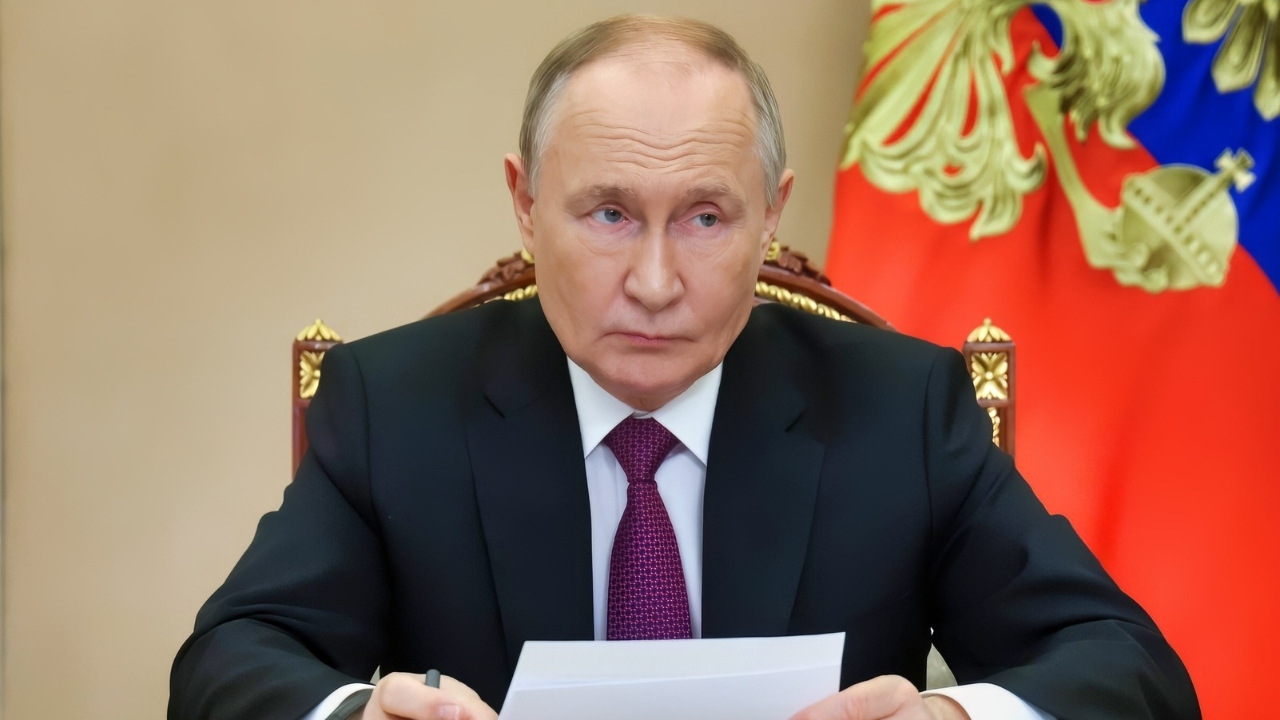
Kremlin spokesman Dmitry Peskov admitted on Tuesday, June 30, that Moscow is considering importing fuel to address domestic shortages. Peskov framed the problem as a matter of panic buying rather than a major supply shortage and distribution bottlenecks. Russia is facing growing pressure from Ukraine as its long-range strike campaign continues through the summer.
Speaking to reporters, Peskov said authorities are considering a range of emergency measures designed to address fuel availability problems throughout the country, including allowing imports of diesel and gasoline – an unusual step for a country that is usually one of the world’s largest net exporters of refined petroleum products. It’s just one of a number of problems Russia is grappling with as Ukraine intensifies its long-range strike campaign – and it certainly isn’t going to be the last.
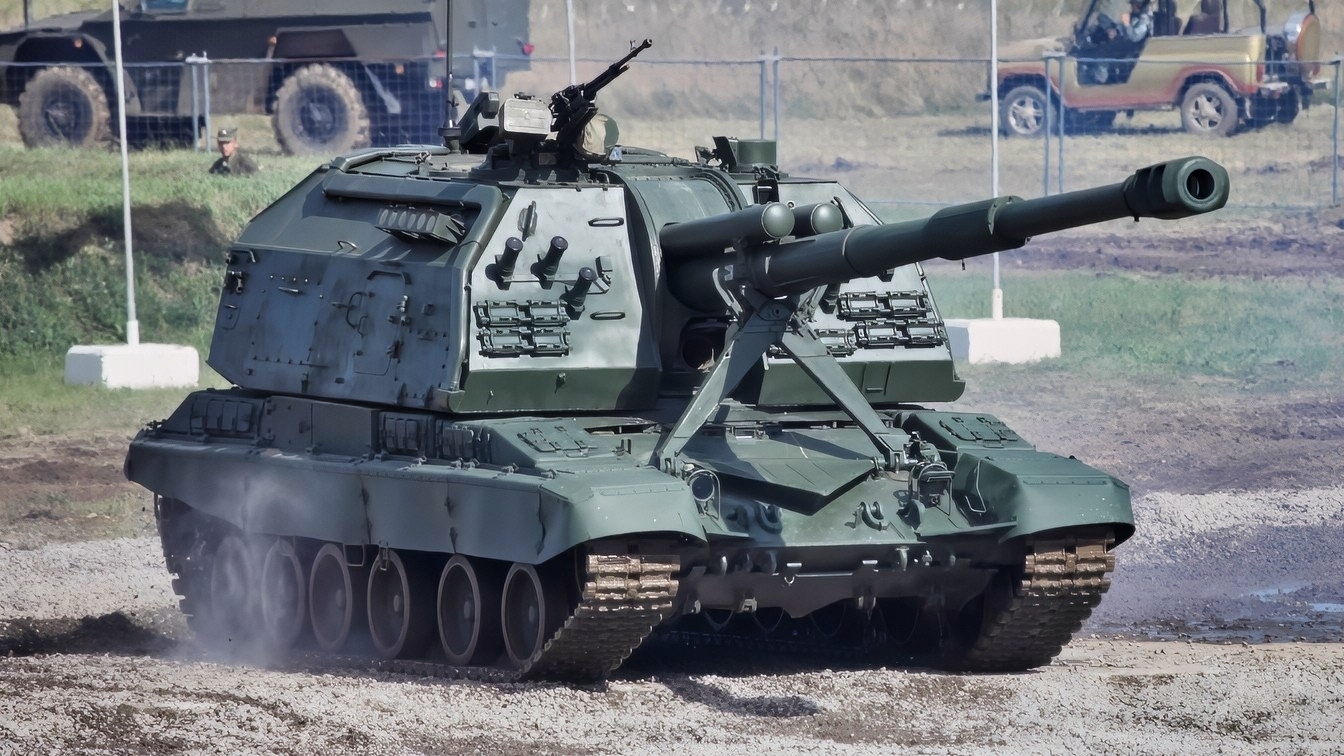
MSTA-S Russian Artillery. Image Credit: Creative Commons.
What Peskov Just Confirmed about Ukraine War
Speaking during a daily briefing, Peskov confirmed that “discussions are actively being held” to import fuel to Russia to help solve the supply problem. Peskov said that imports will go ahead “if agreements can be reached at acceptable price points.”
Peskov also said that the decision would be “another step toward stabilizing the market and reducing panic demand” – a comment that seemed to imply the problem in Russia is not necessarily refinery output, but civilians’ panic buying in anticipation of shortages.
The news comes after reports confirmed that Russia had requested 50,000 metric tons of AI-92 grade gasoline from Kazakhstan. Reports indicated that Kazakh officials had not yet received an official request; however, no public announcement was made regarding whether Kazakhstan was willing to facilitate the export.
Low Grade Fuel Sales
Peskov also said Russian officials are actively discussing whether to permit fuel imports and adjust regulatory standards to increase available supply – the latter of which has already been seen with the approval of sales of lower-grade fuel across the country. Reports already describe how Russian citizens are facing problems caused by the widespread sale of lower-grade fuel.
Eastern European news outlet NEXTA published a video on Tuesday showing cars in Russia breaking down due to poor-quality gasoline, noting that drivers are reporting a surge in “check engine” warnings.

MSTA-S Russian Army. Image Credit: Creative Commons.
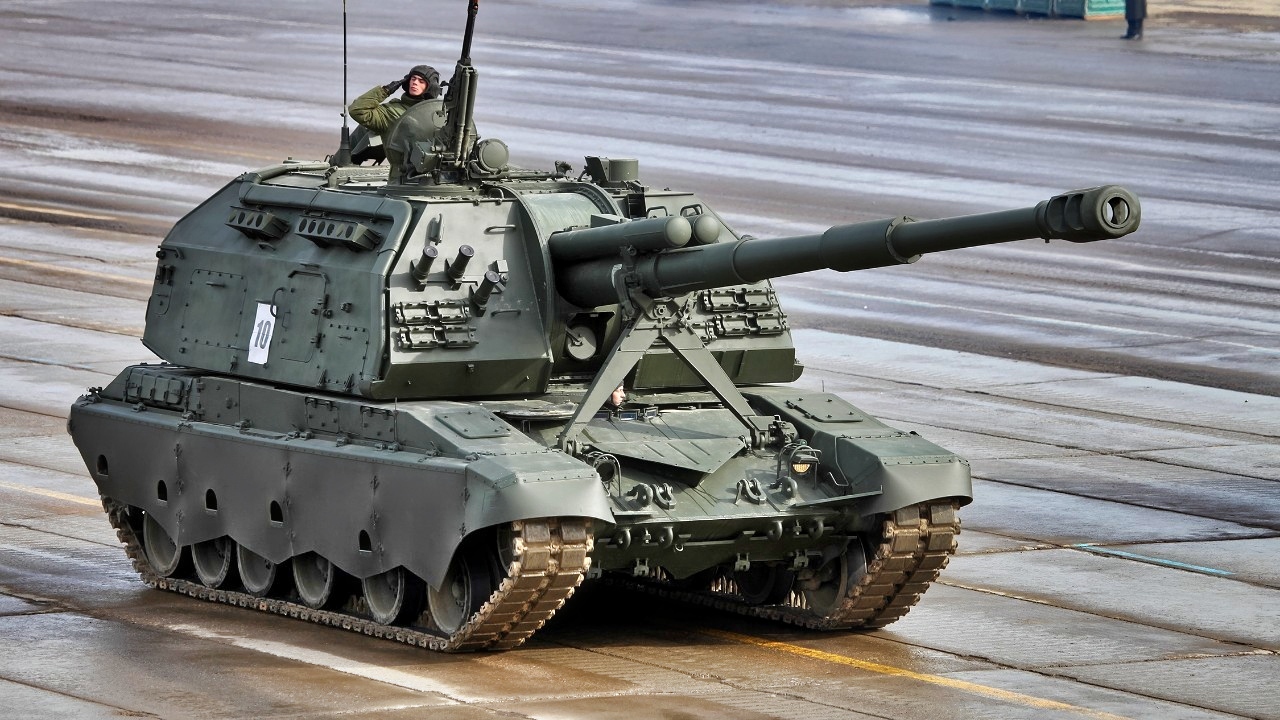
Msta-S Russian Army. Image Credit: Creative Commons.
“The issue is linked to low-grade Euro-3 fuel, which is appearing at more and more gas stations across the country,” the outlet reports.
“Owners of Chinese cars are especially at risk, as their turbocharged engines and direct fuel injection systems are particularly sensitive to low-quality fuel,” it continued.
This Isn’t A Short-Term Problem for Russia in the Ukraine War
The fact that Russia is considering fuel imports is a significant development in this conflict and reflects a measurable deterioration in its domestic refining capacity and ability to distribute fuel across the country. This is not a short-term logistics problem, and there is no real chance the strikes causing it will end anytime soon. In fact, they are not expected to end for at least another six weeks, according to an announcement by Ukrainian President Volodymyr Zelensky.
Western and Ukrainian assessments now suggest that Russia’s refining capacity has fallen by 20-25%. Data also suggests that gasoline shortages are becoming more widespread, occurring in dozens of Russian regions, with the problem being most acute in southern and western parts of the country.
Occupied Crimea is facing by far the worst crisis, after weeks of sustained strikes on its energy and logistics infrastructure that have resulted in the banning of fuel to civilians. The peninsula is also suffering blackouts.
Russia has already implemented restrictions on gasoline exports and controls on diesel shipments, but even with those measures in place, wholesale gasoline prices continue to rise. Reports suggest that in June, fuel prices increased by double-digit percentages as a result of a tightening supply at a refinery level – a problem clearly not caused by retail panic.
The Kremlin’s Response
On June 28, Putin publicly acknowledged fuel shortages during a televised meeting and ordered the creation of a new task force on fuel market stability. The Russian president ordered Deputy Prime Minister Alexander Novak to oversee coordination between refiners and transport operators to ensure the most efficient transportation of fuel and to establish reserve storage systems to help mitigate the supply problem. Putin said that the government must ensure an uninterrupted supply to both industry and customers.
“We have to reduce to a minimum the impact of terrorist attacks on our civilian targets and infrastructure,” Putin said during the meeting.
Meanwhile, Russian energy producers have been instructed to increase their strategic fuel reserves ahead of the summer harvest season, when agricultural demand usually peaks and supply disruptions pose an even greater risk. With that season on the way and Ukrainian strikes expected to intensify in the coming weeks, Putin is not only facing an air defense crisis across European Russia but also a potential agricultural and food supply problem if fuel supply impacts the industry.
About the Author: Jack Buckby
Jack Buckby is a British researcher and analyst specializing in defense and national security, based in New York. His work focuses on military capability, procurement, and strategic competition, producing and editing analysis for policy and defense audiences. He brings extensive editorial experience, with a career output spanning over 1,000 articles at 19FortyFive and National Security Journal, and has previously authored books and papers on extremism and deradicalization.


