
Russian escalation was all but confirmed overnight when dozens of missiles and hundreds of drones were launched at major Ukrainian cities, with the strikes killing at least 11 people and setting fire to a UNESCO World Heritage Site.
The Ukrainian military described how 70 missiles and 611 drones bombarded major Ukrainian cities, with 50 of the missiles said to have been shot down along with 582 drones. The remaining projectiles wreaked havoc across the country.
What We Know So Far: The Ukraine War Keeps Getting Worse
The overnight strikes were among the largest in recent weeks, causing damage to critical infrastructure and setting fire to a cathedral within one of Kyiv’s most important historic and religious sites.
The Dormition Cathedral, located within the Kyiv Pechersk Lavra monastery complex, is one of the most revered religious landmarks in the country, and Ukrainian authorities confirmed that the overnight strikes damaged several major cultural institutions.
Writing on X, Ukrainian Prime Minister Yulia Svyrydenko described the attack as a “brutal assault on our people and our heritage.”
“The attack struck not only residential buildings but also cultural heritage sites, including the Dormition Cathedral of the Kyiv Pechersk Lavra, the roof of Mystetskyi Arsenal, and the Oleksandr Dovzhenko Film Studio,” the Ukrainian prime minister continued.
The strikes caused damage across almost every district in Kyiv. Emergency responders were also killed in additional strikes in Kharkiv while responding to fires.
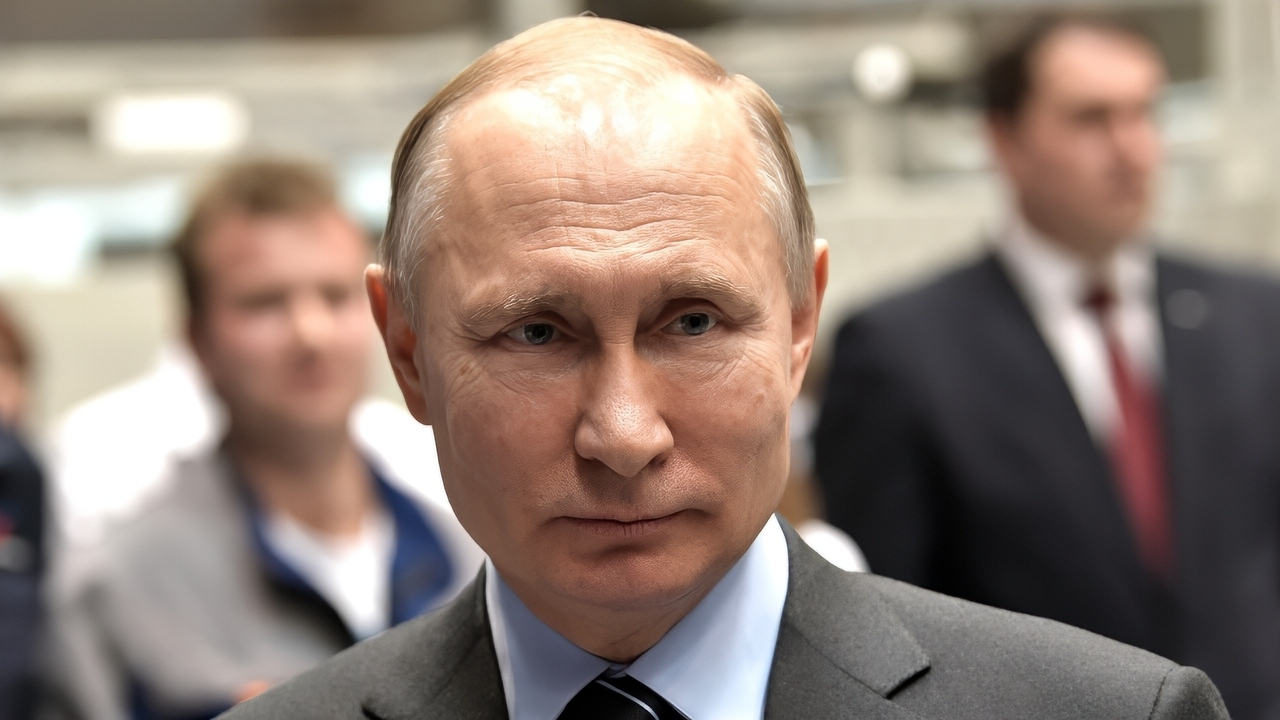
Foreign Minister Andriy Shybiha also condemned the assault, describing Russian President Vladimir Putin as one of the “worst barbarians in history.”
“Only Russian scum, who have nothing sacred, could deliberately damage this unique site under special protection,” Shybiha said, adding that the Ukrainian government is initiating “all relevant procedures in UNESCO and other international mechanisms” and calling for an “immediate and adequate response.”
Russia Denies Striking Monastery
Russia has denied responsibility for the strike, describing the fire as a “crude fake” accusation by Western leaders. Russian Foreign Ministry spokeswoman Maria Zakharova described the accusations as “another falsification” and claimed that Russian Defense Ministry statements had accurately portrayed “what really happened.”
On Monday, the Russian Defense Ministry claimed it was not responsible for the fires and that a U.S.-made Patriot air defense missile caused the damage.
Zakharova also accused the French president and other Western leaders of rushing to falsely accuse Moscow of striking the site, and condemned their silence over alleged Ukrainian strikes on a Crimean museum and student dormitory.
Why Striking UNESCO Sites Matters
Russia’s most recent strikes are not only an indication that it is willing to continue escalating, but also potentially the beginning of a major change in war dynamics.
The damage to the Pechersk Lavra is significant because it was added to UNESCO’s World Heritage List in 1990 for its “outstanding universal value” as one of the most important centers of Orthodox Christianity in Eastern Europe.
The cathedral was founded in 1051 and has survived invasions and wars for almost a millennium.
Under international law, sites like this are afforded special protection during war. Under the 1954 Hague Convention for the Protection of Cultural Property, for example, militaries are required to avoid targeting historic monuments and religious institutions.
The sites may still be targeted, however, if it can be proven that they were being used for military purposes.
Claims by Ukrainian officials that relevant measures will be taken to respond to the attack suggest that it will seek restitution under international law, but that does not mean Russia will be forced to end the war.
Investigators may eventually conclude that the cathedral was targeted, or that insufficient precautions were taken to avoid damaging the site – and while that would intensify international scrutiny of Russia’s conduct in the war, it won’t be enough to end the war. Moscow is already isolated diplomatically.
Nonetheless, world leaders are beginning to indicate that measures could be taken to respond. French President Emmanuel Macron said in a statement that “France stands ready to cooperate with the Ukrainian authorities in charge of heritage,” adding that the attack only strengthens his country’s determination to “work toward a ceasefire with Russia.” Notably, the tone of Macron’s statement appeared somewhat different from past statements, potentially indicating some hesitation to continue fighting Russia until it is defeated entirely.
Ukraine Will Rebuild
In a follow-up statement also published on X, the Ukrainian prime minister promised that the Dormition Cathedral “will be restored.” Svyrydenko described the Russian strikes as a second attempt to destroy the Lavra.
“Russia attempted to destroy the Lavra for a second time – just as it did in 1941. Thankfully, we will not have to rebuild this Ukrainian shrine from its foundations,” Svyrydenko said.
“The Government will secure funding for its restoration. As President Zelenskyy noted, the Government is preparing decisions to allocate resources from the reserve fund for urgent roof stabilization and its subsequent restoration,” the statement continued.
About the Author: Jack Buckby
Jack Buckby is a British researcher and analyst specializing in defense and national security, based in New York. His work focuses on military capability, procurement, and strategic competition, producing and editing analysis for policy and defense audiences. He brings extensive editorial experience, with a career output spanning over 1,000 articles at 19FortyFive and National Security Journal, and has previously authored books and papers on extremism and deradicalization.


