

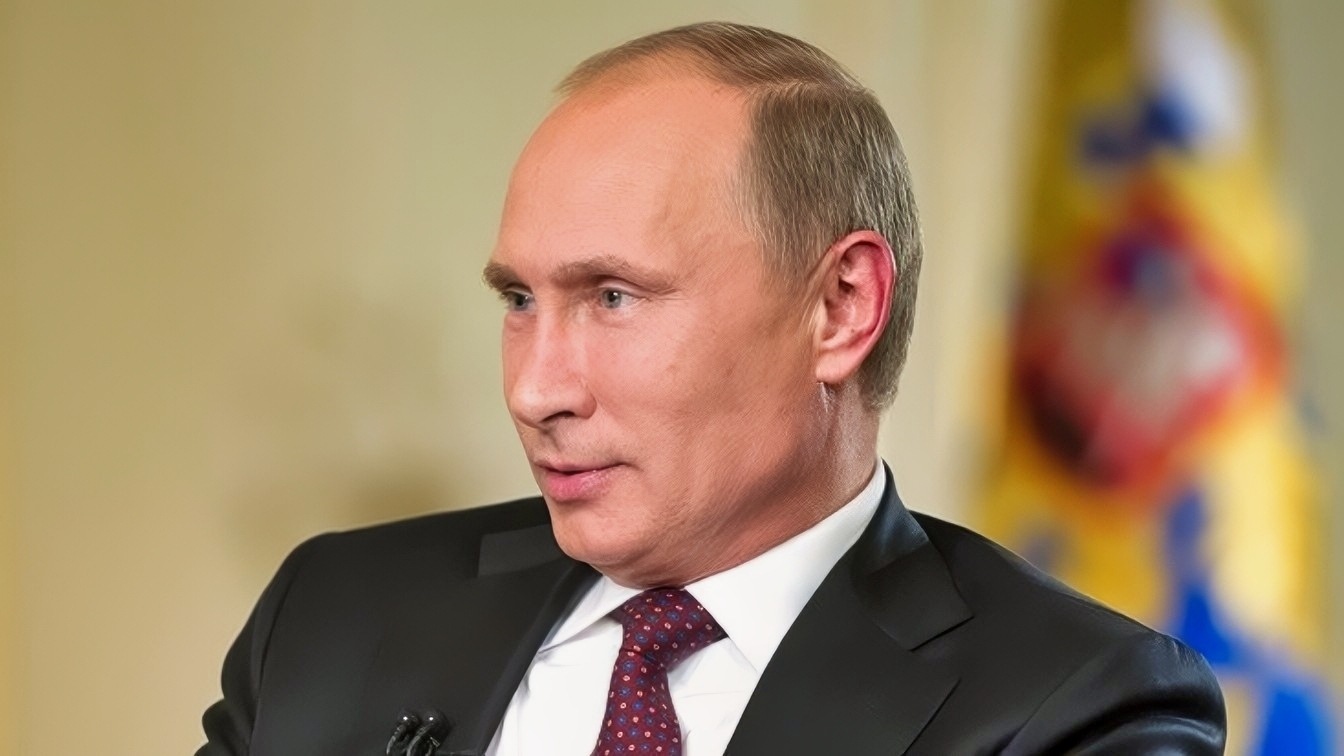
Fuel Production in Russia Is Only 65 Percent of Demand: Russian gasoline production fell to a level equivalent to only around 65 percent of the seasonal average consumption after Ukrainian drone attacks led to stoppages at large oil refineries, according to a report from Reuters.
The daily deficit of 40,000 to 45,000 metric tons is causing long lines at gas stations and fuel shortages across the country.
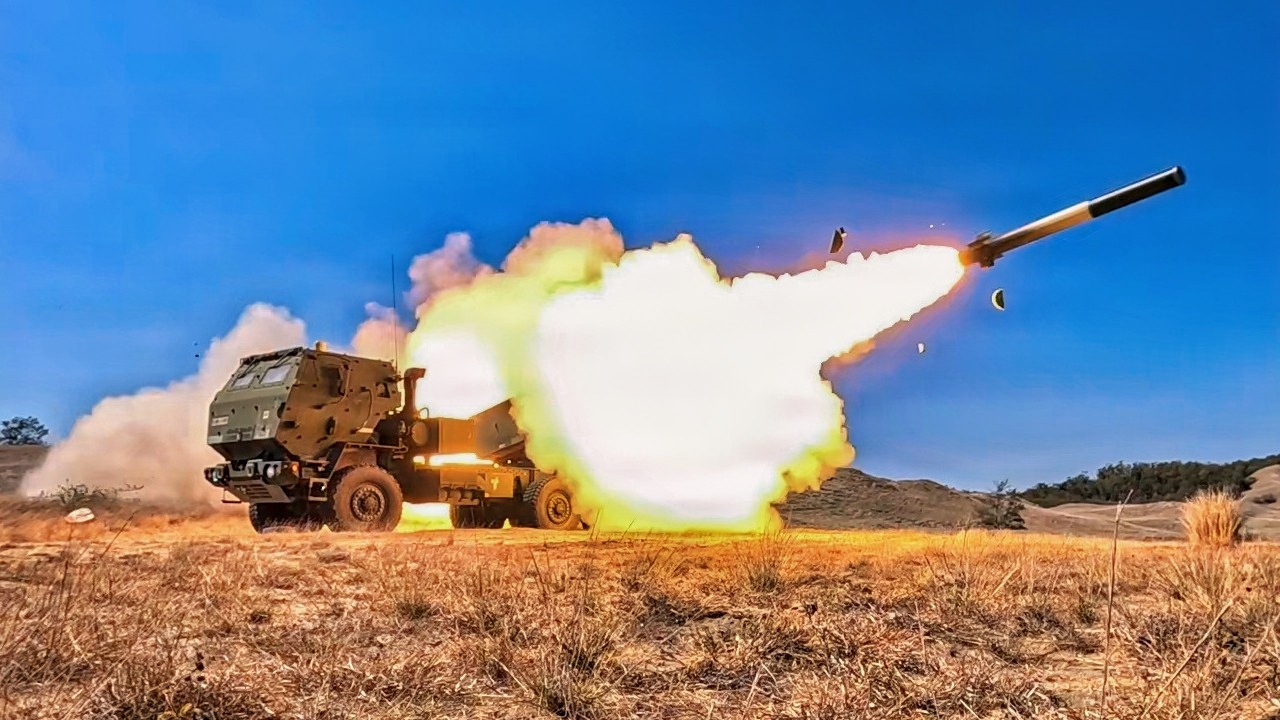
U.S. Soldiers assigned to 2-11 Long Range Fires Battalion, 25th Infantry Division Artillery, fire a High Mobility Artillery Rocket System during a counter-landing live-fire exercise as part of Exercise Balikatan 2026 at La Paz Sand Dunes, Laoag City, Philippines, May 4, 2026. Balikatan is a longstanding annual exercise between the Armed Forces of the Philippines and U.S. military that represents the strength of our alliance, improves our capable combined force, and demonstrates our commitment to regional peace and prosperity. (U.S. Army photo by Sgt. Duke Edwards)
Ukraine’s increased attacks on Russian energy facilities in recent months, part of Ukrainian President Zelenskyy’s 40-day influence operation to pressure Moscow to end the war, have also been wearing on Russian consumers’ tempers.
Reuters added that as fuel station queues have run long, and fuel has run short, so has the patience of many. And that fueling stations have hired Cossacks to maintain the peace.
Russian Government Trying To Assuage Public’s Concern
This 35 percent shortfall in gasoline production has been triggered by extensive drone strikes on major Russian oil refineries, including the NORSI, Omsk, and Saratov facilities. To mitigate the crisis, Russia has tapped into federal stockpiles, implemented export bans on petroleum products, and increased fuel imports from Belarus and India.
Deputy Prime Minister Alexander Novak told a televised government meeting on Wednesday that the fuel situation remained complex and that “it is clear that the current situation at filling stations is causing concern among the public”.
Russia has implemented gas rationing, including in Moscow. CNN reported that nearly all of Russia’s 83 regions are experiencing gas shortages. Mediazona reported that rationing was taking place in 56 of them.
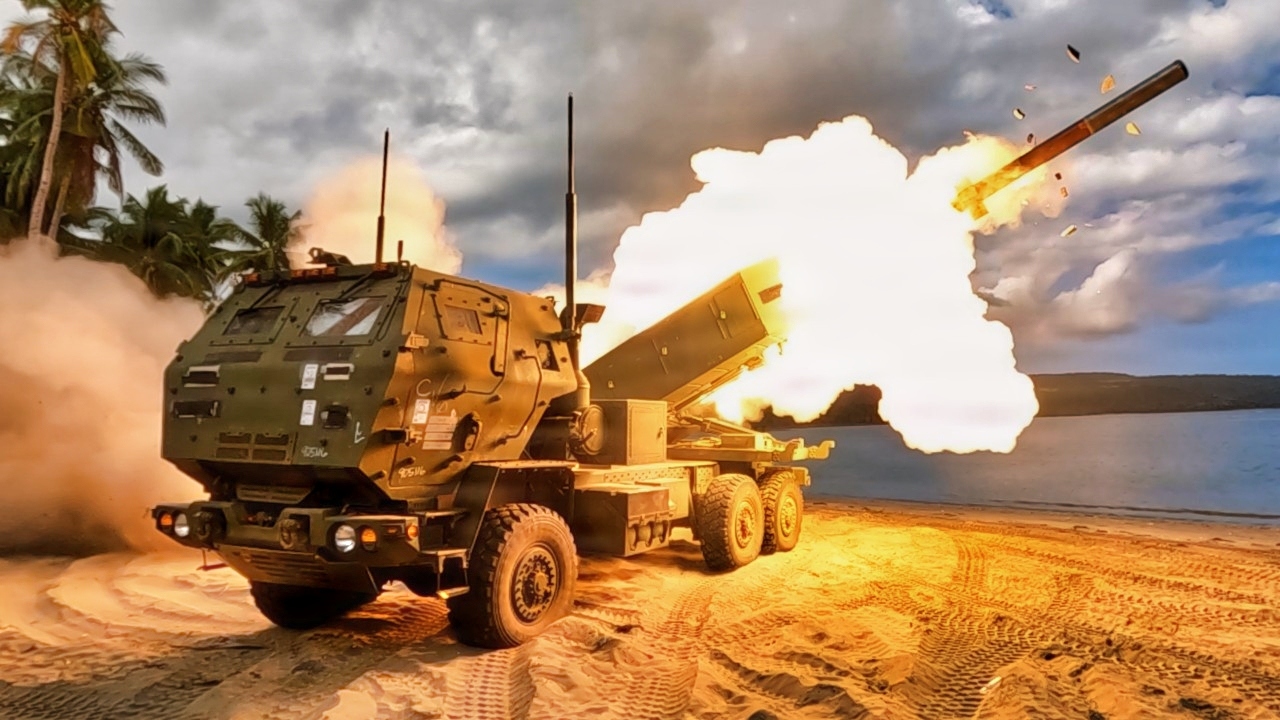
New HIMARS Attack Creative Commons Photo.
Russia Has Banned Exports And Is Importing Gas
Kremlin spokesman Dmitry Peskov said in May that there were no risks to fuel supplies in Russia, after a Reuters report highlighted a decline in oil refining in the central part of the country following Ukrainian drone attacks in recent days.
Belying those comments, Moscow is implementing a comprehensive ban on gas and diesel exports until July 31 and on aviation fuel exports until November 30 following a devastating wave of Ukrainian long-range drone strikes that have knocked out a sizable portion of the nation’s total oil refining capacity, effectively paralyzing critical energy infrastructure across central Russia.
On July 5, the Ukrainian General Staff stated that they have disabled nearly 43 percent of Russia’s oil refining capacity, reporting that they hit eight refineries in the last month, with more than sixty storage tanks destroyed or damaged, and cumulative industry losses of 13.5 billion dollars since August 2025.
Most Western analysts believe the number is inflated and closer to 33 percent, but it is still a major blow to Russia’s ability to function normally.
These have caused shortages of food, water, and fuel. And because of the drone attacks and shortages, Russia has been forced to begin seaborne imports of gasoline from India as well as a daily 6,000 tons overland from Belarus.
Al Jazeera reported that an Indian oil firm, Nayara Energy, has sold 60,000 metric tons of gas, which has been dispatched from India to Russia to help combat shortages.
Gasoline Shortages Are Bad In Occupied Areas
According to sources, daily gasoline demand in Russia at the peak of summer consumption is about 115,000-120,000 tons. Production capacity can no longer meet that demand.
Russia’s energy ministry admitted that Ukrainian drone attacks on oil refineries and energy infrastructure are the cause of fuel shortages that are running about 25 percent below domestic demand.
According to industry sources, Russia’s fuel market is expected to improve in the second half of July, but only if there are no new Ukrainian Armed Forces attacks on oil refineries. And that seems extremely unlikely.
Overnight on July 10, Ukrainian drones struck an oil terminal at the Russian port of Taganrog and an oil storage facility in the city of Azov, both in Russia’s Rostov region.
Ukrainian drones are also hitting fuel trucks on the highway that supplies the illegally annexed Crimea. Gasoline shortages are also being reported in Russian-occupied areas of Luhansk and Donetsk. According to the BBC, Ukraine has conducted more than 300 drone strikes on fuel trucks.
The Ukrainian strategy of integrating long-range, mid-range, and short-range tactical drone strikes is having an effect on Russia’s overall ability to wage the war, as the hits on the economy have been vast. It has also hammered their resupply efforts for the military in Crimea, southern Ukraine, Donetsk, and Luhansk.
These have caused shortages of food, water, and fuel. And because of the drone attacks and shortages, Russia has been forced to begin seaborne imports of gasoline from India.
Al Jazeera reported that an Indian oil firm, Nayara Energy, has sold 60,000 metric tons of gas, which has been dispatched from India to Russia to help combat shortages.
Ukrainian President Volodymyr Zelenskyy mocked Putin and his claims that everything is under control. He posted on Telegram last week that “Putin can go on and on, claiming on TV that he supposedly has everything under control”, but that Russian citizens can see that the war “has reached the point where even an oil state – a gas station, as Russia used to be called – is now facing gas shortages.”
Ukraine’s 40-day influence operation has been hitting Russia’s gas and oil infrastructure hard. The Institute for the Study of War (ISW) reported that Russian authorities are even calling on Russians to work remotely and limit travel to reduce gasoline consumption.
About the Author: Steve Balestrieri
Steve Balestrieri is a National Security Columnist. He served as a US Army Special Forces NCO and Warrant Officer. In addition to writing on defense, he covers the NFL for PatsFans.com and is a member of the Pro Football Writers of America (PFWA). His work was regularly featured in many military publications


