

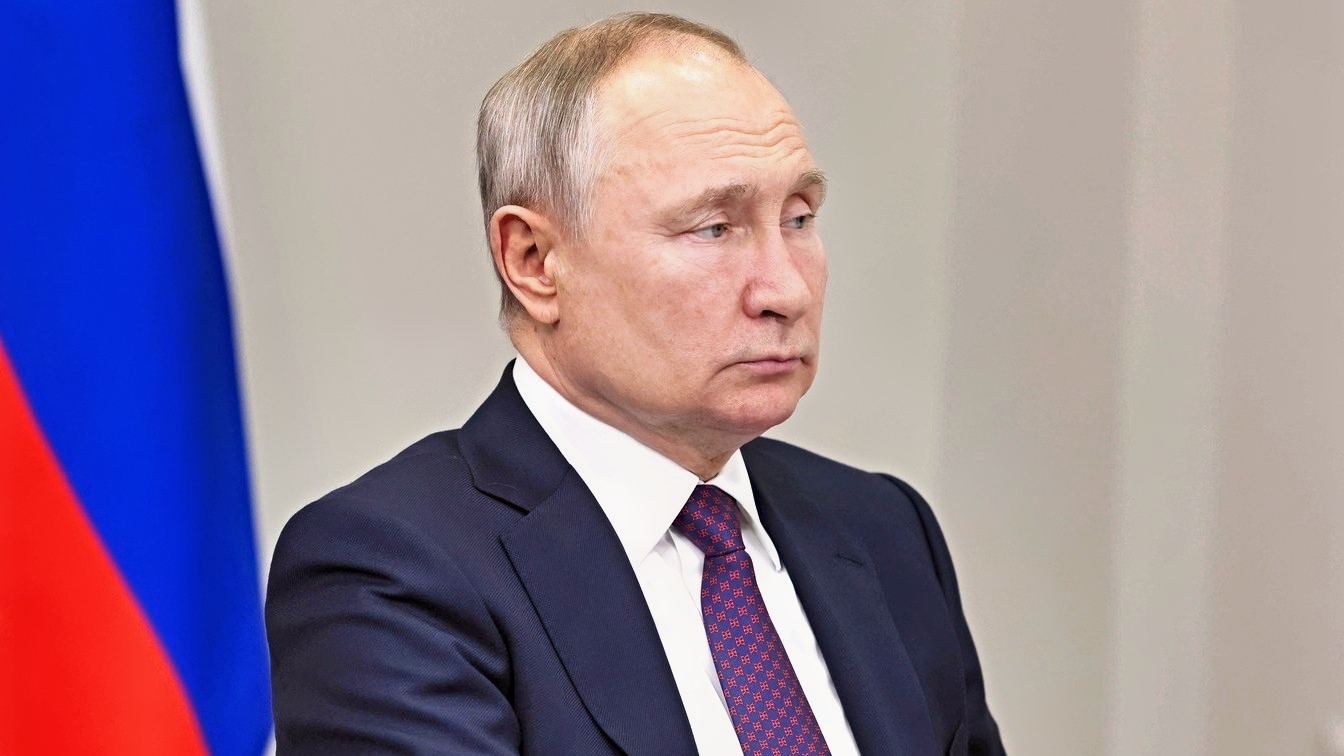
Vladimir Putin has spent the war insisting Russia is winning and that Ukraine’s strikes change nothing. On Sunday, he conceded, for the first time, that the country faces a fuel “deficit” and is going through what he called a difficult period, after Ukrainian drones set yet another major refinery ablaze. In the same remarks, he disclosed something else new, that Ukraine had offered to halt the deep strikes hammering Russian oil plants, and that he had turned the offer down. The admission is the story here. The man who has dismissed the drone campaign as irrelevant acknowledged on camera that it is squeezing Russians at home, even as he vowed it would not move him.
Putin Admits A Fuel Deficit For The First Time
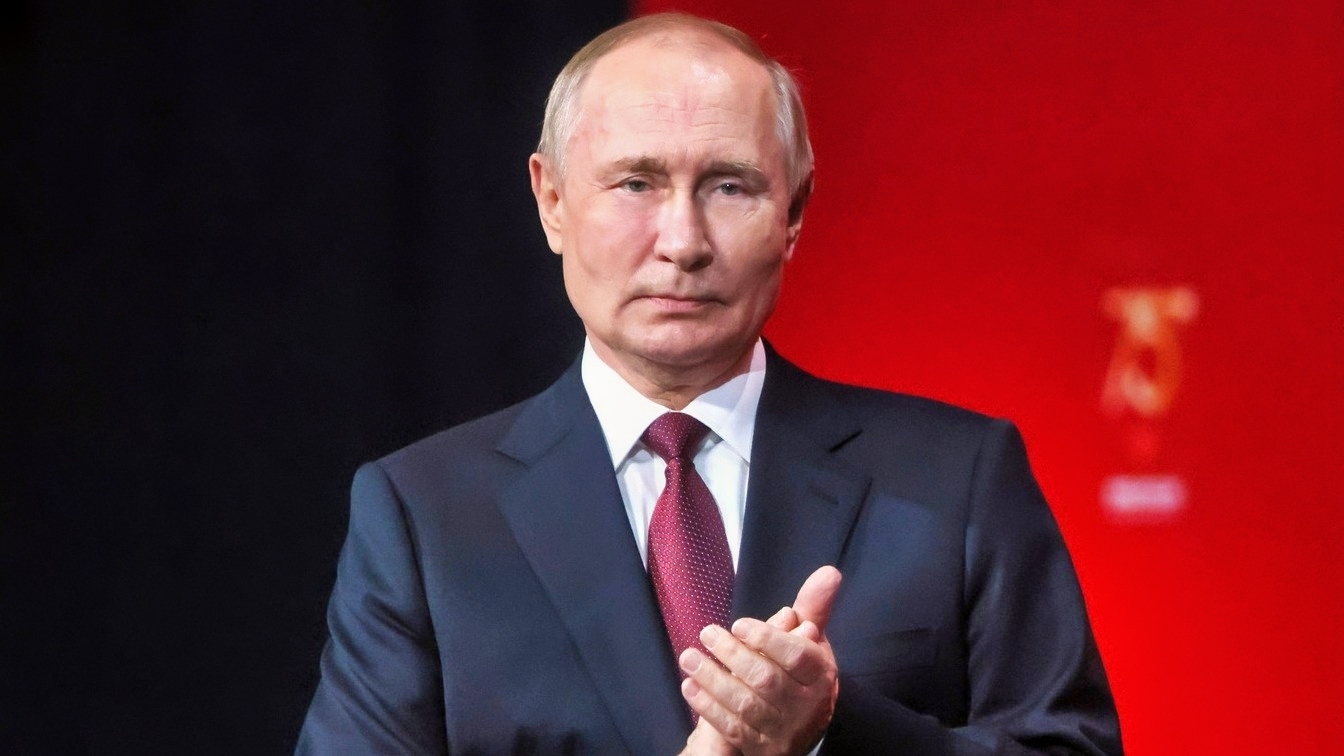
Putin at a Conference 2026. Kremlin Handout Photo.
Speaking at a Kremlin meeting on June 28 devoted to the fuel situation, Putin admitted that Russia was going through a difficult period but insisted Moscow would honor all its social obligations.
He acknowledged that problems for drivers and businesses persist and that there are still lines at gas stations, language he has avoided for nearly four years of war.
He pledged to import more fuel, speed up repairs at damaged oil facilities, and quickly ramp up production of air defenses to fend off the drones, while playing down the severity. The damaged facilities are being restored quickly, he said, and the issues that arise are not critical.
He singled out Crimea, promising that fuel deliveries to the peninsula by land and sea would rise and voicing confidence that the problem would be solved.
The admission is significant precisely because Putin has spent so long denying it, but it came wrapped in reassurance, and the pledge to boost output runs into an obvious problem.
The refineries that do the refining are the targets, which makes promising more fuel while the plants burn a difficult commitment to keep.
Ukraine Torches the Sloviansk Refinery
The strikes that prompted the meeting hit overnight into Sunday.
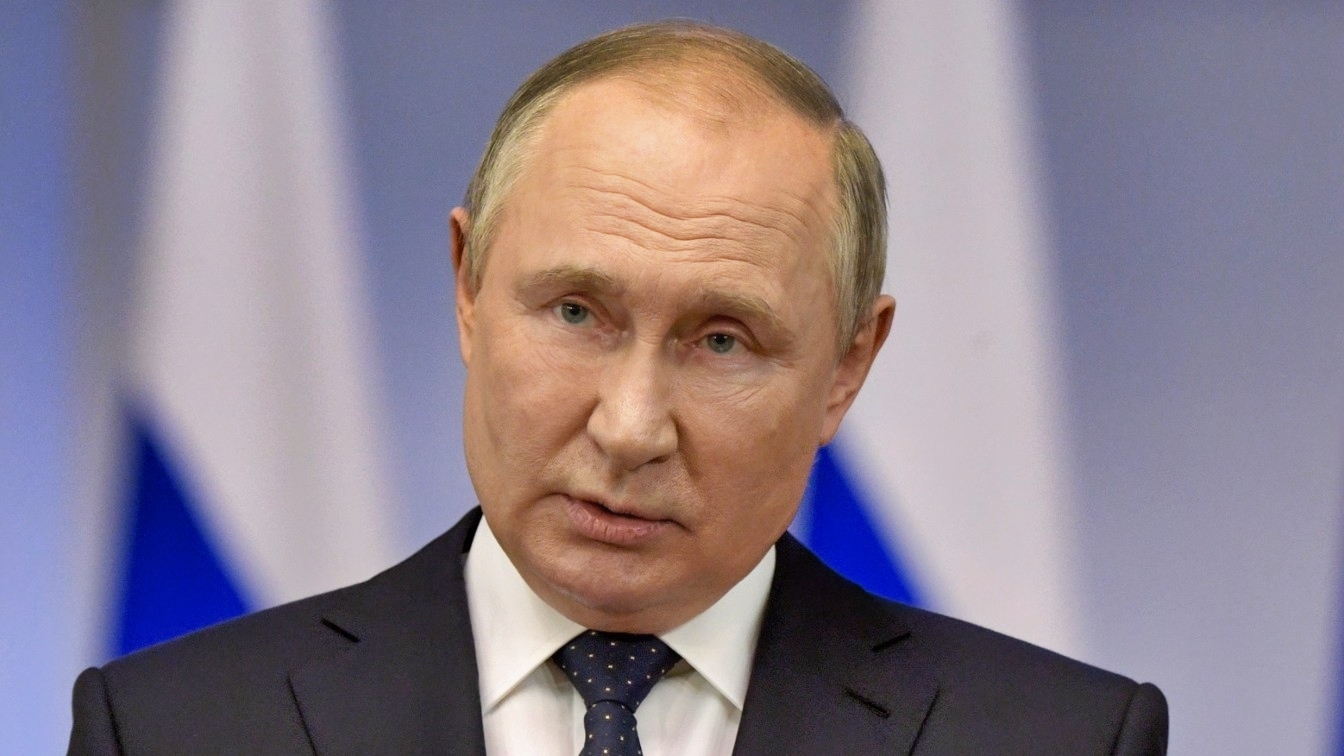
Putin Back in April of 2022 Creative Commons Photo
Drone debris set a major fire at the Slavyansk-na-Kubani refinery in Russia’s Krasnodar region, about 300 kilometers from the front, with regional governor Veniamin Kondratyev confirming the blaze and damage to a power line and a gas pipe.
The facility, operated by Sloviansk ECO, processes roughly 100,000 barrels a day and is a key fuel supplier for occupied Crimea, and it has been struck repeatedly through the war. Local authorities said the falling debris killed one person and wounded another in a nearby village.
President Volodymyr Zelensky claimed the strikes were part of Ukraine’s “long-range sanctions,” writing that each one means fewer resources for the Russian war machine and another step toward peace. He said Ukraine had reached two refineries, the Sloviansk plant and a second in the Yaroslavl region, around 700 kilometers from the border. Russian authorities gave no immediate confirmation of any strike on the Yaroslavl refinery, and that claim remains unverified.
A Nationwide Fuel Squeeze
The shortages now reach far beyond the front. Rationing has spread to around 10 Russian regions, and in Siberia’s Irkutsk region, thousands of kilometers from Ukraine, the governor capped purchases at state-run Rosneft stations at 50 liters per vehicle per day.
Deputy Prime Minister Alexander Novak said Moscow was reviewing fuel-export agreements to protect domestic supply. In occupied Crimea, Russian-installed officials suspended gasoline sales to civilians over the past week, after Ukrainian strikes on supply routes triggered the worst energy crisis on the peninsula since Russia annexed it in 2014.
The campaign’s most prominent target remains the Moscow Oil Refinery, struck on June 18 in the largest drone attack on the capital of the entire war, a facility that accounts for more than a third of the fuel market in the capital region.
According to Western analysts, the strikes have not only choked Russian fuel supplies but also slowed Moscow’s progress on the battlefield, adding pressure on the Kremlin to negotiate.
Putin Reveals And Rejects Ukraine’s Offer
The most striking disclosure came when Putin said, for the first time, that Ukraine had proposed a halt to deep strikes, claiming Kyiv made the offer because Russia’s own deep strikes are more devastating. He added that Ukraine had also offered to confine the fighting to the four regions Russia annexed but never fully captured, Donetsk, Luhansk, Kherson, and Zaporizhzhia. Putin rejected both proposals, arguing that pausing the strikes and narrowing the front would simply let Ukraine shift its forces to where Russian troops are advancing.
He cast the entire drone campaign as an attempt to cause a split in Russian society and to force Russia to halt its advance and accept talks on terms favorable to Kyiv. “We will not give them that chance,” he said, insisting the strikes have absolutely no effect on the situation at the front.
The defiance sits awkwardly next to the admission. Zelensky approved a 40-day operation by Ukraine’s security service in late June explicitly to pressure Moscow toward talks, detailed in earlier coverage of the campaign, and Putin has now confirmed both that it is causing real pain at home and that he would rather absorb that pain than pause the strikes or freeze the front.
He said he expects a team of US negotiators to travel to Moscow once Washington reaches a deal with Iran, leaving the diplomacy stalled in the meantime.
For now, the refineries keep burning, the gas-station lines keep forming, and the man who controls Russia’s response has chosen to ride it out.
About the Author: Harry J. Kazianis
Harry J. Kazianis (@Grecianformula) was the former Senior Director of National Security Affairs at the Center for the National Interest (CFTNI), a foreign policy think tank founded by Richard Nixon based in Washington, DC. Harry has over a decade of experience in think tanks and national security publishing. His ideas have been published in the NY Times, The Washington Post, The Wall Street Journal, CNN, and many other outlets worldwide. He has held positions at CSIS, the Heritage Foundation, the University of Nottingham, and several other institutions related to national security research and studies. He is the former Executive Editor of the National Interest and the Diplomat. He holds a Master’s degree focusing on international affairs from Harvard University.


