

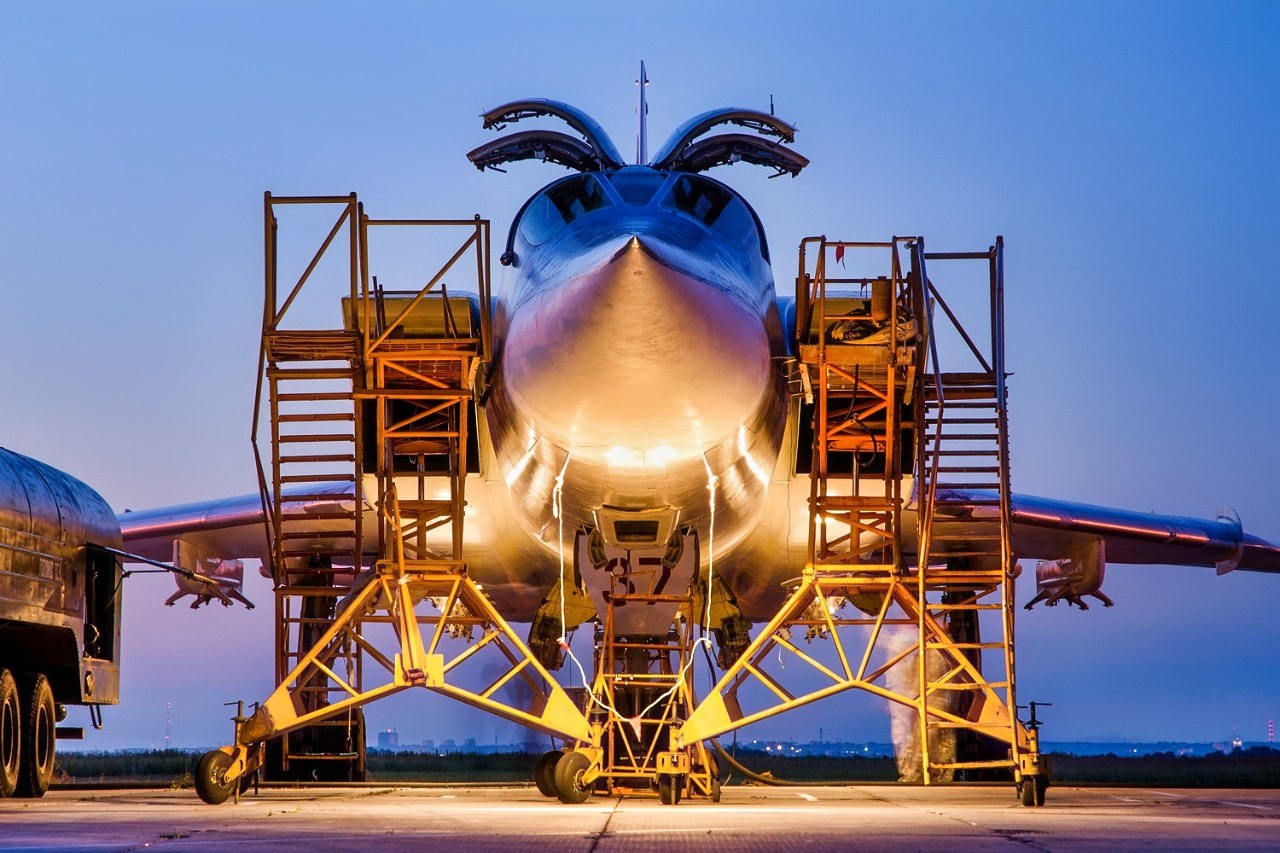
Key Points and Summary – Russia’s Tu-22M3 “Backfire” is a Cold War–era supersonic bomber that still delivers heavy standoff strikes with Kh-22/32 missiles—and remains central to Moscow’s Ukraine campaign.
-But losses on the ground highlight two hard truths: Soviet-legacy airframes are irreplaceable, and Russia lacks the industrial depth to rebuild the fleet.
Tu-22M Backfire Bomber from Russia. Image Credit: Creative Commons.
-Modernized Tu-22M3M upgrades add range, sensors, and speed, yet Ukrainian long-range drones and air defenses have exposed base security and maintenance fragility.
-Each destroyed airframe shrinks a finite bomber force and magnifies Russia’s dependence on standoff munitions over survivable platforms.
The Tu-22M3 Russia’s Throwback Bomber
Russia’s Tu-22M3 bomber is an aging Cold War-era design. But it remains a significant, albeit vulnerable, platform for Russia’s strategic strikes – a role it has performed against Ukraine.
Modernized variants and upgraded systems have given it some modern capabilities, but Ukrainian drone attacks have exposed vulnerabilities to its airbase security, as well as a critical production gap: Russia lacks robust production lines to replace these aircraft when they are lost.

Tu-22M3 Russian Bomber. Image Credit: Creative Commons.
Russia’s Bomber Fleet Is Composed Of Ancient Aircraft
The war in Ukraine has exposed Russia’s bomber fleet for what it is. The Russian Aerospace Forces use aircraft from a bygone era. This is true of platforms ranging from the Tu-95 Bear, a design from the 1950s, to the Tu-22M3 – a 1960s bomber – and even the 1980s-era Tu-160, which I’ve written about several times.
They are still viable aircraft, capable of delivering massive amounts of ordnance, despite being very vulnerable in contemporary air warfare.
The problem with these old legacy airframes is that, once lost, they can’t be replaced; production lines have long since been shuttered. That is especially true for the much-used Tu-95 Bear platform.’

Tu-22M3 Bomber Russian Air Force. Image Credit: Creative Commons.
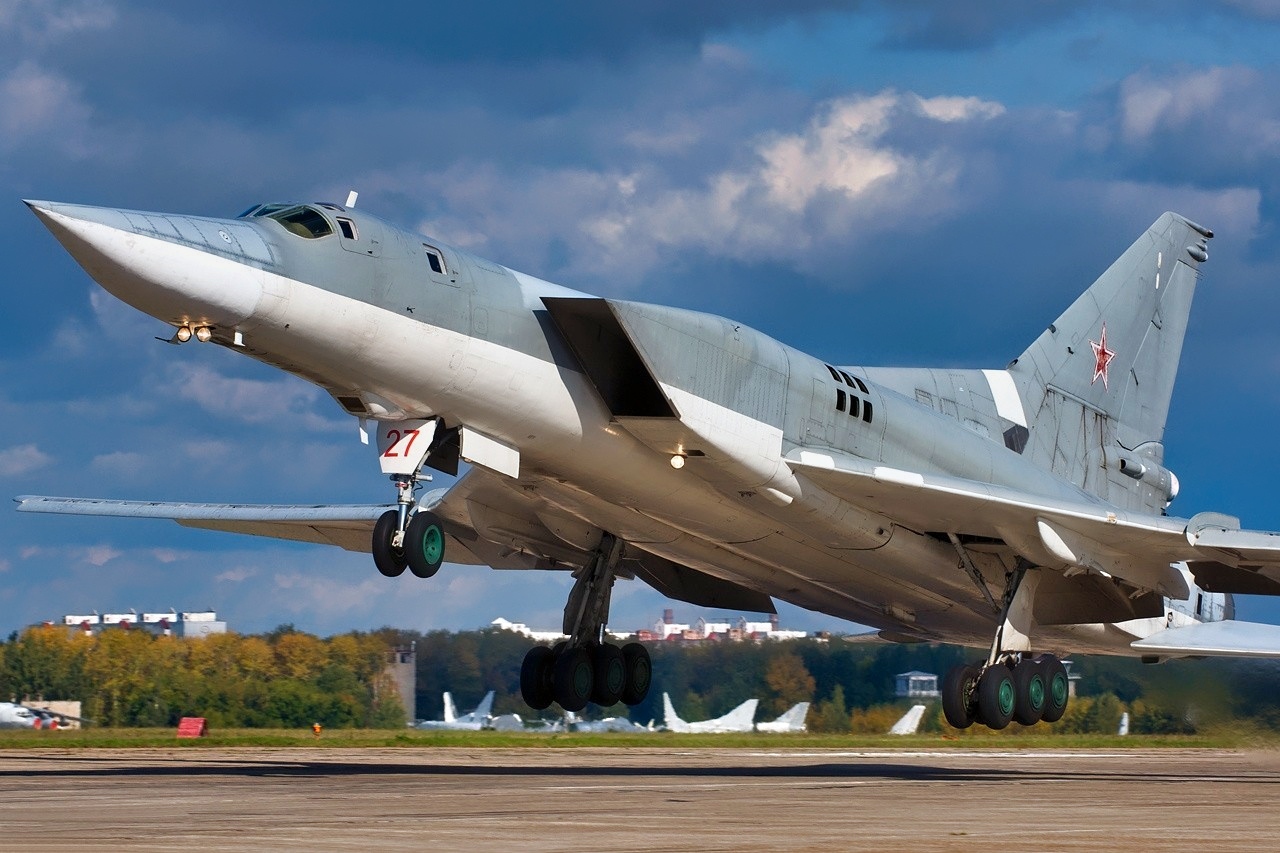
Tu-22M3 Backfire bombers are also no longer produced; production ended in 1993 after the collapse of the Soviet Union. Russia’s remaining Tu-22M3 fleet consists of Soviet-era aircraft, some of which are undergoing modernization into Tu-22M3M variants, while others are being used for parts.
Meet The Tu-22M3 Backfire Bomber
The supersonic, swept-wing Tupolev Tu-22 Backfire bomber was designed in the 1960s but it is still a viable bomber today. It has been used in Ukraine to great effect, especially in the skies over Mariupol.
When it was first designed in the 1960s, the Backfire was a very flawed aircraft. Its practical performance was poor, and maintenance issues typical of low-quality Soviet production plagued the jet. The bomber’s engines and the airframe itself had distressingly short service lives.
The Soviet Air Force contemplated suing Tupolev for rushing subpar designs of the Tu-22M (and Tu-160) into service. The Soviet bureaucracy exacerbated the Tu-22M’s maintenance problems, as spare parts were difficult to procure, resulting in aircraft being grounded for up to six months and a mission-capable rate of around 30-40 percent.
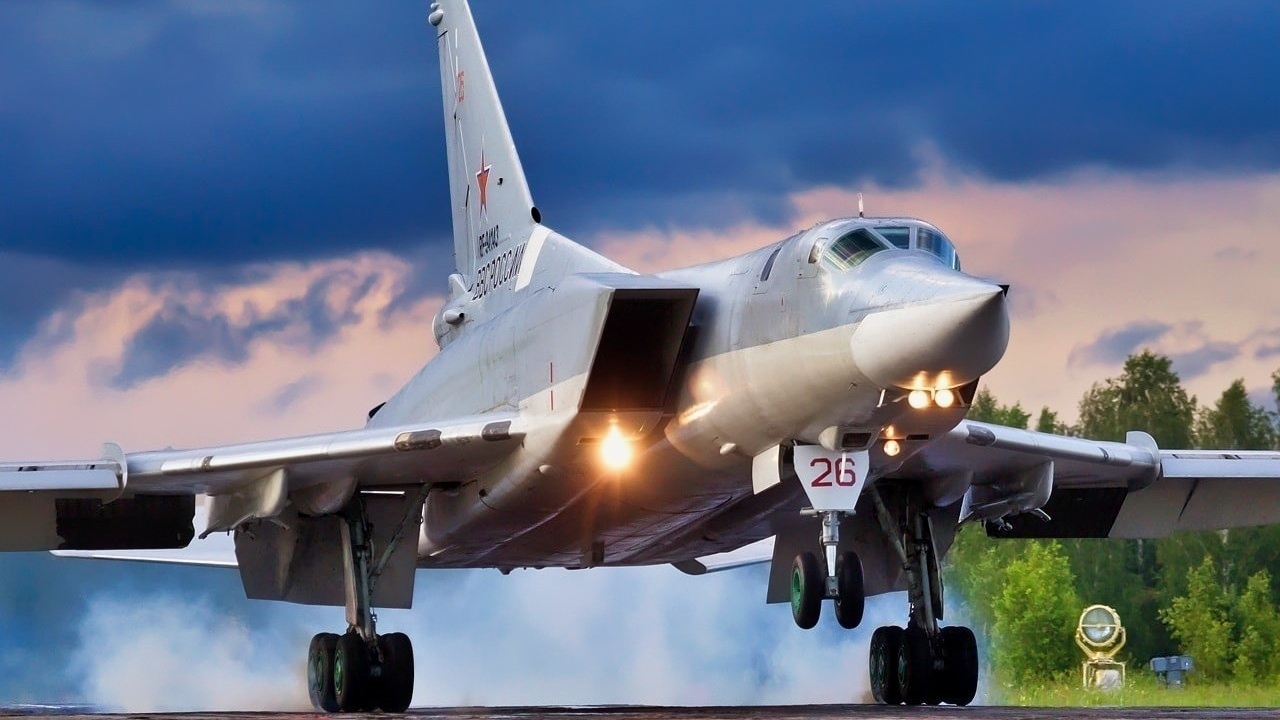
Tu-22M3 from Russian Air Force. Image Credit: Creative Commons.
However, the Soviet Union made significant upgrades in 1983 that have kept it relevant.
The Tu-22M3M includes modern digital avionics, a 33 percent increase in range, and enhanced targeting capabilities. Aerodynamic changes also increased its top speed to Mach 2.05.
The improvements are designed to keep Russia’s aged bombers relevant until they can begin fielding new bombers designed for the 21st century. However, the PAK DA bomber seems as far away as ever.
The Soviet’s First Supersonic Bomber
The Tupolev Tu-22M Backfire was Russia’s first supersonic bomber. Initially designed by the Soviet Union and still used by Russia, the T-22 was designed to penetrate deep into enemy airspace at high speeds and deliver a conventional or nuclear strike.
Its vast arsenal of bombs and missiles makes the aircraft a force to be reckoned with, even by today’s standards.
The Backfire is capable of carrying both conventional and nuclear missiles as well as a variety of cruise missiles and bombs. It can carry up to 53,000 pounds of ordnance, both internally and on external hardpoints.

Tu-22M3 Bomber from Russia. Image Credit: Creative Commons.
The Kh-22 missile is an especially formidable weapon. This long-range, supersonic cruise missile was designed to destroy aircraft carriers and large naval vessels. It has a range of approximately 600 kilometers and can carry either a conventional or nuclear warhead. The missile travels at speeds of up to Mach 4.6, making interception difficult.
The Tu-22M3’s arsenal also includes the Kh-15/AS-16 “Kickback.” This missile is smaller and has a shorter range of around 300 kilometers, but it is extremely fast, reaching speeds of Mach 5. It is typically carried in a rotary launcher in the aircraft’s bomb bay.
The Tu-22M3 can also be equipped with the Kh-32, an updated version of the Kh-22. The Kh-32 features improved guidance systems and enhanced resistance to electronic countermeasures, and it has a range of up to 1,000 kilometers.
The Tu-22M3 can carry a variety of bombs. These include the FAB-series of conventional free-fall bombs, which are used for general-purpose bombing missions.
KAB-series precision-guided bombs, which utilize laser or satellite guidance systems, are employed for targeting precision. The Russian Air Force is developing hypersonic weapons, such as the Kh-47M2 Kinzhal, to be integrated into the Backfire, but this effort has not yet proven successful.
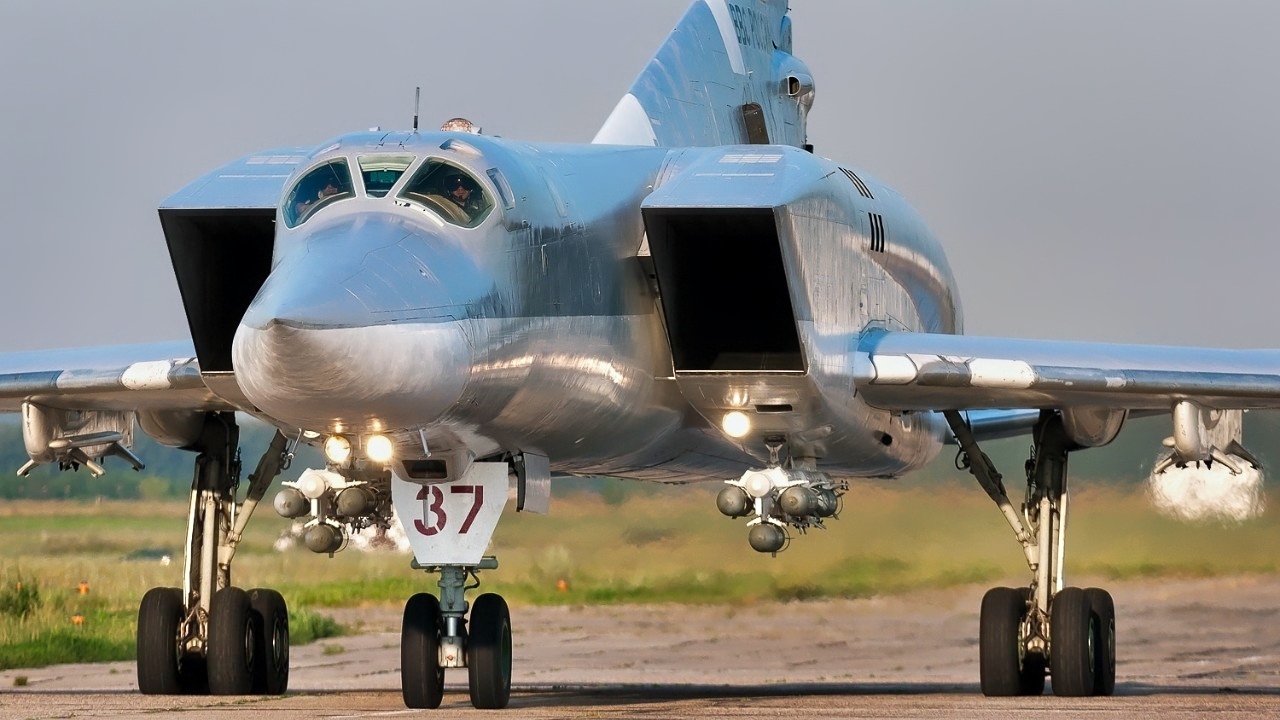
Russia Tu-22M Bomber. Image Credit: Creative Commons.
Ukraine Recognizes The Positives And Negatives And Acts Accordingly
Russia has not developed a new bomber since the collapse of the Soviet Union nearly 35 years ago. And while its bombers are still powerful, they are vulnerable – and they are most vulnerable on the ground.
Every Tu-95 Bear or Tu-22M3 bomber destroyed on the ground cannot be replaced. According to reports that have not yet been verified, the Russians have lost 10 percent of their Tu-22M3 bomber fleet. While some have fallen victim to Ukrainian air defense systems, many more have fallen victim to Ukrainian drone attacks on Russian air bases.
Operation Spider’s Web
On June 1, Ukraine unleashed a devastating drone attack that targeted several Russian air bases. These drone strikes reportedly destroyed or damaged numerous irreplaceable Soviet-era strategic bombers, including Tu-95MS and Tu-22M3 aircraft, at bases deep inside Russia.

Tu-22M Bomber from Russian Air Force. Image Credit: Creative Commons.
These aircraft cannot be replaced, and while Moscow continues to rattle its saber, overflying NATO countries in an attempt to coerce Western involvement, it should be careful what it wishes for.
NATO aircraft would sweep Russia from the skies in a matter of days – not weeks – and the number of Russian bombers would plummet even faster.
About the Author:
Steve Balestrieri is a National Security Columnist. He served as a US Army Special Forces NCO and Warrant Officer. In addition to writing on defense, he covers the NFL for PatsFans.com and is a member of the Pro Football Writers of America (PFWA). His work was regularly featured in many military publications.
More Military
USS Constellation Was the Workhorse Aircraft Carrier
Aircraft Carrier USS Independence: Summed Up in 4 Words
Russia’s Tu-95MS Bear: Moscow’s B-52 Bomber?


