

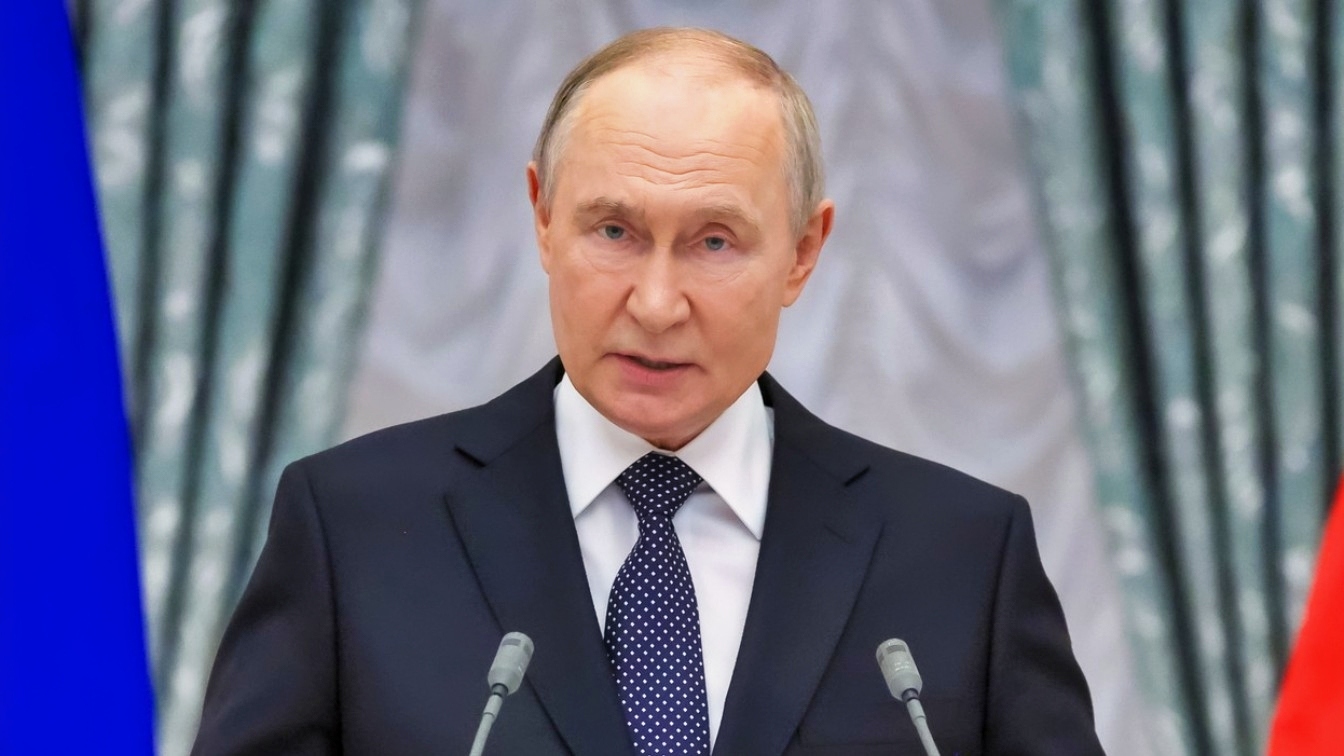
Could The Ukraine War End Putin? Why The Cracks Are Real, And Why He Probably Survives Them Anyway: For the first time since Russian tanks rolled toward Kyiv in February 2022, serious analysts of Russian politics are writing that Vladimir Putin’s grip may be slipping. Western media reported in May that his position within the power structure had weakened. The economy has contracted for the first time in three years. The army is stalled along the front. Ukrainian drones strike refineries hundreds of miles inside Russia.
The question of whether the war could go badly enough to cost Putin his office, once the stuff of wishful thinking in Western capitals, has become a genuine analytical debate among the people who study the Kremlin most closely.
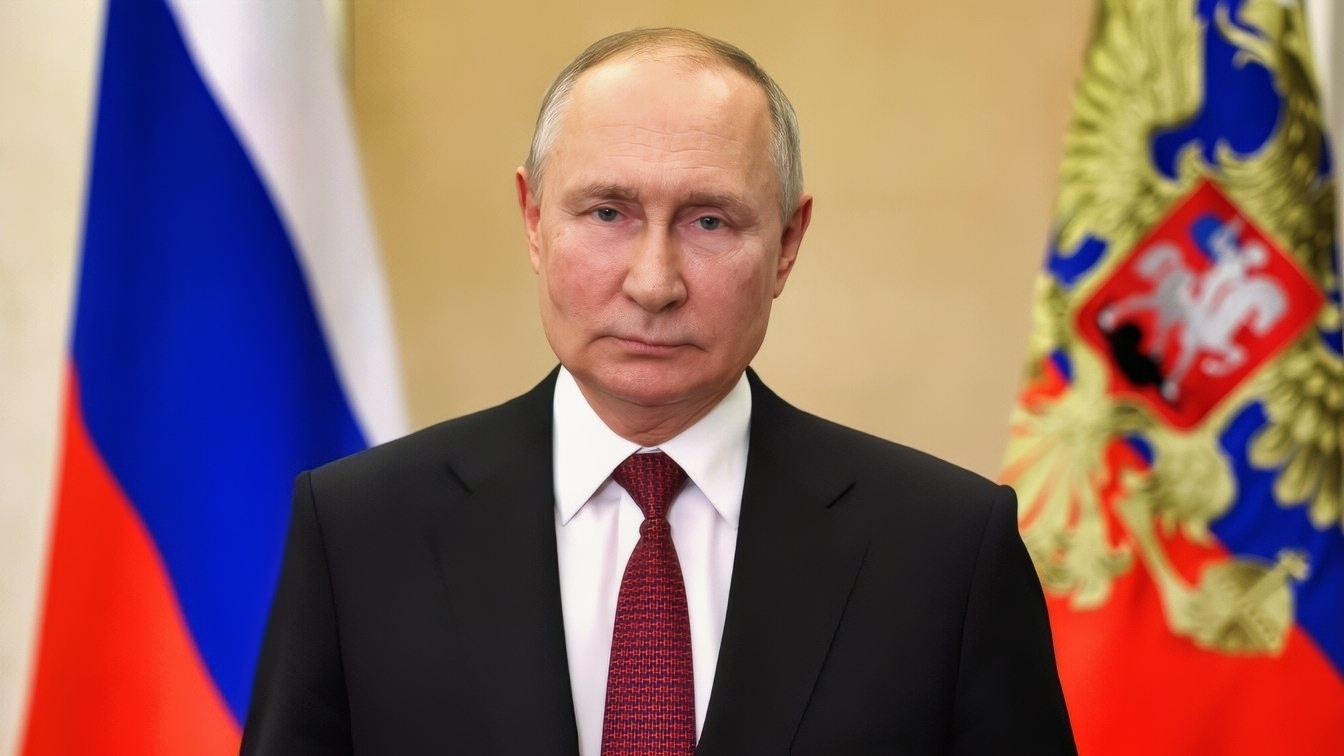
Putin On June 18, 2023 Russian Federation Photo
The honest answer is that the conditions analysts have always said would be required are finally assembling, and that the mechanism to turn those conditions into Putin’s removal still does not exist.
The Cracks Are Real: What Has Changed In 2026
The case that Putin is more vulnerable than at any point in the war rests on developments that are new, simultaneous, and documented.
The Warsaw-based Centre for Eastern Studies reported in May that adverse trends were intensifying across every domain at once — economic, financial, social, and military — and that Western outlets had described removal plans allegedly forming within the elite.
The Carnegie Endowment’s Russia analysts went further, writing that for the first time since the full-scale invasion, the Russian elite appears to be on the brink of an internal schism, with no one able to stand up to the security establishment and a president described as increasingly passive.
The economic turn underneath those assessments is real. Russia’s GDP fell 0.3 percent year-on-year in the first quarter of 2026, the first contraction in three years and a possible signal of a shift from stagnation toward recession, after official growth of only about 1 percent in 2025.
The budget deficit in the first four months of the year reached 5.9 trillion rubles, roughly $80 billion, already exceeding the deficit planned for the entire year, even as the Kremlin raises taxes, eliminates breaks, and extracts so-called voluntary contributions from its wealthiest businessmen. The war that was supposed to be financed by a wartime growth spurt is now being financed by squeezing the civilian economy from which that growth was meant to come.
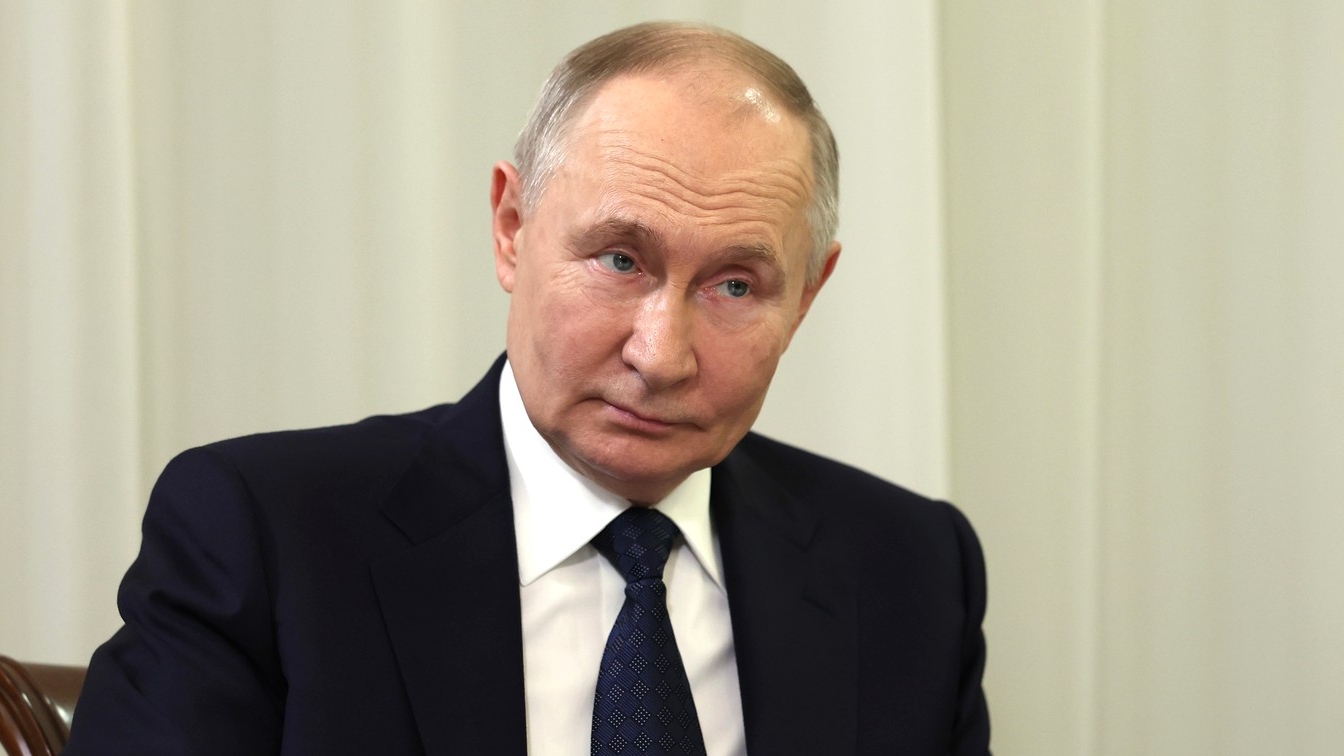
Putin in 2024 Image Credit: Russian Federation
The battlefield offers Putin no relief to offset the economic strain. Russia’s territorial gains have collapsed from their November peak of 725 square kilometers in a month to the lowest monthly total since June 2024, with Ukraine’s commander-in-chief describing Russian forces as stalling around Pokrovsk.
Ukraine’s deep-strike campaign has meanwhile reached hundreds of miles into Russian territory: in roughly 40 days this spring, Ukrainian units destroyed more than 20 Russian air-defense systems, including an S-400, and expanded their strikes on refineries, fuel depots, and pumping stations feeding the war.
A war that is not advancing, an economy that is contracting, and a homeland that is being struck at will are precisely the combination that analysts have long said could threaten the regime if the strands reinforce one another.
The Case Against Collapse: A System Built To Survive This
The same analysts documenting the cracks are emphatic that none of it is likely to remove Putin, and their reasoning is the harder half of the story.
Foreign Policy, surveying the identical evidence, warned readers directly not to believe the rumors of cracks in the regime, arguing that Putin’s Russia was built to survive exactly these moments and that after more than a quarter century in power, he is better prepared for internal intrigue than his opponents or outside observers want to believe.
Every few months, a loyalist is arrested, an official vanishes, a defection is whispered, and the system absorbs it.
The structural barriers to removing Putin are formidable and specific. The Moscow Times, assessing whether the elite could act on its discontent, concluded plainly that Kremlin elites have no way to remove Putin even if they wanted to, because no organized opposition exists within the elite and the system remains extremely centralized and repressive. There is no informal leader who can articulate the military’s discontent, and the armed forces are not a political actor in their own right.
The security services are fragmented and dependent on Putin’s personal arbitration, which under normal conditions strengthens his control rather than threatening it. Putin has named no successor, on the deliberate logic that any designated heir would become a rallying point for rivals, leaving no obvious figure around whom a transition could be organized.
Russian society does not supply the missing pressure from below. The Centre for Eastern Studies, for all its catalog of the regime’s troubles, judged that the Putin system remains resilient to shocks and that only Putin’s death or serious illness would reliably lead to its collapse, with Russian society more passive than inclined to protest.
The repeated finding across the serious literature is that mass unrest in Russia is more likely to be a consequence of elite-driven regime change than its cause — the protests follow the fracture at the top; they do not create it.
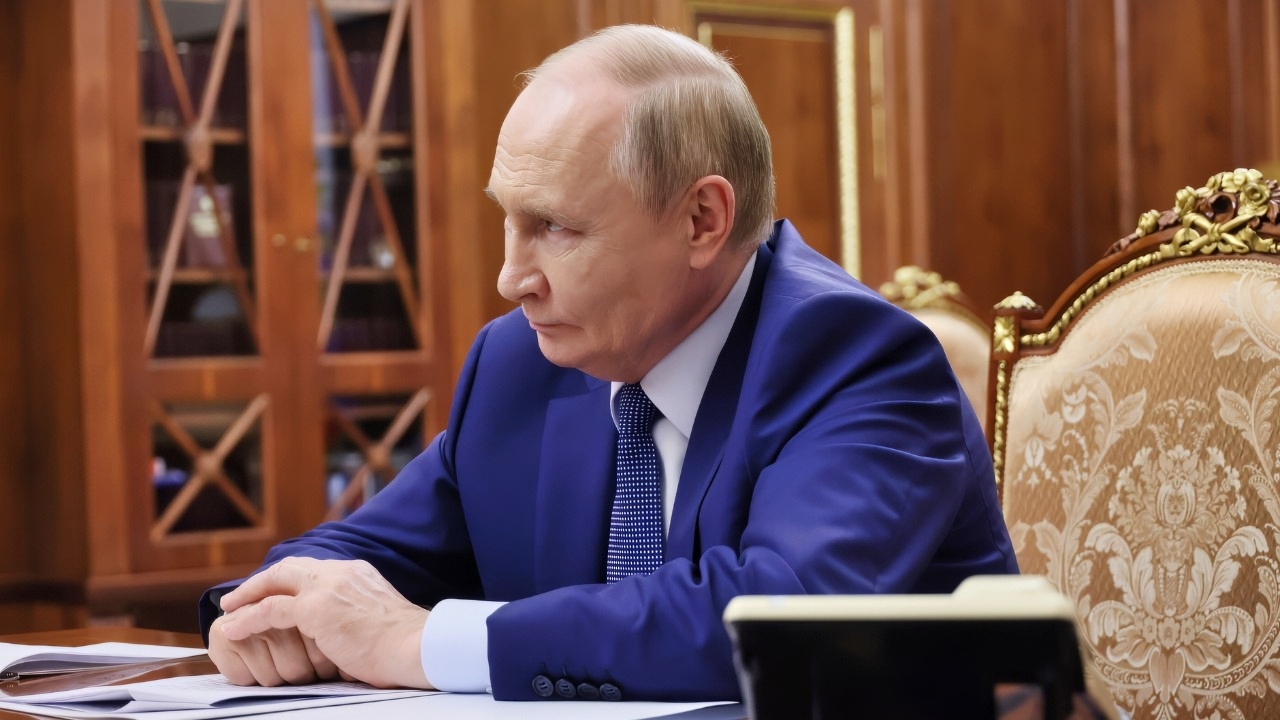
Putin in 2025 Looking Stern. Image Credit: Creative Commons.
A population that does not take to the streets and an elite that has no instrument to act leave the pressure of the war with nowhere to go.
The Oil Lifeline: How Trump’s War On Iran Helps Putin
The war that has dominated this spring is helping Putin at the exact moment the collapse narrative would have him cornered, and the irony warrants stating directly.
The American-led war against Iran has spiked global oil prices, and Russia, as one of the world’s largest crude exporters, collects more revenue on every barrel it sells when the price rises.
The Centre for Eastern Studies noted that the oil-price increase driven by the Iran war, while unable to resolve the economy’s systemic problems, had provided a short-term boost to Putin’s image. Finland’s BOFIT institute, tracking the swings, observed that the limitations on shipments through the Strait of Hormuz pushed oil prices up globally, and that Washington granted Russia an exemption from oil sanctions on cargoes loaded on or before March 12.
The relief is real but bounded, and the boundaries matter. The American sanctions exemption applies only to oil already loaded by mid-March, not to open-ended future shipments, and Russia may still have to offer steep discounts that erode the windfall. More fundamentally, a temporary price spike does not touch the structural problems — the contracting economy, the widening deficit, the labor shortages, the technology starvation under sanctions — that are the actual sources of long-term strain.
The oil bump buys Putin time and burnishes his image; it does not fix what is breaking beneath the surface. The deeper point is the one Western capitals should sit with uncomfortably: Trump’s war on Iran, whatever its aims, is propping up the same Russian war chest that Ukraine’s deep-strike campaign is trying to drain, and the two American policies are working against each other.
The Prigozhin Precedent: The Closest Call Came And Went
The strongest historical evidence about Putin’s vulnerability is the one moment the war actually produced a direct challenge, and how it ended. In June 2023, Yevgeny Prigozhin’s Wagner forces mutinied and marched toward Moscow, posing the most serious threat to Putin’s rule during his entire tenure, yet the system survived it within 36 hours. Prigozhin died in a plane crash two months later.
The lesson the Kremlin drew, and the lesson outside observers should draw, is that even an armed challenge led by a genuinely popular figure with his own military force did not topple the regime, and that mounting one was fatal.
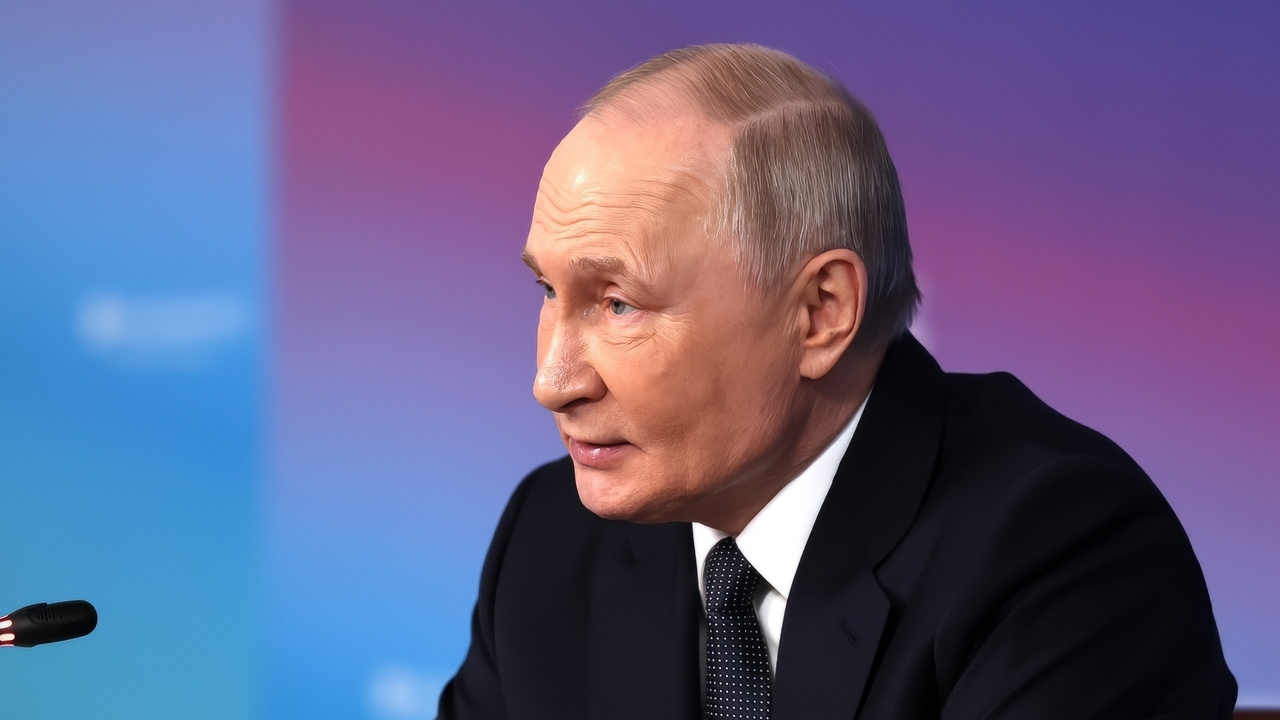
Vladimir Putin in Murmansk (2025-03-27). Image Credit: Creative Commons.
Three years later, there is no Prigozhin — no figure with an independent power base, an armed following, and the willingness to move. The discontent in 2026 is more diffuse, and the economic backdrop is worse, but diffuse discontent without a leader and without an instrument is exactly what the Putin system is engineered to outlast. The militarist community that has been radicalized by the war, and the question of what happens when hundreds of thousands of soldiers are eventually demobilized into a stagnant economy, are genuine long-term risks that analysts flag. There are risks that would matter most if they coincided with an elite fracture, and the elite fracture, for now, remains potential rather than actual.
The Verdict: Not Soon, But More Brittle Than Before
The most likely answer to whether the Ukraine war could force Putin from power is no, not in the foreseeable term, and the reasoning is not optimism about the regime but realism about how authoritarian systems fall.
They fall when pressure meets a mechanism — an organized faction, a credible successor, a security service willing to switch sides, a leader able to channel discontent into action — and Russia in mid-2026 has the pressure without the mechanism. The economy is contracting, the front is stalled, the elite is uneasy, the homeland is under fire, and the public is exhausted, and none of those facts has anywhere to discharge while the instruments of removal remain absent, and the oil price offers Putin a temporary cushion.
The qualification is that the ground is shifting in a way it had not before. The combination analysts have always identified as the genuine threat to the regime — economic crisis, elite fragmentation, the social consequences of the war, and a battlefield that offers no victory to justify the costs — is assembling simultaneously for the first time since the invasion began, and a system that depends entirely on one man’s arbitration becomes dangerously opaque the moment that man weakens. Putin is 73 and has ruled for more than a quarter of a century, and the constitutional path on his death runs through a prime minister and an election in 90 days that the system has never actually had to execute under stress.
The war is unlikely to end with Putin. It has, however, made the structure he built more brittle than at any point since he started the war, and brittle structures fail not gradually but all at once, on a timeline no analyst can predict, and through a trigger no one can yet name. I say stay tuned.
About the Author: Harry J. Kazianis
Harry J. Kazianis (@Grecianformula) was the former Senior Director of National Security Affairs at the Center for the National Interest (CFTNI), a foreign policy think tank founded by Richard Nixon based in Washington, DC. Harry has over a decade of experience in think tanks and national security publishing. His ideas have been published in the NY Times, The Washington Post, The Wall Street Journal, CNN, and many other outlets worldwide. He has held positions at CSIS, the Heritage Foundation, the University of Nottingham, and several other institutions related to national security research and studies. He is the former Executive Editor of the National Interest and the Diplomat. He holds a Master’s degree focusing on international affairs from Harvard University.


