
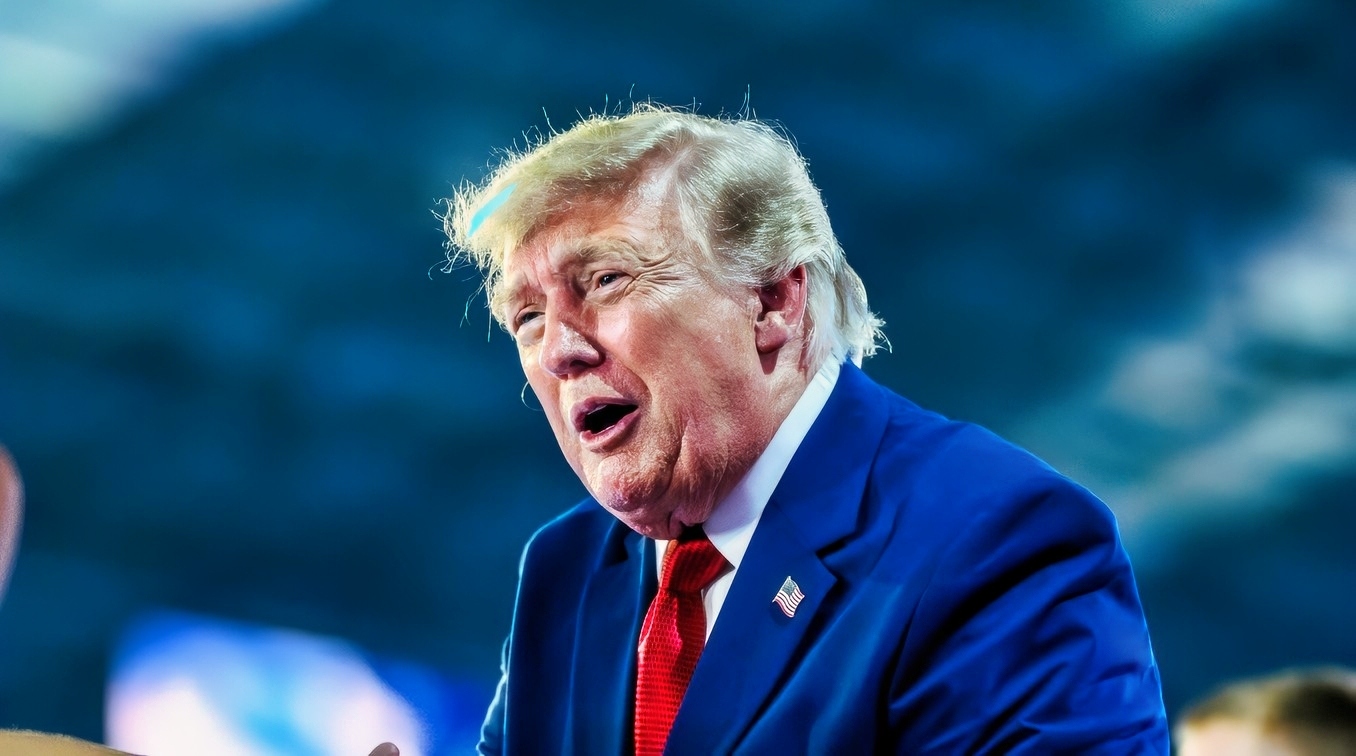
President Donald Trump said on Tuesday, September 29, that he did not know whether Iran was ready to concede in its war with the United States, but he did insist that Tehran would eventually give up.
The comments come as Washington’s continued economic sanctions campaign has driven the value of the rial to a historic low, and as Qatari mediators continue to exchange proposals between the two sides.
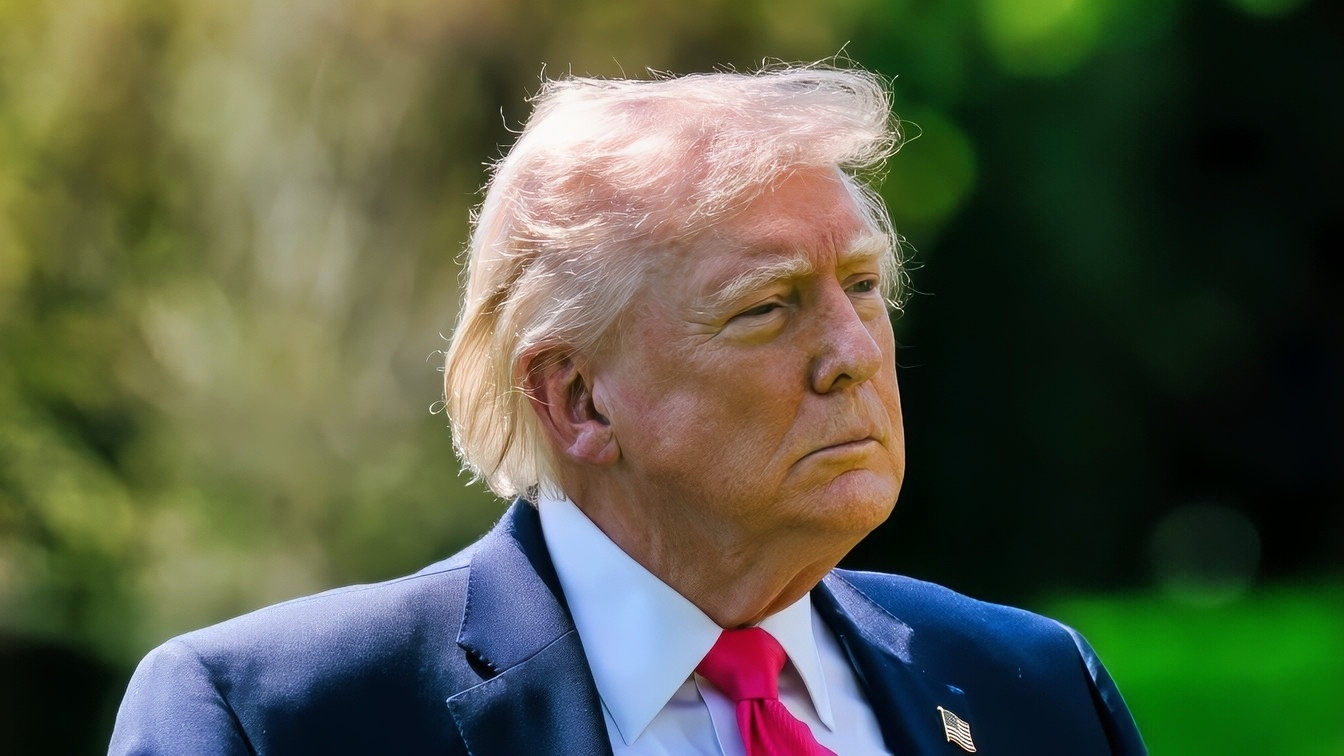
President Donald J. Trump speaks with members of the media before boarding Marine One on the South Lawn of the White House, Thursday, April 16, 2026, en route Joint Base Andrews for a trip to Las Vegas. (Official White House Photo by Molly Riley)
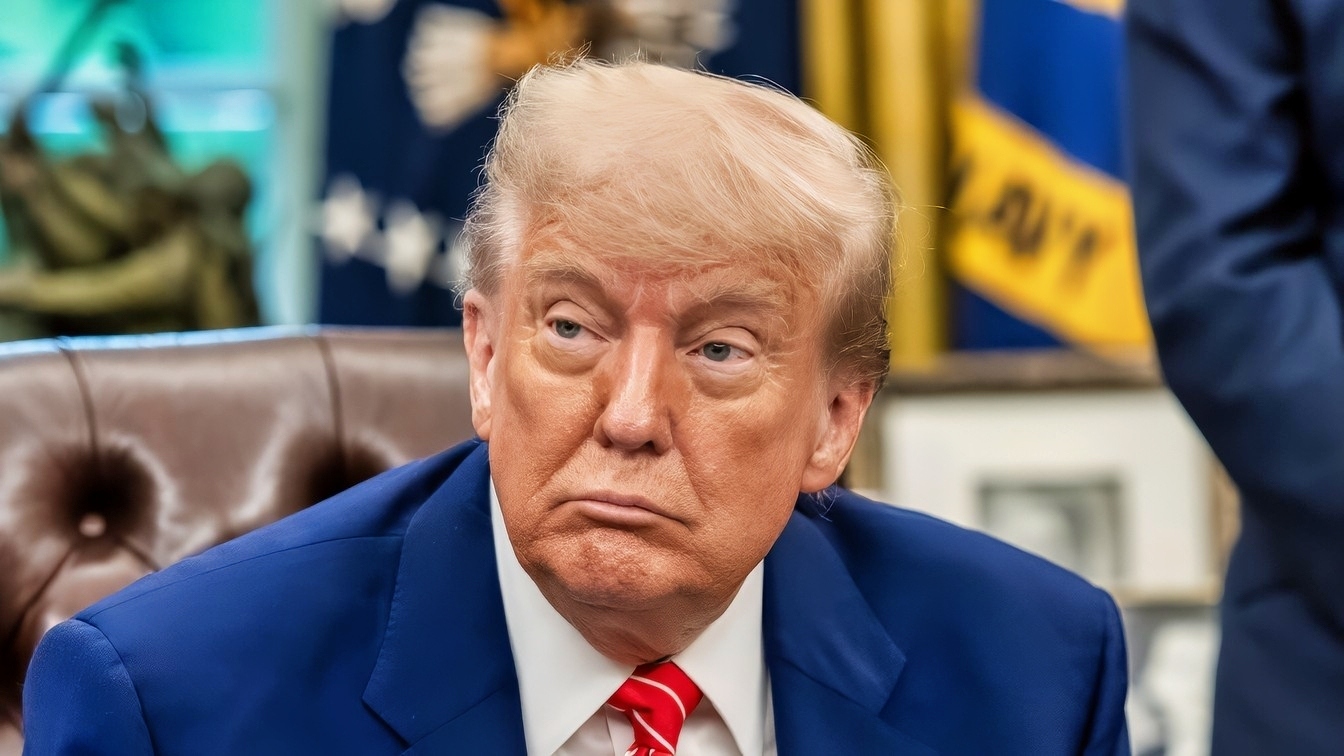
President Donald Trump is joined by Secretary of Commerce Howard Lutnick, Vice President JD Vance, British Ambassador Peter Mandelson, U.S. Trade Representative Jamieson Greer, and Secretary of Agriculture Brooke Rollins, while announcing a trade agreement with the U.K., Thursday, May 8, 2025, in the Oval Office. (Official White House Photo by Molly Riley)
On Wednesday, Iran also announced that it had received an official response from the United States to its most recent offer – a seven-day proposal that would effectively reimplement the terms of the failed June Memorandum of Understanding.
What Trump Said
Speaking to reporters outside of the White House after a luncheon for technology executives in the East Room, President Trump said he doesn’t know when Iran will concede.
“I don’t know if they are going to give up yet, but they’ll give up,” Trump said. “They are doing very poorly.”
Asked whether Iran was about to concede, Trump maintained that preventing Tehran from acquiring a nuclear weapon remained the purpose of the campaign.
He also claimed that more oil had passed through the Strait of Hormuz over the preceding two days than at any previous point, including before the war.
Iran Confirms U.S. Response
Iranian government spokesperson Fatemeh Mohajerani said on Wednesday that Foreign Minister Abbas Araghchi had presented Washington’s official response to the recent proposal to President Masoud Pezeshkian during a Cabinet meeting.
Neither side has disclosed the contents of the response, nor has it been confirmed whether Washington has formally rejected the offer, though Trump himself has confirmed that the offer in its current form is not acceptable.
Reuters also reported that Qatari mediators delivered Washington’s feedback to Araghchi in Doha on Tuesday.
An official, not from Iran, who was briefed on the talks also told Reuters that the biggest disagreements between the two sides at this stage center largely on the sequence of commitments, not the commitments themselves.
It could suggest that Washington is prepared to make the kind of concessions it made during the June ceasefire deal, but that Iran would first need to make its own concessions, including opening the Strait of Hormuz, before the U.S. follows through on its commitments.
Under the terms of the proposed seven-day deal, Iran requests that Washington lift its naval blockade, waive sanctions on Iranian oil exports, release frozen assets, and implement a ceasefire that includes Lebanon.
Tehran says that it would reopen the Strait of Hormuz on day six and begin negotiations on a final agreement on the seventh day.
President Donald Trump publicly rejected the deal in that form on September 26 while speaking to reporters outside the White House, however.
More Sanctions This Week
While Washington and Tehran mull over a potential deal, the United States imposed new sanctions this week.
On Tuesday, September 29, the U.S. Treasury and State Department announced sanctions against 13 people and entities that are accused of helping Iran obtain weapons and military components.
The measures were announced by both the Treasury and State departments, with the Treasury’s Office of Foreign Assets Control designating 10 targets under Operation Economic Outcast — the campaign launched by Treasury Secretary Scott Bessent on August 24.
Those sanctioned included Seyyed Asghar Alizadeh Tabatabai, a Beijing-based representative of Iran’s Ministry of Defense and Armed Forces Logistics.
Treasury accused him of arranging purchases of weapons systems and components with civilian and military applications.
The Iranian Kavoshcom Asia R and D Group was also accused of supplying electronics to organizations producing military aircraft and ballistic missiles.
Meanwhile, Hong Kong’s EC Mojo Technology Co Limited was sanctioned for supporting Kavoshcom purchases.
The State Department also sanctioned Russia’s Yakovlev aircraft manufacturer, the Russian shipping firm MG-Flot, and Iranian Saha Airlines.
“Under Operation Economic Outcast, Treasury will continue to target and disrupt those who provide material, technological, or financial support that allows the Iranian regime to sustain its terrorist enterprise,” Bessent said on September 29.
“Treasury will not tolerate any support to the regime and will continue to identify, expose, and isolate Iran’s enablers.”
Iran Appeals to American Voters
Analysts have warned for months that Iran may seek to undermine President Trump by ensuring maximum global economic disruption until, at least, the November midterm elections.
And on September 29, the Iranian Revolutionary Guard Corps (IRGC) appealed directly to American voters, urging them to reject President Donald Trump’s policies and the war more generally, ahead of the November 3 midterm elections.
In a 25-page open letter, the IRGC called for opposition to American support for Israel and foreign wars, and argued that Iran and the United States could coexist if Washington changed its policies.
The letter suggests that analysts and President Trump may be correct in asserting that Iran could seek to maintain the disruption for at least the next five weeks.
About the Author: Jack Buckby
Jack Buckby is a British researcher and analyst specializing in defense and national security, based in New York. His work focuses on military capability, procurement, and strategic competition, and he produces and edits analysis for policy and defense audiences. He brings extensive editorial experience, with a career output spanning over 1,000 articles at National Security Journal, and has previously authored books and papers on extremism and deradicalization.


