

Ukraine has claimed that in the past nine days its drone attacks have hit 116 Russian ships in the so-called “ghost fleet,” according to the General Staff in the Sea of Azov.
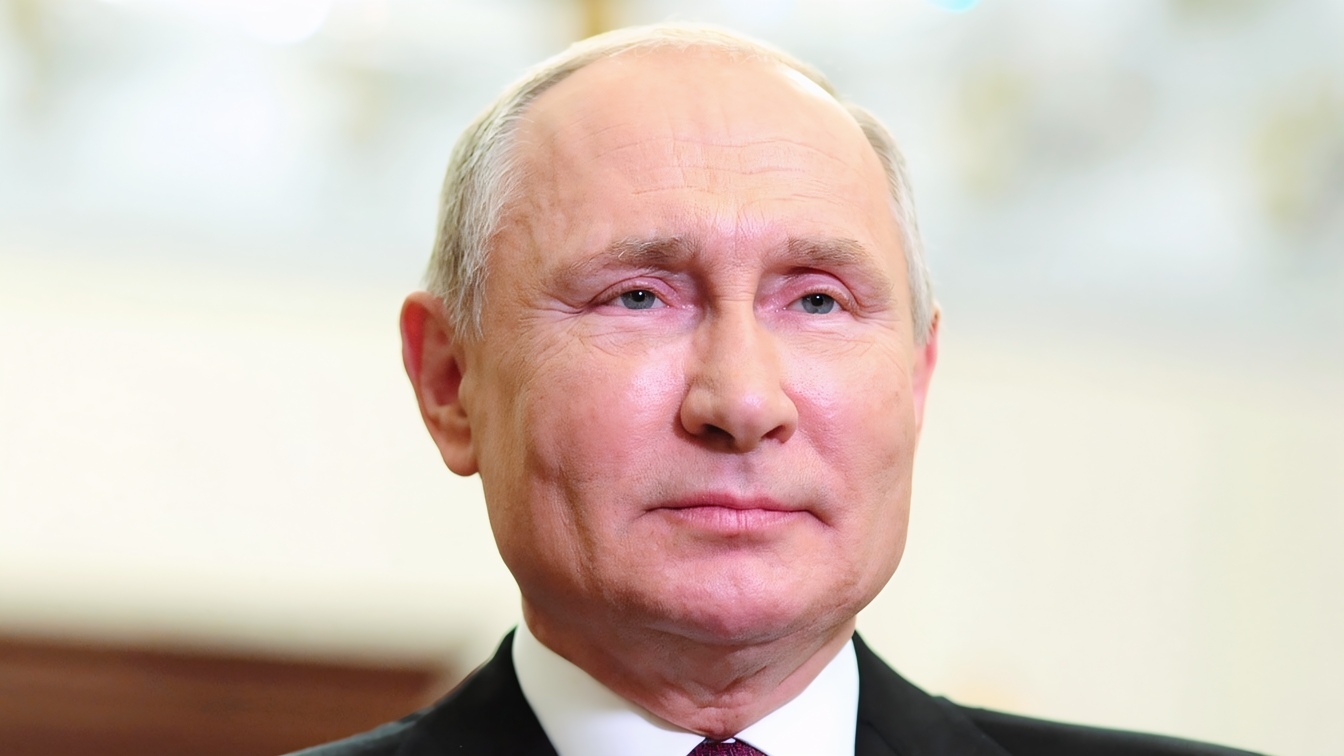
These massive drone swarms have been the primary weapon during the ongoing wave of attacks against Crimea as Ukraine tries to expose Russia’s president, Vladimir Putin, as unable to defend the peninsula, which Russia illegally annexed in 2014.
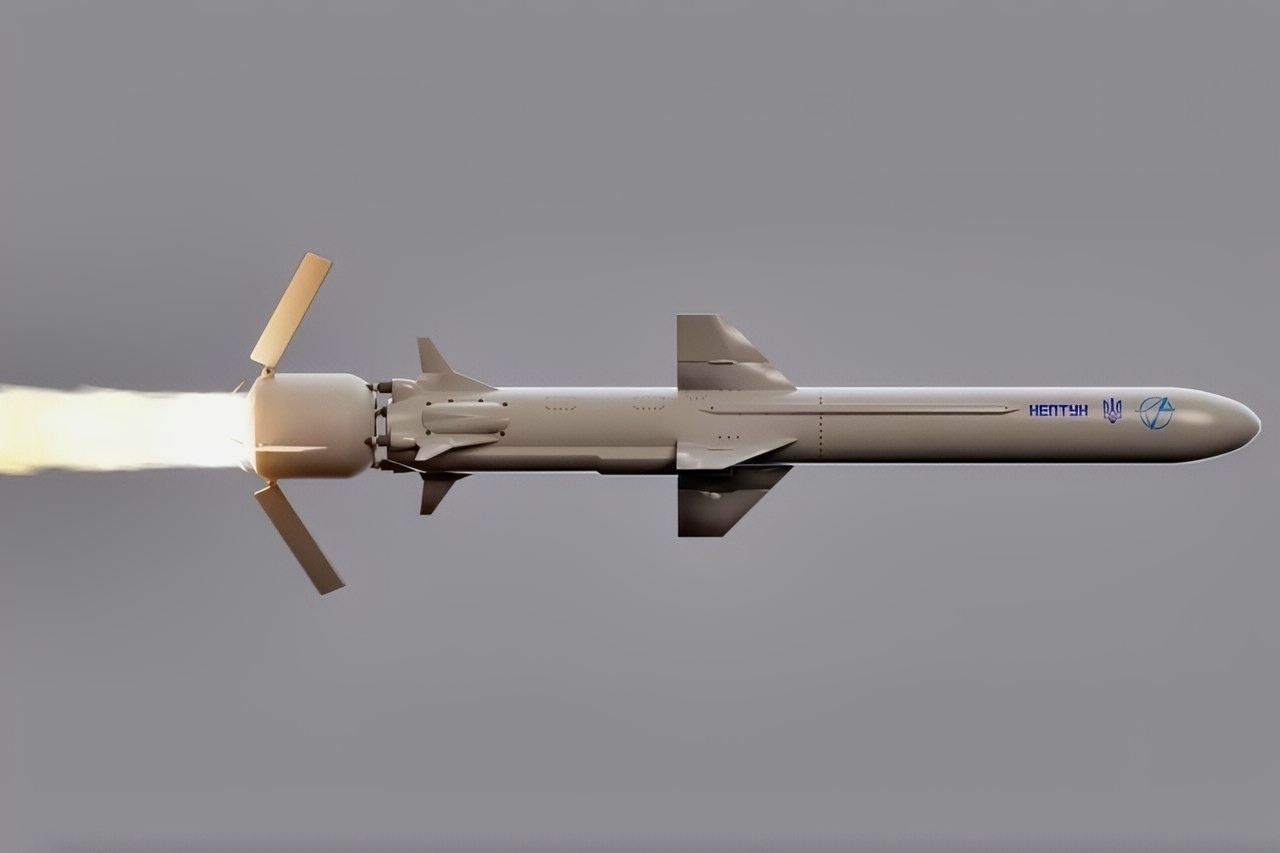
Neptune Missile. Image Credit: Government of Ukraine.
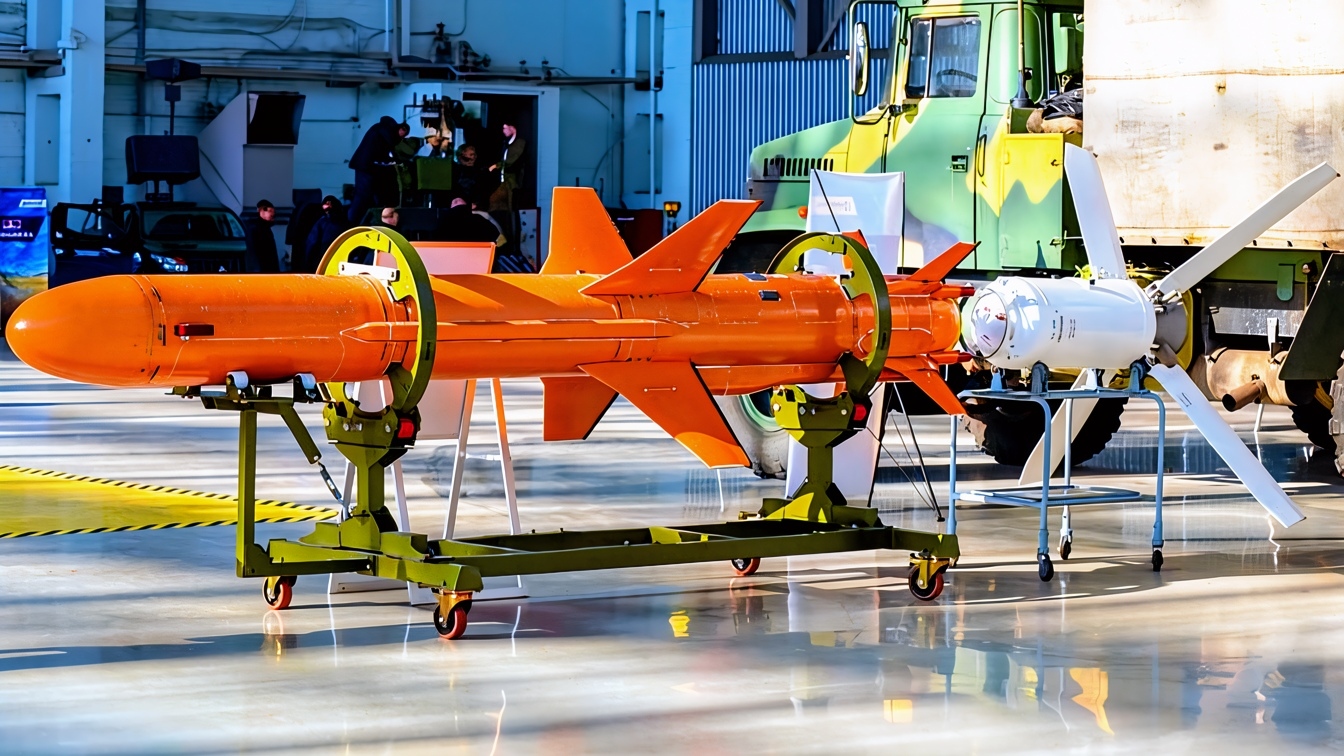
Neptune Cruise Missile Ukraine Government Photo
The Ukrainian attacks have targeted gas and oil refineries, military logistics convoys, power stations, as well as roads and railways leading into Crimea.
The attacks have caused massive gas shortages, resulting in long lines at gas stations, rationing, and power outages on the peninsula.
Ukraine’s increased attacks on Russian energy facilities in recent months are part of Ukrainian President Zelenskyy’s 40-day influence operation to “systematically disrupt the enemy’s logistics chain” and pressure Moscow to end the war.
Russia’s “Shadow Fleet” In The Sea Of Azov Has Been Hit Hard
Ukraine launched further attacks to damage Russia’s so-called “shadow fleet” and to limit Russia’s fuel supplies to Moscow’s illegally occupied Crimea.
Ukraine claims that forces have struck 116 vessels over the past nine days in the Sea of Azov in operations targeting Russian shipping.
The Sea of Azov is small, so most of the tankers and cargo ships that operate there are smaller. However, it doesn’t detract from the damage they are inflicting on Russian supply efforts.
Because of the damage Ukraine’s strikes are causing to Russia’s gas and oil refineries, they have been forced to move more oil and gas than normal across the Azov in an attempt to resupply their needs.
On Saturday, Ukraine said 21 Russian oil tankers were struck in the Sea of Azov in one of the largest Ukrainian drone strikes on Russian shipping since the start of the war.
Latest Drone Attack Targeted 11 Ships
In the most recent attack, Ukrainian drones hit five tankers, five bulk carriers and one tugboat, according to Major Robert “Magyar” Brovdi, the head of a Ukrainian Unmanned Systems Forces, a Special Operations Forces unit, known as “Magyar’s Birds.”
Brovdi was quoted by Reuters that, “the goal was to disable the vessels rather than sink them, leaving them adrift and unable to operate, and to ultimately disrupt Russia’s “feeder fleet” of small and medium-sized tankers used to transfer oil from ports connected to the Volga-Don Canal and the Sea of Azov to larger tankers waiting offshore in the Black Sea.”
The attacks, he said, would complicate fuel deliveries to Crimea, forcing Russia to rely more heavily on road and rail transport, which are vulnerable to Ukrainian attacks.
Russia Redirecting Grain Cargo Due To The Strikes
These attacks on tankers and dry cargo ships are forcing Russia to reroute grain shipments from the Sea of Azov after the latest attacks on 11 ships overnight.
Russia’s Ministry of Agriculture said in a statement on Tuesday that the country was preparing to use “alternative shipping routes” and may redirect cargo “to other modes of transport.”
The disruption to grain shipments (Russia is the world’s #1 wheat exporter) caused Euronext wheat prices to rise by 4 percent last week.
Due to these attacks on Russian shipping in the Sea of Azov, sources told Reuters on Monday that commercial vessels were unable to enter or leave the sea via the Kerch Strait or the Azov-Don channel connecting the sea to the Don River.
One unnamed Russian source told Reuters that several grain ships were hit and set on fire on July 13-14.
“They are standing there like targets before a firing squad. In a couple of days, there won’t be a single intact boat left in the Sea of Azov, only damaged ones,” the source told Reuters.
Russian FM Lavrov Says Ukraine Is Committing Acts Of Terrorism
Russia’s Foreign Minister Sergei Lavrov accused Ukraine of carrying out “acts of terrorism.”
“What the Ukrainian regime is doing goes beyond even piracy. Pirates, at least, plunder and keep the spoils for themselves.
But here, it benefits neither them nor anyone else – the goal is simply to cause damage and intimidate. It is terrorism, pure and simple,” Lavrov said.
An unnamed Ukrainian military source told Reuters: “The Ukrainian Armed Forces strike only military targets or targets that contribute to strengthening Russia’s combat capability.
“Civilian cargoes are not among them.
By talking about attacks on civilian vessels, Russia is looking for a pretext to justify its cynical strikes on Ukrainian civilian infrastructure.”
Ukrainian strikes on Russian oil refineries have contributed to a fuel shortage crisis, leading Moscow to ban some fuel exports amid a global surge in energy prices.
They have also been forced to import gas and oil from India and Belarus.
Russia plans to import up to 400,000 tons of gasoline per month, including seaborne shipments from India and rail deliveries from Belarus.
This drone campaign directly challenges one of Putin’s central claims following Russia’s invasion of southern Ukraine – that the Sea of Azov had effectively become an uncontested Russian “internal sea.”
About the Author: Steve Balestrieri
Steve Balestrieri is a National Security Columnist. He served as a US Army Special Forces NCO and Warrant Officer. In addition to writing on defense, he covers the NFL for PatsFans.com and is a member of the Pro Football Writers of America (PFWA). His work was regularly featured in many military publications.


