

The U.S. Navy took delivery of its 25th Virginia-class fast-attack submarine — the USS Massachusetts (SSN-798) — in November 2025. The seventh Block IV boat in the program was built jointly by General Dynamics Electric Boat and HII Newport News Shipbuilding. The submarine measures 377 feet long, displaces 7,800 to 8,000 tons, dives below 800 feet, and reaches roughly 25 knots underwater. It carries 12 VLS tubes, four 21-inch torpedo tubes, Mk-48 torpedoes, and BGM-109 Tomahawk missiles. The Navy intends to arm Virginia-class boats with the Conventional Prompt Strike hypersonic weapon before 2028. The Virginia-class replaced the canceled Seawolf-class, originally planned at 29 submarines.
The Seawolf-Class Was Supposed to Be 29 Submarines — The Clinton Administration Cut It to 3 for The Peace Dividend
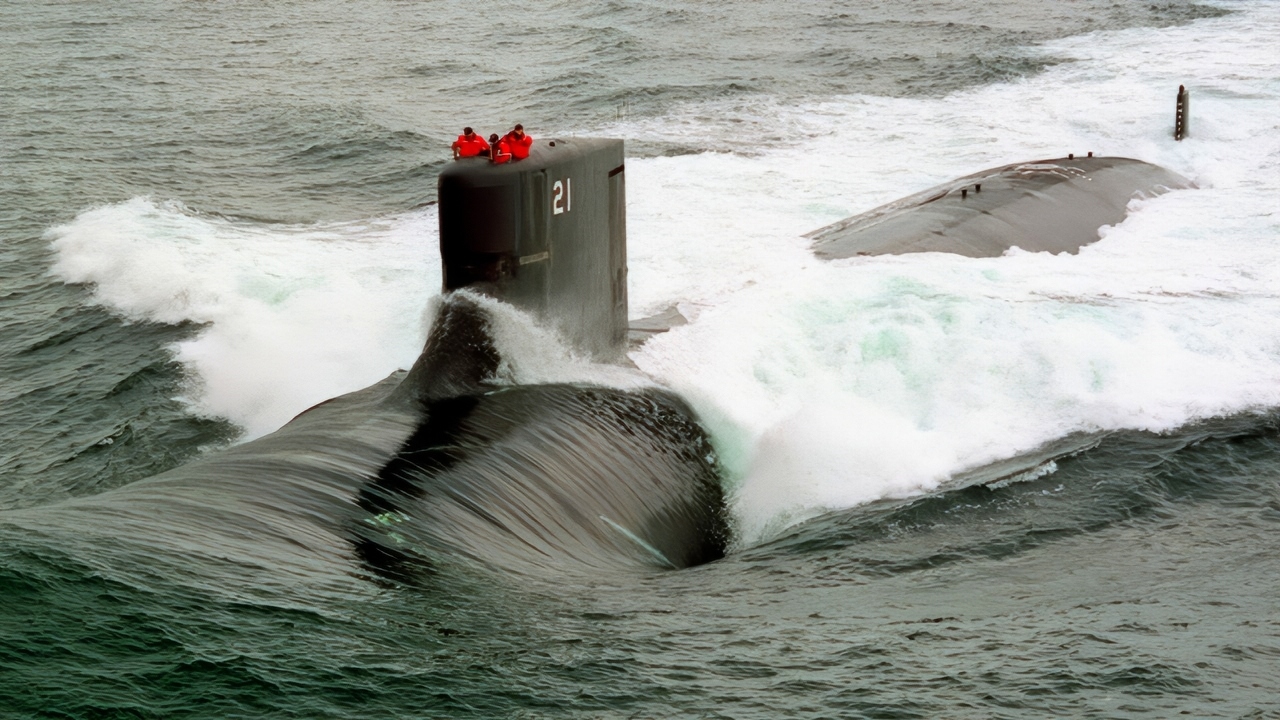
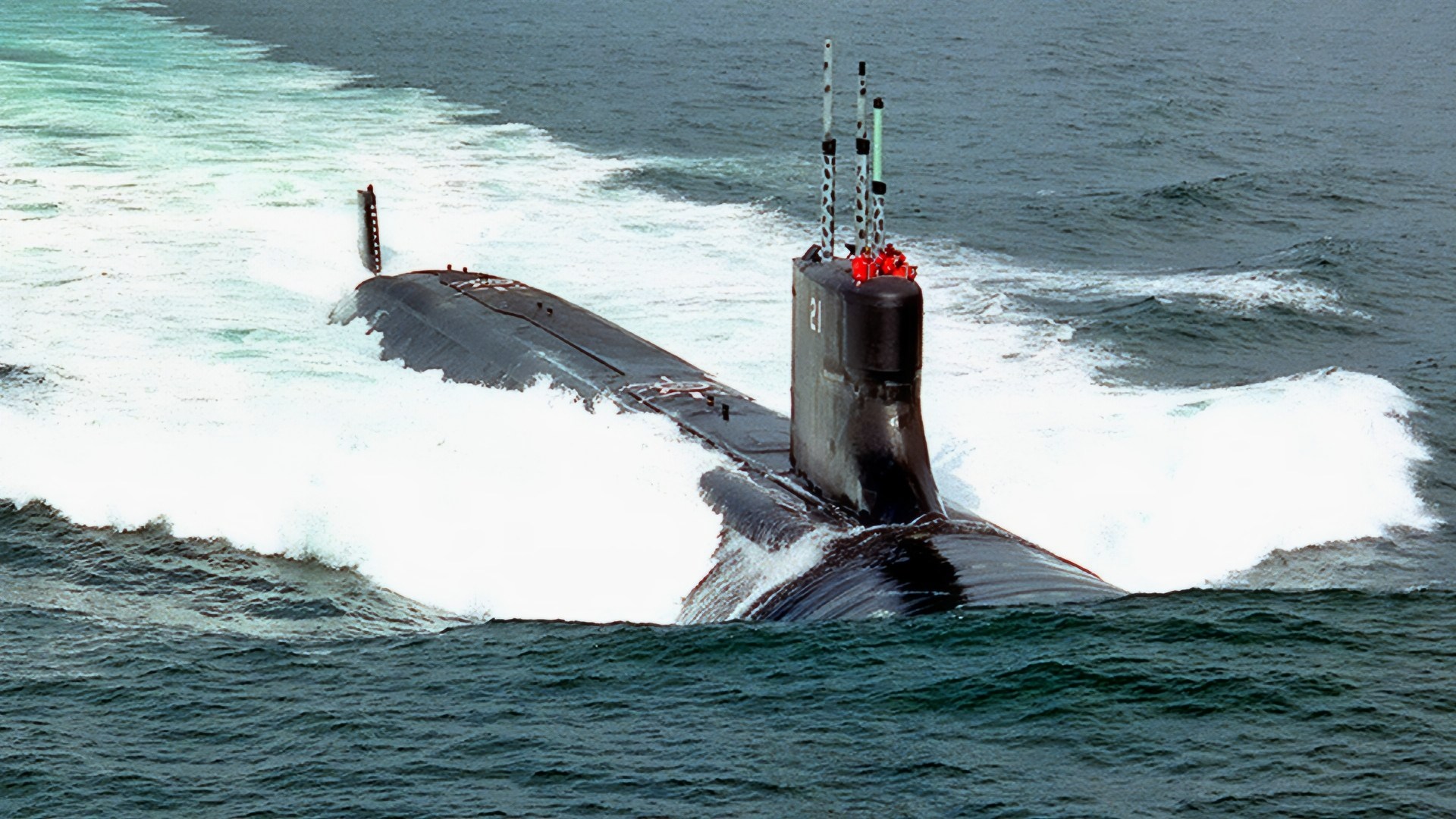
The U.S. Navy attack submarine, USS Seawolf (SSN 21), conducts Bravo sea trials off the coast of Connecticut in preparation for its scheduled commissioning in July 1997. Image Credit: Creative Commons.
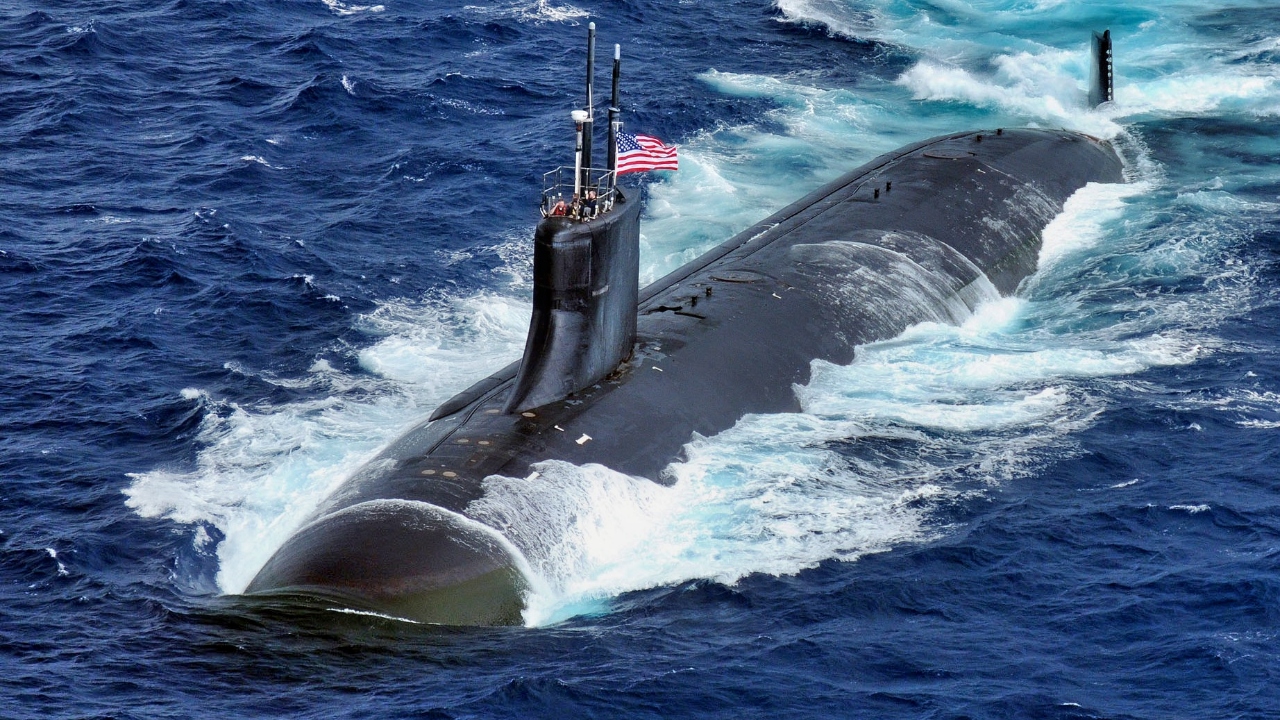
(Nov. 17, 2009) USS Connecticut (SSN 22) steams through the Pacific Ocean after participating in a 26 ship formation photo exercise. George Washington, the Navyís only permanently forward-deployed aircraft carrier participated in a photo exercise which was the culmination of ANNUALEX 21G, the largest annual bilateral exercise with the U.S. Navy and the Japan Maritime Self Defense Force. (U.S. Navy photo by Mass Communication Specialist Adam K. Thomas/RELEASED)
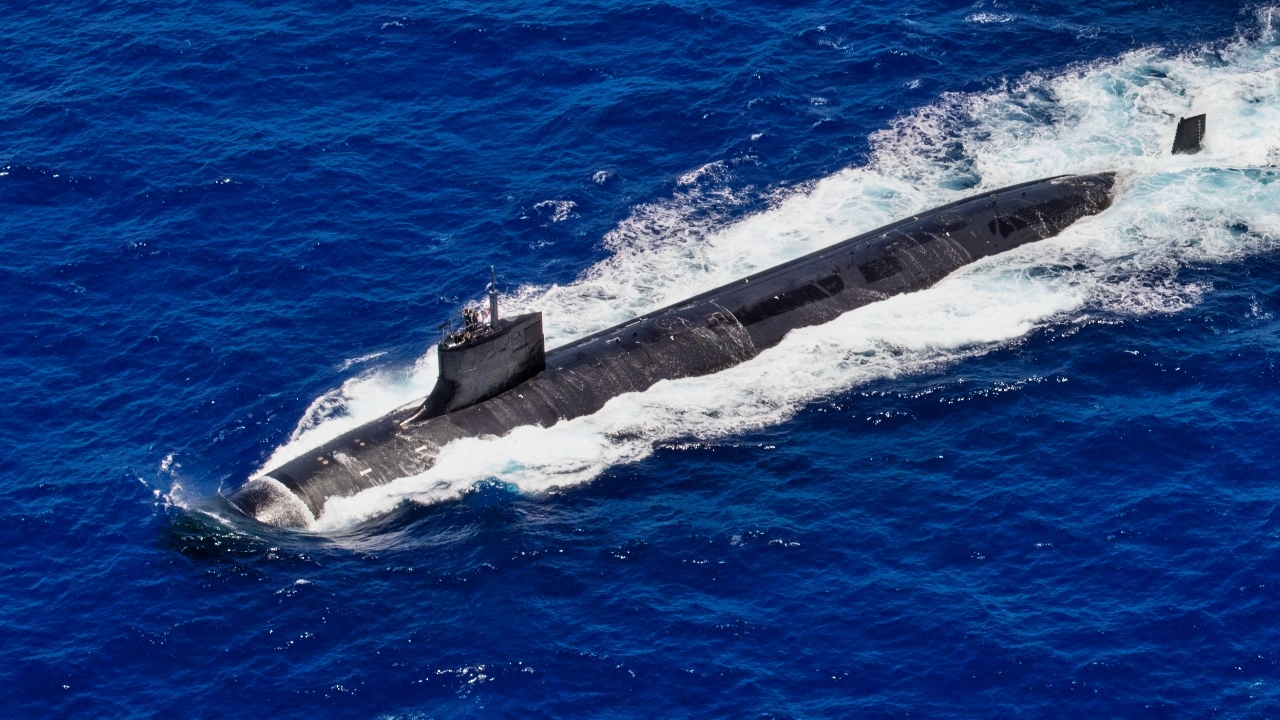
(June 22, 2021) Seawolf-class fast attack submarine USS Seawolf (SSN 21) transits the Pacific Ocean, June 22, 2021. Seawolf is currently underway conducting routine maritime operations in U.S. 3rd Fleet. (U.S. Navy photo by Mass Communication Specialist 3rd Class Olympia O. McCoy)
The US Navy’s Virginia-class submarine is a direct result of the canceled Seawolf program. Following the Cold War, the $3 billion Seawolf proved too expensive.
Seeking a “peace dividend,” the Navy canceled it and developed the Virginia-class as a smaller, cost-effective alternative (approximately $1.8 billion).
The Seawolf was supposed to replace the Los Angeles-class, but only three were built due to the collapse of the Soviet Union, rather than the 29 originally envisioned.
That mistake was one of many the United States made then, and it is one they are still paying for (see the F-22 Raptor). The Virginia-class was built to replace both.
Now, with the Los Angeles class retired and the Virginia-class boats far behind schedule and over budget, the shortsightedness of the US has come home to roost in a big way.
Why The Navy Wanted The Seawolf Class
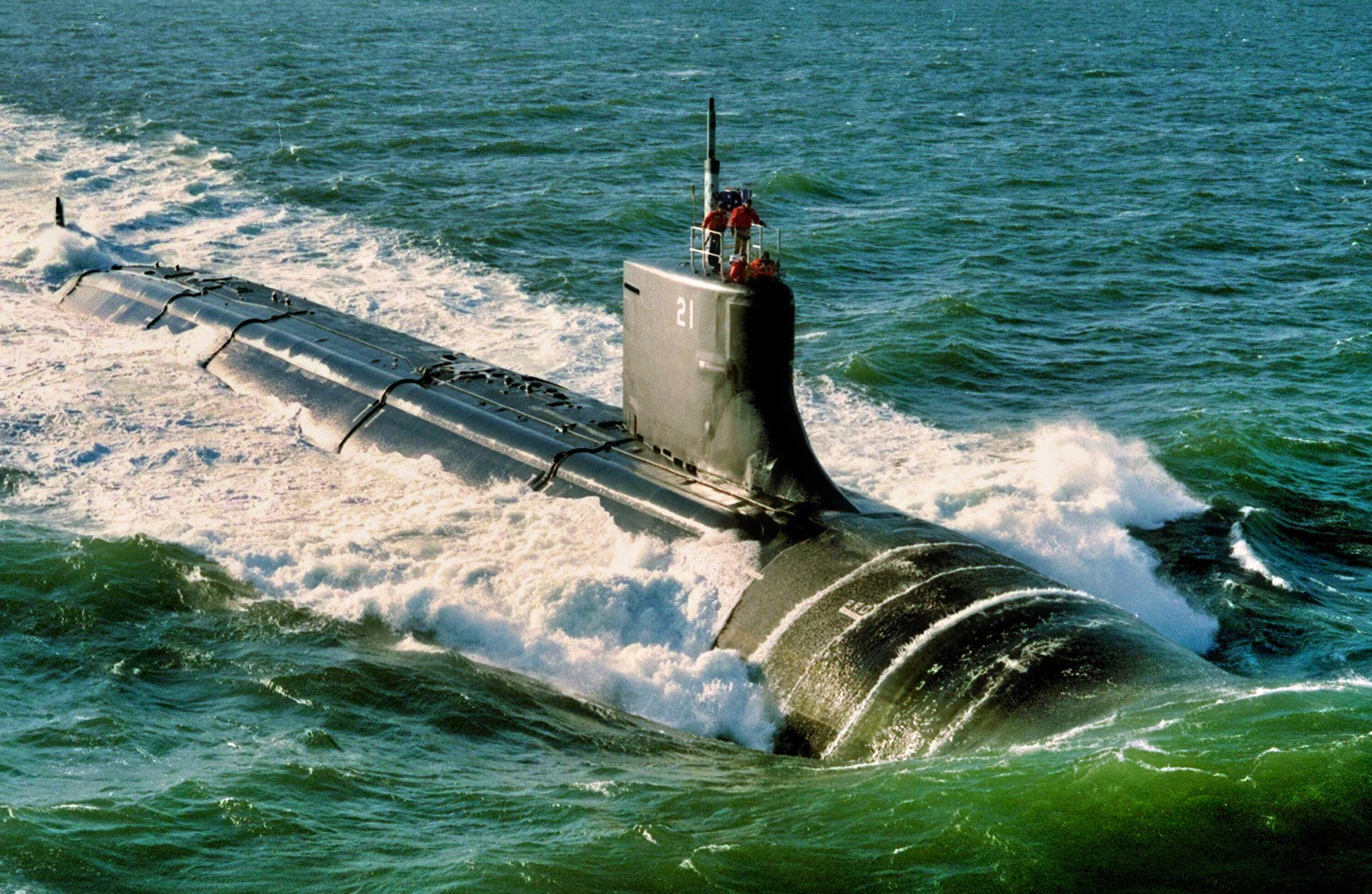
Seawolf-Class. Image Credit: Creative Commons.
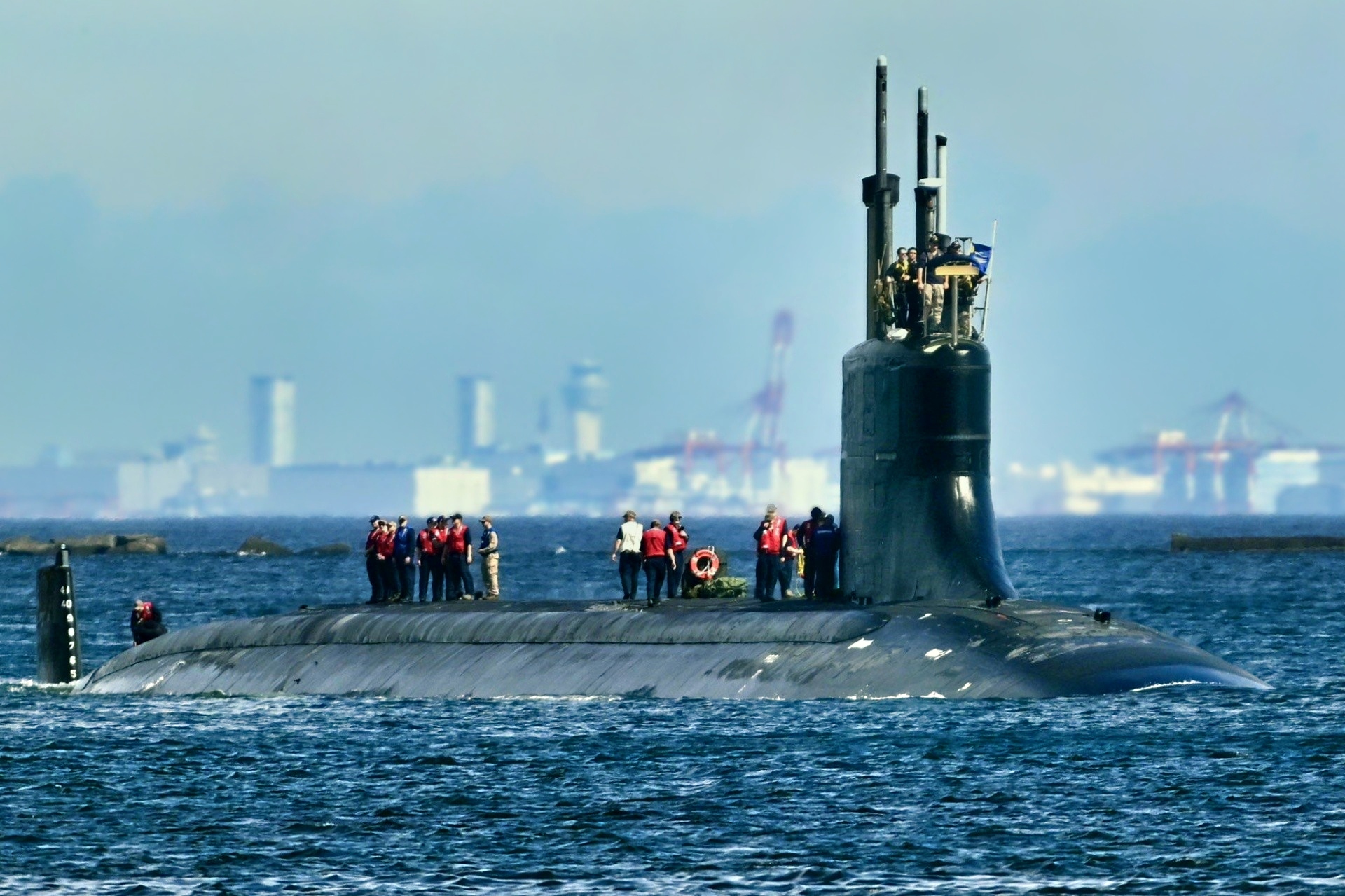
Seawolf-Class Submarine. Image Credit: Creative Commons.
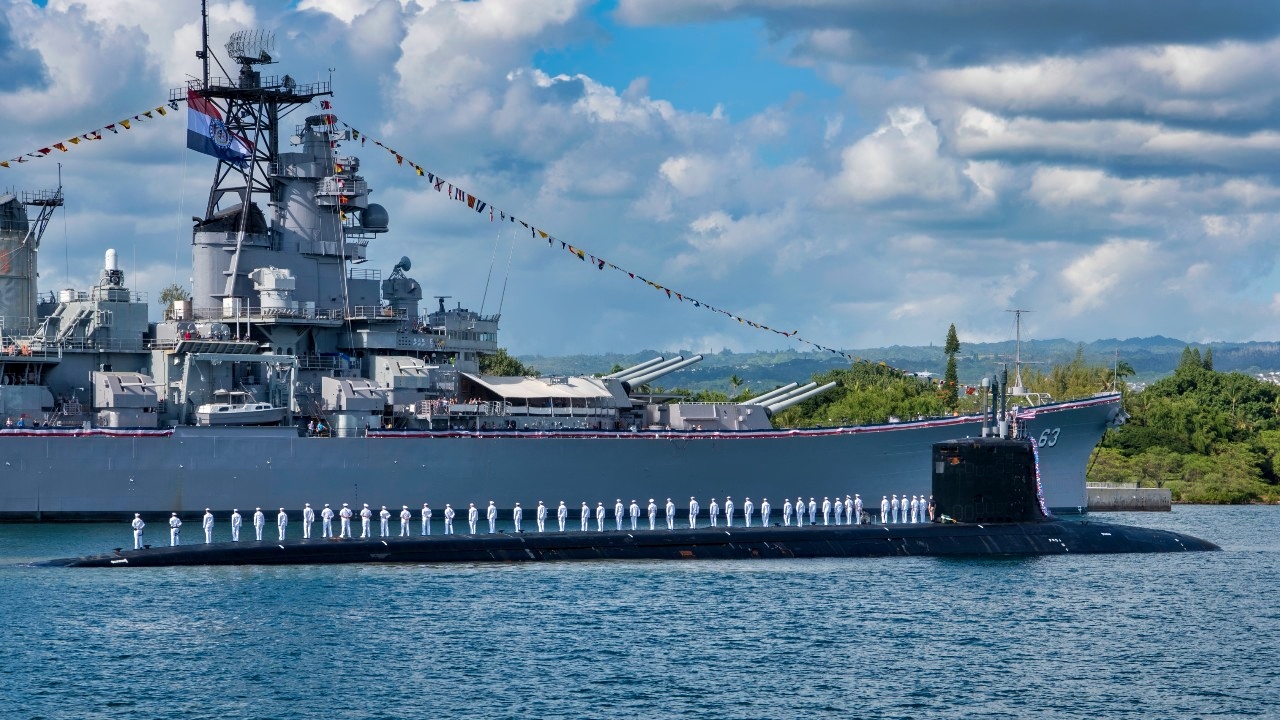
The crew of the Virginia-class fast-attack submarine USS Missouri (SSN 780) render honors to the Battleship Missouri Memorial following a homeport change from Groton, Connecticut. (U.S. Navy photo by Mass Communication Specialist 2nd Class Michael H. Lee/ Released)
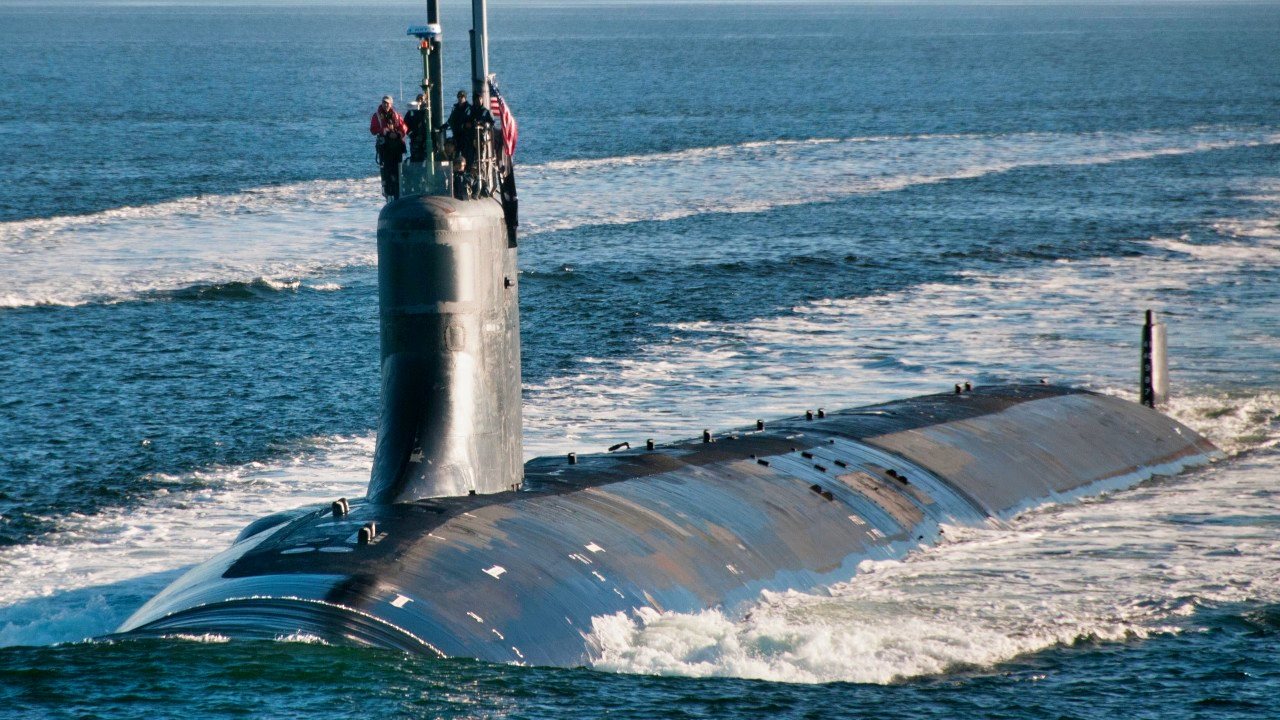
PUGET SOUND, Wash. (Sept. 11, 2017) The Seawolf-class fast-attack submarine USS Jimmy Carter (SSN 23) transits the Hood Canal as the boat returns home to Naval Base Kitsap-Bangor. Jimmy Carter is the last and most advanced of the Seawolf-class attack submarines, which are all homeported at Naval Base Kitsap. (U.S. Navy photo by Lt. Cmdr. Michael Smith/Released)
The Navy wanted the Seawolf-class submarines to counter increasingly advanced Soviet submarines, such as the Typhoon and Akula classes, during the late Cold War.
The Seawolf design was a next-generation response to this threat, providing unparalleled stealth, speed, and deep-ocean capabilities with advanced sonar and a stronger hull to withstand greater depths.
The ships were also designed to carry a significant arsenal of weapons, including more Tomahawk cruise missiles, and were equipped for both blue-water and shallow-water operations. The Seawolf could race at 35 knots beneath the surface or go 20 knots in silent mode.
The Seawolf-Class Is Still More Advanced Than The Virginia-Class
The Seawolf nuclear attack submarine was far ahead of its time. The Navy wanted the very best, and they sure got every penny’s worth. The Navy and the designers stuffed every crevice with the very best technology that money could buy. And the price tag showed it.
However, the submarine was in a class all by itself. The hull was designed to withstand deeper dives; it weighed 9,000 tons, could carry 50 torpedoes and cruise missiles, and had unsurpassed stealth.
The ship had a complement of 130 officers and enlisted crew members, and General Dynamics, which built the sub, claims that its stealth is so good that it is less detectable at high speed than a Los Angeles-class submarine sitting at pier side.
The boat was about 300 yards long, packed with weapons and technology, and quieter than a church mouse. And then the Soviet Union collapsed in on itself. The 29 subs the Navy wanted were reduced to 12, and then to three.
In another short-sighted move, the Pentagon sliced the program to the bone. The Clinton administration’s “peace dividend” was a mistake that the War Department is still paying for today.
Today, the threats by the Chinese and Russian navies have shown what a blunder the decision to cancel the most dominant attack submarine ever built was. There isn’t much “dividend” in that.
The Virginia-class submarines are excellent boats, but as a “jack-of-all-trades,” they aren’t in the same class as the boats they replaced.
Meet The Latest Virginia-Class Boat USS Massachusetts (SSN-798)
The submarine is the 25th in the Virginia-class program, the backbone of the US Navy’s future submarine fleet, designed for stealth, intelligence gathering, and precision strike missions.
Construction began in December 2020, and the submarine completed sea trials in the Atlantic before being delivered to the Navy in November 2025.
The USS Massachusetts is the seventh Block IV Virginia-class submarine built through a partnership between General Dynamics Electric Boat and HII’s Newport News Shipbuilding. The submarine is a result of years of construction, testing, and sea trials before entering active service.
The submarine measures 377 feet (115 meters) long, with a beam of 34 feet, and displaces roughly 7,800–8,000 tons, and is powered by a nuclear reactor, allowing it to operate for its entire lifecycle without refueling.
The USS Massachusetts is armed with 12 Vertical Launch System (VLS) tubes, four 21-inch (530mm) torpedo tubes for Mk-48 torpedoes, and BGM-109 Tomahawk missiles
It can reach underwater speeds of about 25 knots and dive to depths greater than 800 feet, according to U.S. Navy specifications.
The crew consists of 15 officers and 132-135 crewmen, depending on the mission.
Special Features Of Virginia-Class Submarines
“With each Virginia-class submarine delivery, the Navy strengthens its partnership with the shipbuilding industry to maintain our undersea dominance,” said Capt. Mike Hollenbach, Virginia Class Submarine program manager.
“I’m proud of the work thousands of shipbuilders and Navy personnel have put into reaching this important construction milestone. Together, we continue to build the best submarines in the world.”
The Virginia-class submarines have several innovative features that significantly enhance their warfighting capabilities, including in littoral and deep-ocean operations.
Virginia-class vessels have special features to support Special Operations Forces (SOF), including a reconfigurable torpedo room that can accommodate large numbers of SOF personnel and all their equipment for extended deployments, as well as future off-board payloads.
The Virginia-class also has a large lockout trunk for combat divers and unmanned underwater vehicles (UUV).
Instead of traditional periscopes that penetrate the hull, two non-penetrating photonics masts use high-resolution, infrared, and color cameras. This allows the control room to be moved from the cramped top deck to a larger, more functional space lower in the ship.
The class utilizes a pump-jet propulsor for extreme quietness, making them nearly undetectable. The hull features specialized acoustic coatings and is designed for reduced magnetic, acoustic, and infrared signatures.
Virginia Payload Module For Block VI Submarines
The Virginia Payload Module (VPM) enhances the Virginia-class submarine’s weapons flexibility. Later blocks include the Virginia Payload Module (VPM), which adds extra length and tubes, increasing Tomahawk missile capacity from 12 to 40.
The Block VIs will be the second set of Virginia-class attack submarines to feature the Virginia Payload Module (VPM), which will meet the Navy’s requirement for a large-scale land strike missile platform after the service decommissions four Ohio-class guided-missile submarines by the end of the decade.
In the last several years, the Ohio guided-missile boats, each capable of fielding 154 Tomahawk Land Attack Missiles, have been a favorite of combatant commanders.
USS Florida (SSGN-728) was deployed for almost two years to defend against threats in the Mediterranean and the Middle East.
The VPM inserts four Multiple All-up-round Canisters (MAC) in the middle of the submarine in addition to two in the bow. Each MAC tube can contain seven Tomahawk cruise missiles. The Navy has stated that it will need 20 VPM boats to replace the strike missiles lost when the Ohio-class submarines retire.
The module is 84 feet long — bringing the total length of the Virginia-class subs up from 377 feet to 461 feet, the Navy file said — and can store and launch payloads with diameters larger than the 21-inch diameter of a torpedo or Tomahawk missile.
New Technology Continues To Emerge
The US Navy is using strong fiber optic cable to connect undersea submarines to drones able to travel to the surface and interface with surface gateway technologies in a position to essentially translate acoustic data gathered by submarines beneath the surface into RF signals and other kinds of data links able to share information with air, surface, and land communications nodes.
This line of communication enables a submarine to use its long-range, high-fidelity acoustic sensors to gather sensitive threat information and relay it to a drone, which will surface and interface with gateway systems in real time, sending time-sensitive threat data to surface ships, aircraft, and land bases.
Among the new technologies is the Navy’s hypersonic weapons. The Navy intends to arm its submarines with the Conventional Prompt Strike weapon before 2028. The arrival of undersea-launched hypersonics will ensure the Navy has a high-speed attack advantage.
The Virginia-class submarines were designed and built for deep-water, blue-ocean, anti-submarine warfare. The Virginia-class integrated those advanced technologies into a cheaper, adaptable hull for both deep-water and littoral (coastal) operations.
However, to drastically cut costs, the Virginia-class utilizes “commercial off-the-shelf” (COTS) components, especially in its computers and data networks. The “Blocks” that the submarine is upgraded with, while easier to implement than on the Seawolf class, are perpetually behind schedule and over budget.
Despite this, the Virginia-class submarines are widely considered the most capable and versatile fast-attack submarines in the world today. They excel at stealth, anti-submarine warfare, intelligence gathering, and land-attack missions, maintaining a critical technological edge over peer adversaries like Russia and China.
MORE – The Dodge Durango of Submarine: The Virginia-Class Is Best on Planet Earth
About the Author: Steve Balestrieri
Steve Balestrieri is a National Security Columnist. He served as a US Army Special Forces NCO and Warrant Officer. In addition to writing on defense, he covers the NFL for PatsFans.com and is a member of the Pro Football Writers of America (PFWA). His work was regularly featured in many military publications.


