
Iran and Oman are inching closer to announcing a temporary arrangement for shipping through the Strait of Hormuz – but the circumstances surrounding whatever deal may or may not emerge today suggest that the United States will now begin work on a lasting peace deal that includes major concessions for Tehran.
Iranian Foreign Ministry spokesman Esmaeil Baghaei said on Wednesday, August 5, that Tehran and Muscat had reached a “mutual understanding” on the geographic parameters of a new route through the waterway.
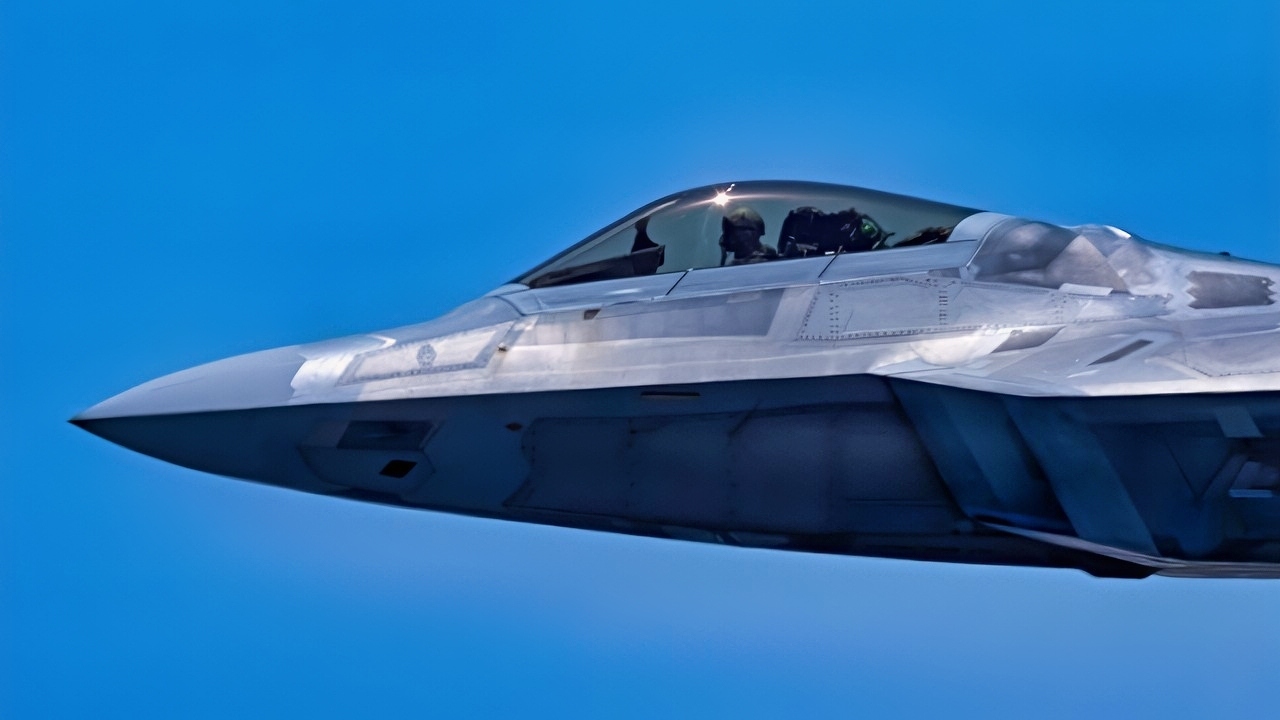
Air Force Chief of Staff Gen. Ken Wilsbach takes off in an F-22 Raptor from Joint Base Pearl Harbor-Hickam, Hawaii, May 13, 2026. Wilsbach flew an F-22 sortie, experiencing the total force integration among active-duty Airman and Hawaii Air National Guard counterparts. (U.S. Air Force photo Senior Airman Aden Brown)
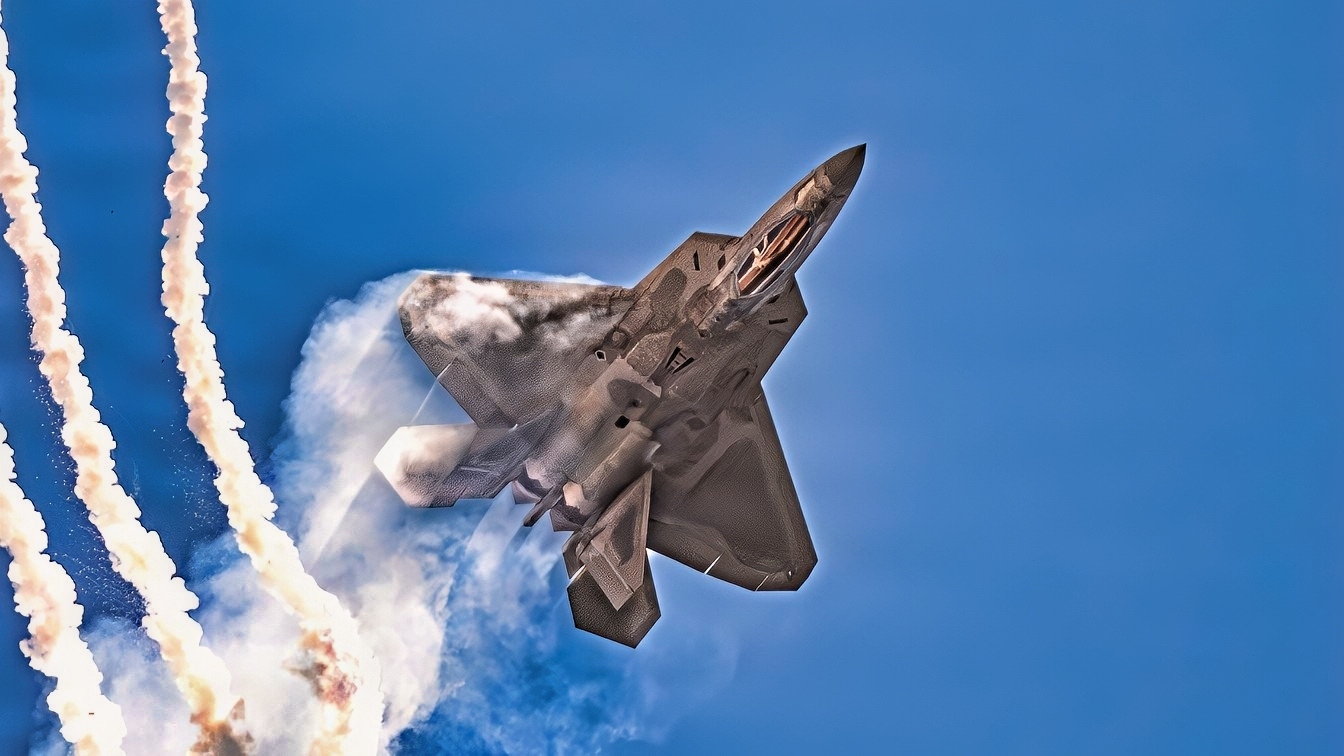
U.S. Air Force Capt. Nick “Laz” Le Tourneau, pilot and commander of the F-22 Raptor Aerial Demonstration Team, performs an aerial demonstration at Air Dot Show Tour Fort Lauderdale, Florida, May 9, 2026. Capt. Le Tourneau showcased the unmatched capabilities of the F-22 by performing a series of combat maneuvers. (U.S. Air Force photo by Staff Sgt. Mary Bowers)
Reuters reported his comments from Dubai, noting that he described the negotiations as “moving forward.” Notably, though, the United States was absent from the talks—at least, directly.
Baghaei said a joint statement setting out the main points was in the final stages of review and drafting, provided unnamed third parties did not obstruct the process.
He also cautioned that an Iran-Oman agreement would not, by itself, guarantee security in the Strait.
The deal, whatever form it takes in the end, is much narrower and far more conditional than what Washington is demanding, with President Donald Trump and senior White House officials repeatedly expressing optimism that Tehran will ultimately succumb to Western demands. But will it?
Iran Secures A Role In Inbound Traffic
Even as Washington threatens devastating strikes against Iranian infrastructure, Iran has so far maintained relative control over the Strait of Hormuz, largely preventing commercial shipping from moving through the waterway simply by issuing threats.
A report from Reuters on Wednesday, citing a senior Iranian source and two Gulf region officials, said that the expected arrangement will see Tehran maintaining control over ships entering the Persian Gulf through Hormuz.
The report described how the provision was one of the largest concessions made to Iran during the recent negotiations.
Additional details were provided by reports overnight, citing two regional sources and a U.S. official who said that a 60-day framework will see all inbound vessels use a northern lane through Iranian waters and outbound vessels use a southern lane through Omani waters. Traffic through both lanes, however, will still be coordinated with Iran.
In short, Tehran maintains control.
The deal would, however, reportedly initially prohibit any tolls or fees. Negotiators would also attempt to clear any naval mines from the central lane within 30 days, after which Oman and Iran are expected to negotiate a permanent arrangement governing the two-way traffic lanes.
Tehran Rejected Earlier Proposals – and Got What It Wanted
Oman initially presented Tehran with a Gulf-backed proposal intended to open the Strait of Hormuz on July 28. The widely reported proposal would have permitted Iran to collect voluntary payments for navigation and environmental protection services but would have prohibited the imposition of compulsory tolls.
Reports described a model much like the one that governs the Strait of Malacca, whereby coastal countries invite but do not compel shipping companies to contribute to maritime services that ensure the safe passage of ships.
The deal was intended to ensure that Tehran was not forced to pay any necessary fees for the safe passage of ships and the protection of the environment, while also staying true to Washington’s requirement that Tehran not collect tolls.
Tehran rejected the deal and regional management of the Strait, however, insisting that only Iran and Oman, as the two coastal states, should administer the waterway.
After all, the Strait of Hormuz is Tehran’s biggest point of leverage.
Hormuz As Leverage
Iran’s strategy is to maintain any point of leverage it has and use its remaining stockpile of missiles and mobile launchers to continue terrorizing the Gulf region and launching strikes against U.S.-linked infrastructure and assets within its reach.
That strategy carries enormous risks, however.
Its own oil exports also depend on the Strait, and while the U.S. blockade and sanctions are in effect, its oil industry is slowly dying. The International Monetary Fund now expects Iran’s economy to contract by 6% in 2026, with annual inflation at approximately 69%. That trend will only continue for as long as the blockade remains in place.
But Tehran can also see pressure on Washington, with disruptions in Hormuz affecting global oil prices.
U.S. Will Make Concessions
It seems almost inevitable at this point that Washington will compromise.
Trump entered the conflict expecting that overwhelming U.S. military force would compel Iran to accept American terms – but instead, Tehran is using time to its advantage.
After delaying negotiations for months, Iran has now pushed the global oil market to the brink, with Washington and its allies now extremely eager to restore commercial traffic through the Strait of Hormuz.
Tehran is also aware of the reports that the U.S. used “virtually all” of its long-range missiles available to forces in the Middle East.
That means that, should Trump move forward with his planned strikes against Iranian energy infrastructure, U.S.-linked sites in the Middle East will be vulnerable to any subsequent Iranian strikes.
The stakes are high, and if Trump wants to avoid global economic and oil crises, the only way out is a deal that involves concessions for Tehran.
About the Author: Jack Buckby
Jack Buckby is a British researcher and analyst specializing in defense and national security, based in New York. His work focuses on military capability, procurement, and strategic competition, producing and editing analysis for policy and defense audiences. He brings extensive editorial experience, with a career output spanning over 1,000 articles at 19FortyFive and National Security Journal, and has previously authored books and papers on extremism and deradicalization.


