

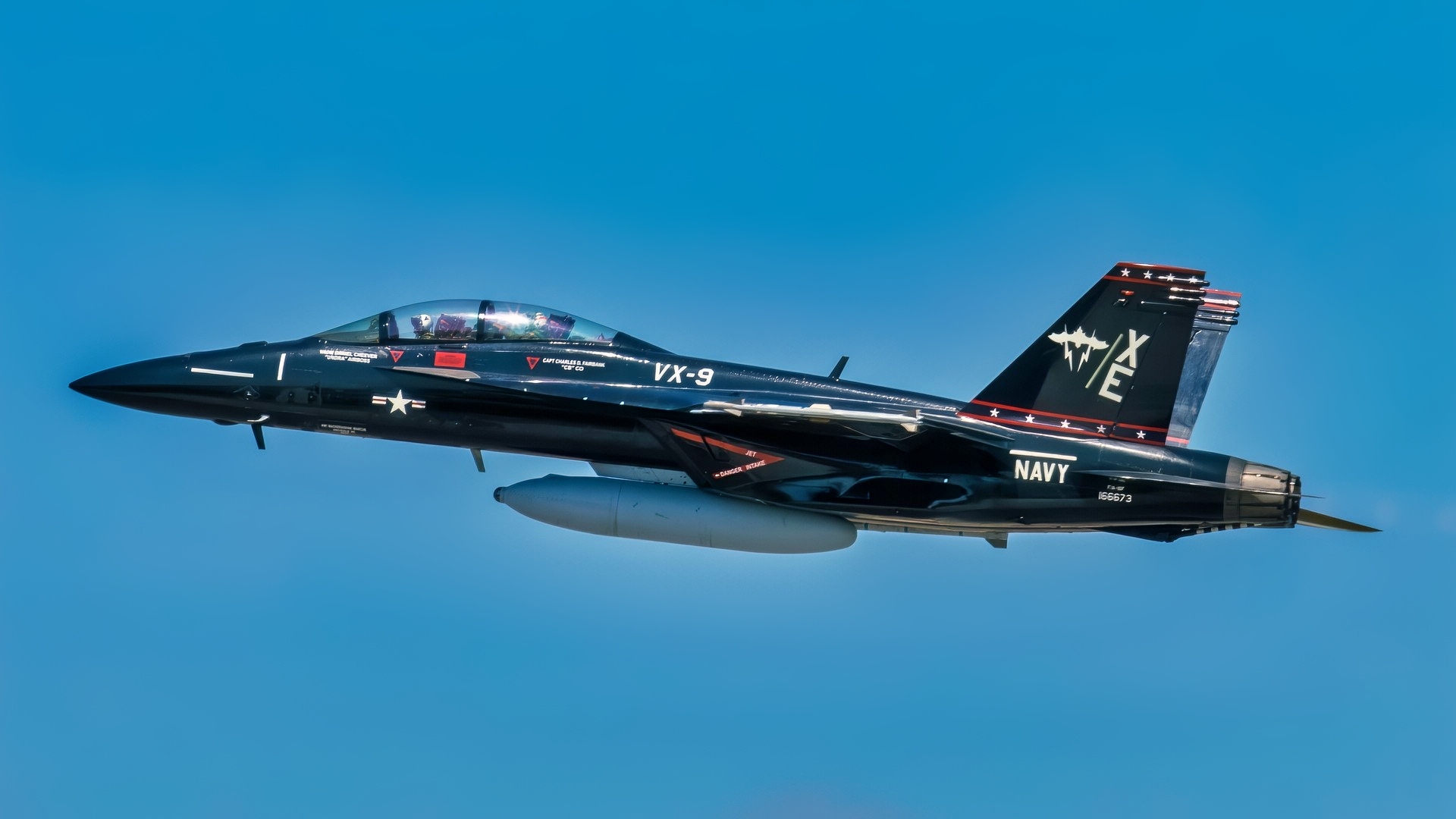
Key Points and Summary – Boeing will end F/A-18E/F Super Hornet production in 2027, citing no new export wins, Navy priorities for the sixth-gen F/A-XX, and a shift of St. Louis capacity to MQ-25 and other programs.
-Production stops, but service-life mods and Block III upgrades continue for the U.S. fleet and EA-18G Growlers.
-The Super Hornet isn’t obsolete—its versatility, electronic warfare options, lower operating cost, and high readiness keep it relevant—but it lacks stealth and range versus modern Chinese/Russian air defenses and long-range missiles.
-As the Navy transitions to F-35 and eventually F/A-XX, mixed fleets will bridge the gap while legacy jets face growing survivability challenges.
Why Is Production Ending For the F/A-18 Super Hornet? Is It Obsolete?
Boeing is ending production of the F/A-18E/F Super Hornet in 2027. There are several reasons for the termination, including a lack of new international orders, the U.S. Navy’s need to fund its sixth-generation F/A-XX program, and Boeing’s desire to redirect its St. Louis workforce to other advanced programs, including the MQ-25 uncrewed aircraft and other new platforms.
Production will conclude with the final Super Hornet order from the U.S. Navy, but the aircraft’s service life modification program will continue, as will upgrades for the existing fleet.
“To support work on the next generation of advanced crewed and uncrewed aircraft, Boeing plans to build three new, state-of-the-art facilities in St. Louis,” a Boeing statement said. “These facilities, as well as the new Advanced Composite Fabrication Center in Arizona, and the new MQ-25 production facility at MidAmerica St. Louis Airport, represent more than a $1 billion investment.”
Boeing also plans to increase production for several programs, including the MQ-25. The company will “continue to develop advanced capabilities and upgrades for the global F/A-18 Super Hornet and EA-18G Growler fleet,” the statement added.
“We ran a number of international campaigns or competitions that we were unsuccessful in previous years,” Boeing vice president for fighters, Mark Sears, said in an interview last year at the Sea Air Space forum. “Those kind of played out, and there are no active discussions with the Navy about additional F-18s beyond these.”
The Super Hornet, The Best of the Best?
The Super Hornet is considered an excellent fighter jet. It is recognized for its versatility, strong combat capabilities, and ability to perform multiple missions, including air-to-air combat and strike missions. This makes it a key component of the Navy’s carrier air wings. However, compared to newer fifth-generation fighters such as the F-35, it has limitations, such as its lack of stealth.
Nonetheless, many aviation analysts consider the F/A-18E/F Super Hornet the best fighter in Navy history.
Based on the F/A-18 Hornet, a Cold War-era naval fighter that first flew in the late 1970s, the Super Hornet is an outstanding aircraft. Though the two jets are outwardly similar, they are quite different aircraft.
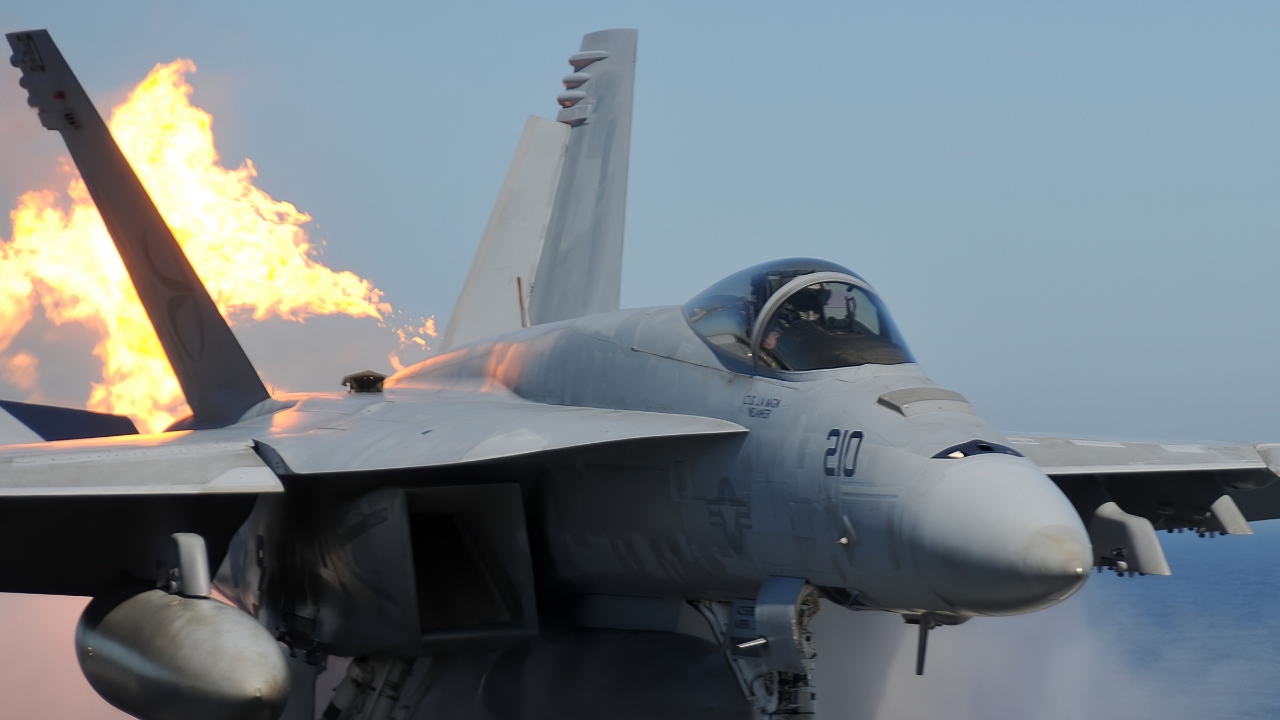
A U.S. Navy F/A-18E Super Hornet aircraft assigned to Strike Fighter Squadron 137 is launched from the flight deck of the aircraft carrier USS Abraham Lincoln (CVN 72) while underway in the Pacific Ocean on Feb.2, 2009.
(DoD photo by Petty Officer 2nd Class James R. Evans, U.S. Navy. (Released))
The Super Hornet is about 20 percent larger than its Hornet predecessor. It has bigger wings, an elongated fuselage, and larger horizontal stabilizers. And despite their similar looks, they share only about 10 percent of parts in common.
The Super Hornet’s F404 engines, which boast greater thrust and fuel efficiency, also afford it a higher maximum takeoff weight. With about one-third more internal fuel storage, the Super Hornet also has much greater range and endurance.
Is The F/A-18 Super Hornet Obsolete?
The Super Hornet is not obsolete; however, its production line is coming to an end and time is ticking. Down the line, it will be replaced by the F/A-XX and/or other advanced fifth- and sixth-generation aircraft starting in the 2030s.
For now, the Super Hornet remains a capable and relevant workhorse for the U.S. Navy. Especially with upgrades to its Block III variant, it will serve for decades to come. It owes its continued relevance to its adaptability and electronic warfare capabilities, as well as its cost-effectiveness compared to stealth aircraft such as the F-35. Maintenance on the aircraft is cheaper and much easier to conduct than on the F-35. The readiness of the aircraft traditionally has hovered around 80 percent.
It is more economical to operate a mix of Super Hornets and stealth aircraft such as the F-35, rather than relying solely on expensive stealth platforms.
Further, the Super Hornet is still extremely versatile. It conducts multiple missions, including air-to-air combat and air-to-ground strikes – and electronic warfare with the specialized EA-18G Growler variant.
The Navy Is Preparing For the Future
Despite all this, the future of the Navy rests with its fifth and sixth-generation stealth aircraft – the F-35 and the future F/A-XX, respectively. Their stealth attributes and networking capabilities are increasingly crucial against advanced Chinese and Russian air defenses.
The non-stealthy Super Hornets are vulnerable to China’s growing fleet of stealth aircraft and the plethora of long-distance anti-aircraft missiles such as the Chinese-built PL-15E, which was used effectively in the India-Pakistan conflict this spring.
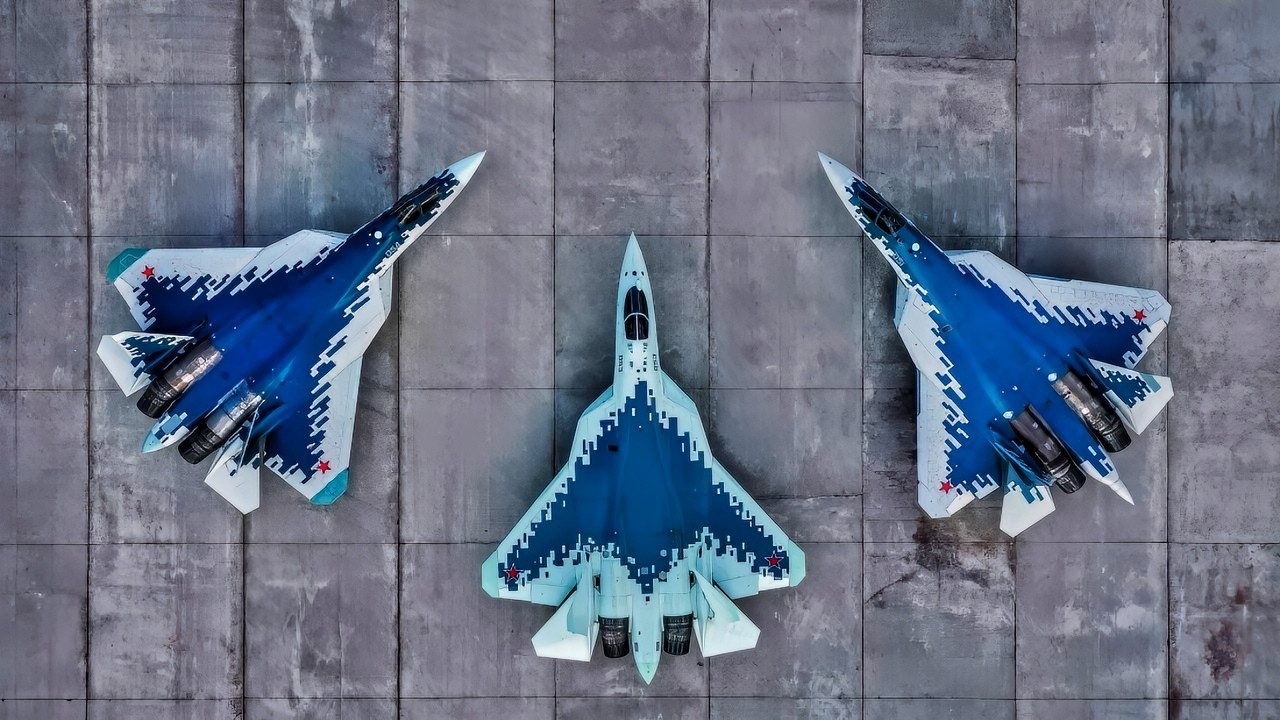
Su-57 Felon Screengrab from Russia. Image Credit: X Screengrab.
Because of China’s new long-range missiles, the Super Hornet’s short range of just 375 miles puts the entire carrier strike group in greater danger, as the vessels can be engaged by enemy missiles long before they can engage the enemy with their own. Further, the Super Hornets’ weapons bays cannot carry the Long-Range Anti-Ship Missile.
The F/A-18E/F Super Hornet will continue to serve for the next decade-plus. But the handwriting is on the wall, and the iconic warbird’s days are numbered.
About the Author: Steve Balestrieri
Steve Balestrieri is a National Security Columnist. He served as a US Army Special Forces NCO and Warrant Officer. In addition to writing on defense, he covers the NFL for PatsFans.com and is a member of the Pro Football Writers of America (PFWA). His work was regularly featured in many military publications
More Military
The U.S. Army’s Big Strategic Long Range Cannon (1,150 Mile Range) Mistake Still Stings
The F-4 Phantom II Has a Message for the U.S. Military
The Iowa-Class Battleships Have a Message for the U.S. Navy
Russia’s Kirov-Class Battlecruisers Have a Message for the U.S. Navy
Russia’s PAK DA Stealth Bomber Has a Message for the U.S. Air Force


Frank
September 21, 2025 at 7:55 pm
This is some AI B.S., cmon NSJ, write something original.
Ghost_Tomahawk
September 22, 2025 at 7:42 pm
What plane is better than the F18 that is in production and exists in numbers?
None. The Navy completely miscalculated when it retired the F14. COMPLETELY. It never has been able to replace the capabilities the F14 possessed. Range and speed of an interceptor wrapped into 1 platform that by today’s F35 standards was CHEAP. There is no do it all plane. But the 14D was close. The air forces need to get out of their idiotic love fest for stealth which is insanely expensive and massively underperforms in every way. Invest in ECW and proven airframes that have up to date avionics etc along with drones. The days of super carriers are coming to a close. Submersible drone platforms are going to be the future. Not 20 billion dollar targets launching 130 million dollar turkeys.