


Key Points and Summary – China’s long-rumored H-20 stealth bomber is meant to give Beijing true intercontinental strike reach and complete a nuclear triad.
-Hints from Chinese commanders and U.S. assessments suggest a flying-wing design with global range when refueled, substantial payload, and roles spanning nuclear deterrence to conventional standoff strike.
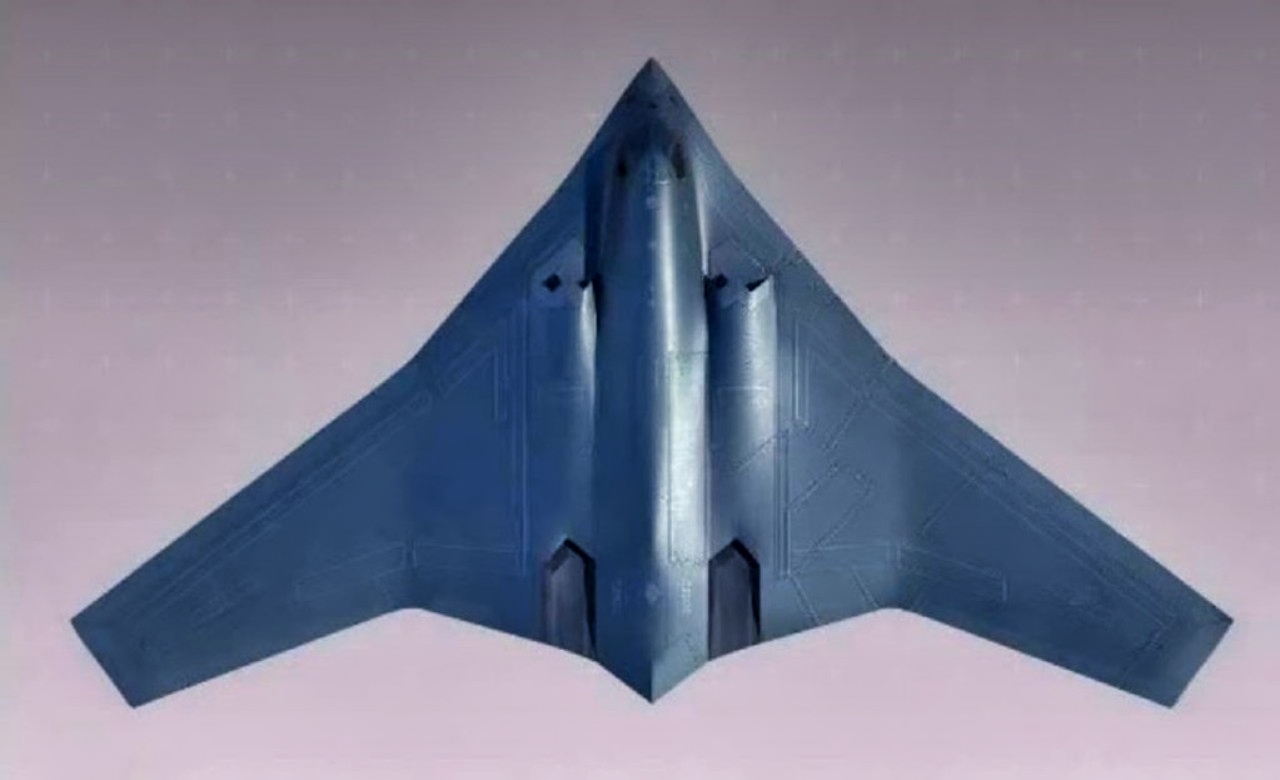
H-20 Bomber from China Artist Rendition. Creative Commons.

China’s H-20 Stealth Bomber. Image Credit: Creative Commons.
-But unveiling a prototype is not the same as fielding a trained force.
-Stealth bombers demand exacting engines, low-observable materials, mission-system integration, tankers, specialized maintenance, and years of pilot and crew seasoning.
-That learning curve buys time.
-While the H-20 will matter, the United States and allies can harden bases, disperse forces, and refine defenses before it truly matures.
China’s H-20 Bomber Is Real—Here’s Why It Won’t Be Ready Soon
If Beijing gets the H-20 right, it will transform China’s airpower. A stealthy, long-range, flying-wing bomber would give the People’s Liberation Army Air Force (PLAAF) a true intercontinental punch and a more credible air-leg for nuclear deterrence. That is the strategic intent.
Senior Chinese officers have teased public reveal timelines, and U.S. defense reporting has steadily shifted from “concept” to “development program with global-reach ambitions.” The emerging picture: a B-2/B-21-style profile optimized for deep strike with internal bays, low observability, and the ability to sling modern standoff munitions at theater-critical targets.
But fielding a stealth bomber force is fundamentally different from rolling out a fighter. The distance between a first public reveal and a squadron able to plan, launch, recover, and turn complex long-range missions—night after night, in contested airspace—is measured in years. That gap matters. It’s where the United States and its allies should act.
Why Beijing Wants A Stealth Bomber
China’s strategic geography drives this requirement. The “first” and “second” island chains—Japan through Taiwan and the Philippines, then out to Guam—form a ring of U.S. and allied bases that underpin Western logistics, surveillance, and strike in the Western Pacific. With a true stealth bomber, China could threaten those nodes without relying solely on missiles or legacy H-6 bombers. A low-observable platform would also reduce China’s dependence on predictable ballistic- or cruise-missile trajectories that are increasingly met by layered defenses.
Beyond conventional effects, the H-20 would round out a maturing nuclear triad. China’s sea-based deterrent is advancing; its land-based missile fields are expanding. A survivable bomber leg adds flexibility, signaling options, and hedge capacity. For a leadership focused on shaping a regional—and increasingly global—balance, the political and military signaling value of a stealth bomber is obvious.
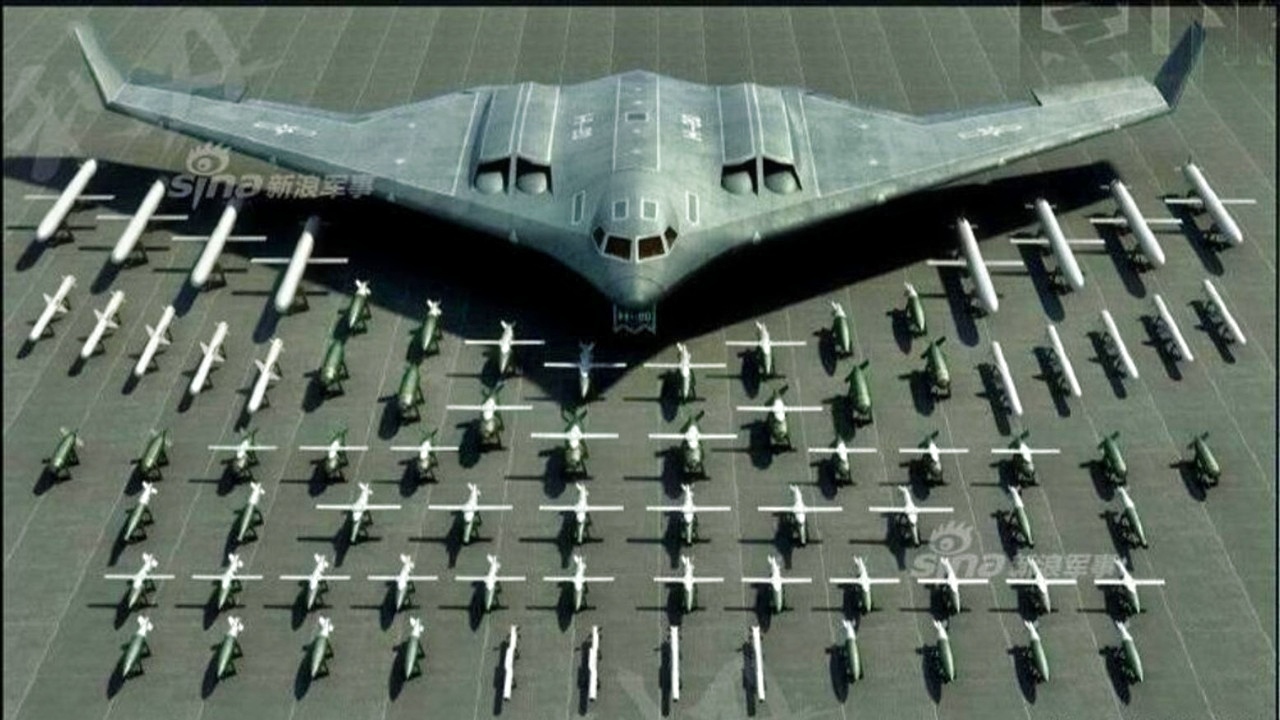
H-20 Bomber. Chinese Internet Social Media Screenshot.
What We Actually Know (And Don’t)
Open-source glimpses point to a subsonic flying-wing airframe, internal payloads, and the classic stealth-bomber emphasis on range over speed. U.S. assessments in late-2024 described likely range beyond 10,000 kilometers with aerial refueling and roles spanning nuclear and conventional strike. Chinese aerospace officials have hinted that public unveiling was “coming,” and Chinese industry models have repeatedly telegraphed a B-2-like platform.
What we don’t know is just as important: engines, inlet/duct and exhaust treatments, signature control across radio frequency and infrared bands, defensive avionics, and the integration state of long-range weapons. There’s also no public evidence of a mature training pipeline, standardized tactics for penetrating modern integrated air defenses, or the sortie generation rates one associates with a seasoned bomber force. Those elements, not just the airframe, determine whether the H-20 is a one-off showpiece or a reliable operational tool.
H-20 In 2 Words: Time Matters
History is a better guide than hype. America’s own stealth bombers took time. The B-2’s first flight was in 1989; its initial operational capability was 1997, and “full operational capability” came years after. Through that period, the Air Force wrestled with low-observable coatings, specialized hangars, and maintenance tempo. Even as B-2 crews mastered global strike, the back-shop work to keep radar signatures within spec was painstaking. The B-21, though designed with lessons learned, is also following a deliberate, multi-aircraft test campaign before operational squadrons arrive.
China will face similar hurdles. A stealth bomber demands:
Engines that thrive at stealth conditions. It’s not just thrust—it’s inlet geometry, S-duct shaping, fan-face masking, and infrared suppression that keep signatures low across mission envelopes.

Right Up Front B-2 Bomber USAF Museum. Image by Harry J. Kazianis/National Security Journal.
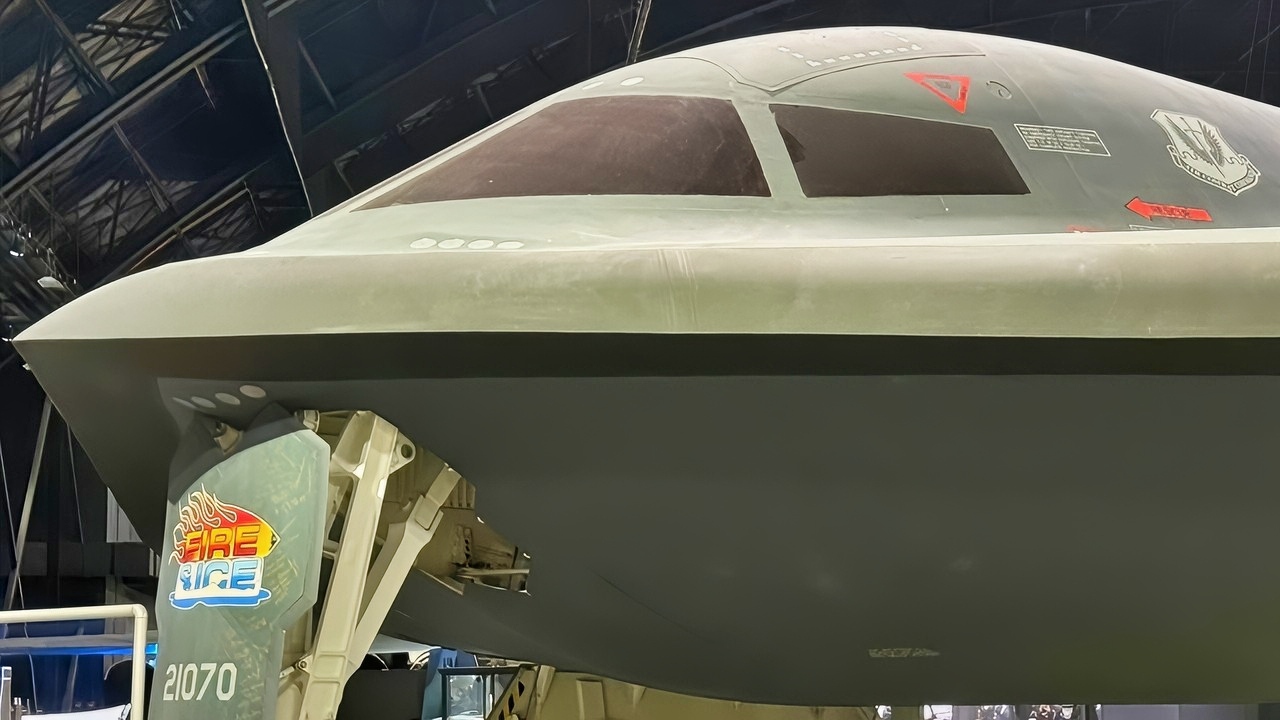
The Mighty B-2 Spirit Stealth Bomber. Image Credit: National Security Journal.
Coatings and materials that survive the real world. LO skins and edges must hold their properties through repeated pressurization cycles, fuel spills, precipitation, heat, and time.
Mission-system fusion. Long-range navigation, terrain-masking profiles, defensive management, precision timing, and real-time re-routing must work seamlessly under emissions control.
Sortie generation under LO constraints. The maintenance workforce must restore the jet’s signature between missions, quickly and consistently, often in climate-controlled shelters.
A tanker and comms backbone. A deep-range bomber is only as credible as the tankers and resilient communications that steer it to target and home again.
Every one of those lines of effort burns calendar time.
Training, Tactics, And Tankers: The Hidden Bottlenecks
Stealth bomber prowess is a team sport. Pilots, mission planners, electronic warfare officers, maintainers, and tanker crews learn to choreograph very long missions with precise timing, emissions control, and contingency branches. Even in a mature force, initial-qualification courses run months, followed by mission-qualification training that turns aviators into strike planners, not just stick-and-rudder pilots. The bomber community’s “art”—threat routing, tanker rendezvous, dynamic target updates, comms discipline—is earned in thousands of simulator hours and repeated large-force exercises.

Airman 1st Class Tommy Day (left), Senior Airman Phillip Ruiz (center) and Tech. Sgt. Dwayne Bolles prepare to load a BDU-56 bomb on a B-2 Spirit bomber at Andersen Air Force Base, Guam, on April 11, 2005. The airmen are Air Force weapons specialists deployed from the 509th Aircraft Maintenance Squadron, Whiteman Air Force Base, Mo.
(DoD photo by Master Sgt. Val Gempis, U.S. Air Force. (Released))

A U.S. Air Force B-2 Spirit demonstrates the aircraft’s capabilities during the March Field Air and Space Expo 2018 at March Air Reserve Base, California, April 7, 2018. The March Field Air and Space Expo is celebrating 100 years since March Field was established and 70 years of the U.S. Air Force. (U.S. Air Force photo by Master Sgt. Eric Harris)
China has been flying H-6 crews through and beyond the first island chain for years to gain over-water experience. That creates a base of bomber aviators familiar with long sorties and maritime environments. But translating that to low-observable tradecraft—where route design, altitude/airspeed “signatures,” and emissions timing are as much weapons as the bombs—will take a specific syllabus, data, and repetitions. Just as crucial, a stealth bomber force will absorb a large share of the PLAAF’s best maintainers to keep signatures tight—people the rest of the air force will feel the loss of.
Tankers are another pacing item. A credible H-20 concept implies either large internal fuel or assured refueling—likely both. China’s Y-20U tanker fleet is growing, but sustained, dispersed, wartime refueling across the Philippine Sea and beyond is a demanding enterprise. Every additional H-20 orbit drives more tanker sorties, survivable tanker tracks, and protection plans.
Engines, Materials, And Mission Systems: The Engineering Reality
China’s fighter programs show real progress in indigenous engines, but a stealth bomber poses different design trades. High-bypass engines offer efficiency and range but complicate signature control; low-bypass designs are easier to mask but can sacrifice fuel economy. Inlet lips, serpentine ducts, and exhaust treatments must meet both stealth and thermal limits, and stay manufacturable at scale. Materials and coatings are another crucible: it’s one thing to produce a lab-perfect RAM panel; it’s another to refurbish hundreds of panels, fasteners, and edges under time pressure after a long, wet mission. U.S. programs spent decades refining “stealth you can maintain.” China will, too.
Mission systems—navigation, LPI/LPD communications, passive threat geolocation, and defensive management—separate a “stealthy airplane” from a “stealth bomber.” The software that auto-routes around threat radars, dynamically updates timing slips after a tanker delay, and deconflicts with other strike packages is the quiet hero. It is also hard. Expect H-20 block upgrades over many years as China closes those gaps.
What The H-20 Would Go After—and How
Assuming maturation, the H-20 gives the PLAAF flexible ways to stress U.S. and allied operations:
Base Disruption: Standoff salvos against runways, fuel farms, and depots at Guam, Japan, and the Philippines complicate sortie generation and logistics.
Maritime Strike: Coupled with long-range anti-ship missiles and multi-intelligence cueing, bombers would add capacity to China’s already serious anti-surface kill chain.
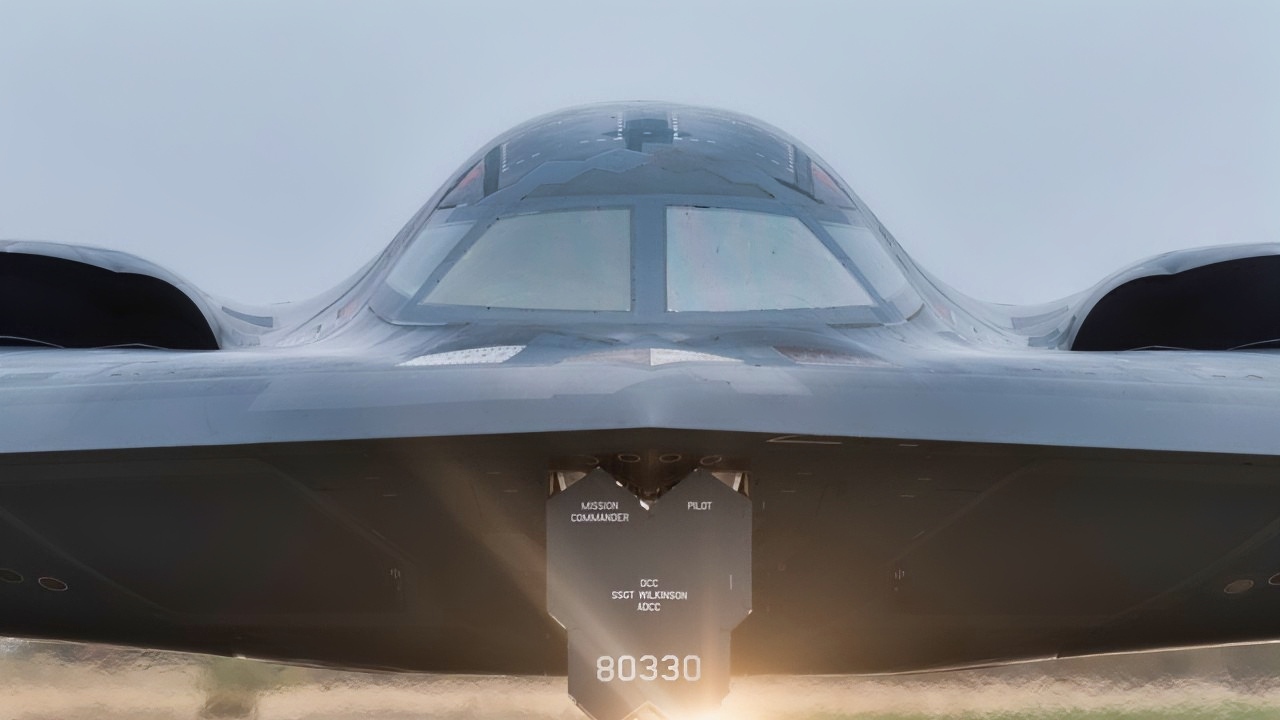
A B-2 Spirit Stealth Bomber, assigned to the 509th Bomb Wing, Whiteman Air Force Base, Missouri, taxis down a flight line, Oct 24, 2019. Total Force Airmen at Whiteman AFB are ready to execute the mission anytime, anywhere. (U.S. Air Force photo by Senior Airman Thomas Barley)

B-2 Spirit Stealth Bomber July 2025. Image Credit: National Security Journal.
Nuclear Signaling: A survivable bomber leg adds ambiguity and crisis leverage, letting China brandish a spectrum of nuclear and conventional options.
But those effects rely on a polished kill chain—sensors to cue, comms to pass target-quality data, and trained crews to execute. Without that, a stealth airframe alone cannot carry the strategic weight Chinese planners intend.
The B-21/B-2 Experience: Useful Benchmarks
The United States is hardly static. The B-21 test fleet is expanding, moving from basic flight envelopes toward mission-system and weapons integration. That matters because it anchors a future force that allies can plan around. Meanwhile, the legacy B-2 force keeps modernizing its survivability, comms, and maintenance flow, compressing depot timelines and refining LO processes. These U.S. learning curves are not just technical; they’re institutional—training manuals, seasoned instructor cadres, and logistics habits baked by decades of global operations.
China must build that institutional muscle from scratch for the H-20. That won’t be easy.
How The U.S. And Allies Should Use The Waiting Period
If the H-20 is the problem statement, the response writes itself:
Disperse And Harden: Continue Agile Combat Employment and allied equivalents—more austere strips, pre-positioned repair kits, rapid runway repair, and hardened shelters where practical.
Kill The Kill Chain: Focus on the sensors, relays, and data links that give a stealth bomber its targeting and timing, not just the bomber itself.
Layered Air And Missile Defense: Bolster point defenses around fuel, munitions, and C2 nodes; invest in counter-ISR to blind bomber-launched weapons midcourse.
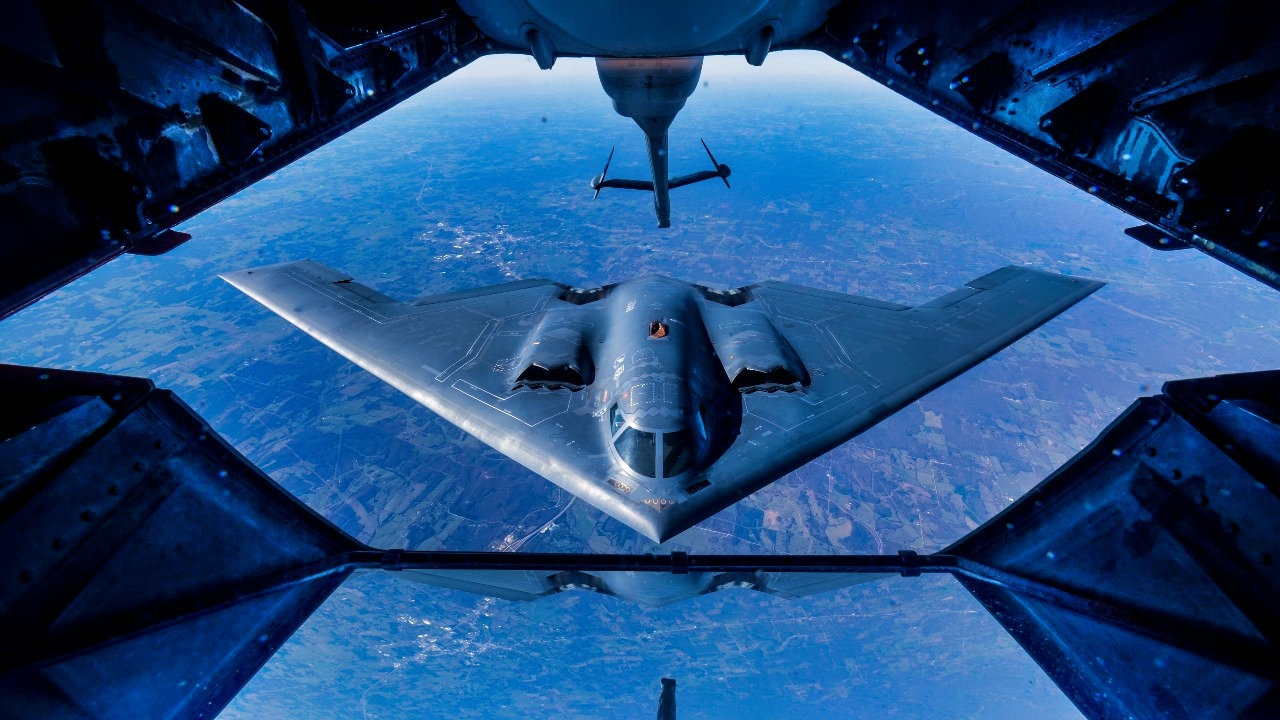
A 2nd Air Refueling Squadron KC-10 Extender from Joint Base McGuire-Dix-Lakehurst, N.J., prepares to refuel a B-2 Spirit, during a training exercise near Kansas, Nov. 10, 2016. The KC-10 Extender is an Air Mobility Command advanced tanker and cargo aircraft designed to provide increased global mobility for U.S. armed forces. Although the KC-l0’s primary mission is aerial refueling, it can combine the tasks of a tanker and cargo aircraft by refueling fighters and simultaneously carry the fighter support personnel and equipment on overseas deployments. (U.S. Air Force photo by Senior Airman Keith James/Released)
Maritime Complications: Expand passive and active measures—deception, decoys, and maneuver—to force long-range strike packages into sub-optimal release points.
Tanker Defense And Denial: Protect our tankers; threaten theirs. Without tankers, deep-strike bombers become short-legged.
Practice The Recovery Fight: Reconstitution—turning damaged runways and stressed crews back into combat power—is a skill, not a memo.
B-21 Raider: Get the numbers right. More is better. Less is a problem you can’t fix when the production lines close.
All of this is less expensive than ceding the initiative to a newcomer stealth bomber program.
Will The H-20 Match The B-2 Or B-21?
Eventually, China can field a capable stealth bomber in useful numbers—especially given its industrial scale. But parity is not guaranteed. The B-21 aims to be cheaper to build and sustain, with open-system architectures for faster upgrades and a design philosophy that emphasizes “stealth you can turn.” The U.S. also enjoys a global tanker network, hardened command-and-control, and decades of bomber mission design expertise. China can buy the airframe; it must earn the ecosystem.
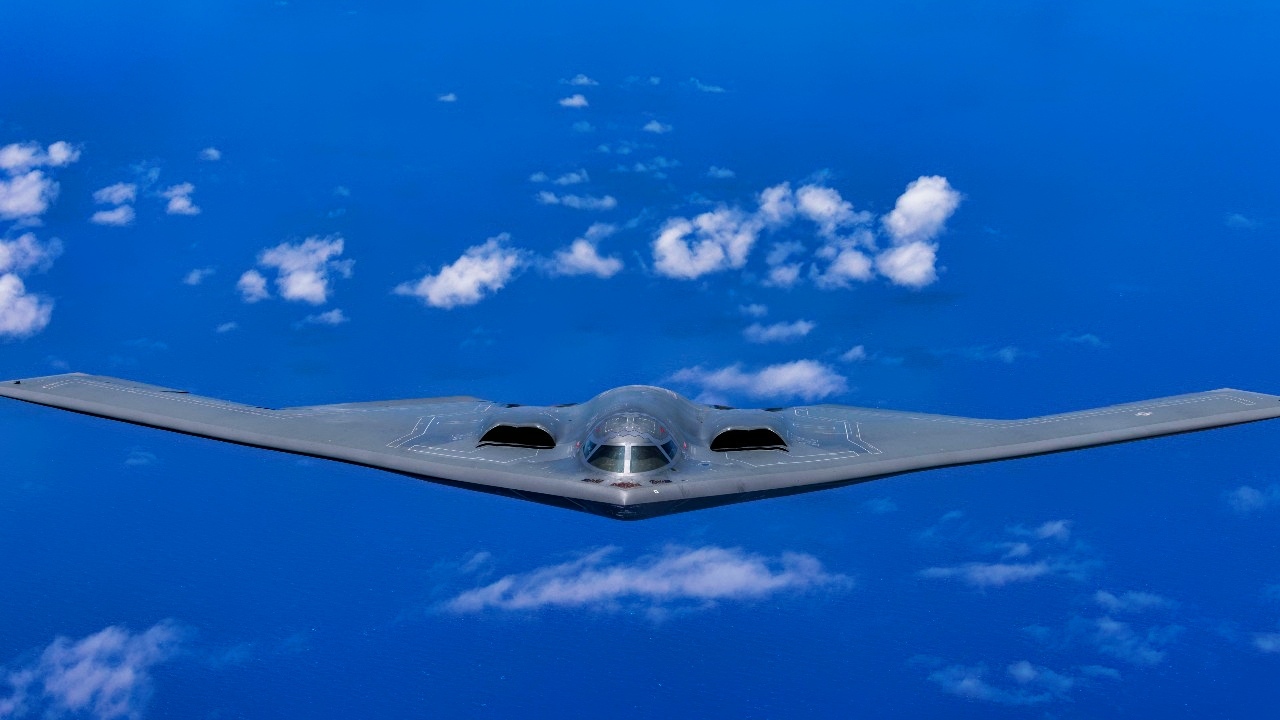
A U.S. Air Force B-2 Spirit bomber flies over the North Pacific Ocean, June 13, 2024. The speed, flexibility, and readiness of the Air Force’s strategic bombers plays a critical role in deterring potential adversaries and signaling unwavering support to allies and partners. Counter-maritime missions provide valuable training opportunities to improve interoperability and demonstrate that Air Force forces are capable of operating anywhere, anytime, to meet any challenge decisively. (U.S. Marine Corps photo by Sgt. Jose Angeles)
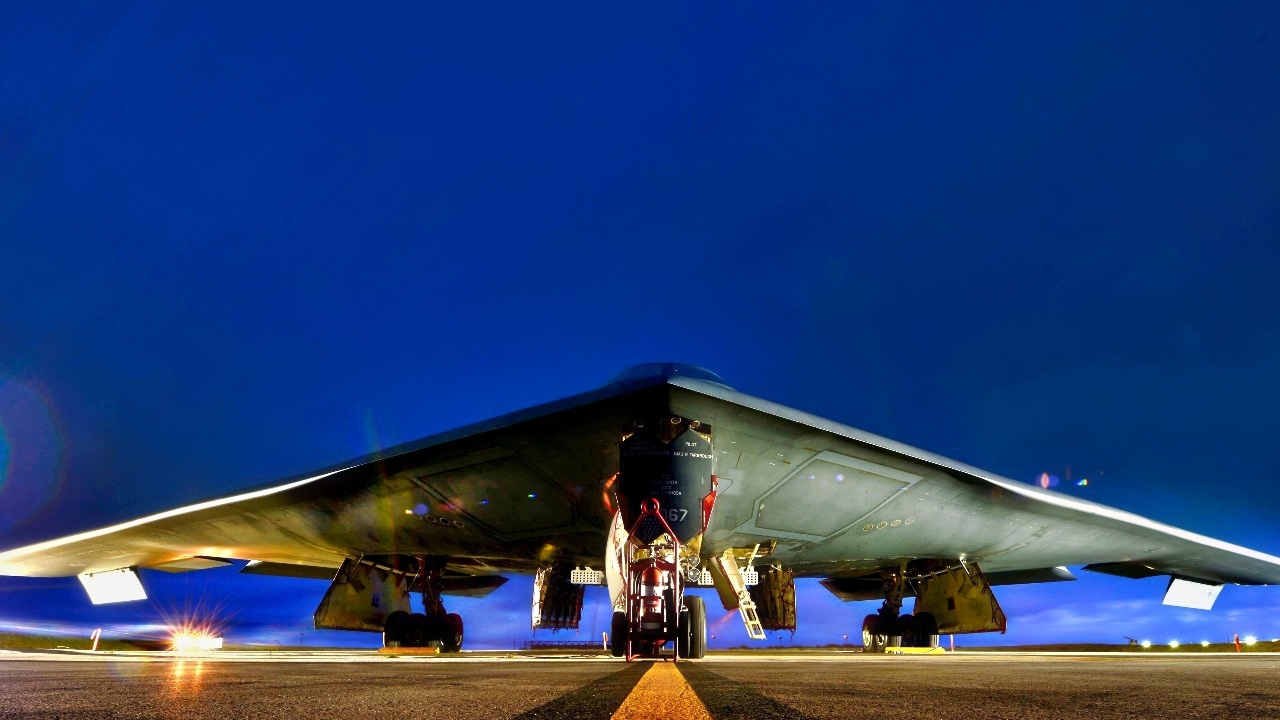
A U.S. Air Force B-2 Spirit aircrafts deployed from Whiteman Air Force Base, Mo., sits on the parkway after landing from a local training flight at Andersen Air Force Base, Guam, Jan. 17, 2017. Close to 200 Airmen and three B-2s deployed from Whiteman Air Force Base, Mo., and Barksdale Air Force Base, La., in support of U.S. Strategic Command Bomber Assurance and Deterrence missions. USSTRATCOM units regularly conduct training with and in support of the Geographic Combatant Commands. USSTRATCOM, through its global strike assets, helps maintain global stability and security while enabling units to become familiar with operations in different regions. (U.S. Air Force photo by Tech. Sgt. Andy M. Kin)
H-20 Is Coming: Don’t Panic, It Will Take Time to Gel Into a Threat
Yes—the H-20 is coming, and its concept is strategically sound. A stealth bomber would let China pressure U.S. bases, maritime formations, and logistics at theater depth while adding a flexible leg to its nuclear deterrent. But getting from glossy teaser to repeatable, wartime-credible performance is a long, expensive march through engines, coatings, mission systems, tankers, training pipelines, and maintenance culture. That friction buys time.
If Washington and its allies use that time to disperse, harden, and refine defenses—and to accelerate their own bomber modernization—the H-20’s entry will be consequential but not decisive. The message for planners is simple: respect the threat, exploit the calendar.
About the Author: Harry J. Kazianis
Harry J. Kazianis (@Grecianformula) is Editor-In-Chief and President of National Security Journal. He was the former Senior Director of National Security Affairs at the Center for the National Interest (CFTNI), a foreign policy think tank founded by Richard Nixon based in Washington, DC. Harry has over a decade of experience in think tanks and national security publishing. His ideas have been published in the NY Times, The Washington Post, The Wall Street Journal, CNN, and many other outlets worldwide. He has held positions at CSIS, the Heritage Foundation, the University of Nottingham, and several other institutions related to national security research and studies. He is the former Executive Editor of the National Interest and the Diplomat. He holds a Master’s degree focusing on international affairs from Harvard University.
More Military
Russia’s MiG-41 6th-Generation Mach 4.3 ‘NGAD’ Fighter Nightmare Begins
A U.S. Navy Nuclear Attack Submarine Sank Due to an ‘Uncovered Manhole’ Mishap
The U.S. Navy’s Nuclear Aircraft Carrier Nightmares are Just Beginning
Why It Feels Like Nothing Can Stop the AH-64 Apache Helicopter


James K Webster
October 8, 2025 at 4:01 pm
China is not the United states, it doesnt have cost over runs nor years to build. Thier engineering is the rival of the world. What should alert the U.S. is why you think they need a stealth bomber. We aredeploying all our surface to air missiles to Israel leaving the homeland defenseless.
P
October 8, 2025 at 8:25 pm
Two words
Crappy Copy!
Lane Baumgardner
October 9, 2025 at 5:38 pm
Two Words:
COPY CATS. WELL ITS A COMPOUND WORD I UN-COMPOUNDED.
Tommy Two Gears
October 9, 2025 at 7:20 pm
Surprised it took this long to reverse engineer our B2…….
Dan
October 10, 2025 at 8:47 pm
Maybe.. two less words